

Your body follows a clock. That system is called the circadian rhythm, and it organizes cycles of about 24 hours that influence sleep, alertness, body temperature, and various hormonal signals. (nigms.nih.gov)
It is not a single isolated mechanism, but a network of mutually coordinated internal clocks. When synchronization is maintained, biological functions fit better with day and night; when it breaks down, a feeling of being out of sync appears, which many people notice after a long trip, irregular shifts, or sudden schedule changes.
Red & infrared light
Recover faster, at home
★★★★★ 4,8/5 · rated by verified customers
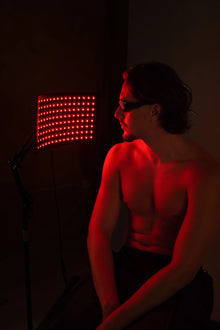
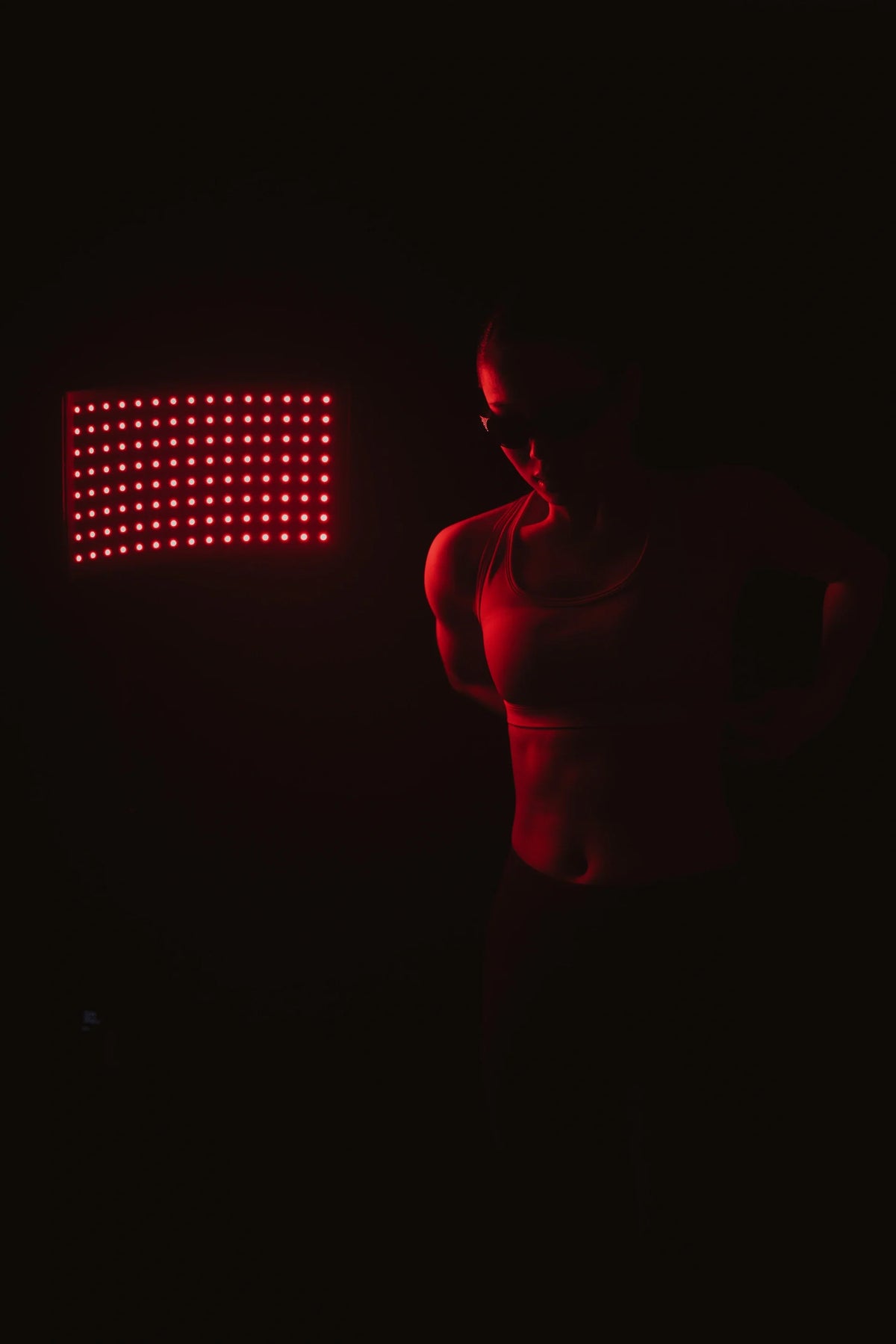
The KumoLux panel supports muscle recovery with full-body red and infrared light.
- 660 nm red + 850 nm infrared light
- Full-body muscle recovery
- Clinically validated biohacking protocols
€399,00€499,00
−10% on your 1st order when you subscribe to the newsletter

What exactly is the circadian rhythm
The NIGMS fact sheet on circadian rhythms summarizes that almost all tissues and organs have their own rhythm, although the body needs overall coordination to maintain daily coherence.
In practice, that means the body not only “knows” when to sleep, but also when to prioritize activity, when to prepare for rest, and how to distribute resources such as energy, temperature, and hormone secretion throughout the day.
Personalized protocol · included with your purchase
Want us to tell you how to use it in your case?
With your purchase, our experts set up your red and infrared light sessions for your sport and goal.
Message us on WhatsAppOur experts reply · no obligation
At the molecular level, clock genes and proteins are activated and deactivated in feedback loops. This mechanism helps maintain a periodicity close to 24 hours and coordinate internal signals without relying solely on external behavior.
How the biological clock works
The brain's central clock
The NIMH framework on circadian rhythms defines them as endogenous and self-regulating oscillations that organize the timing of biological systems to optimize physiology, behavior, and health.
In mammals, the command center is located in the hypothalamus, in a region called the suprachiasmatic nucleus, or SCN. A 2024 review on the suprachiasmatic nucleus recalls that this nucleus acts as a central pacemaker and coordinates signals with other brain regions and peripheral organs.
on your first order when you join the newsletter
We send you the code instantly. No spam.
Peripheral clocks
In addition to the central clock, there are peripheral clocks in organs and tissues such as the liver, intestine, muscle, and adipose tissue. These clocks fine-tune local processes, such as metabolism and part of the hormonal response, and can follow signals of food and activity. (pmc.ncbi.nlm.nih.gov)
That is why we speak of a hierarchical and coordinated system, not a single piece. If one part gets ahead or falls behind, the result can be less coherence between sleep, appetite, energy, and other daily functions.
Key elements at a glance
| Component | Main function |
|---|---|
| Central clock | Located in the hypothalamus and coordinates the body's overall biological time. |
| Peripheral clocks | Adjust the rhythms of organs and tissues, especially in metabolism and local gene expression. |
| Light | It is the most powerful external signal to adjust the central clock through the retina. |
| Food and activity | They can also act as synchronizers, especially for peripheral clocks. |
Together, the central clock sets the reference and the peripheral clocks adjust the details in each tissue. That architecture explains why sleep, food, and activity schedules do not act separately, but as part of the same temporal network.
What signals synchronize it
Daylight is the main signal, but not the only one. The review on light as a temporal signal explains that light information captured by the retina reaches the central clock, while another review on meal times and peripheral clocks highlights that eating also participates in metabolic synchronization.
The NIGMS itself points out that in the evening the master clock favors more melatonin, an internal signal associated with the start of rest.
Regularity of schedules, daily activity, and social context also influence. They do not act with the same force as light, but they help the system not lose its temporal reference.
What happens when it gets out of sync
When the circadian rhythm is disrupted, the body can feel that part of the day is happening out of place. This happens with jet lag, with night shifts, with irregular sleep schedules, or with sudden changes in external signals. In recent reviews, prolonged misalignment is associated with poorer coordination between sleep, metabolism, and overall state.
The key idea is not to demonize a specific schedule, but to understand that the biological clock needs relatively stable signals to maintain its accuracy.
Chronotype and individual variation
Not everyone starts from the same point. There are people with a more morning tendency and others more evening, a difference known as chronotype. That variation does not mean the clock is wrong, but that the time range in which each person feels more awake or more sleepy can be different.
That is why, when talking about circadian rhythm, it is advisable to separate two ideas: the mechanism common to everyone and the concrete way each body expresses it. The basis is shared, but the internal schedule does not always manifest the same way.
Related readings
These readings expand the topic from very close angles.
- If you want to see a frequent case, read how jet lag disrupts the internal clock.
- If you are interested in the relationship between light and rest, review red light panel and sleep quality.
- If you prefer a more everyday approach, explore night routine with red light.
FAQ
What is the circadian rhythm and why is it important for the body?
The circadian rhythm is the internal system that organizes many functions in cycles close to 24 hours. It not only affects sleep, it also influences body temperature, appetite, hormone secretion, and alertness. It is important because it helps the body anticipate changes in the environment and distribute energy better throughout the day. When this system is well coordinated, daily physiology is usually more stable.
How does the body's biological clock work and what organs are involved?
The central clock is in the hypothalamus, in the suprachiasmatic nucleus, and receives above all information from light entering through the retina. From there it coordinates nerve and hormonal signals that synchronize peripheral clocks in organs and tissues. Among those tissues are the liver, intestine, muscle, and adipose tissue, which also follow their own rhythms. That is why we speak of a network, not a single clock.
How does the circadian rhythm influence sleep and alertness during the day?
The circadian rhythm marks when the body is more predisposed to sleep and when it tends toward wakefulness. At night the internal signal of melatonin increases, while during the day the system favors more alertness and activity. If the internal schedule is misaligned with the real schedule, it is common to notice daytime sleepiness, difficulty falling asleep, or a feeling of being out of phase.
What factors can disrupt the circadian rhythm?
Sudden changes in time zone, night shifts, irregular sleep schedules, eating at very variable times, and exposure to light signals at unusual times can alter it. If the misalignment persists, it is advisable to review the cause with a healthcare professional instead of forcing quick solutions.
Caution note: this content is for informational purposes. If sleep disruption persists, or if you are pregnant, breastfeeding, a child or adolescent, or have kidney, liver, or heart disease, or take medication, consult a doctor or pharmacist before making major changes or using supplements.
And now what?
If you want to continue exploring the link between sleep and the internal clock, start with the Kumo Balance homepage and continue building a more complete view of rest and biological time.

Red & infrared light
KumoLux Panel – Red and Infrared LED Panel
★★★★★ 4,8/5 · rated by verified customers
- 660 nm red + 850 nm infrared light
- Full-body muscle recovery
- Clinically validated biohacking protocols
€399,00€499,00· pay in installments with seQura or Klarna