

A Baker's cyst requires caution. It is a fluid-filled lump behind the knee that usually appears due to an internal problem with the joint, and can cause pain, stiffness, or a feeling of tightness. If it ruptures, its symptoms can resemble deep vein thrombosis, so it should not be underestimated.
That is why, in the event of a new, painful lump or heat in the leg, the priority is not to massage or squeeze it, but to understand what is causing it. This content is for informational purposes and does not replace an individual medical assessment.
Pressotherapy at home
End the day with light legs
★★★★★ 4,8/5 · rated by verified customers
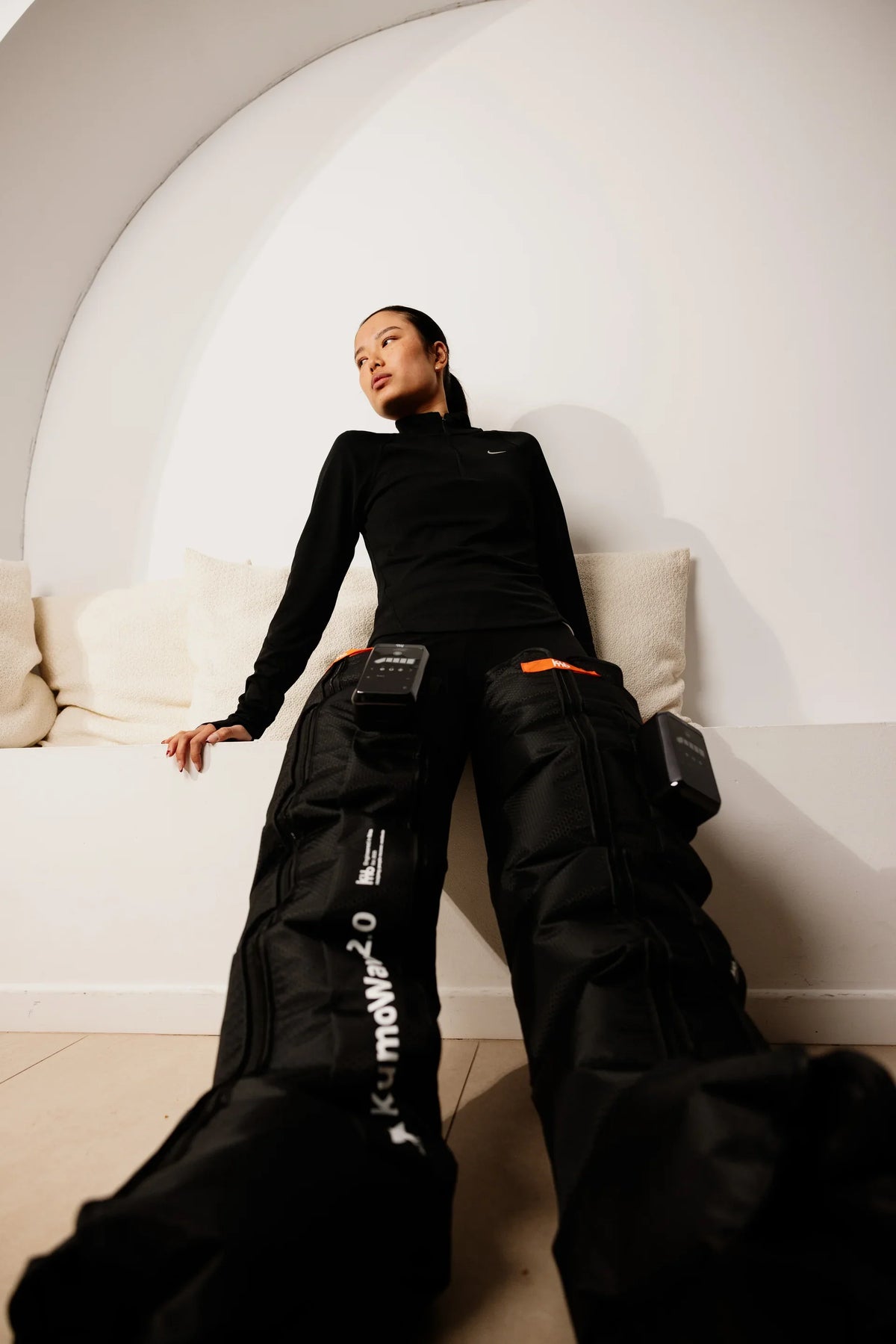
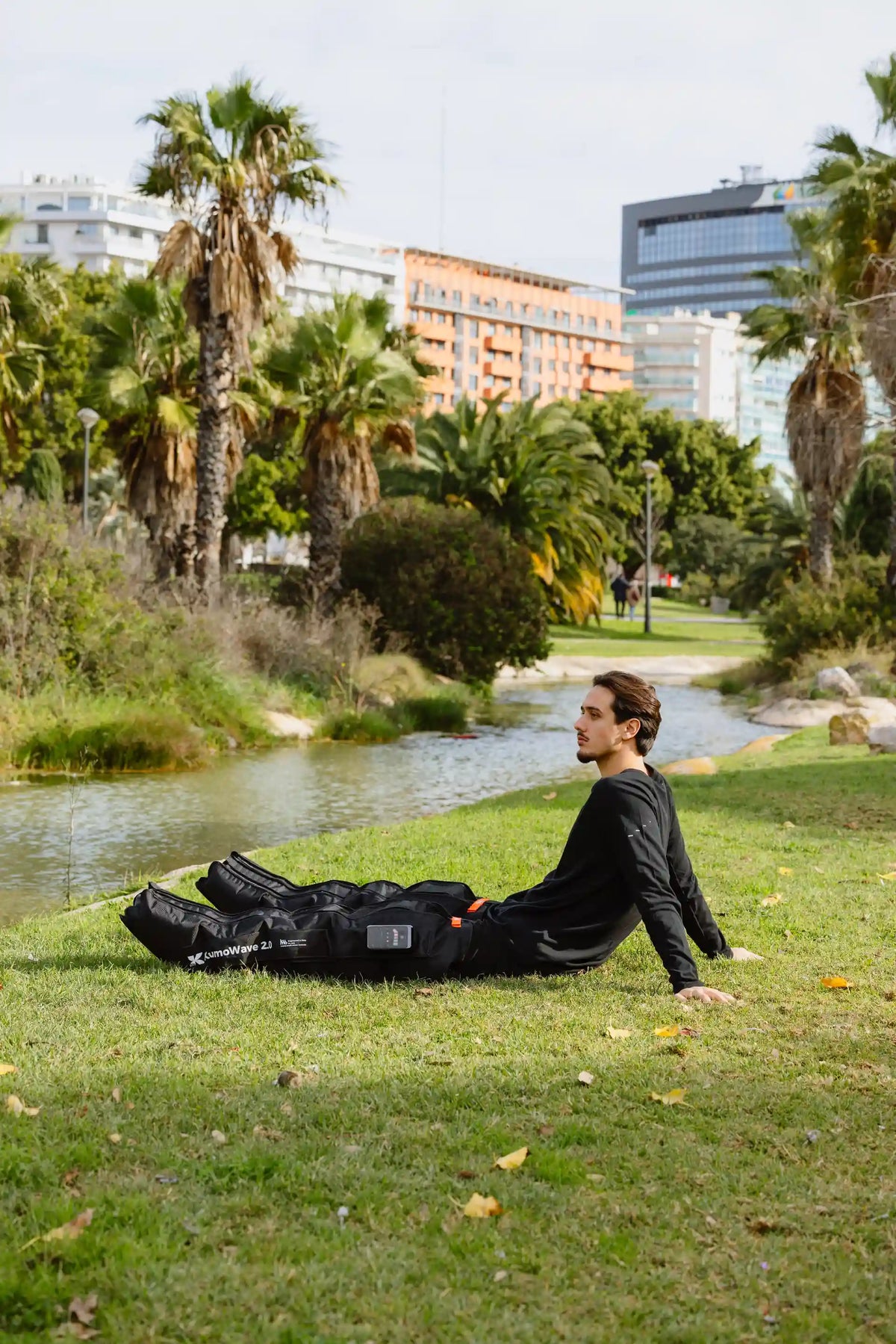
KumoWave pressotherapy boosts circulation and helps drain fluid with sequential compression, in 20-minute sessions at home.
- Boosts circulation and helps drain fluid
- Chamber-based compression, adjustable to you
- Sequential compression that mimics manual drainage
€799,00€999,00
−10% on your 1st order when you subscribe to the newsletter

What exactly is a Baker's cyst
Also called a popliteal cyst, it is a collection of fluid in the back of the knee. The NHS guide on Baker's cyst describes it as a soft lump, and Cleveland Clinic adds that it usually forms when an injury or osteoarthritis causes more joint fluid than usual to accumulate behind the knee.
The most common signs are pain, stiffness, difficulty bending the knee, and sometimes swelling that extends down the calf. Mayo Clinic also notes that discomfort can worsen after walking a lot, standing for a long time, or exercising.
Personalized protocol · included with your purchase
Want us to tell you how to use it in your case?
With your purchase, our experts prepare a personalized usage protocol for your case: sport, circulation, fluid retention, pregnancy or lipedema.
Message us on WhatsAppOur experts reply · no obligation
Massage and compression: why caution is advisable
If you are interested in the mechanical logic of this type of pressure, you can read sequential compression for context, but that is not the same as treating a painful cyst. In an area with a lump, heat, or new pain, the prudent approach is not to improvise deep pressure or self-massage until a professional rules out other causes.
A recent review on PubMed about the rupture of a Baker's cyst reminds us that this condition can mimic deep vein thrombosis and that, when the diagnosis is clear, conservative management may include rest, ice, compression, elevation, and anti-inflammatories. That does not mean you should apply compression on your own before having an assessment. (pubmed.ncbi.nlm.nih.gov)
Practical summary of precautions
| Situation | What it may mean | Reasonable precaution |
|---|---|---|
| Lump behind the knee with mild pain and unconfirmed diagnosis | It could be a Baker's cyst, but also another joint or soft tissue cause | Do not perform deep massage or use compression on your own until you have an assessment. |
| Swollen, hot, red calf, or sudden pain | It could correspond to a ruptured cyst or deep vein thrombosis | Seek urgent medical assessment and avoid compressing the area before ruling out thrombosis. |
| Confirmed rupture and medical plan already established | Some guidelines describe rest, ice, compression, and elevation as conservative measures | Only follow the plan indicated by the professional and do not adjust the pressure without guidance. (pubmed.ncbi.nlm.nih.gov) |
If you want to understand why pressure must be individualized, you can read how to adjust the pressure in mmHg without overdoing it. In a case consistent with a Baker's cyst, this idea serves to remind us that not all pressure is harmless, and that we must first know what is being treated.
on your first order when you join the newsletter
We send you the code instantly. No spam.
When to consult a doctor
According to Mayo Clinic and the NHS, you should seek medical assessment if the pain or swelling appears suddenly, if the calf becomes hot, changes color, or swells more, or if you notice that your leg worsens when walking. It is also advisable to consult if the lump is new and you do not know what it is.
Seek urgent care if the swelling is accompanied by shortness of breath or chest pain, because the NHS warns that these symptoms can indicate a pulmonary embolism. At the consultation, the professional can examine the knee and order an ultrasound or MRI to confirm the origin of the problem and rule out other causes.
If you are pregnant, breastfeeding, under the age of 18, or taking medication continuously, and also if you have a heart, kidney, or liver disease, do not improvise massage or compression without a prior assessment. In case of doubt, consult a doctor or pharmacist.
Frequently asked questions
What is a Baker's cyst and how exactly does it form?
It is a sac of fluid that appears behind the knee, in the popliteal area. It usually forms when there is inflammation inside the joint, osteoarthritis, a cartilage injury, or another problem that causes more fluid than usual to be produced. That fluid moves toward the back and ends up creating the lump. That is why treating only the cyst is usually less useful than assessing the underlying cause.
Can massage worsen a Baker's cyst and delay recovery?
It should not be used as a home remedy. Deep massage does not correct the origin of the cyst and, if the knee or calf is painful, hot, or swollen, it can also make it harder to distinguish whether the condition corresponds to a ruptured cyst or another more serious cause. As a precaution, the most sensible thing is to avoid manipulating the area until you have a diagnosis and follow the plan set by a professional.
Is compression recommended to reduce the swelling of a Baker's cyst?
Only in very specific contexts and with a prior assessment. Recent literature on Baker's cyst rupture describes compression as part of conservative management along with rest, ice, and elevation, but that refers to already identified cases and not to undiagnosed swelling. If there is sudden pain, heat, or suspicion of thrombosis, you should not compress on your own. (pubmed.ncbi.nlm.nih.gov)
What precautions should be taken when massaging or applying compression near a Baker's cyst?
Avoid deep pressure on the back of the knee, do not work the area if the calf is more swollen or hot than usual, and stop immediately if the pain increases. It is also advisable not to assume that everything is muscular if you notice changes in color, an intense feeling of tightness, or difficulty bearing weight. If you take medication or have other diseases, seek professional advice before trying any technique.
When should you consult a doctor about a Baker's cyst and what signs are urgent?
You should consult if the lump is new, if the pain worsens, if the calf swells, becomes hot, or changes color, or if the pain suddenly appears after walking or exerting yourself. It is urgent if there is also shortness of breath or chest pain. The NHS and Mayo Clinic indicate that these signs can correspond to a ruptured cyst or deep vein thrombosis, and require rapid medical assessment.
What now?
If you suspect a Baker's cyst, avoid self-massage and do not apply compression on your own if the pain changes or the calf becomes inflamed. To continue reading about the context of pressure and its adjustment, you can visit the Kumo Balance website and the article on how to adjust the pressure in mmHg without overdoing it. If the symptoms are new or worsening, seek medical assessment.
KumoWave pressotherapy
Choose your at-home pressotherapy
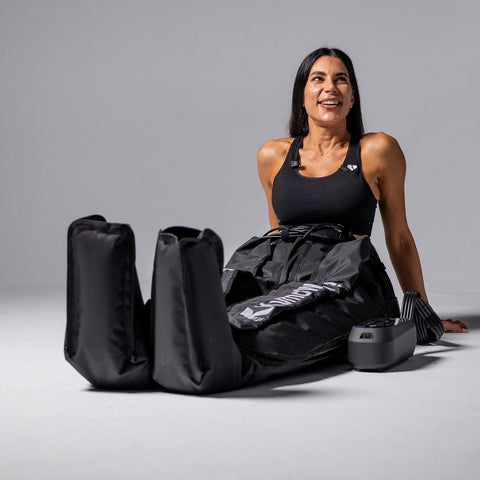
KumoWave Elite X – Pressotherapy Pants
Full-coverage trousers. Ideal for lipedema, fluid retention and intensive use.
€799,00 €999,00
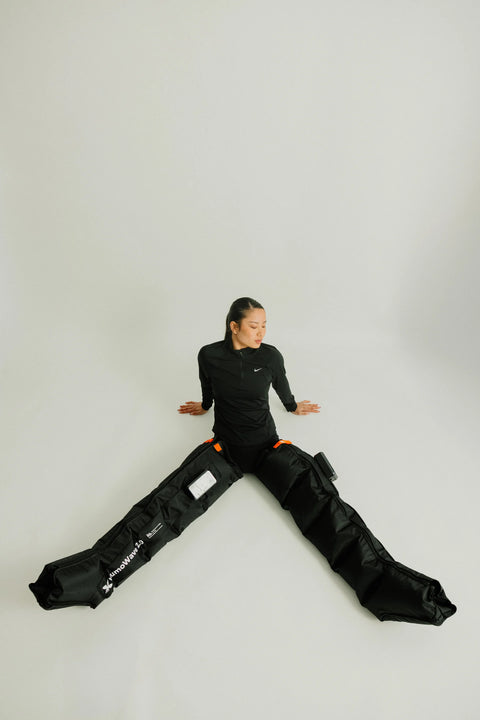
KumoWave 2.0 - Wireless Pressotherapy
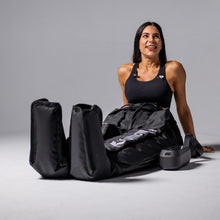
Wireless, lightweight boots. Perfect for daily use and recovery.
€499,00 €599,00