The order really does matter. If you want to combine sauna, heat, and red light therapy, the safer option is to use photobiomodulation on dry skin and leave the sauna for afterward or for another time of day, especially if you are sensitive to heat or get lightheaded easily.
The reason is simple: the sauna adds thermal stress and can cause vasodilation, low blood pressure, or dehydration in vulnerable people, while red light works as a photobiomodulation session, not as a heat load. So rather than stacking stimuli, it is better to organize the session around comfort, tolerance, and safety.
Red & infrared light
Recover faster, at home
★★★★★ 4,8/5 · rated by verified customers
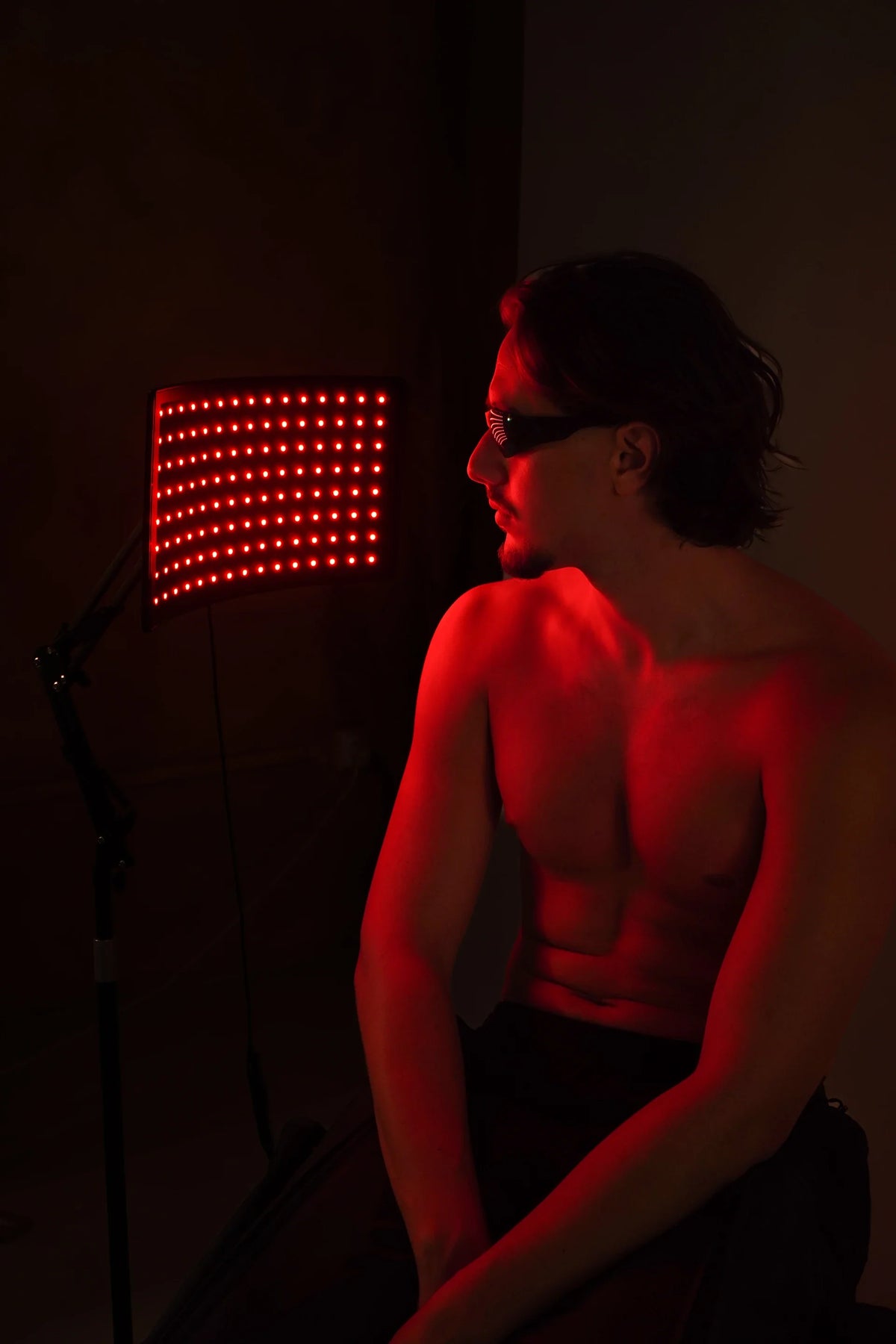
The KumoLux panel supports muscle recovery with full-body red and infrared light.
- 660 nm red + 850 nm infrared light
- Full-body muscle recovery
- Clinically validated biohacking protocols
€399,00€499,00
−10% on your 1st order when you subscribe to the newsletter

What each method does
The sauna: systemic heat that deserves respect
A 2026 clinical review of thermal bathing and sauna gathered 45 studies and noted that clearer parameters are still needed; in addition, a 2018 systematic review found 40 clinical studies, only 13 randomized trials, and many small pieces of work. In other words, the sauna can accompany a wellness routine, but how you use it matters a great deal.
Local heat: do not add it without thinking
If by heat you mean a heating pad, a hot water bottle, or a very hot shower, treat it as one more thermal load. Chaining it to the sauna usually offers no clear advantage and can add sweating, discomfort, or a sense of overheating; to be safe, leave it for another time of day or use it at the end if it suits you.
Personalized protocol · included with your purchase
Want us to tell you how to use it in your case?
With your purchase, our experts set up your red and infrared light sessions for your sport and goal.
Message us on WhatsAppOur experts reply · no obligation
Red light: photobiomodulation, not heat
Red light and near infrared light both fall under photobiomodulation. The most recent clinical consensus on safe photobiomodulation in adults describes it as a safe modality in adults, with no evidence of DNA damage from red light, and a 2024 meta-analysis of 34 randomized trials found modest improvements in endurance and recovery when it was applied before exercise.
If you want to review the basics, what red light therapy is and how it works will help you tell red light, near infrared light, and plain perceived heat apart. (pmc.ncbi.nlm.nih.gov)
And if you plan to fit it into a home routine, the steps and frequency for using it at home is a useful read for keeping your sessions clear and consistent.
on your first order when you join the newsletter
We send you the code instantly. No spam.
What order to do them in
My recommended order, if you do them on the same day, is red light first, a pause, and the sauna afterward. If you also use local heat, put it at the end or in another block, not as a third stimulus stuck right after an intense sauna. This suggestion does not come from a proven universal sequence, but from a practical reading of the thermal load the sauna adds and of the way photobiomodulation is applied.
Recommended order by goal
| Goal | Suggested order | Why |
|---|---|---|
| Recovery after training | Red light, pause, sauna if you tolerate it. | Photobiomodulation has evidence as support for endurance and recovery when applied before exercise, while the sauna adds a thermal load that is better not chained on without a rest. |
| General wellness routine | Sauna on its own or separate from red light. | The literature on sauna is promising but heterogeneous, so the order should depend more on your tolerance than on any proven advantage of mixing everything together. |
| Face or skin session | Red light on dry skin, sauna in another block. | In photobiomodulation, eye and skin safety is key, and intense heat adds discomfort and sweating that bring no clear advantage to the light session. |
If you want to go deeper into the sensations that usually come with this practice, the page on the key benefits and uses of red light therapy works well as complementary reading.
And if you are interested in how this approach fits into a broader recovery system, Kumo's clinical and functional technology sums up the general logic behind these routines.
When to talk to a professional
There are situations where improvising is a bad idea, above all because the sauna and red light are not the same thing and do not share the same precautions. If any of these histories or symptoms apply to you, ask for a medical opinion before turning these sessions into a habit.
- If you have a history of fainting, low blood pressure, arrhythmias, or uncontrolled cardiovascular disease, because the sauna can be associated with fainting, low blood pressure, and arrhythmic or ischemic complications in vulnerable people.
- If you dehydrate easily or already feel dizzy, because heat exposure can increase the loss of relative circulating volume and the sense of weakness.
- If you take photosensitizing medication or have photosensitivity, because photobiomodulation guidance recommends reviewing your medication and protecting your eyes with particular care.
- If you are pregnant or unsure about whether a specific area is suitable, ask for advice before using red light regularly.
Frequently asked questions
Should I do red light therapy before or after the sauna for recovery?
If your goal is recovery and comfort, the safest approach is to do the red light before the sauna or in a separate block. Photobiomodulation fits better as a dry, controlled session, while the sauna adds a thermal load and requires you to arrive hydrated and without any feeling of dizziness. If you come out of the sauna very hot, it is better not to chain another intense session straight away. In healthy people, what matters is individual tolerance, not forcing the combination as a matter of routine.
What order should sauna and red light therapy be chained in for better results?
There is no single order backed by a universal guideline. As a practical rule, the most sensible sequence is red light, pause, sauna. That way you reduce the accumulated thermal load and keep the photobiomodulation session under more controlled conditions. If you are looking for relaxation at the end of the day, you can also separate them by several hours. The evidence on sauna and PBM has developed separately, so the sequence is decided more by safety, tolerance, and consistency than by any proven advantage of one order.
Should red light therapy and the sauna be used in the same session or separately?
Preferably separately. In the same session I would only consider it if you tolerate heat very well, have no history of blood pressure drops or dizziness, and know that red light suits you. The photobiomodulation session goes better with a calm body and sweat-free skin, while the sauna requires you to come out slowly and rehydrate. If you notice a high pulse, nausea, headache, or a lot of fatigue, it is best to stop the combination and leave the other stimulus for another time.
What are the benefits of combining sauna with red light, and what order should you use them in?
The combination can be useful as a wellness routine because it brings together heat, relaxation, and a light session aimed at supporting muscle recovery. Even so, the evidence does not say there is a magic order that changes everything. Red light has promising data for recovery and performance, and the sauna provides a thermal response that can feel pleasant if you tolerate it well. So the best order is usually the one you can repeat without extra fatigue: red light first, sauna afterward, or separate sessions if that feels more comfortable.
Is it safe to combine red light therapy with a sauna session?
In general it can be safe in healthy adults if you do not overdo the time and you respect the precautions for both methods. It is better not to improvise if you have low blood pressure, fainting episodes, arrhythmias, photosensitivity, or photosensitizing medication. Red light calls for eye protection, and the sauna should not be used if you already arrive dizzy or dehydrated. If you notice that heat does not agree with you, separate the sessions and favor a routine you can keep up steadily. Consistency is usually worth more than forcing two stimuli back to back.
What now?
If you want to turn this idea into a simple routine, head to the main Kumo Balance site and then check the guide to steps and frequency for using red light at home. That way you can decide calmly whether to do the red light first, leave the sauna for another time, or separate the two sessions to stay more comfortable.

Red & infrared light
KumoLux Panel – Red and Infrared LED Panel
★★★★★ 4,8/5 · rated by verified customers
- 660 nm red + 850 nm infrared light
- Full-body muscle recovery
- Clinically validated biohacking protocols
€399,00€499,00· pay in installments with seQura or Klarna