

Light can help, but not every kind of light works. In psoriasis, medical phototherapy and very controlled sun exposure can be part of management, while too much sun or tanning beds can worsen flares and raise the risk of skin damage. Daily care, especially consistent moisturizing, remains an important foundation for reducing dryness and irritation.
Psoriasis is a chronic disease that comes in flares and has no definitive cure, although there are effective treatments to control the symptoms. The plan changes with the type of psoriasis, how widespread it is, the area involved and the possible side effects, so it is worth reviewing it with a dermatologist, especially if there is joint pain or your current treatment is not working. (niams.nih.gov)
Facial red light
Bring your skin back to life
★★★★★ 4,8/5 · rated by verified customers
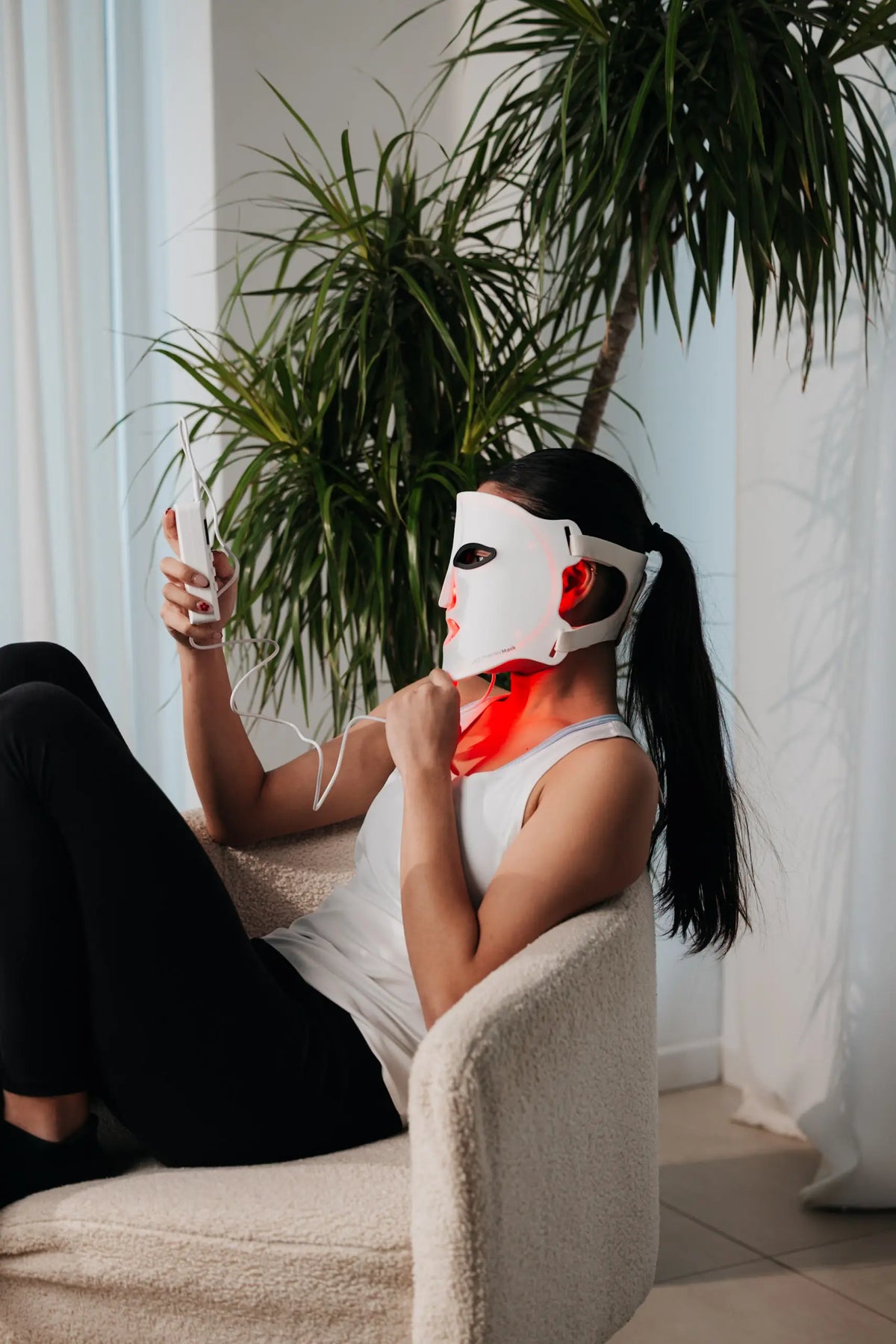
The KumoSkin LED mask helps repair and calm your skin in short sessions at home.
- 250 LEDs in flexible medical silicone
- Red light to boost collagen and glow
- 4 lights: red, infrared, blue and yellow
€299,00€429,00
−10% on your 1st order when you subscribe to the newsletter

What role light plays in psoriasis
Medical phototherapy uses ultraviolet light, above all UVB, and in some cases laser or PUVA, to treat specific plaques or more extensive psoriasis. The AAD guide to phototherapy for psoriasis explains that it is usually done in a medical office or a hospital and that, to work, most people need two or three sessions a week for several weeks. It is not an option for everyone: it is not recommended if you have had melanoma, if you have conditions that increase light sensitivity, or if you take photosensitizing medications.
Phototherapy should be chosen according to the type of psoriasis, the area involved and the patient's safety.
Personalized protocol · included with your purchase
Want us to tell you how to use it in your case?
With your purchase, our experts prepare the ideal LED protocol for your skin type and goal (acne, wrinkles, dark spots...).
Message us on WhatsAppOur experts reply · no obligation
Controlled sunlight can improve some plaques, but too much can trigger or worsen a flare and raise the risk of skin cancer. That is why medical guidance should not be replaced by improvised sunbathing or by tanning beds. If your dermatologist advises you about natural light, it is usually for a very specific and closely monitored exposure.
Medical light, photobiomodulation and LED light without UV
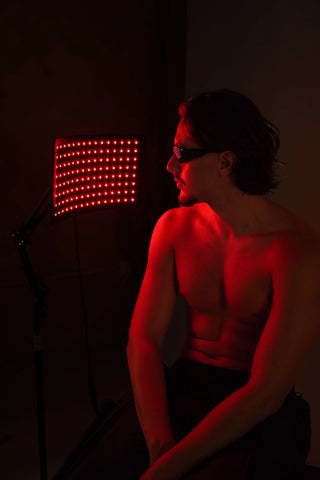
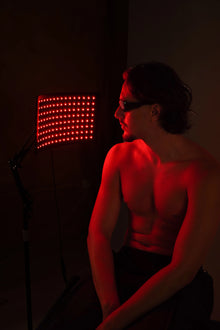
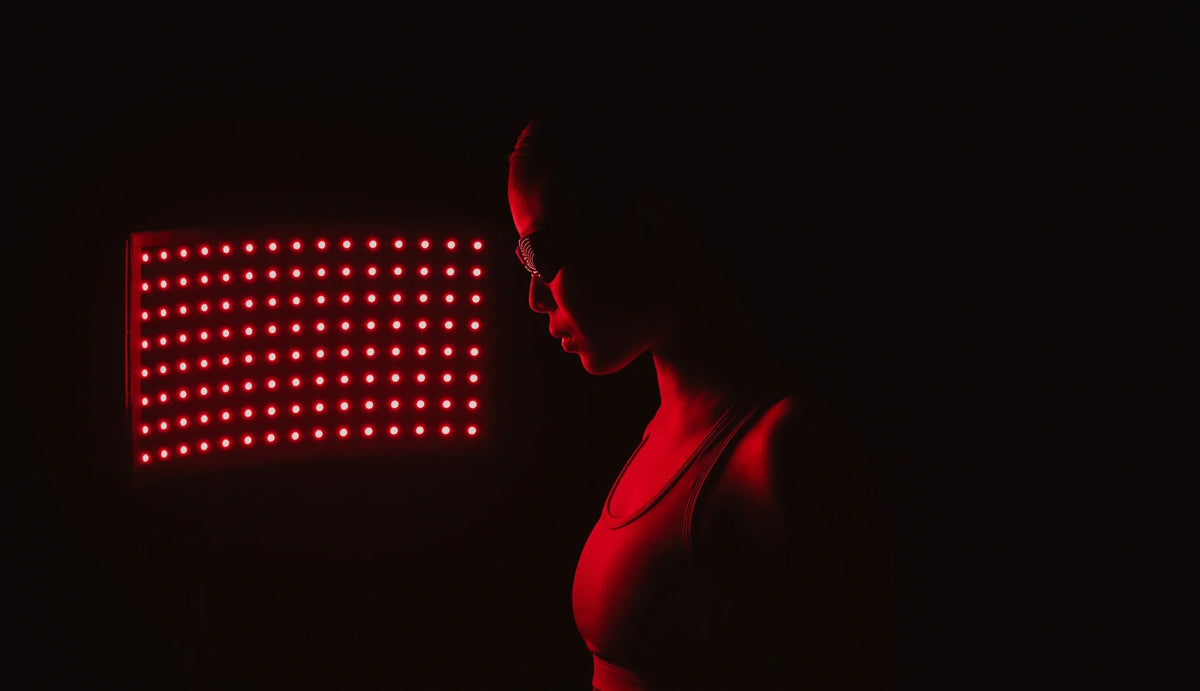
Photobiomodulation and LED light without UV attract interest, but that does not mean they are equivalent to dermatologic phototherapy. The NCCIH summary on light therapies without UV points out that low-intensity treatments cannot yet be recommended for inflammatory skin conditions because well-controlled studies are lacking. At the same time, the AAD has published studies on blue light without UV in mild psoriasis, with improvement in some patients but not in all, and with clear limits on use. If you want to tell these concepts apart more clearly, it can help to read about photobiomodulation and its limits and about how red light works.
In practice, this means that LED light or red light are studied more as research or wellness tools than as proven substitutes for the phototherapy prescribed for psoriasis. The decision to use them, if they are used at all, should go through a dermatologic assessment, especially when the lesion is extensive, recurrent or there is a personal history of skin cancer.
on your first order when you join the newsletter
We send you the code instantly. No spam.
Daily care that genuinely helps
A basic moisturizing and cleansing routine
Day to day, the goal is to reduce dryness, friction and irritation. Mayo Clinic recommends applying moisturizer daily and right after bathing, while the skin is still slightly damp; if the skin is very dry, oils or ointments usually last longer than light lotions. The Mayo Clinic self-care advice and the NHS guide to psoriasis agree that emollients are part of the foundation of management.
- Take short showers with lukewarm water and cleanse without scrubbing, because skin with psoriasis is easily irritated.
- Apply the emollient as you get out of the bath and repeat it if you notice the skin feeling tight again during the day.
- Avoid scratching and keep your nails short, since scratch injuries can worsen flares.
- Cut back on stress, tobacco and alcohol, because they are frequent triggers in many people. (niams.nih.gov)
- Protect healthy skin with clothing or sunscreen when you go out in the sun, because too much light can do harm.
These measures do not replace medical treatment, but they can help reduce the frequency and intensity of flares, as well as improve how well the skin tolerates other therapies. (aad.org)
Scalp and heavily scaling plaques
On the scalp, products with salicylic acid or coal tar can help reduce scaling, and Mayo Clinic notes that coal tar appears in shampoos, creams and oils; even so, it can irritate and it is better not to use it without advice if you are pregnant or breastfeeding. If you are having phototherapy, avoid applying salicylic acid before the session, because the AAD warns that it can make UVB less effective.
A practical summary in one table
What each option usually offers and what its main limit is
This table sums up the key ideas so you can tell apart what usually helps, what needs medical supervision and what still has limited evidence.
| Option | What it can offer | Main limit |
|---|---|---|
| Controlled sunlight | May improve some plaques if used very cautiously and with medical guidance. | Too much sun can worsen the flare and raise the risk of skin cancer. |
| UVB phototherapy | It is one of the most widely used medical options for moderate or extensive psoriasis, with repeated sessions and a professional schedule. | It is not recommended in people with certain histories of melanoma, skin cancer, photosensitivity or medications that increase light sensitivity. |
| LED light without UV | May be of interest in mild psoriasis, but only as a field of study or very selective support. | The evidence is still limited and it does not replace the phototherapy prescribed by a dermatologist. |
| Daily emollients | They help reduce dryness, tightness and irritation when applied every day, above all after bathing. | They are key support, but on their own they do not control more active psoriasis. |
| Shampoos or scalp solutions | Salicylic acid and coal tar can help lift scale and calm the plaque on the scalp. | They can irritate, and some are not suitable in pregnancy or breastfeeding. |
When to see a dermatologist
See a professional if your treatment is not working, if it gives you side effects or if pain, stiffness or swelling appear in your joints, because psoriatic arthritis could be involved. The NHS also warns that rapid redness with pustules, fever or feeling generally unwell may need urgent care.
- If flares spread quickly or change appearance in a striking way.
- If you have a fever, feel very unwell or have pustules that merge together.
- If you notice joint pain, morning stiffness or swelling in your hands, knees or feet.
- If you suspect that a medication, light or a topical product is making your skin worse.
FAQ about psoriasis and light
What role does light play in treating psoriasis and which phototherapies are used?
The light that helps in psoriasis is medical light, not free and uncontrolled exposure. The best-supported option is still UV phototherapy, above all narrowband UVB; excimer lasers are also used and, in selected cases, PUVA. It is usually indicated when plaques are extensive, persistent or respond poorly to topical treatments. The choice depends on location, severity and individual safety, so a dermatologist should be the one to decide.
Which daily habits help prevent psoriasis flares?
What helps most is a consistent routine. Moisturize your skin every day, avoid very long or very hot showers, do not scratch and pay attention to the most common triggers, such as stress, tobacco, alcohol, infections and chafing. Skin with psoriasis tends to be dry and easily irritated, so small repeated changes usually work better than many products at once. It is not a cure, but it is an effective way to lower the inflammatory background.
Does light therapy without UV work for psoriasis or does it have limits?
It may be of interest in mild cases, but today the evidence is still limited. The NCCIH indicates that low-intensity treatments cannot yet be generally recommended for inflammatory skin conditions because well-controlled studies are lacking. The AAD has described small studies with blue light without UV in mild psoriasis, with partial improvement and no universal response. That is why it should not replace prescribed phototherapy or be used as a shortcut without medical supervision.
Which moisturizers and cleansers suit psoriasis, including the scalp?
The foundation: rich emollients, oils or ointments, applied right after bathing, while the skin is still slightly damp. On very dry skin, thicker products usually last longer than a light lotion. For the scalp, Mayo Clinic mentions shampoos and solutions with salicylic acid, as well as coal tar products, which help reduce scaling even though they can irritate. If you are pregnant or breastfeeding, it is worth asking before using coal tar or other intensive treatments.
How can you optimize your daily routine to improve psoriasis over the long term?
The best routine is simple and consistent. In the morning, cleanse without scrubbing and apply emollient to the dry areas. After every shower or bath, pat dry and moisturize again. If you are having phototherapy, follow your dermatologist's schedule exactly, usually two or three times a week, and avoid products that interfere before the session, such as salicylic acid in some cases. If something itches, burns or irritates, cut back the steps and return to the basics.
What now?
If you want to keep telling medical phototherapy apart from other light technologies, you can start with photobiomodulation for the skin and its application protocol and then come back to the Kumo Balance home page to keep exploring the blog at your own pace.

Facial red light
KumoSkin Mask – LED Facial Mask
★★★★★ 4,8/5 · rated by verified customers
- 250 LEDs in flexible medical silicone
- Red light to boost collagen and glow
- 4 lights: red, infrared, blue and yellow
€299,00€429,00· pay in installments with seQura or Klarna