
Keratosis pilaris is very common. It usually shows up as small, rough bumps on the outer arms and on the thighs, and it is often mistaken for acne or for plain dry skin.
It is not contagious and, although it can improve over time, there is no definitive cure. What tends to help most is a gentle, consistent routine, because dry skin makes it more visible.
Facial red light
Bring your skin back to life
★★★★★ 4,8/5 · rated by verified customers
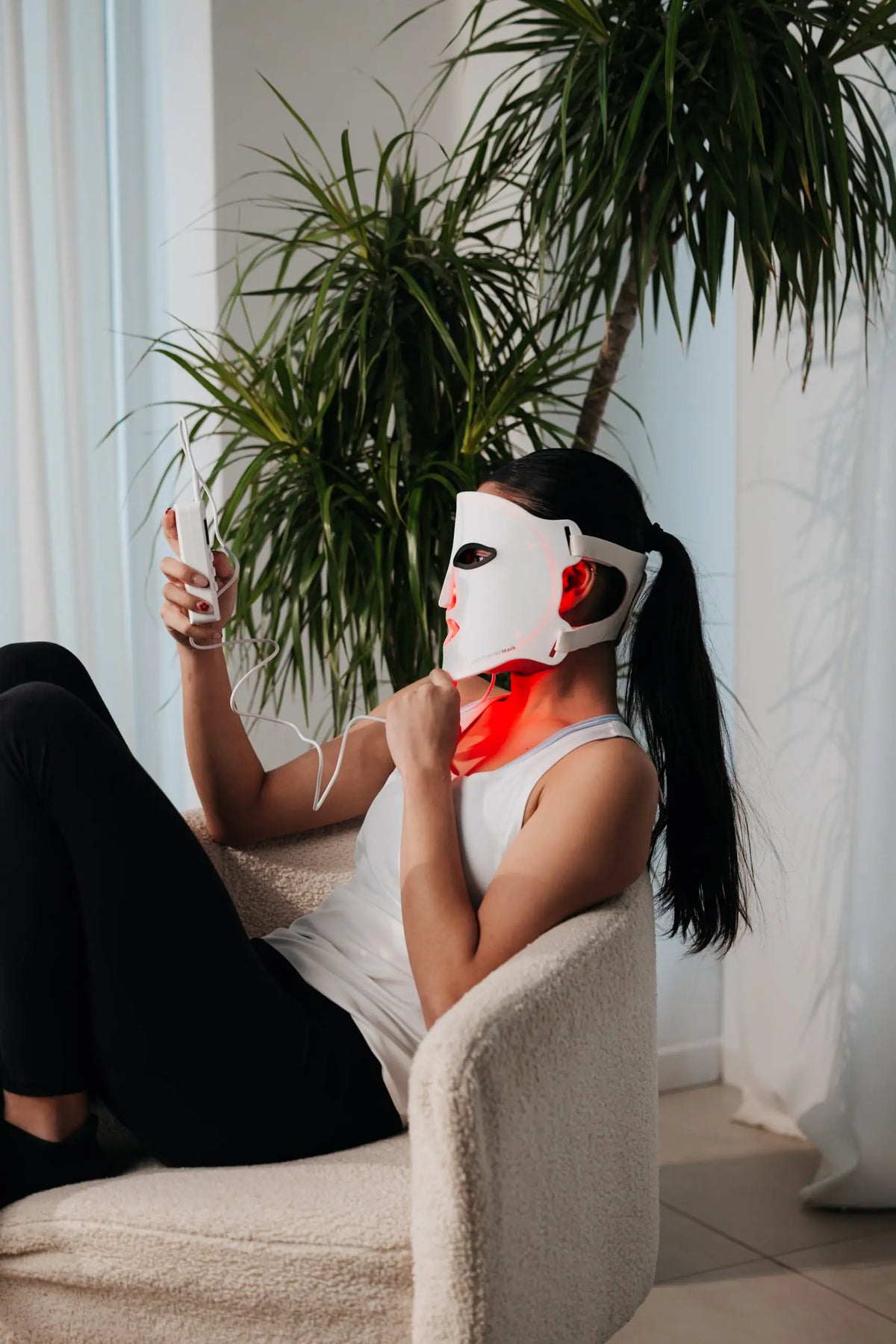
The KumoSkin LED mask helps repair and calm your skin in short sessions at home.
- 250 LEDs in flexible medical silicone
- Red light to boost collagen and glow
- 4 lights: red, infrared, blue and yellow
€299,00€429,00
−10% on your 1st order when you subscribe to the newsletter

What keratosis pilaris is
In the AAD guide to keratosis pilaris, this condition is described as a buildup of dead skin plugs inside the hair follicles. DermNet explains it as abnormal keratinization of the follicle, with a frequent genetic basis.
The most typical clue is dry, rough skin covered in very small bumps, above all on the arms and thighs.
Personalized protocol · included with your purchase
Want us to tell you how to use it in your case?
With your purchase, our experts prepare the ideal LED protocol for your skin type and goal (acne, wrinkles, dark spots...).
Message us on WhatsAppOur experts reply · no obligation
What exactly happens in the follicle
The problem is neither an infection nor poor hygiene. Keratin, a normal protein in the skin, builds up and partly plugs the follicle, forming those rough papules you can feel to the touch. The AAD and the NHS agree that this blockage is the basis of the picture. (aad.org)
Where it usually appears
The most common areas are the outer arms and the front of the thighs. It can also show on the buttocks, the trunk, the cheeks or the forearms. It is more frequent in children and teenagers, although some people keep it into adulthood. (dermnetnz.org)
Why it shows up so much on arms and thighs
Arms and thighs follow a typical distribution because keratosis pilaris usually affects the extensor surfaces. On top of that, dry skin, cold or dry weather and the hormonal changes of puberty can make the bumps stand out more.
on your first order when you join the newsletter
We send you the code instantly. No spam.
Factors that make it more visible
- Dry skin usually worsens the look of keratosis pilaris and makes the bumps stand out more.
- A family history raises the likelihood of having it, because there is a clear genetic tendency.
- Eczema, asthma, allergic rhinitis and ichthyosis vulgaris appear more often in people with keratosis pilaris.
- Shaving and waxing can irritate the area and make more bumps noticeable.
How to tell it apart from acne and other rashes
The practical difference is in the texture and the type of lesions. Keratosis pilaris usually feels dry and rough, while acne tends to be oilier and to show comedones, pustules or clearer inflammation. It also tends to stay on the arms and thighs, although it can appear elsewhere. (dermnetnz.org)
Quick summary of the differences
| Aspect | Keratosis pilaris | Acne |
|---|---|---|
| Texture | Rough, dry, goosebump-like | Oilier, with blackheads or inflamed pimples |
| Common areas | Arms, thighs, buttocks and cheeks | Face, chest, back and, at times, arms |
| Feel | Generally rough | Can hurt or become more inflamed |
| Course | Chronic, usually improves little by little | Flare-ups that come and go |
If you see blackheads, very painful lesions, pus or a clearly inflamed flare-up, the safest move is to ask for a medical assessment, because that is not typical of keratosis pilaris.
What care can improve how it looks
The AAD self-care guide stresses three ideas: moisturize well, stay consistent and do not attack the skin. The NHS also recommends avoiding harsh exfoliants, perfumed soaps and very hot showers.
Useful daily habits
- Use a thick cream or a fragrance-free ointment, preferably with urea or lactic acid.
- Apply the moisturizer to still-damp skin, within 5 minutes of your shower or bath.
- Go for lukewarm water and short showers, because very hot water dries the skin out more. (mayoclinic.org)
- Avoid harsh scrubs, rubbing the area, scratching or picking at the bumps.
- If hair removal makes the area worse, ask a professional about gentler alternatives.
Results are usually not immediate. The AAD points out that if the plan does not improve the skin after 4 to 6 weeks, it is worth checking in again, and that maintenance is usually needed to keep the effect.
Treatments a dermatologist may prescribe
If basic care is not enough, a dermatologist may prescribe products with alpha hydroxy acids, glycolic acid, lactic acid, salicylic acid, urea or retinoids. In some cases corticosteroids are also used to bring down the redness, and lasers are reserved for selected situations. The AAD treatment guide is a reminder that this does not cure keratosis pilaris, it only helps keep it under control.
If you are pregnant, trying to get pregnant or breastfeeding, ask before using topical retinoids. Mayo Clinic suggests delaying them or choosing another option depending on the case. It is also sensible to pause any active for a few days if the skin gets drier or more irritated than usual.
If you want to keep learning about gentle skin care and well-being habits, you can read how to fit LED technology into a skin routine or what science says about blue light and the skin.
Frequently asked questions about keratosis pilaris
What exactly causes keratosis pilaris on the arms and thighs?
The immediate cause is the buildup of keratin blocking the hair follicles. It is not contagious and does not come from a lack of hygiene. The AAD and the NHS point out that there is usually a genetic basis, and that it is more frequent in people with dry skin, eczema, asthma, allergic rhinitis or ichthyosis vulgaris. That is why it shows up so much on the arms and thighs: those are areas where the plugs become more visible to the touch and to the eye.
How can you tell the small bumps of keratosis pilaris from acne bumps on the arms and thighs?
Keratosis pilaris usually feels dry, rough and fairly even, like "goosebumps". Acne, by contrast, tends to include blackheads, pustules, more oil and clearly inflamed lesions. DermNet highlights that KP is dry and rough, while acne is linked more to clogged pores and inflamed flare-ups. If you are torn between the two, or if you notice pain, pus or a lot of redness, the most sensible thing is to ask for a medical assessment.
Can keratosis pilaris go away on its own without treatment, and how fast?
Yes, it can improve on its own in some people, but the pace varies a lot. The AAD explains that many cases fade over time, often gradually across years, and that in children it can clear toward the end of childhood or in adolescence. In other cases it persists into adulthood. That is why no exact date for it to disappear can be promised. Care helps more to control how it looks than to guarantee a quick resolution.
Which home or professional treatments work best to soothe rough skin on the arms and thighs?
What usually works best at home is moisturizing daily with a thick cream, ideally with urea or lactic acid, and applying it right after the shower on damp skin. It also helps to avoid very hot water, harsh scrubs and scratching. If that is not enough, a dermatologist may prescribe exfoliating acids, salicylic acid, urea or retinoids, and in selected cases consider laser or microdermabrasion. The AAD insists that there is no definitive cure, only control.
Is keratosis pilaris hereditary, and what precautions keep it from getting worse?
Yes, there is usually a significant hereditary component, which is why it often shows up in several members of a family. It is not contagious. To keep it from getting worse, it helps to keep the skin moisturized, avoid strong exfoliants, shower in lukewarm water, not scratch or rub the area and be careful with shaving or waxing. And if you are pregnant or breastfeeding, ask before using retinoids or stronger exfoliating actives.
So what now?
If the bumps change in appearance, hurt, become inflamed or you are not sure about the diagnosis, the right move is to book an assessment with a dermatologist. If you then want to keep reading about gentle skin care and well-being, start with the Kumo Balance home page.

Facial red light
KumoSkin Mask – LED Facial Mask
★★★★★ 4,8/5 · rated by verified customers
- 250 LEDs in flexible medical silicone
- Red light to boost collagen and glow
- 4 lights: red, infrared, blue and yellow
€299,00€429,00· pay in installments with seQura or Klarna