Yes, it changes. During menopause, skin can lose water, collagen, and firmness, leading to tightness, reduced radiance, and more visible wrinkles. (aad.org)
The good news is that there are useful and realistic measures: daily photoprotection, well-chosen hydration, retinoids when appropriate, and technologies like red LED light, always with concrete expectations.
Red & infrared light
Recover faster, at home
★★★★★ 4,8/5 · rated by verified customers
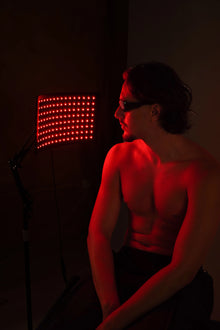
The KumoLux panel supports muscle recovery with full-body red and infrared light.
- 660 nm red + 850 nm infrared light
- Full-body muscle recovery
- Clinically validated biohacking protocols
€399,00€499,00
−10% on your 1st order when you subscribe to the newsletter

What changes in the skin during menopause
The drop in estrogen alters sebum production, water retention capacity, and collagen synthesis. The American Academy of Dermatology notes that skin can lose about 30% of its collagen in the first five years of menopause, and that loss continues afterward, albeit more slowly.
This is why it's common to notice thinner, less elastic, drier skin with poorer recovery after irritation or sun exposure. It can also appear duller and with a slightly less defined facial contour. (medlineplus.gov)
Personalized protocol · included with your purchase
Want us to tell you how to use it in your case?
With your purchase, our experts set up your red and infrared light sessions for your sport and goal.
Message us on WhatsAppOur experts reply · no obligation
The most effective strategy is usually simple: caring for the skin barrier, protecting from the sun, and adding evidence-based support rather than multiplying pointless steps.
- More dryness: the skin loses some of its ability to retain water and can feel tight or rough.
- Less firmness: as collagen decreases, the face may appear less taut and with more pronounced lines.
- More sensitivity: mature skin often irritates more easily and tolerates aggressive products less well. (health.clevelandclinic.org)
- Slower recovery: minor friction, sun exposure, and dehydration are more noticeable.
How to build a routine that actually helps
The routine doesn't have to be long. In fact, it usually works best when you choose a few steps, repeat them, and observe how your skin responds over several weeks.
Basic routine in a single table
| Goal | What to use | How to apply it |
|---|---|---|
| Cleanse without harshness | Gentle, fragrance-free cleanser | Avoid drying soaps and prioritize a formula that doesn't leave skin feeling tight. |
| Retain water | Ceramides, hyaluronic acid, or glycerin | Look for these ingredients in a cream you can use consistently every day. (aad.org) |
| Protect firmness | Broad-spectrum SPF 30+ sunscreen | Use it every morning on your face, neck, and hands to limit accumulated damage. |
| Stimulate renewal | Topical retinoid, if it suits you | Tretinoin can reduce fine wrinkles, but it doesn't erase them immediately and can cause dryness. (medlineplus.gov) |
| Add a technological extra | Red LED light as a supplement | Results are usually gradual and depend on the device and regular use. (aad.org) |
Morning routine
- Start with a gentle cleanse only if your skin needs it; if you wake up very dry, avoid over-cleansing.
- Apply a moisturizer with hydrating ingredients like hyaluronic acid, glycerin, or ceramides.
- Finish with a broad-spectrum SPF 30 or higher sunscreen, even on cloudy days.
Night routine
- Cleanse your face with a gentle product to remove sunscreen, makeup, and pollution.
- Rehydrate your skin with a comfortable cream, ideally fragrance-free and designed for dry or sensitive skin.
- If your dermatologist recommends it, incorporate a retinoid at night and pair it with hydration to reduce dryness.
Can red LED light help?
Yes, as support. Photobiomodulation with red or near-infrared light is used as a complement for signs of aging like wrinkles, spots, and mild sagging. The American Academy of Dermatology describes it as a non-invasive and typically complementary therapy, noting that home devices are usually less powerful than those used in a clinic.
on your first order when you join the newsletter
We send you the code instantly. No spam.
In 2025, a multicenter, randomized, double-blind, sham-controlled trial evaluated an LED/IRED mask in 60 people aged 30 to 65 with crow's feet. The underlying idea is reasonable, but the response depends on the equipment, consistency, and the characteristics of each skin type. (pubmed.ncbi.nlm.nih.gov)
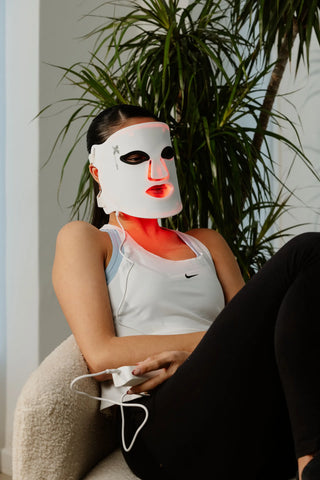
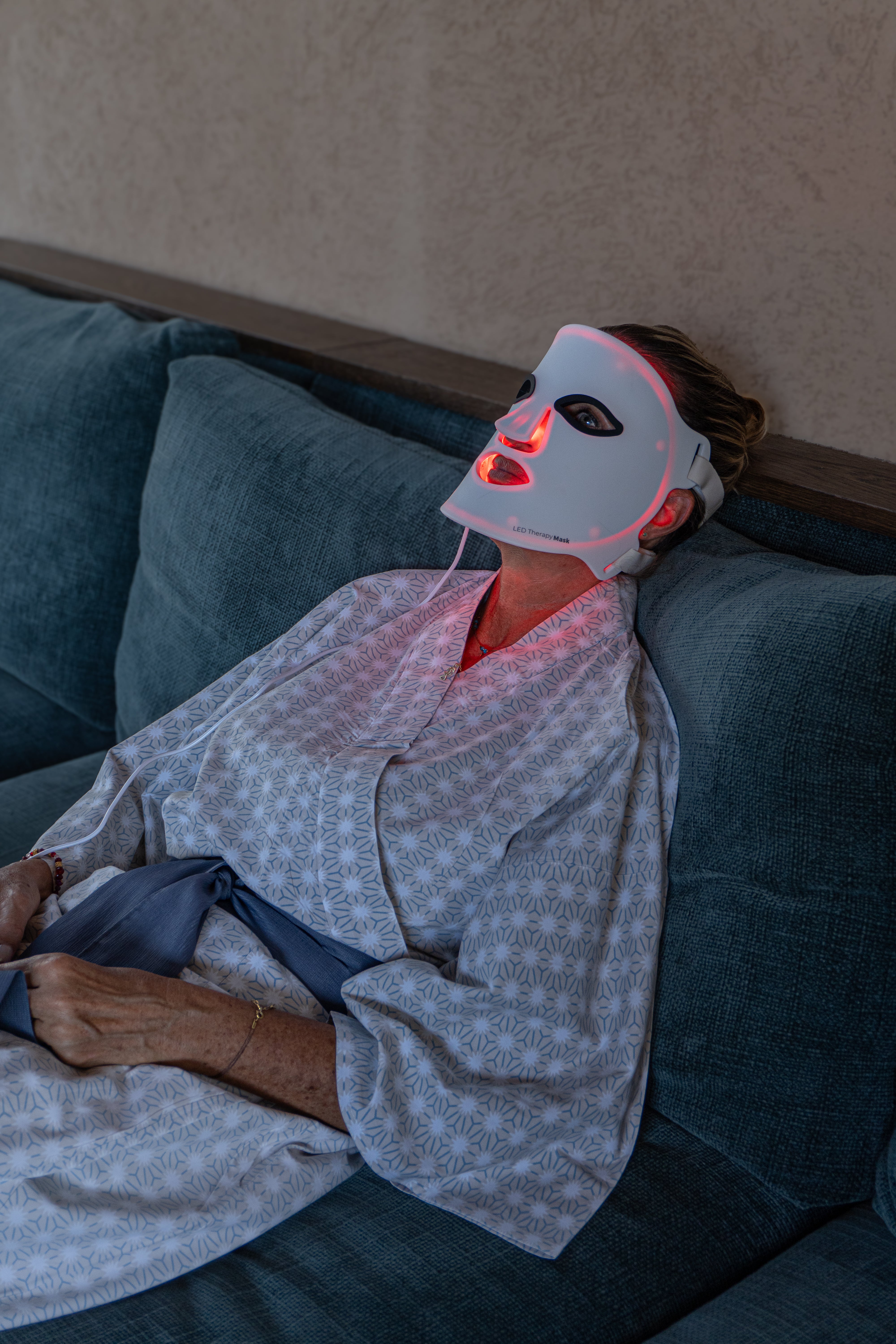
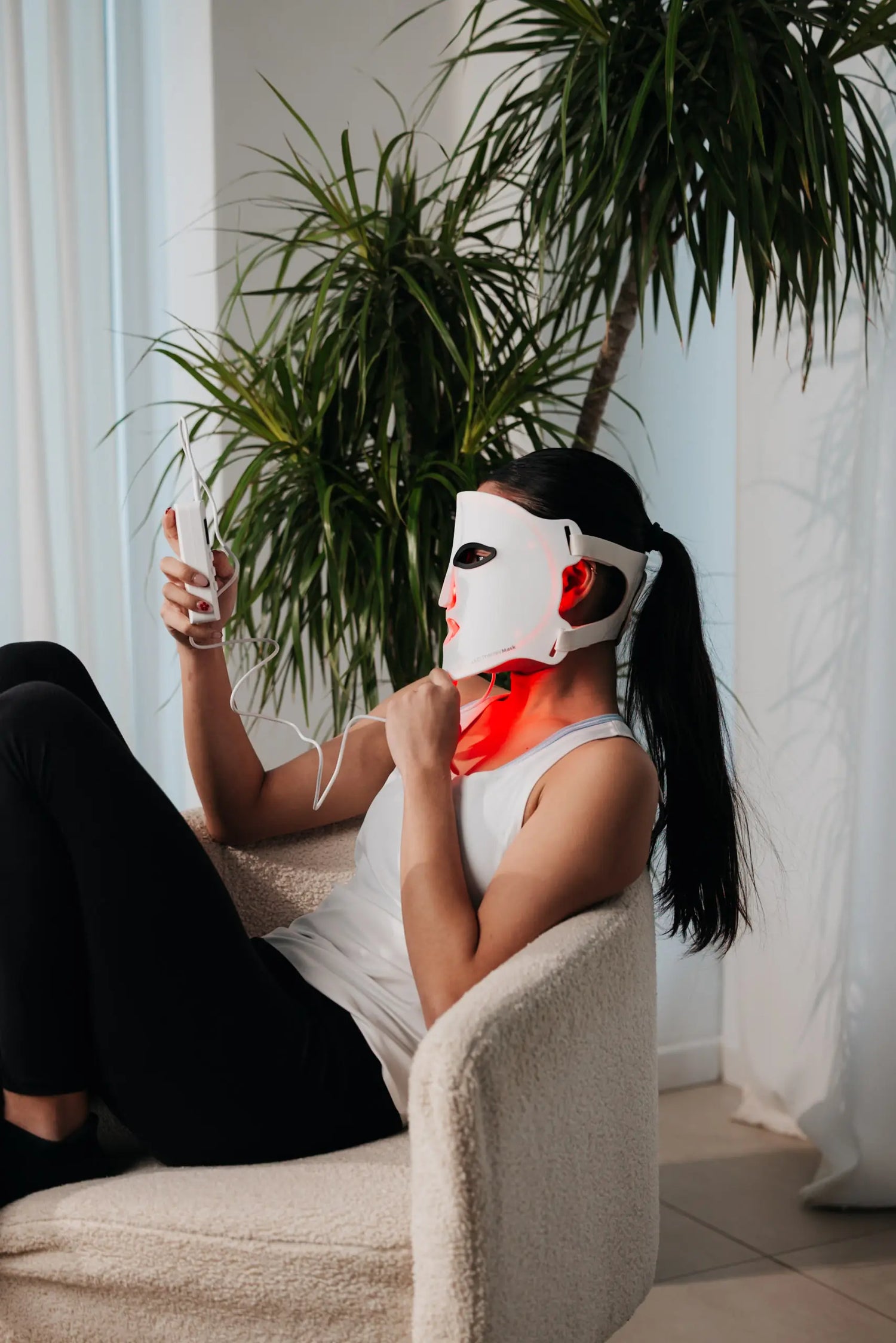
If you're interested in trying this approach at home, a KumoSkin Mask facial LED mask works best when it's part of a coherent routine. To understand the process in more detail, you can also review how a facial LED mask works and what results you can expect and the evidence and real results of the LED mask; if you prefer a broader view, the advanced home LED therapy section brings together other options.
Habits that make a visible difference
- Protect your face daily: the sun continues to accelerate visible aging, so SPF is non-negotiable if you're looking for more radiance in the medium term.
- Avoid tobacco: smoking contributes to wrinkles and worsens the overall appearance of the skin over time.
- Don't trust miracles: there are not enough controlled studies to confirm that oral collagen clearly improves postmenopausal skin.
- Reduce friction: gentle cleansers and fragrance-free products are usually better tolerated when skin is sensitive or dry.
- Use retinoids wisely: they can help with fine lines, but they require patience, hydration, and a regimen adapted to your tolerance.
Frequently Asked Questions about Skin in Menopause
What is the best cream for menopausal skin?
The best cream is usually one that repairs the barrier and doesn't irritate. Look for fragrance-free formulas with ceramides, hyaluronic acid, or glycerin, as they help retain water and improve comfort. If your skin is very dry, a cream usually hydrates more than a light lotion. In the morning, always add broad-spectrum SPF 30 or higher sunscreen; at night, consider a retinoid only if it suits your tolerance and a professional's guidance.
Does red LED light work for sagging skin?
It can help as a supplement, but it's not a miracle solution. The AAD notes that red light can produce subtle or visible results in fine lines, texture, and mild laxity, though the response varies depending on the device and usage time. In 2025, a trial with 60 people evaluated an LED/IRED mask for crow's feet with a double-blind, sham-controlled design, suggesting potential but not guaranteeing the same result in all cases. The most sensible approach is to use it consistently with realistic expectations.
How long does it take for skin to improve during menopause?
The feeling of tightness and dryness can improve in a few days or weeks if you adjust cleansing, moisturizing, and sunscreen. In contrast, visible changes in fine lines take longer: tretinoin may need 3 to 6 months to show improvement, and LED light also requires regularity because it doesn't work all at once. Collagen loss and sagging don't correct quickly, so it's advisable to look at progress in weeks and months, not days.
Do collagen supplements work?
For now, there aren't enough controlled studies to confirm that oral collagen clearly improves postmenopausal skin. That doesn't mean no one notices subjective changes, but it does mean the evidence remains limited. If your goal is to regain a more rested and radiant appearance, it usually makes more sense to start with sun protection, well-formulated hydration, and, if you tolerate it, a retinoid or LED light. Supplements can be an extra, not the basis of the strategy.
When should I consult a dermatologist?
It's advisable to seek evaluation if your skin irritates easily, itches, burns, flakes a lot, or if you notice a rapid change in texture and firmness. A dermatologist can help you differentiate simple dryness from other problems and decide if a retinoid, an in-office treatment, or a simpler routine is right for you. It's also a good idea if you're looking for a concrete plan to combine cosmetics, photoprotection, and technologies like LED light without improvising.
What now?
If you want to start with something simple and consistent, try a well-chosen basic routine and explore advanced home LED therapy or the KumoSkin Mask facial LED mask. And if you prefer to see the brand's full proposal, visit Kumo Balance's full proposal.

Red & infrared light
KumoLux Panel – Red and Infrared LED Panel
★★★★★ 4,8/5 · rated by verified customers
- 660 nm red + 850 nm infrared light
- Full-body muscle recovery
- Clinically validated biohacking protocols
€399,00€499,00· pay in installments with seQura or Klarna