
Skin changes, but it can also recover.
After childbirth, it's normal to notice more dryness, less radiance, visible dark spots, and a feeling of laxity in the abdomen, thighs, or chest. Cleveland Clinic states that the postpartum period usually lasts between six and eight weeks, although some changes and discomforts can persist for months, and the NHS reminds us that stretch marks usually fade gradually after pregnancy. (my.clevelandclinic.org)
Pressotherapy at home
End the day with light legs
★★★★★ 4,8/5 · rated by verified customers
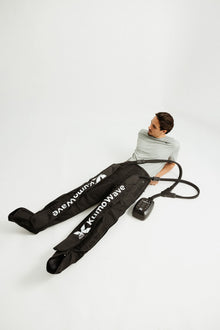
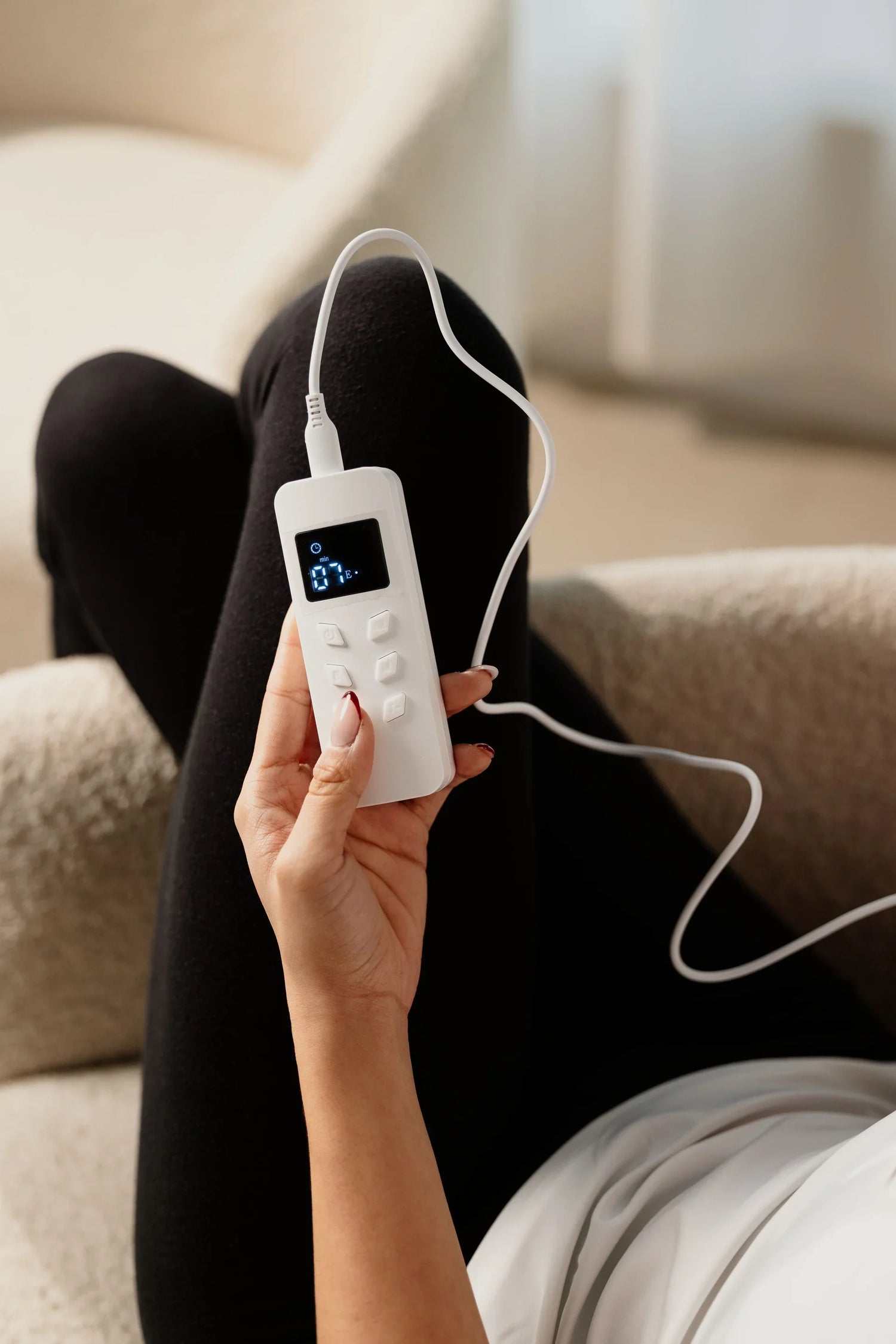
KumoWave pressotherapy boosts circulation and helps drain fluid with sequential compression, in 20-minute sessions at home.
- Boosts circulation and helps drain fluid
- Chamber-based compression, adjustable to you
- Sequential compression that mimics manual drainage
€799,00€999,00
−10% on your 1st order when you subscribe to the newsletter

There's no need to rush. The realistic goal is to support your body with a simple, consistent, and safe routine, because postpartum care is not a "one and done" visit: ACOG recommends contact with the obstetric team within the first three weeks and a comprehensive check-up no later than 12 weeks. (acog.org)
What happens to skin after pregnancy
During pregnancy and postpartum, skin can be affected by hormonal changes, tissue stretching, fluid retention, and lack of rest. The AAD describes that acne, melasma, hyperpigmentation, stretch marks, dry skin, sensitive skin, and more visible veins are common.
Personalized protocol · included with your purchase
Want us to tell you how to use it in your case?
With your purchase, our experts prepare a personalized usage protocol for your case: sport, circulation, fluid retention, pregnancy or lipedema.
Message us on WhatsAppOur experts reply · no obligation
- Less radiance and more tightness: Dry skin can feel rough, uncomfortable, or duller than usual.
- Stretch marks and abdominal laxity: Rapid tissue stretching leaves marks that usually fade over time, although they may not disappear completely. (nhs.uk)
- Dark spots or uneven tone: Melasma and hyperpigmentation can persist for a few weeks or months after pregnancy.
- Fluid retention: Swelling of the legs and feet is common in early postpartum and usually subsides in the first few days or weeks.
Daily routine to restore radiance to your skin
The most effective foundation is often the simplest. The AAD's dermatological guide for skin care during pregnancy and lactation recommends cleansing up to twice a day, moisturizing with a product adapted to your skin type, and using a broad-spectrum SPF 30 or higher sunscreen; if your skin is sensitive, physical filters like zinc oxide or titanium dioxide usually irritate less.
In the morning
- Cleanse gently: Use a mild cleanser and pat dry, without rubbing.
- Hydrate consistently: Choose a cream or lotion that feels comfortable and doesn't leave a heavy sensation.
- Protect from the sun every day: If you go outside or are exposed to bright windows, apply SPF 30 or higher and reapply if necessary.
In the evening
- Cleanse gently again: This removes sweat, sunscreen, and pollution without harming the skin barrier.
- Prioritize reparative hydration: For postpartum skin, less is more; a short routine is usually more sustainable.
- Introduce active ingredients calmly: If you want to treat dark spots or uneven tone, only do so when your skin is stable and with a professional's approval.
Suggested routine by phases
| Phase | Goal | What to do | Key tip |
|---|---|---|---|
| 0–2 weeks | Rest and repair | Gentle cleansing, hydration, and sun protection if you go out. | Avoid strong exfoliants and intense active ingredients while skin is reactive. |
| 2–6 weeks | Regain comfort and tone | Simple routine, short walks, and plenty of consistency. | The body is still changing and needs time to stabilize. |
| 6–12 weeks | Consolidate results | If you already feel better, consider progressing with habits and, if necessary, with professional help. | The complete postpartum check-up should not be delayed beyond 12 weeks. |
How to gain firmness without overexerting your body
Firmness doesn't just come back with creams. Movement, muscle, posture, and rest also play a role. ACOG states that exercise can be resumed gradually when childbirth and possible complications allow, and the NHS indicates that, after an uncomplicated birth, you can start with gentle walks, stretching, and pelvic floor exercises as soon as you feel ready. (acog.org)
If you want to delve into a more practical approach for the body, you can read at-home pressotherapy for postpartum recovery and lymphatic drainage during pregnancy: safety and care. These are two ways to better understand compression and drainage as wellness support, always with common sense and without rushing.
on your first order when you join the newsletter
We send you the code instantly. No spam.
- Start by walking: It's one of the safest ways to reactivate circulation and move again without impact. (acog.org)
- Activate your pelvic floor: Helps with overall torso recovery and the feeling of body control. (nhs.uk)
- Progress with strength, not ego: When your body allows, add strength gradually and functionally.
- Listen to your abdomen: If there is pain, intense tightness, or a feeling of instability, reduce the intensity.
Circulation, retention, and skin on legs
When there is swelling, the skin may look less smooth and the legs may feel heavier. A PubMed review summarizes that compression is a pillar of treatment for venous edema and lymphatic disorders, and Cleveland Clinic reminds us that postpartum swelling is usually part of the body's normal adjustment in the first few days. (pubmed.ncbi.nlm.nih.gov)
If you're interested in at-home support for feeling lighter, you can explore the KumoWave at-home pressotherapy collection. And if the change in texture is also noticeable on your thighs or buttocks, it might be helpful to review how to restore skin and smooth orange peel skin after pregnancy.
LED light as a complement for tone and texture
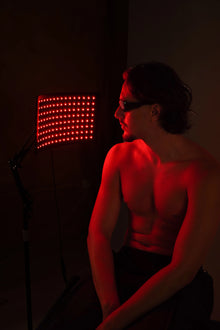
Photobiomodulation with red and infrared light has been studied for skin rejuvenation. A systematic review from 2023 found improvements in the overall appearance of the skin, and a controlled trial from 2023 observed a reduction in periocular wrinkle volume with red and amber light protocols. It is not a specific treatment for postpartum, but it can fit as a home complement when you are looking for a non-invasive and consistent routine. (pubmed.ncbi.nlm.nih.gov)
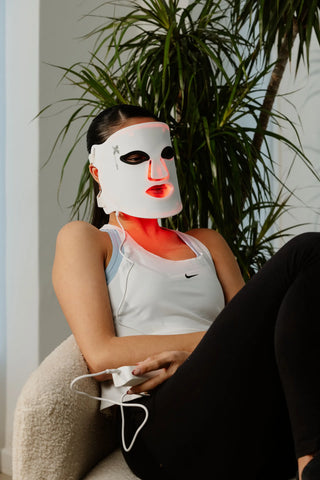
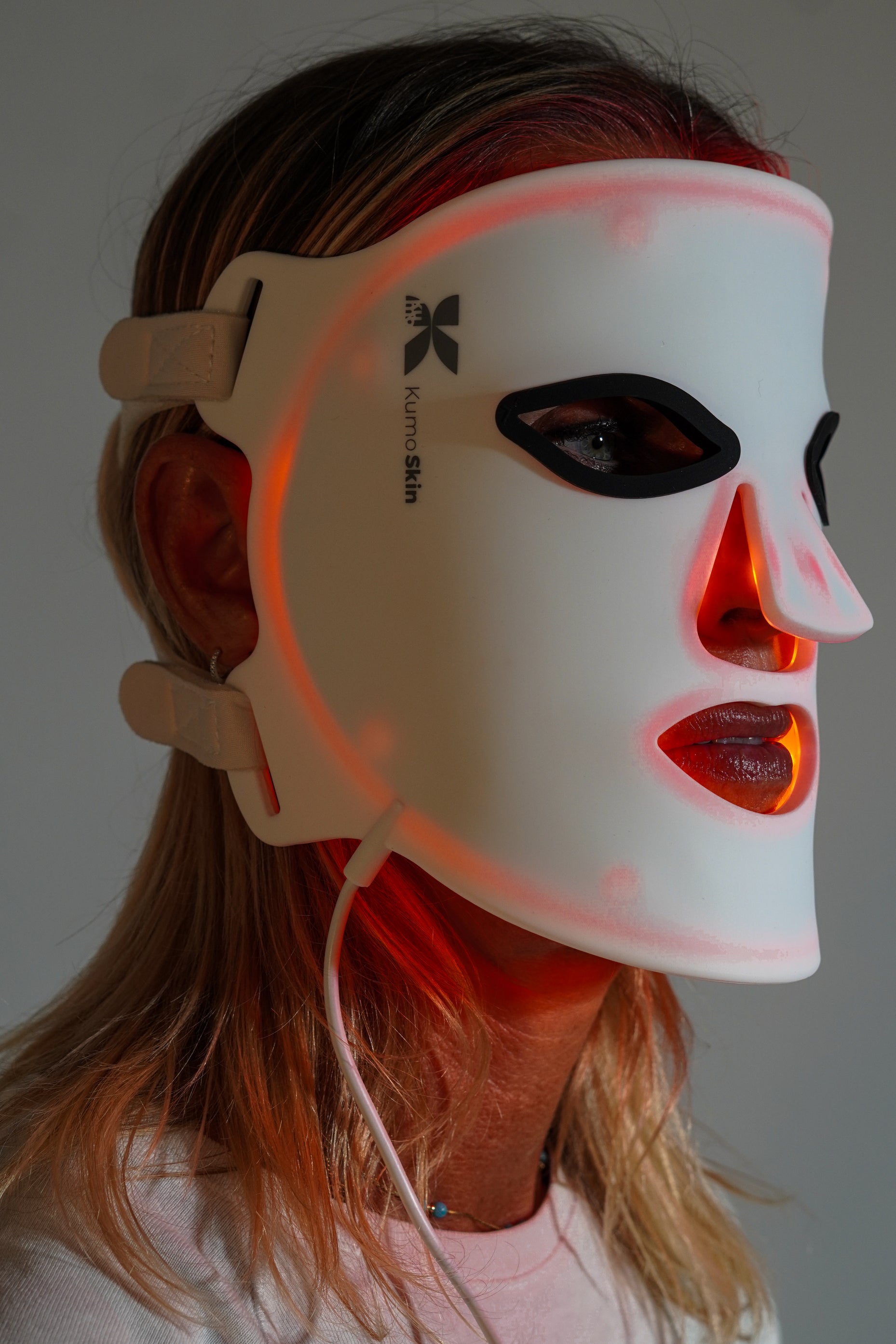
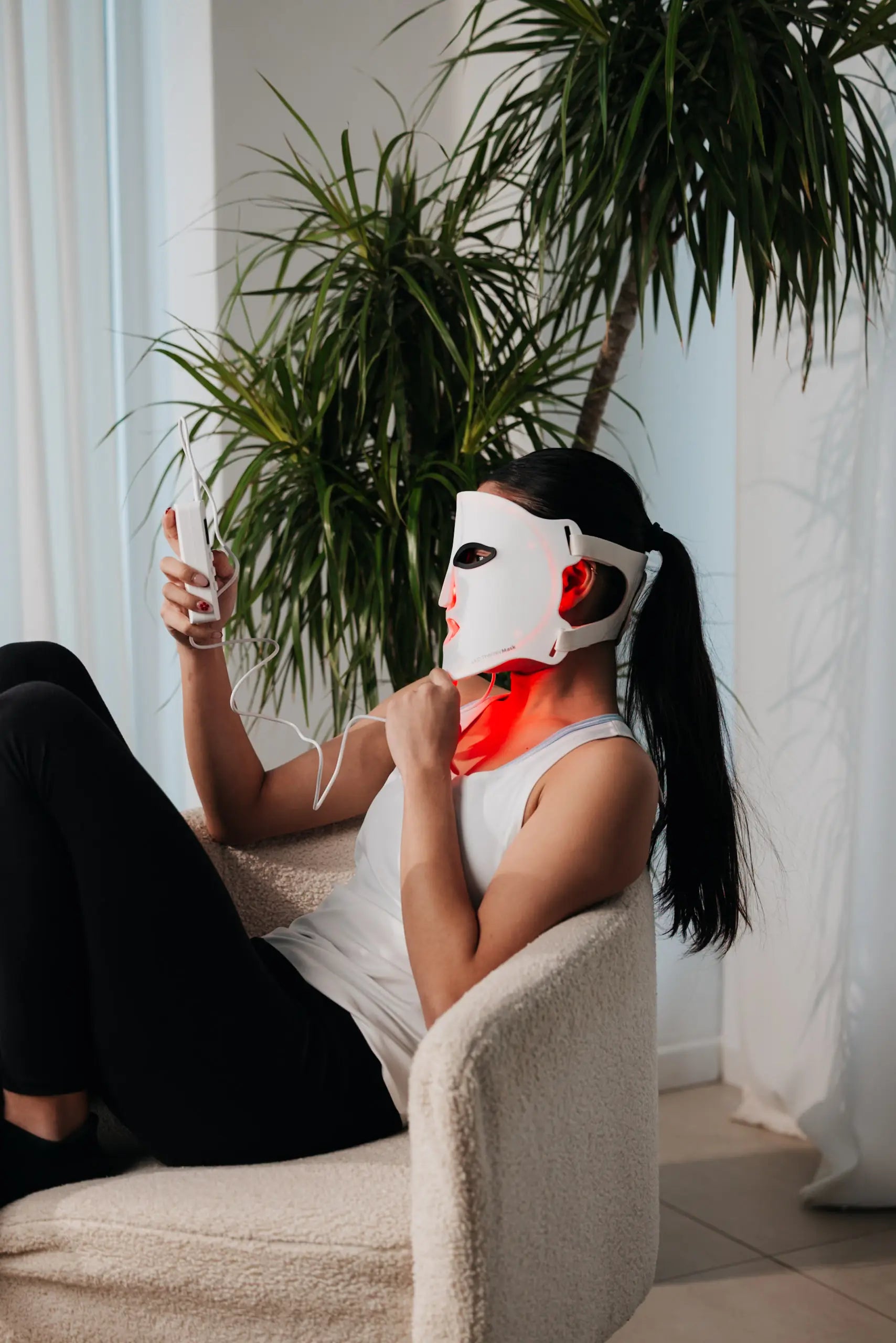
If you want to see how that translates at home, you have two options within the LED universe: KumoSkin Mask for facial care and KumoLux Panel as a red and infrared light panel for broader routines.
What to postpone if you are breastfeeding
When breastfeeding, caution with potent active ingredients is worthwhile. The AAD recommends avoiding retinoids and retinol products if you are breastfeeding, while DermNet notes that some topical retinoids appear to be low-risk but advises avoiding direct contact with the baby's skin and not applying them to the nipple or areola; therefore, the most conservative option is to delay them until after breastfeeding. DermNet summarizes dermatological options compatible with breastfeeding.
- Avoid oral isotretinoin: it is contraindicated during breastfeeding.
- Use salicylic acid with caution: it's best not to apply it without professional advice if your skin is sensitive or if you are going to breastfeed.
- Take care of the breast area: any product that could transfer to the baby should be applied with special caution.
- If you are looking for gentler options: DermNet considers azelaic acid and benzoyl peroxide to be low-risk for topical use.
When to seek professional help
If after the first few weeks the appearance of your skin is very concerning, don't wait for it to "just go away." ACOG recommends contact with the obstetric team within the first three weeks postpartum and a complete check-up no later than 12 weeks, precisely to address concerns about physical recovery, sleep, nutrition, and overall well-being.
It's also advisable to consult if you have intense itching, worsening spots, inflammatory acne, persistent edema, or abdominal laxity that limits you. In some cases, a dermatologist or a pelvic floor physical therapist can adjust the strategy much better than any general routine.
Frequently asked questions
How to restore skin radiance after pregnancy and postpartum?
Start with the basics: gentle cleansing, consistent hydration, and daily sunscreen. If skin looks dull from fatigue or dehydration, a simple routine usually works better than many active ingredients at once. Getting as much sleep as possible, drinking water, eating enough protein, and maintaining consistent sun protection help even out skin tone. If there are also dark spots, acne, or sensitivity, a dermatologist can adjust the treatment depending on whether or not you are breastfeeding.
What daily habits and care can help restore firmness to abdominal skin after childbirth?
Firmness improves with time, movement, and consistency. Walking, activating the pelvic floor, and gradually returning to exercise are helpful steps when the body allows. Eating enough protein, maintaining reasonable hydration, and avoiding the rush to "get your pre-pregnancy body back" in a few weeks also help. If you notice pain, abdominal separation, or discomfort when moving, it's best to slow down and seek professional evaluation.
What treatments are safe for postpartum skin during breastfeeding and what should be avoided?
During breastfeeding, simple routines and non-irritating products are usually preferred. DermNet considers options such as azelaic acid and benzoyl peroxide for topical use to be compatible or low-risk, but advises against any product touching the baby. In contrast, the AAD recommends avoiding retinoids and retinol while breastfeeding, and oral isotretinoin should not be used. If you have doubts about a specific active ingredient, it is most prudent to check with your doctor or dermatologist.
How long does it usually take for skin to regain its radiance after pregnancy and childbirth?
There is no single timeframe. Cleveland Clinic notes that the postpartum period usually lasts between six and eight weeks, but some changes can last for months, and the NHS explains that stretch marks usually fade over time without disappearing completely. In practice, many women notice gradual improvement between the first few weeks and the first few months, especially if they sleep better, hydrate their skin, and gradually resume movement.
Is skin laxity after childbirth permanent and what exercises or therapies can help?
It's not always permanent, but it's also not advisable to promise a quick "full recovery." Part of the laxity improves as swelling goes down, tissue reorganizes, and muscle tone recovers. Walking, progressive strength training, pelvic floor exercises, and, in some cases, physiotherapy support or photobiomodulation routines can help. If you also notice diastasis, pain, or slow recovery, a personalized evaluation is usually much more helpful than insisting on intense exercises too early.
What now?
If you want to turn all this into a realistic routine, start on the Kumo Balance homepage and choose the starting point that best suits your postpartum, such as at-home pressotherapy. The key is to move forward little by little, with consistency and without pushing yourself too hard.
KumoWave pressotherapy
Choose your at-home pressotherapy
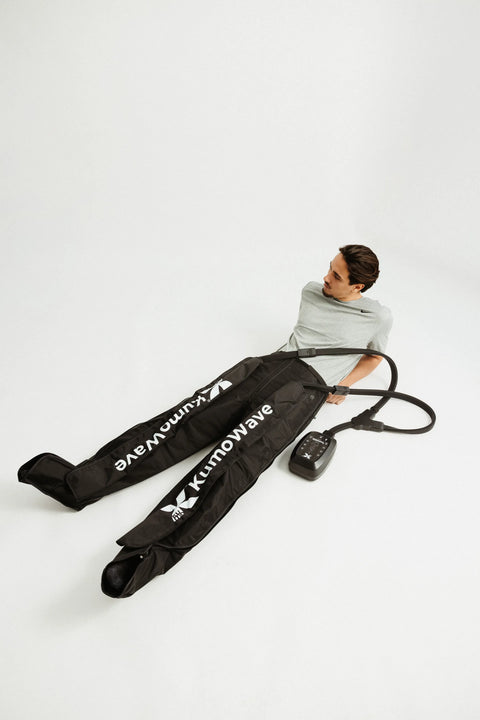
KumoWave Elite – Pressotherapy Pants
Full-coverage trousers. Ideal for lipedema, fluid retention and intensive use.
€799,00 €999,00
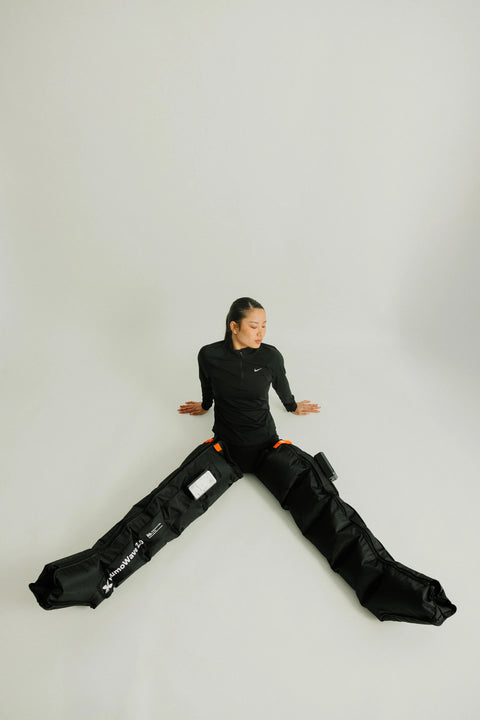
KumoWave 2.0 - Wireless Pressotherapy
Wireless, lightweight boots. Perfect for daily use and recovery.
€499,00 €599,00