
Shin splints derail more running careers than one might think. When pain appears on the inner part of the shin, the priority is not to "push through it" but to reduce the load, calm the irritation, and return to running with smart progression. (ncbi.nlm.nih.gov)
In medicine, the condition is often called medial tibial stress syndrome (MTSS). A 2024 review gathered 37 articles on epidemiology, biomechanics, and risk, reinforcing a key idea: it is a multifactorial injury, not a simple "bad technique" problem. (pmc.ncbi.nlm.nih.gov)
Red & infrared light
Recover faster, at home
★★★★★ 4,8/5 · rated by verified customers
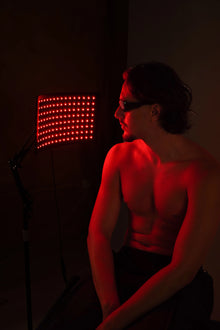
The KumoLux panel supports muscle recovery with full-body red and infrared light.
- 660 nm red + 850 nm infrared light
- Full-body muscle recovery
- Clinically validated biohacking protocols
€399,00€499,00
−10% on your 1st order when you subscribe to the newsletter

What it is exactly and why it hurts
MTSS is an overuse injury that occurs with repeated impact from running, causing microtrauma to the muscles and tendons of the leg, as well as irritation of the periosteum of the tibia. This is why it often causes pain along the inner edge of the shin, tenderness to the touch, and, in some cases, slight swelling.
In runners, it usually flares up after abrupt changes in frequency, duration, or intensity, especially if hills, hard surfaces, or accumulated fatigue are added. Evidence of pronation exists, but it does not explain all cases; therefore, foot and hip biomechanics and load tolerance should be individually assessed.
Personalized protocol · included with your purchase
Want us to tell you how to use it in your case?
With your purchase, our experts set up your red and infrared light sessions for your sport and goal.
Message us on WhatsAppOur experts reply · no obligation
If you are organizing a deload after several demanding workouts, the runner's recovery logic after a long run fits very well as a practical reference to avoid adding impact too soon.
How to relieve shin pain in the first few days
The Mayo Clinic's diagnosis and treatment guide recommends stopping activities that cause pain, maintaining movement with low-impact exercise if it does not bother you, and applying ice for 15 to 20 minutes several times a day. MedlinePlus adds that many people need between 2 and 4 weeks of relative rest before returning to normal loading.
- Reduce mileage immediately if pain appears during your run or worsens with each stride.
- Substitute running with cycling, swimming, or elliptical if these movements do not reproduce symptoms.
- Wear supportive footwear and avoid, at least initially, hills, very hard surfaces, and sudden changes in volume. (medlineplus.gov)
- Do not return to previous volume until you can walk without pain and notice a clear improvement when palpating the area.
- If the pain does not improve with rest and ice, seek evaluation to rule out another cause, such as a stress fracture.
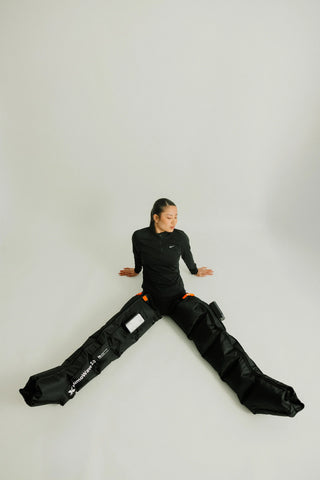
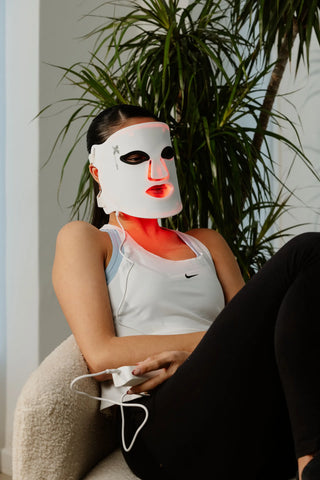
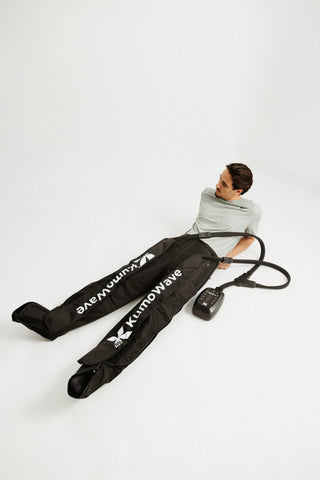
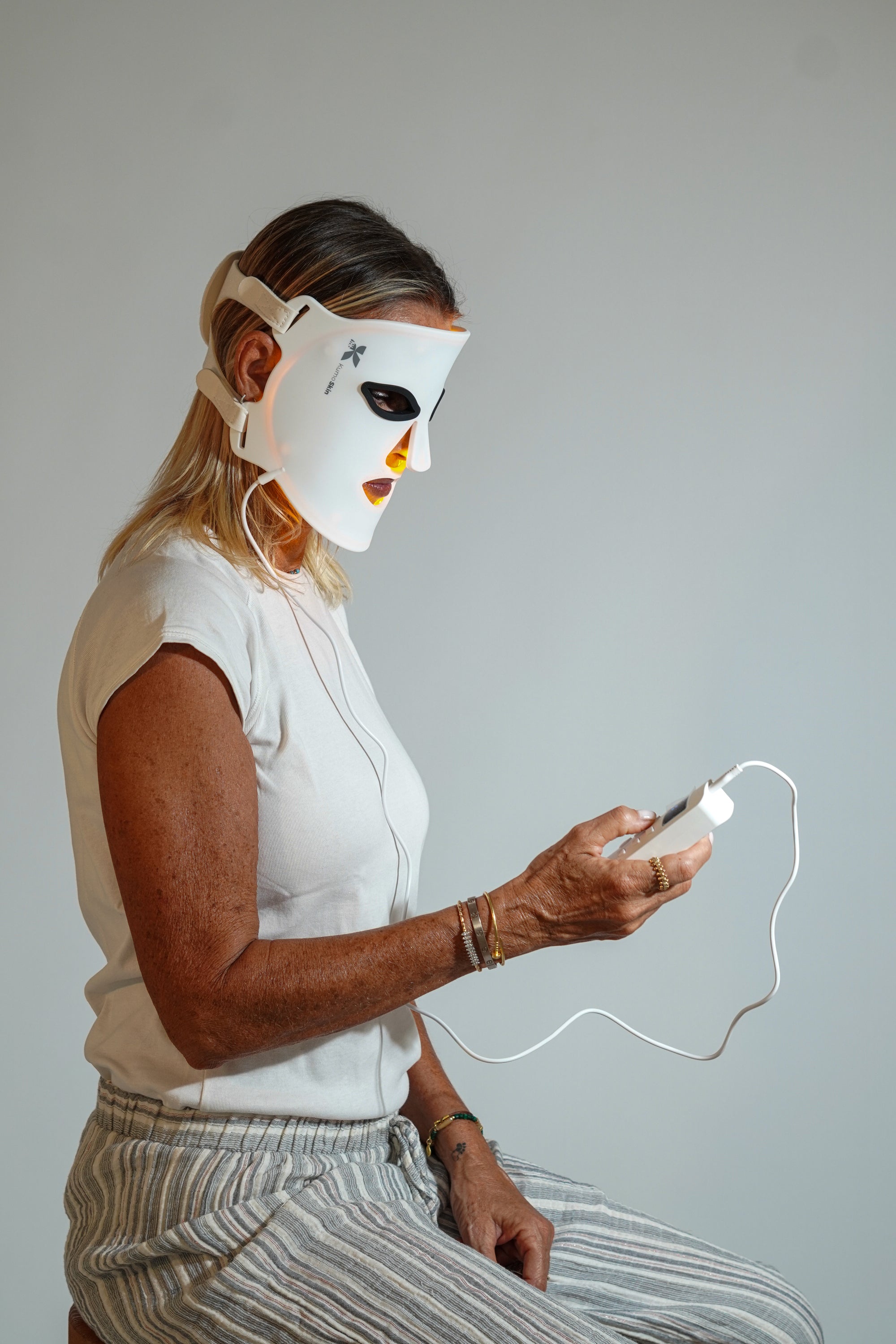
If you want to structure the deload phase at home, a guide like how to create a home recovery routine with pressotherapy, red light, and percussion massage can serve as a framework to avoid improvisation.
on your first order when you join the newsletter
We send you the code instantly. No spam.
How to differentiate shin splints from a stress fracture
Not all shin pain is MTSS. The AAOS reminds us that if the problem does not respond to rest or the pain becomes very localized, a stress fracture or other causes of tibial pain should be ruled out.
Helpful signs to guide you before returning to running
| Sign | What it usually suggests | What to do at first | When to consult |
|---|---|---|---|
| Diffuse pain on the inner edge of the tibia, appearing during or after exercise. | More consistent with shin splints / MTSS. | Reduce load, use ice, and switch to low-impact if it doesn't hurt. | If it doesn't improve in a few days or returns as soon as you resume running. |
| Very specific pain, as if you could point to a single spot with your finger. | Suggests a stress fracture more. | Stop running and avoid impact tests. | Consult for clinical evaluation and imaging if it persists. |
| Marked swelling, warmth, or redness. | May indicate a more reactive injury or a different condition. | Prioritize relative rest and do not force training. | Consult as soon as possible, especially if the pain increases or changes pattern. (mayoclinic.org) |
| Pain that appears even when walking or that does not subside with rest. | This is an alarm signal. | Do not resume running on your own. | Medical evaluation is needed to confirm the diagnosis. |
What exercises and adjustments help prevent relapses
Here it is advisable to combine mobility, strength, and gradual reintroduction of load. A 2013 systematic review did not find strong evidence that stretching or strengthening, on their own, resolve MTSS, but modern clinical protocols do use them within a complete progression. The key is not "doing more" but loading better. (pubmed.ncbi.nlm.nih.gov)
- Work on heel raises, balance, and foot and ankle strengthening in unilateral support. (sanfordhealth-qa-cd.sanfordhealth.org)
- Add hip strength with squats, lunges, step-ups, and lateral band walks.
- Include calf and ankle mobility to improve impact tolerance without stressing the tibia.
- Introduce gentle plyometrics only when walking, jumping, and standing on one leg are pain-free activities.
How you run also matters. Recent clinical protocols advise increasing cadence, slightly widening the support base, and using a slight forward trunk lean to reduce impact. Meanwhile, it is advisable to avoid hills, uneven terrain, and very firm surfaces. (sanfordhealth.org)
Regarding footwear, the AAOS on shin splints and MedlinePlus recommend appropriate shoes and, in some cases, insoles or orthotics. The evidence on pronation is mixed, so adjustment should be individualized: sometimes a change of model helps, other times a gait assessment or a well-indicated insole.
When the discomfort is already under control and you are just looking to organize the return phase, a guide like how to combine pressotherapy and stretching to accelerate recovery after training can serve as a complementary structure.
How to return to running without relapses
The return should begin when you can walk without pain and tolerate low load, not when "it bothers less." StatPearls and MedlinePlus agree on a progressive return: first low-impact activity, then walk-run, and later, gradual increase in speed, intensity, and distance. (ncbi.nlm.nih.gov)
- Walk without pain for several days before reintroducing impact.
- Start with short blocks of walking and running, and save the next jump for when there's no rebound pain the next day. (pmc.ncbi.nlm.nih.gov)
- Increase only one variable at a time: either time, or intensity, or distance.
- If pain reappears, return to the previous phase instead of "pushing a little harder."
- Before transitioning to continuous running, ensure you can tolerate unilateral work and intervals without pain.
As a practical guide, many clinicians cite the 10% rule for bone stress injuries, but it is not a universal law: it serves as a prudent reference, not as permission to ignore the body's signals.
When you start logging miles again, you can rely on a deloading strategy like pressotherapy for runners after training to ensure your recovery has a plan and isn't left to improvisation.
FAQ about shin splints in runners
What are shin splints and why do they hurt in runners?
It is an overuse condition in the tibia that irritates the periosteum and the tissues surrounding the bone. In runners, it usually appears after increasing volume, intensity, or hill work too quickly. The pain is located on the inner edge of the shin and may be accompanied by tenderness to the touch or slight swelling. If the pattern persists, the tissue does not adapt to repeated impact.
How to relieve shin pain during running and speed up recovery from shin splints?
If pain appears during your run, it is most sensible to stop the session and not "finish out of pride." Then, reduce the load, use ice, temporarily switch to low-impact activities, and only return when walking is pain-free. Mayo Clinic and MedlinePlus insist on not returning to the same intensity level too soon. If the pain recurs with every outing, the training plan needs to be reviewed.
What strengthening and stretching exercises help prevent shin splints in athletes?
The most useful approach is usually a combination of calf strength, foot and ankle work, hip stability, and unilateral exercises. Gentle stretching can be part of the plan, but it shouldn't be the only strategy. Modern rehabilitation protocols add squats, lunges, heel raises, balance, and load progression so that the tibia can better tolerate impact.
What are the warning signs of shin splints that require medical attention?
Seek help if the pain is very focal, appears at rest, worsens at night, prevents you from walking normally, or is accompanied by significant swelling, redness, or warmth. It is also advisable to consult if it does not improve with rest and ice or if it returns immediately upon resuming activity. These patterns suggest a stress fracture or another problem distinct from simple overuse.
What changes in stride, footwear, and insoles can help you recover faster?
A slightly higher cadence, a slightly wider base of support, and a slight forward lean can reduce some of the stress on the tibia. In parallel, choose appropriate shoes and consider insoles if the foot pattern warrants it. However, pronation doesn't explain all cases, so the change should be individualized and not done blindly. If in doubt, a gait assessment and weekly load assessment usually provide more information than changing shoes by intuition.
What now?
If you want to return to training with less risk of relapse, start by organizing your deload, controlling the pain, and reintroducing impact with patience. To continue with a well-structured recovery, you can review the athlete's complete recovery routine, explore the order of use of pressotherapy and massage gun, and return to the Kumo Balance homepage whenever you want to see the general recovery approach.

Red & infrared light
KumoLux Panel – Red and Infrared LED Panel
★★★★★ 4,8/5 · rated by verified customers
- 660 nm red + 850 nm infrared light
- Full-body muscle recovery
- Clinically validated biohacking protocols
€399,00€499,00· pay in installments with seQura or Klarna