

LED masks can help with teenage acne. Acne affects 85% of teenagers, and visible light is mainly used for inflammatory pimples, not all types of lesions. (aad.org)
That doesn't make it a magic solution. Its real value lies in using it correctly: choosing an appropriate device, respecting the duration, protecting the eyes, and avoiding it if there is photosensitivity or certain medications. LED therapy does not use UV light and is generally well-tolerated in the short term, although its long-term safety is still being studied.
Facial red light
Bring your skin back to life
★★★★★ 4,8/5 · rated by verified customers
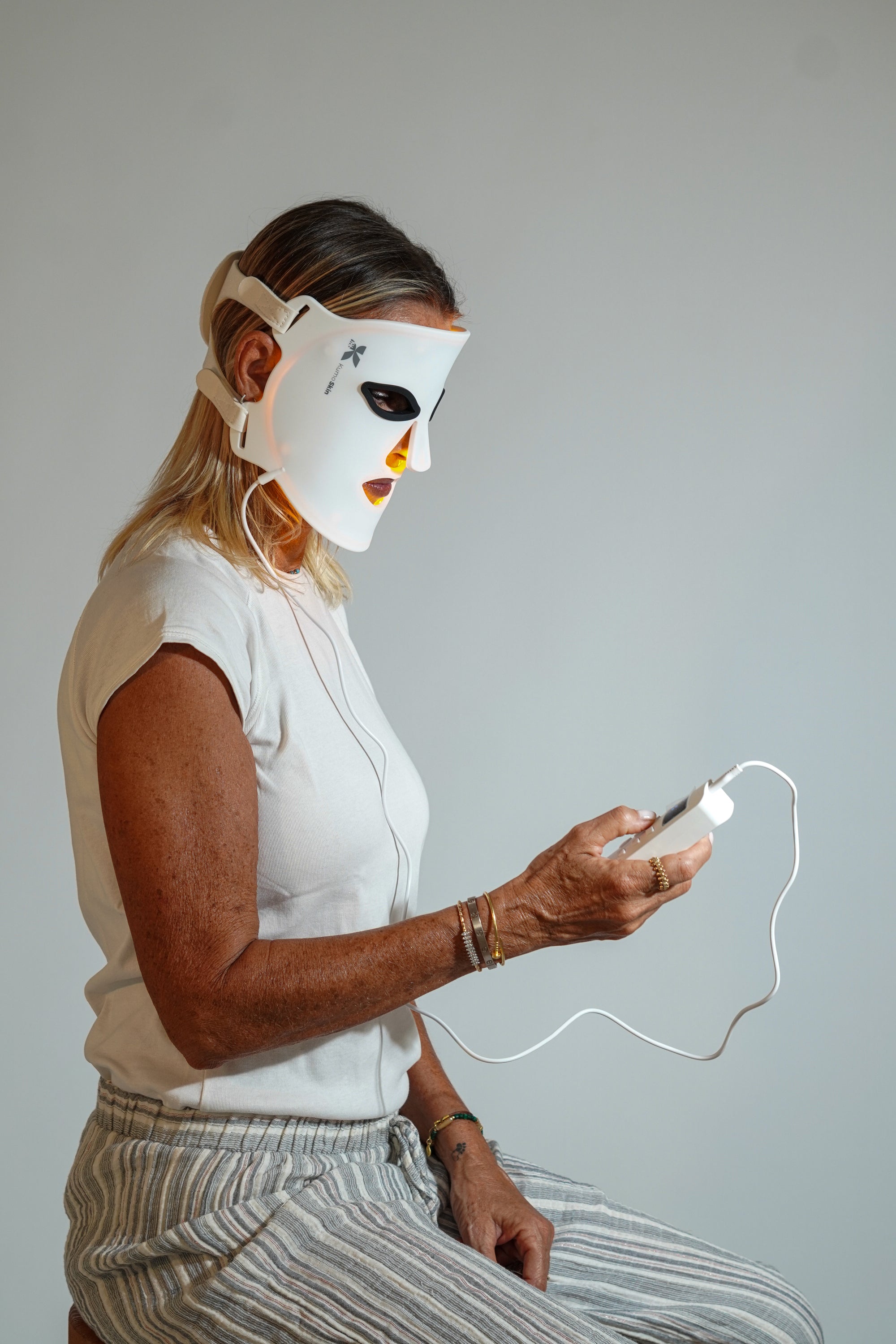
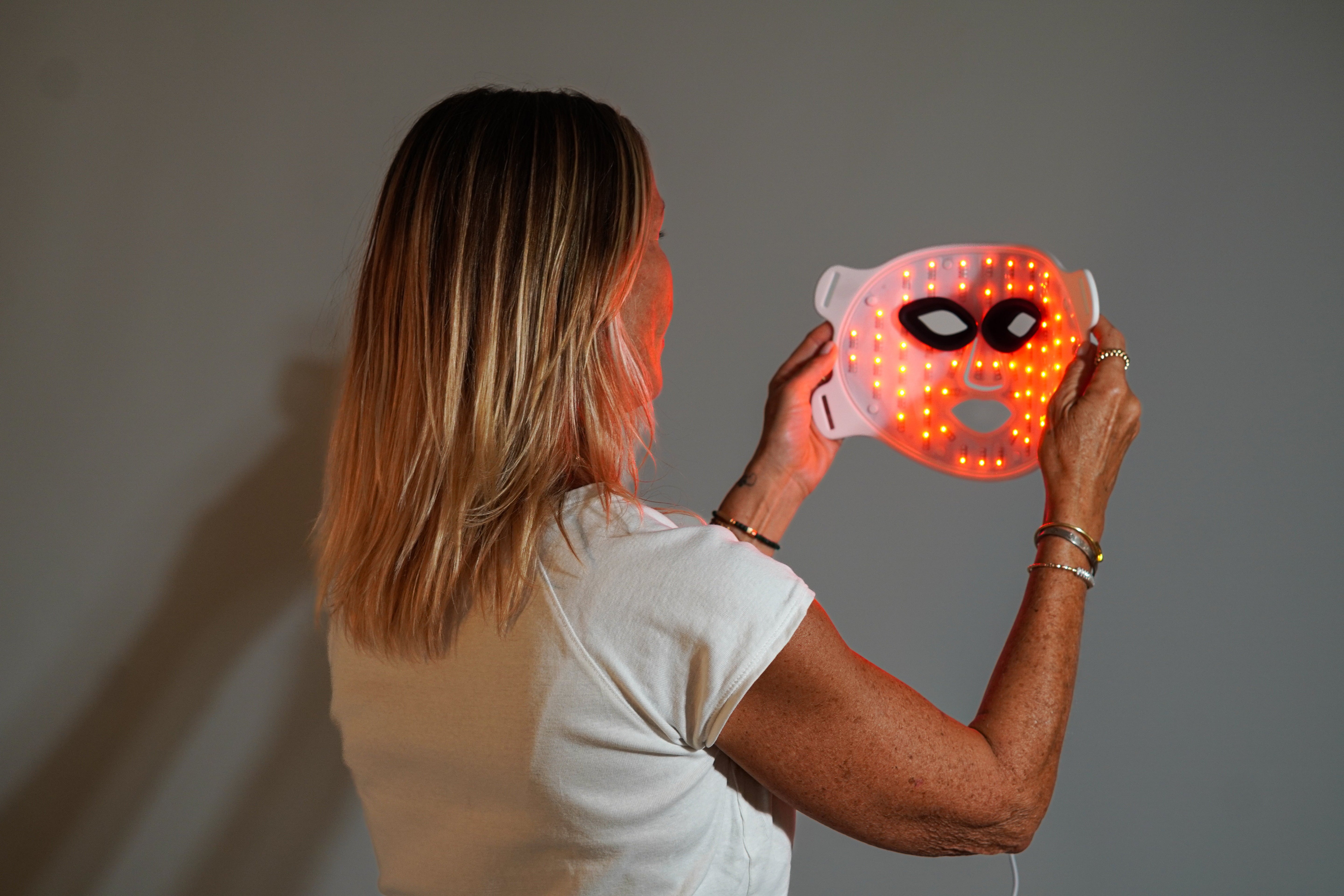
The KumoSkin LED mask helps repair and calm your skin in short sessions at home.
- 250 LEDs in flexible medical silicone
- Red light to boost collagen and glow
- 4 lights: red, infrared, blue and yellow
€299,00€429,00
−10% on your 1st order when you subscribe to the newsletter

How an LED mask works for teenage acne
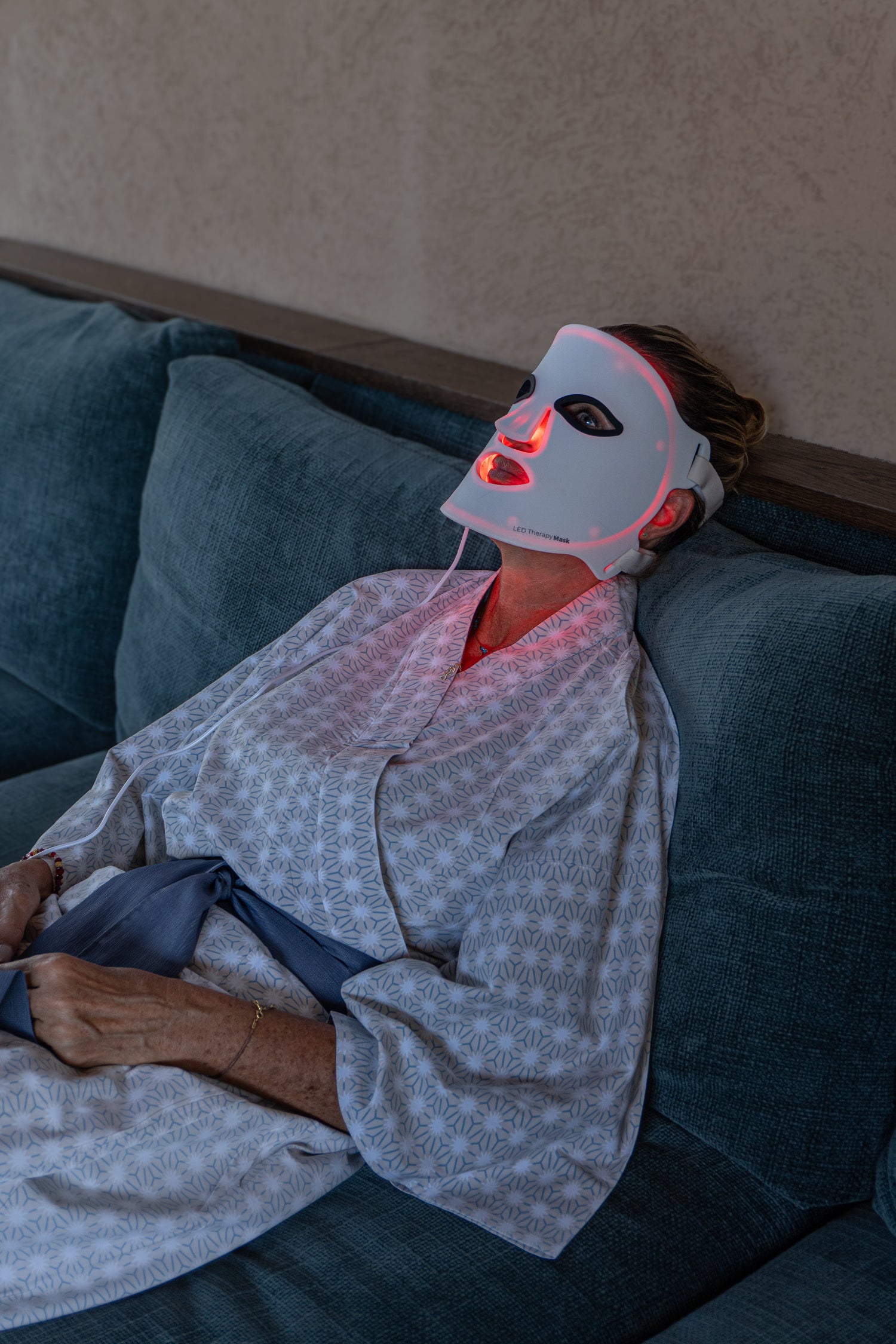
If you want the technical basis, the clearest explanation is in what a facial LED mask is and how it works: visible light is applied to the skin to support the management of inflammatory lesions. The AAD presents it as a support within a treatment plan, not as a substitute for a dermatological routine. (aad.org)
The AAD guide on lights and acne also reminds us that visible light devices can help with pimples, but not with blackheads, whiteheads, cysts, or nodules. It also emphasizes that home models are usually less powerful than those used in clinics.
Personalized protocol · included with your purchase
Want us to tell you how to use it in your case?
With your purchase, our experts prepare the ideal LED protocol for your skin type and goal (acne, wrinkles, dark spots...).
Message us on WhatsAppOur experts reply · no obligation
Quick table: what each type of light offers
| Light Type | Potential Usefulness | What you should know |
|---|---|---|
| Blue light | May help with inflammatory acne. A systematic review from 2021 found improvements, although it called for more detailed studies. (pubmed.ncbi.nlm.nih.gov) | Use it only as directed on the label and do not expect it to erase comedones, cysts, or nodules. |
| Red light | Often works as complementary therapy within a broader plan. The AAD describes it as support, not as a sole treatment. (aad.org) | It can be useful, but results are variable and evidence is still being refined. |
| Blue + Red light | Blue, red, or combined visible light devices can treat pimples, especially inflammatory ones. | The protocol highly depends on the model: some devices are used for a few minutes a day, and others for 30 to 60 minutes, twice a day, for 4 to 5 weeks. |
| General rule | Light therapy is promising, but results vary greatly between studies and devices. (pubmed.ncbi.nlm.nih.gov) | The label and consistency matter more than the color alone. |
Is it safe for teenagers?
Cleveland Clinic's recommendation on LED therapy considers it a relatively safe option, without UV light, but advises using glasses or eye protectors and consulting beforehand if there are photosensitizing drugs, such as isotretinoin or lithium. Furthermore, the indication is not identical across all models: FDA documentation includes OTC masks for mild to moderate acne and also devices with use limited to adults, so age must always be verified on the label.
For a teenager, the right question is not just whether the light "works," but whether that specific model, with that age range and that regimen, fits their skin and the treatment they are already receiving.
Before trying it, it's worth reviewing the contraindications of the LED facial mask. Cleveland Clinic also advises caution if there is a history of hereditary eye disease or skin cancer, and the AAD reminds us that light therapy plans should be tailored to each person.
on your first order when you join the newsletter
We send you the code instantly. No spam.
- Consult beforehand if taking isotretinoin, lithium, or other medication that increases light sensitivity.
- Avoid improvisation if there is a history of eye disease or skin cancer.
- Discontinue use if increased redness, pain, rash, or inflammation occurs.
- If acne leaves marks or significantly affects mood, do not delay dermatological evaluation. The AAD associates acne with scarring and emotional impact.
How to use it safely step-by-step
The best guide is always the manufacturer's label, but there is a common basis that helps reduce errors. If you want a more complete visual reference, the step-by-step routine with a facial LED mask fits well with what dermatologists recommend for home use.
- Read the device's indication and confirm that it is intended for the face, for your type of acne, and for the age of use you are looking for. Do not assume that all masks are suitable for teenagers. (accessdata.fda.gov)
- Wash your face and remove makeup or residue before putting on the mask. Cleveland Clinic recommends a clean, makeup-free face.
- Start with the shortest session and the lowest frequency allowed by the manufacturer. There are protocols for minutes a day and others much longer, so copying the time from another model is not a good idea.
- Use eye protection or the goggles indicated by the device. Do not look directly at the LEDs.
- Use it as a complement to a gentle and consistent routine, not as a total replacement for treatment. If your skin is oily, the protocol for oily skin and enlarged pores can help you better integrate the session.
- After the session, monitor the skin's response and avoid direct sun for several days if indicated by the device or your dermatologist.
What realistic results to expect
If you are looking for realistic expectations, the key is this: the evidence exists, but it is not miraculous. The evidence and real results on the LED facial mask summarize the situation well: a systematic review from 2021 on blue light found improvements in inflammatory acne, although it called for more robust studies, and a 2024 review on energy-based devices concluded that light therapy is promising but variable, with a high risk of bias in several studies.
Therefore, for a teenager with mild to moderate acne, it usually works better as support than as a sole solution. Light can add value, but acne control still depends on a consistent routine, the type of lesion, and, when necessary, a complete dermatological plan.
FAQ about LED facial masks for teenagers with acne
Is an LED mask safe for teenagers with acne, and what precautions should they take?
In general, yes, it can be a safe option if the device is correctly indicated, used with eye protection, and instructions are followed. LED therapy does not use UV light, and Cleveland Clinic considers it relatively safe in the short term. However, not all masks are suitable for all ages or skin types, and some people should not use them if they are taking photosensitizing drugs or have eye problems.
What LED light colors are most effective for treating acne in teenagers, and for how long should they be used?
Blue light and the blue + red combination are most often cited for inflammatory pimples, while red light usually acts as support within a broader plan. There is no single duration: the AAD explains that some devices are used twice a day and others for a few minutes daily, and that several protocols last between 4 and 5 weeks. The practical rule is to always follow the specific model you have.
How long and how many days a week is it recommended to use an LED mask for mild acne in teenagers?
There is no universal guideline. At home, some models are designed for a few minutes a day, while others require longer and repeated sessions over several weeks. Therefore, it is not advisable to copy someone else's routine or mix protocols from different devices. If the acne is mild, the most sensible approach is to start with the minimum frequency allowed by the manufacturer and assess the skin's tolerance before increasing use.
Can an LED mask worsen acne if a teenager's skin is sensitive, and how can this be prevented?
Yes, it can worsen it if the skin reacts with irritation or if the device is not suitable. Cleveland Clinic points out possible effects such as inflammation, rash, redness, and pain. To prevent this, it is advisable to use the shortest regimen initially, follow the label, wear eye protection, and discontinue use if discomfort occurs. If the skin is very reactive or acne is accompanied by marked sensitivity, it is best to seek dermatological advice before persisting.
What safety warnings should a teenager follow before using an LED mask for acne?
First, check that the model is designed for their age range and for the type of lesion they want to treat. Then, check if they are taking isotretinoin, lithium, or other medications that increase light sensitivity, and confirm that there are no relevant eye problems. They should also use the mask on a clean face, with eye protection, and without improvising times. Regulatory documentation shows that indications can vary greatly between devices.
What's next?
If you want to delve deeper, start with the Kumo Balance homepage and review KumoSkin Mask as an example of a home-use format; then, return to the step-by-step routine with a facial LED mask to integrate it calmly and without irritating the skin.

Facial red light
KumoSkin Mask – LED Facial Mask
★★★★★ 4,8/5 · rated by verified customers
- 250 LEDs in flexible medical silicone
- Red light to boost collagen and glow
- 4 lights: red, infrared, blue and yellow
€299,00€429,00· pay in installments with seQura or Klarna