
Hands and décolletage age quickly. These areas are exposed, receive sun for years, and often show spots, fine wrinkles, and loss of uniformity earlier than other less affected areas.
The good news is you don't need a complex routine to start seeing changes. With consistent photoprotection, adequate hydration, and well-chosen active ingredients, it's possible to improve texture and slow down some of the photoaging that accumulates over time.
Red & infrared light
Recover faster, at home
★★★★★ 4,8/5 · rated by verified customers
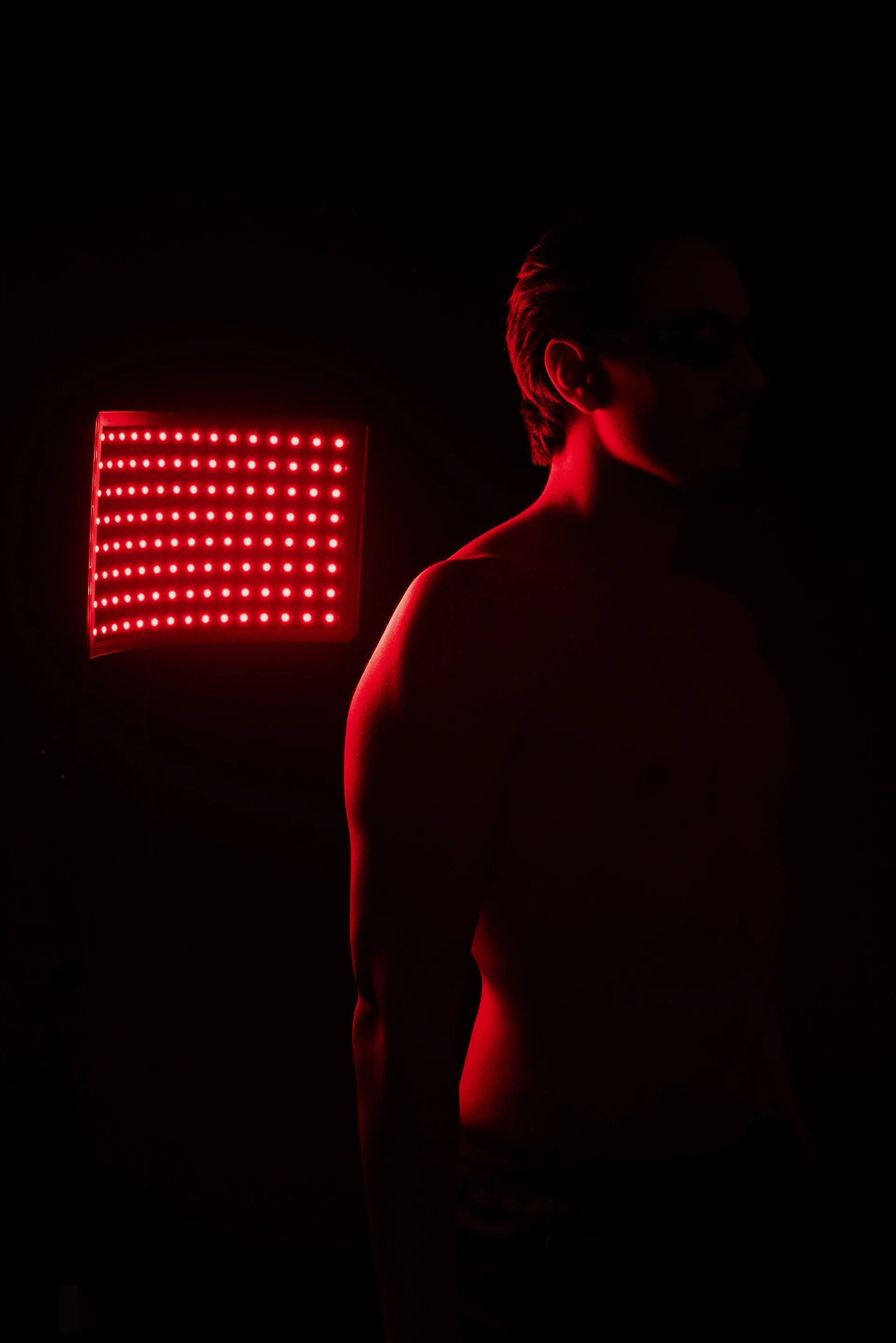
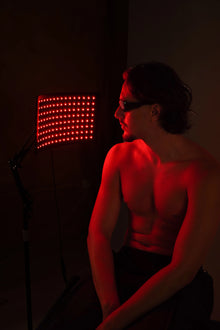
The KumoLux panel supports muscle recovery with full-body red and infrared light.
- 660 nm red + 850 nm infrared light
- Full-body muscle recovery
- Clinically validated biohacking protocols
€399,00€499,00
−10% on your 1st order when you subscribe to the newsletter

Why Hands and Décolletage Reveal Age Sooner
The main cause is ultraviolet radiation. When skin is repeatedly exposed to UV, damage accumulates, and visible changes such as wrinkles, spots, laxer skin, and uneven tone appear. In an AAD guide on sun-damaged skin, dermatologists explain that this condition is known as photoaging.
The neck and décolletage also receive infrared radiation and, in many cases, less sun protection than the face; this is why lines, rough texture, and dyschromia can appear. The review on natural and photoinduced skin aging reminds us that areas frequently exposed to the sun, such as the face, neck, and back of the hands, show these signs earlier.
Personalized protocol · included with your purchase
Want us to tell you how to use it in your case?
With your purchase, our experts set up your red and infrared light sessions for your sport and goal.
Message us on WhatsAppOur experts reply · no obligation
Additionally, a 2016 dermatological review noted that more than 80% of actinic keratoses appear in highly exposed areas, such as the back of the hands, neck, and face, and described poikiloderma of Civatte as a typical pattern of the neck and décolletage. (pmc.ncbi.nlm.nih.gov)
What Signs to Watch Out For
Before acting, it's helpful to read the skin like a map: some signs speak of dryness and an altered barrier, and others of more advanced photoaging.
Common Signs and What Worsens Them
| Area | What is typically seen | What accelerates it | First useful step |
|---|---|---|---|
| Hands | Sunspots, fine wrinkles, more visible veins, and rough texture. | Repeated sun exposure, frequent washing, and detergents. | Broad-spectrum SPF 30 or higher sunscreen, cream after washing, and gloves when cleaning. |
| Décolletage | Fine lines, uneven tone, and more wrinkled skin. | Accumulated UV and infrared exposure. | Daily sun protection and skin barrier repair. |
| Neck | Spots, sagging, and sometimes poikiloderma of Civatte. | Chronic sun damage and incomplete protection compared to the rest of the body. | Always include it in your morning routine and reapply if you'll be outdoors. |
If a rough patch appears that doesn't disappear, or a lesion that bleeds or changes, don't treat it as a simple aesthetic sign: it's advisable to consult a professional.
on your first order when you join the newsletter
We send you the code instantly. No spam.
Daily Routine for Hand and Décolletage Care
Photoprotection, the Foundation of Everything
The AAD guide for rejuvenating hands emphasizes a clear foundation: broad-spectrum SPF 30 or higher sunscreen every day, reapplication when outdoors, and a generous layer also on the back of the hands, neck, and décolletage. The NIA also reminds that UV damage accumulates over time and accelerates premature aging.
If you sweat, get wet, or towel dry, reapply before continuing. If you drive a lot, thin gloves with sun protection can be a good complement. (aad.org)
Cleansing and Hydration to Strengthen the Barrier
After washing, pat dry without rubbing and apply cream to seal water into the skin. The AAD mentions options like urea or mineral oil for dry hands, and also reminds that gloves help limit the drying effect of hot water and detergents when cleaning or gardening.
Active Ingredients with More Support for Photoaged Skin
Topical retinoids are among the best-studied active ingredients for photoaging: they can improve fine wrinkles, texture, and hyperpigmentation, but they can also irritate if introduced too quickly. The most recent review on retinoids in photoaged skin highlights precisely that balance between efficacy and tolerance. It's safest to start with low frequency, combine with hydration, and stop if the skin remains persistently red or flaky.
Complementary At-Home Technology
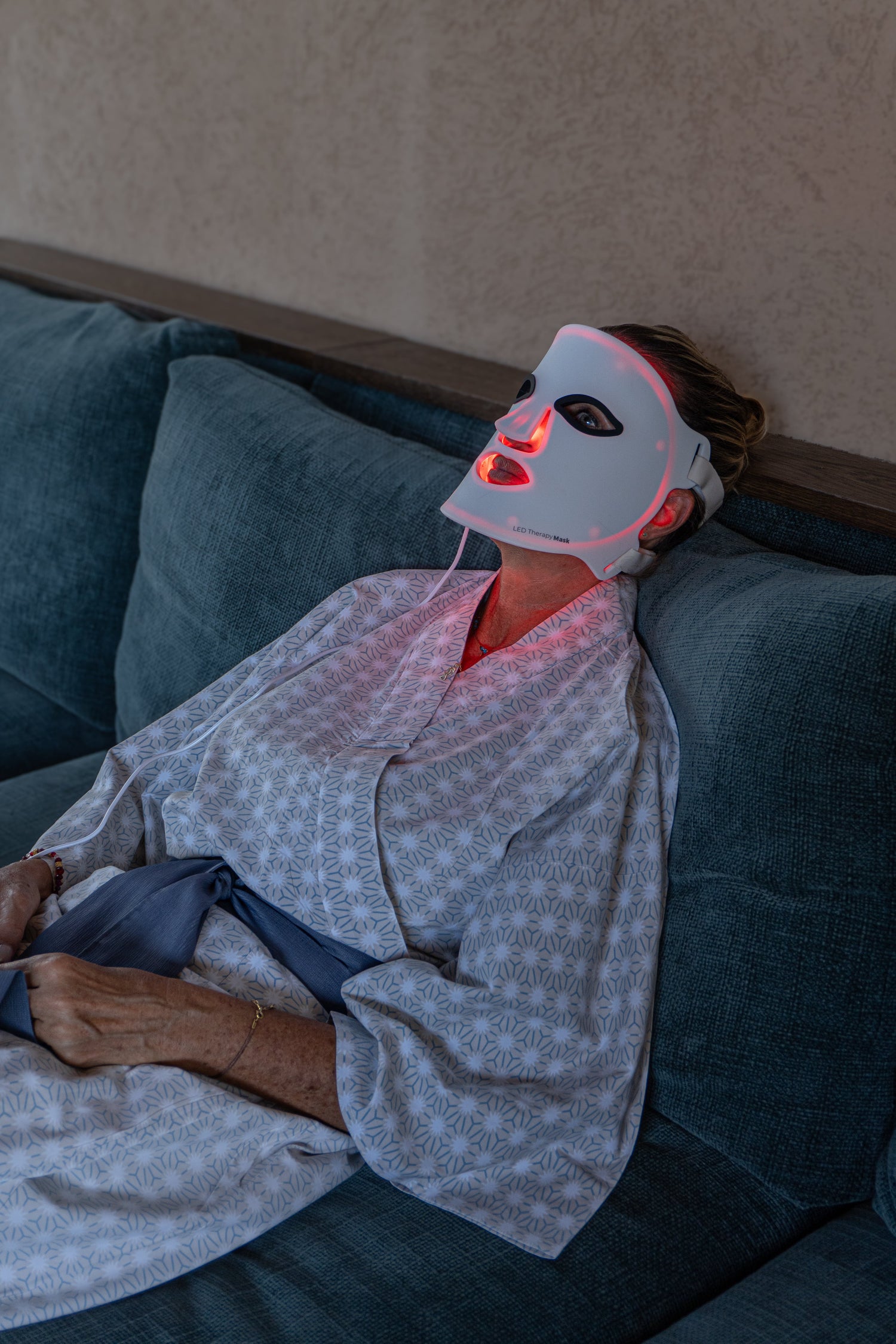
Photobiomodulation with LED has been reviewed in dermatology for its non-invasive profile and its potential role in photoaging, although the evidence is still evolving and it does not replace sunscreen or retinoids. If you already treat your face with red light, it might make sense to extend the protocol to the neck and décolletage with a specific guide on how to extend your anti-aging routine beyond the face and with the 2025 guide on red light therapy for the skin. (pubmed.ncbi.nlm.nih.gov)
To organize at-home sessions, the Advanced LED Light Therapy at Home collection can serve as a base, and a larger LED panel like KumoLux Panel is useful if you prefer wider coverage.
Simple Morning and Evening Routine
If you prefer an easy plan, reduce the decision to four steps: protect, hydrate, treat, and maintain. Repetition is worth more than perfection.
- In the morning, gently cleanse, hydrate if needed, and apply SPF 30+ to hands, neck, and décolletage.
- During the day, reapply if there's sun, sweat, water, or towel drying.
- At night, choose between retinoid or LED according to tolerance and finish with a restorative cream.
- If skin is reactive, reduce frequency and avoid accumulating too many active ingredients on the same night.
This sequence works because it prioritizes what has the most support: daily protection, sustained hydration, and prudent use of active ingredients or technology.
When a Professional Evaluation is Advisable
If the texture is very rough, spots appear that change shape or color, or you see patches that don't heal, a dermatological evaluation is advisable. The AAD warns that photoaging can be accompanied by actinic keratoses, and a 2024 review on neck and décolletage rejuvenation with fractional laser confirms that these areas are also addressed with medical procedures when the damage is already visible. In consultation, chemical peels or lasers may be considered depending on the type of damage and skin phototype.
Frequently Asked Questions
What sunscreen is suitable for hands and décolletage?
Look for a broad-spectrum, SPF 30 or higher, and if you're going to be outdoors, water-resistant. For hands, neck, and décolletage, consistency matters more than format: apply it in the morning, reapply approximately every two hours when exposed, and reapply after sweating, swimming, or towel drying. If you work near windows or drive a lot, don't omit the back of your hands.
Can I use retinoids on my neck and décolletage if I have sensitive skin?
Yes, but with caution. Retinoids can help improve photoaging, although on the neck and décolletage they are often less tolerated than on the face if started too frequently. The ideal is to use a small amount, alternate nights at first, and always accompany them with hydration; if the skin becomes persistently red or flaky, reduce the frequency or discontinue use.
Is LED light useful for hands or only for the face?
LED light can be a support, not a miracle. Recent reviews on photobiomodulation place it as a non-invasive option with potential in photoaging and skin wellness, but its role is complementary. For hands and décolletage, SPF and hydration remain essential; LED fits best as a consistent habit within a well-designed routine.
When should I consult about spots on my décolletage or hands?
Consult if the spot changes color or borders, if there are rough patches that don't disappear, bleeding, repeated scabs, or an area that worsens despite care. The AAD reminds that sun damage can be accompanied by actinic keratoses and that the neck, décolletage, and hands are particularly exposed areas; early evaluation prevents confusing photoaging with lesions that require medical treatment.
What now?
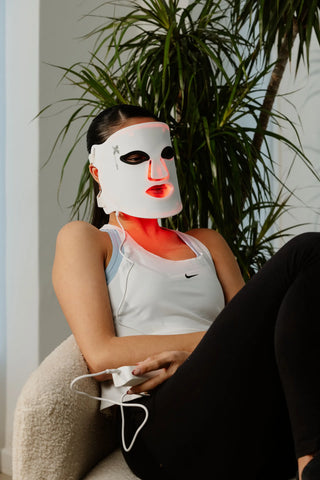
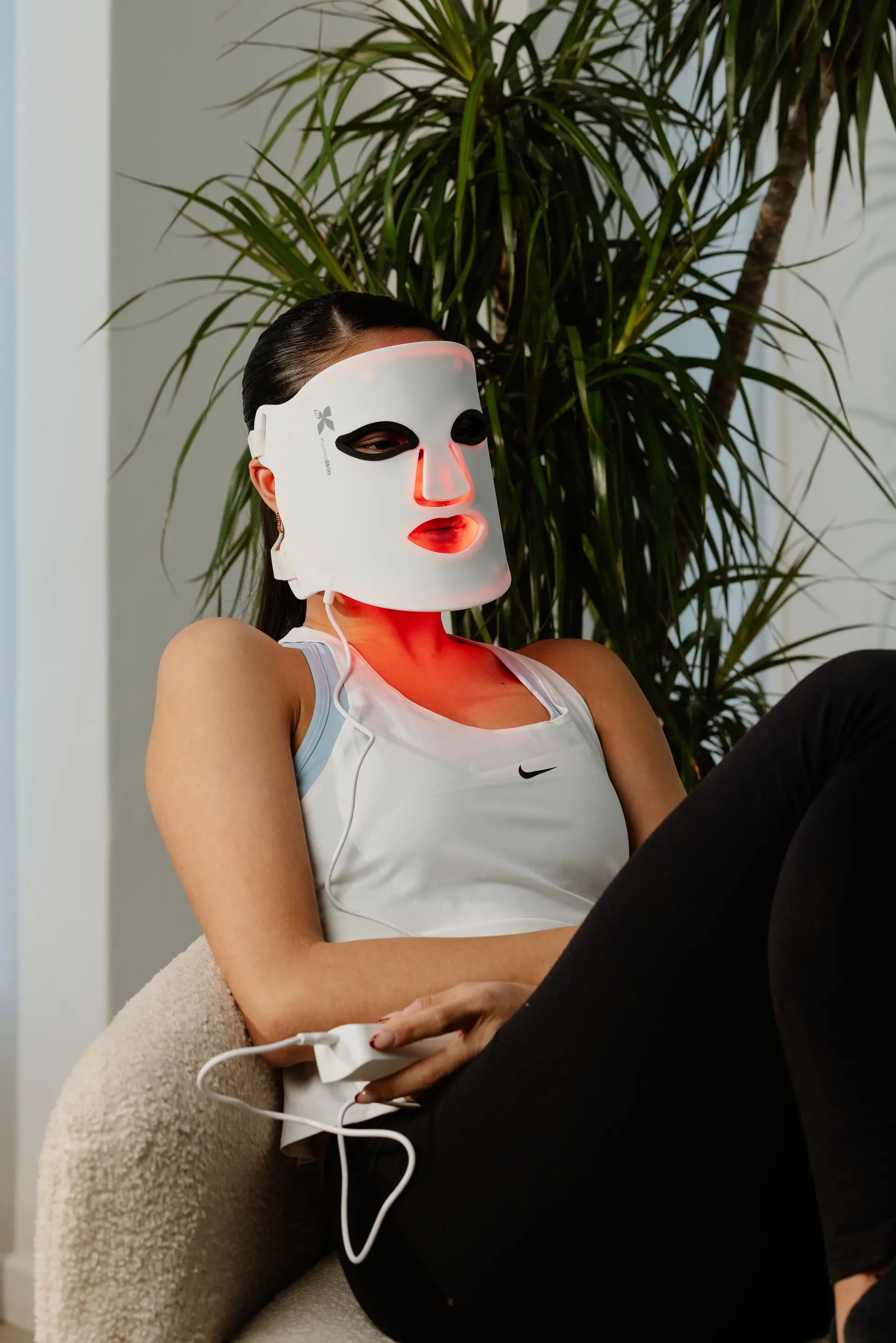
If you want to move from theory to a simple routine, start with a clear foundation: protect, hydrate, and add only the support that fits your skin. You can return to the Kumo Balance website and, if you're interested in a red light facial option, consider the KumoSkin Mask LED facial mask as part of your at-home protocol.

Red & infrared light
KumoLux Panel – Red and Infrared LED Panel
★★★★★ 4,8/5 · rated by verified customers
- 660 nm red + 850 nm infrared light
- Full-body muscle recovery
- Clinically validated biohacking protocols
€399,00€499,00· pay in installments with seQura or Klarna