
Fibromyalgia changes your daily rhythm. When pain, fatigue and irregular sleep get mixed together, the priority is not to do more, but to spread your energy out better. The NHS self-help guidance notes that small lifestyle changes can ease symptoms and make life more manageable.
There is no single combination that works for everyone. The Mayo Clinic guide and the NIAMS fact sheet agree that the approach usually combines exercise, therapy, sleep and self-management.
Pressotherapy at home
End the day with light legs
★★★★★ 4,8/5 · rated by verified customers
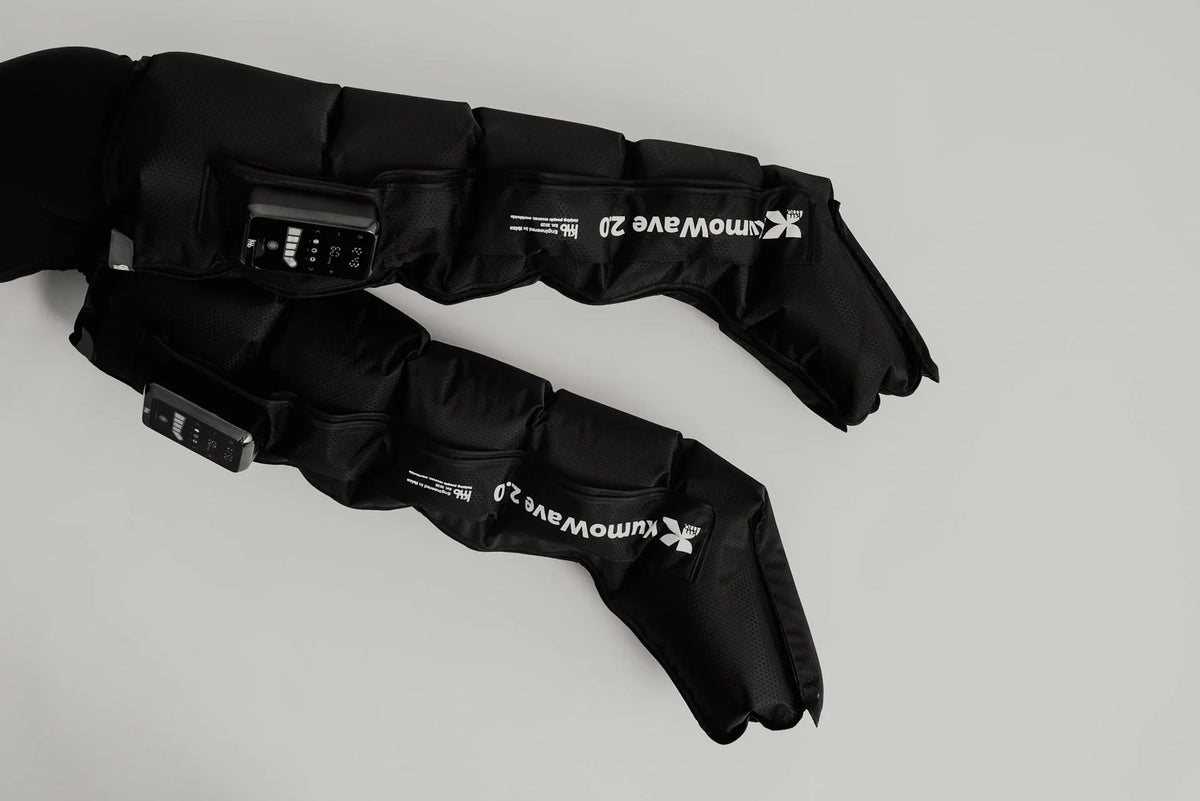
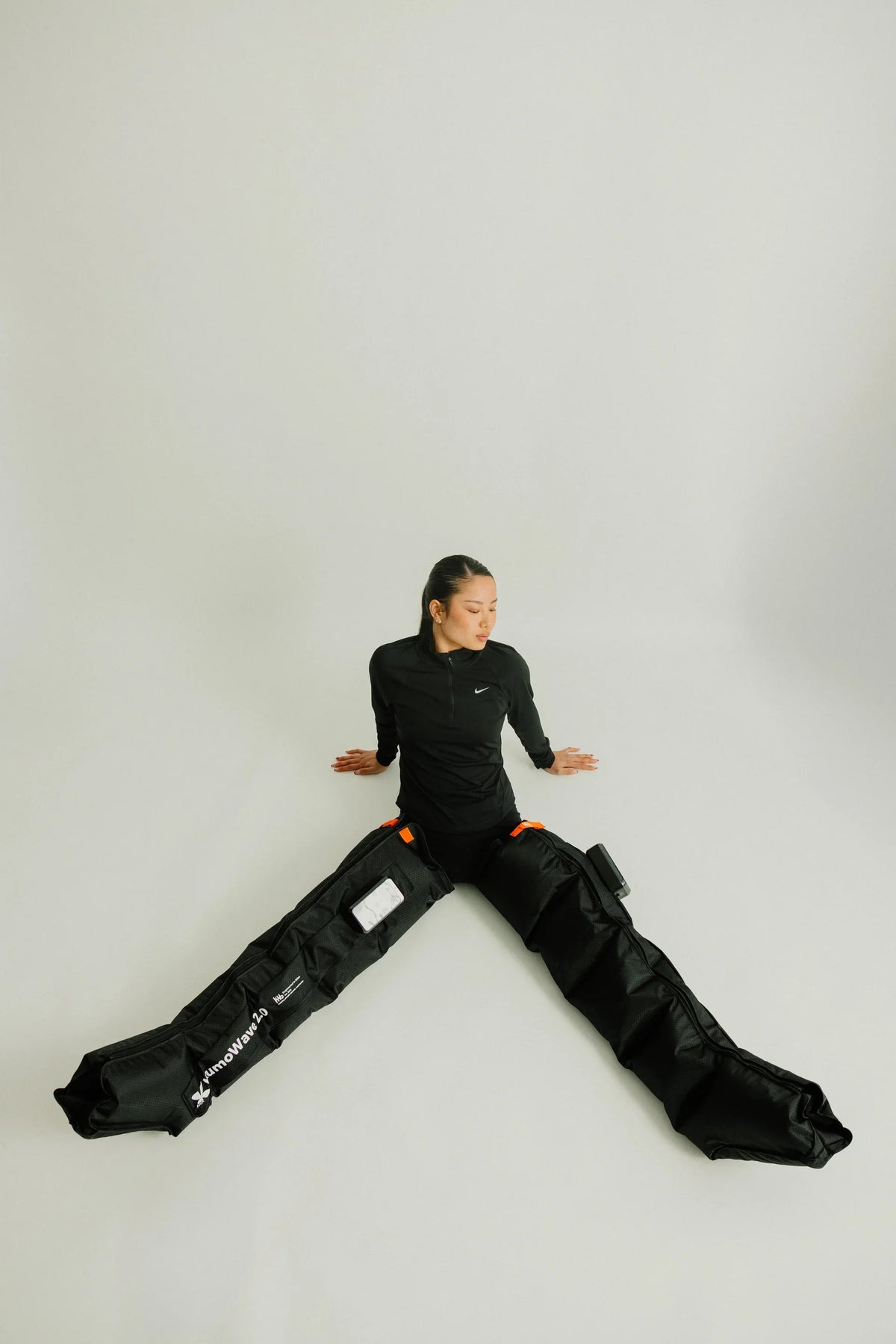
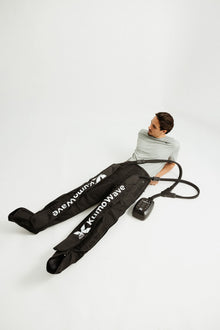
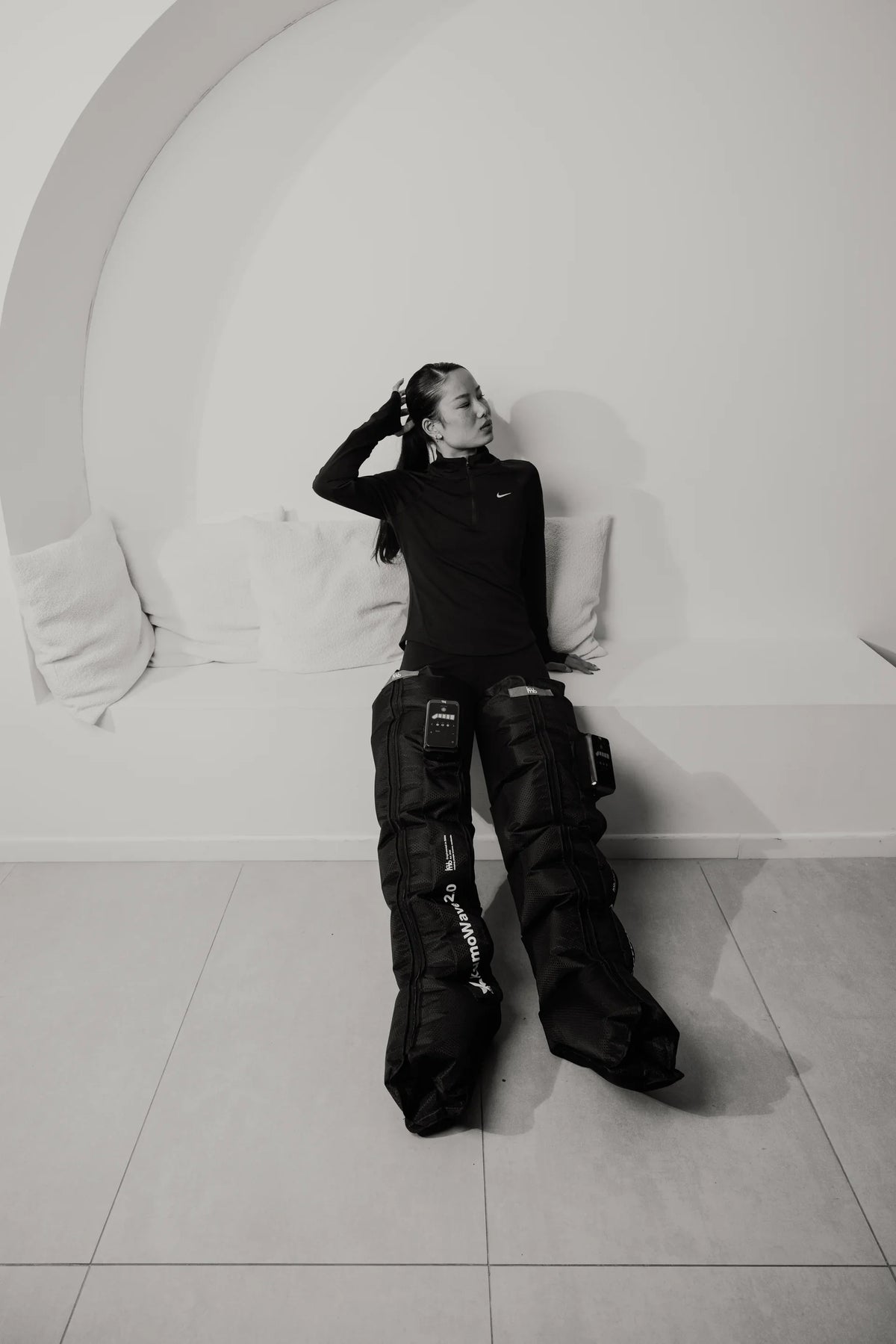
KumoWave pressotherapy boosts circulation and helps drain fluid with sequential compression, in 20-minute sessions at home.
- Boosts circulation and helps drain fluid
- Chamber-based compression, adjustable to you
- Sequential compression that mimics manual drainage
€799,00€999,00
−10% on your 1st order when you subscribe to the newsletter

The logic of pacing: fewer peaks, fewer crashes
In fibromyalgia, the problem is usually not a single task, but the sum of small efforts. When a good day turns into a day of overload, it is easy to fall into the cycle of intense activity, symptom crash and long recovery. The University of Michigan explains this pattern and suggests spreading out activity and rest to reduce flares. (fibroguide.med.umich.edu)
Start from your baseline
Your baseline is what you can do on a relatively stable day without paying a high price afterward. Notice how long you can sit, walk, cook or concentrate before pain, brain fog or heavy tiredness show up. From there, the goal is to build on what you already tolerate, not to push yourself to the limit. If you want to turn that observation into a simple plan, this weekly at-home recovery protocol may help.
Personalized protocol · included with your purchase
Want us to tell you how to use it in your case?
With your purchase, our experts prepare a personalized usage protocol for your case: sport, circulation, fluid retention, pregnancy or lipedema.
Message us on WhatsAppOur experts reply · no obligation
Do not wait until you are at your limit to stop
Pacing works better when breaks are scheduled, not when the crisis has already arrived. The time-based model suggests doing an activity for a safe interval, resting even if you do not feel empty yet, and repeating the cycle. That logic helps you avoid the overexertion that usually makes the next day worse.
Set priorities honestly
Not everything deserves your best energy. Save your clearest hours for what really cannot be postponed and leave automatic or administrative tasks for short blocks. The goal is to end the day with some margin, not to prove your endurance.
A sample day for spreading out your energy
The proposal below is not a rigid recipe, but an example of an organization that combines gentle activity, breaks and a calmer end of the day. It lines up with the recommendations on gradual activity, steady sleep and regular rest collected by NIAMS, the NHS and the NHS advice on sleeping better.
on your first order when you join the newsletter
We send you the code instantly. No spam.
Practical example of how to split the day
| Time | Goal | Example | Adjustment if your body is running low |
|---|---|---|---|
| Morning | Get going without emptying the tank. | Gentle hygiene, breakfast, one single important task and a few minutes of mobility. | If you wake up stiff, shorten the block and leave the rest for later. |
| Midday | Avoid the first overload peak. | Take a real break, eat calmly and alternate a short task with seated rest. | Do not string several errands together if you notice your head is saturating. |
| Afternoon | Keep some movement without pushing. | A short walk, gentle stretching or a brief relaxation session. | If more pain or tiredness shows up, lower the intensity, not the consistency. |
| Night | Prepare sleep and recovery. | Dim the lights, cut down on screens, repeat a calm routine and go to bed at a similar time. | If you are still awake after a while, get up for a moment and come back when you feel sleepy. |
Which activities tend to fit better
The American College of Rheumatology patient guide suggests walking, swimming, stretching and moving in a way that is kind to your body. NIAMS adds yoga or tai chi, and notes that exercise is part of the usual treatment, although it should start very gradually.
- Walk in short blocks if your body allows it that day.
- Use gentle joint mobility to take away stiffness without forcing.
- Save gentle yoga, tai chi or water work for stable days, with supervision if you need it.
- Choose activities you can repeat over the long term and that do not leave you worse the next day.
- If something triggers pain or marked fatigue, lower the dose, do not force yourself to keep it up.
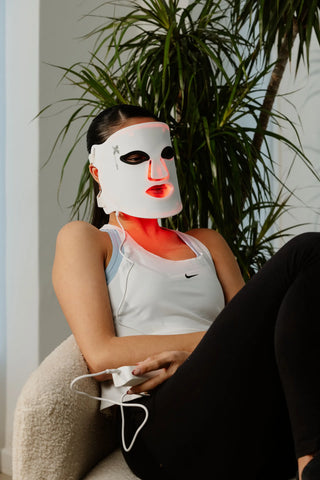
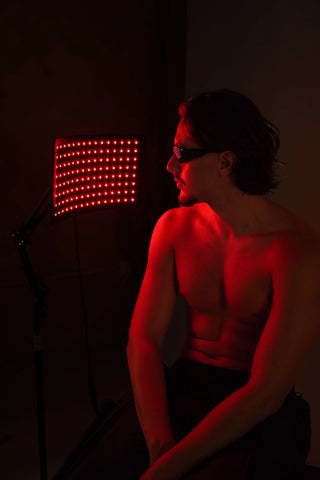
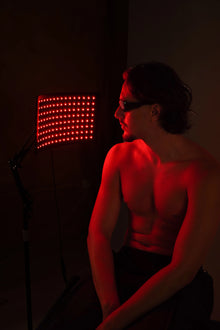
If the technical side interests you, you can look at the clinical technology and functional design and, to understand photobiomodulation better, the explanation of what red light therapy is and how it works. The idea is not to promise miracles, but to see how a wellness support fits into a realistic routine.
Sleep and recovery, the other half of the day
Sleep improves when the night stops being a battle. The NHS advice on sleeping better recommends getting up at the same time, creating a nighttime routine, avoiding caffeine, nicotine and alcohol before bed, and not watching the clock constantly. The NHS itself points out that even small amounts of physical activity during the day can help you rest, as long as they are not too close to bedtime.
- Turn screens off or lower their brightness a while before sleeping.
- Keep a steady sequence for switching into night mode, for example a warm shower, breathing and bed.
- If exercise gets you too wired, move it to early morning or midday. (nhs.uk)
- If you are not sleeping after a while, get out of bed, do something calm and come back when sleep shows up.
Wellness tools at home, with sense and caution
When the body asks for extra support, some people bring wellness technologies into their routine, always as a complement and never as a substitute for clinical follow-up. If you want to understand better how that part is approached, the guide to the benefits and key uses of red light therapy can give you useful context.
That said, not every technology suits every person. The FDA states that photobiomodulation is not recommended in cases of photosensitivity, pregnancy or trying to conceive, active implants such as a pacemaker or defibrillator, skin cancer or a history of cancer in the area, photosensitizing medication or infection, wound or active lesion in the treated area. The same agency notes that light can damage the eyes and that mechanical massage or vibration devices are not suitable for everyone. Before using pressotherapy, light or massage, check with a health professional if you have a chronic illness, a circulatory problem or doubts about your case. (fda.gov)
These supports do not cure fibromyalgia and do not replace clinical follow-up. Their role, when they are used, is to accompany a broader strategy based on exercise, sleep, psychological support and self-management.
Frequently asked questions
How do you manage daily energy with fibromyalgia?
Start by measuring your starting point on a relatively stable day and use that as your reference. Then split tasks into short blocks, even if you feel able to do more, because the goal is to avoid the push-and-crash cycle. The University of Michigan suggests alternating activity and rest with scheduled breaks, not improvised ones, and the NHS recommends that a professional help you adjust the plan to your real life.
Which activities should you prioritize so you do not drain your energy?
It usually works better to choose gentle movements you can sustain over time, such as walking, swimming, stretching or practicing yoga and tai chi if your care team considers it suitable. The American College of Rheumatology and NIAMS agree that activity should be kind, progressive and compatible with your daily life. If an activity leaves you worse the next day, it is worth scaling it back or swapping it for something more tolerable.
How do you organize the day to recover better with fibromyalgia?
The most useful thing is usually to spread out the effort. Leave the most important things for the part of the day when you feel clearest, add breaks in the middle of the day and save the evening for lowering stimulation. Keeping a similar wake-up time and building a sleep routine also helps. The NHS and NHS Every Mind Matters recommend exactly that combination of regularity, rest and calm preparation for sleep.
Which gentle exercises help sleep and recovery?
The most useful ones are usually those that do not leave you wired and do not load the joints too much, such as walking slowly, gentle mobility, guided breathing, yoga or water work, always adapted to your tolerance. The NHS points out that physical activity can improve sleep, but that some people do better doing it before the end of the day. NIAMS and the American College of Rheumatology guide also highlight the value of gentle, progressive movement.
How do you plan breaks and rest in a day with fibromyalgia?
Think of rest as part of the plan, not as a reward once you have already burned out. Pacing suggests alternating a stretch of activity with a stretch of rest, even if you still feel strong, so you do not reach collapse. That logic helps you keep a steadier baseline and avoid the swings that later stretch out recovery. The University of Michigan and the Royal National Orthopaedic Hospital describe exactly that alternation between activity and rest.
So what now?
The key is not to do it perfectly, but to do it sustainably. If your medical situation is complex, if there is pregnancy, photosensitivity, implants, recent surgery or doubts about any wellness technology, ask for a professional assessment first. If afterward you want to keep exploring the general approach to at-home recovery, you can start with the Kumo Balance home page.
KumoWave pressotherapy
Choose your at-home pressotherapy
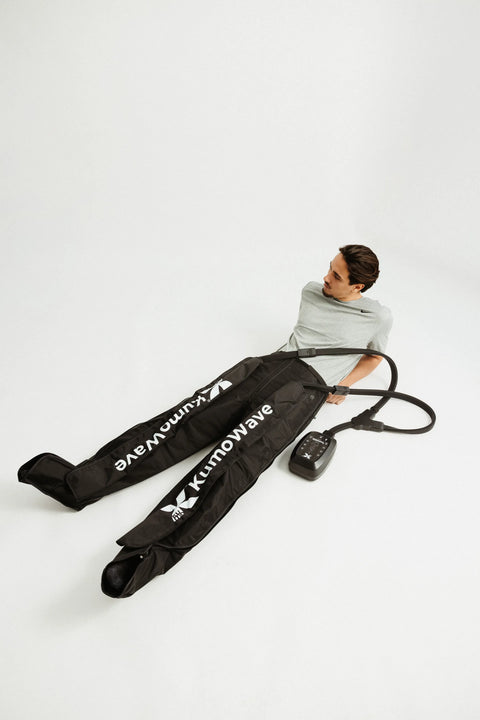
KumoWave Elite – Pressotherapy Pants
Full-coverage trousers. Ideal for lipedema, fluid retention and intensive use.
€799,00 €999,00
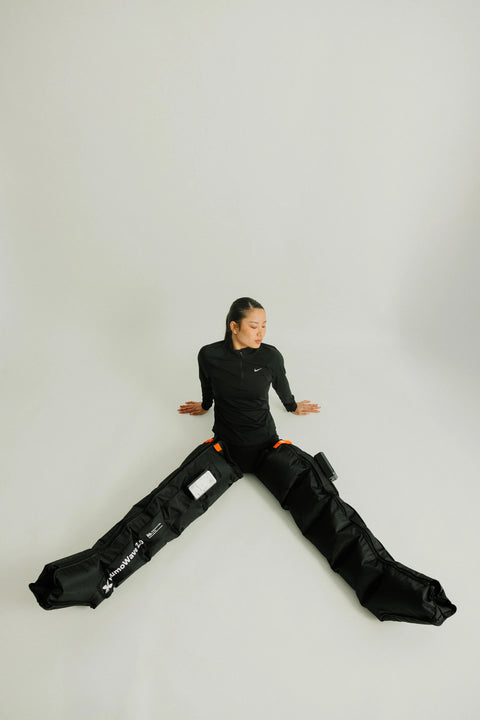
KumoWave 2.0 - Wireless Pressotherapy
Wireless, lightweight boots. Perfect for daily use and recovery.
€499,00 €599,00