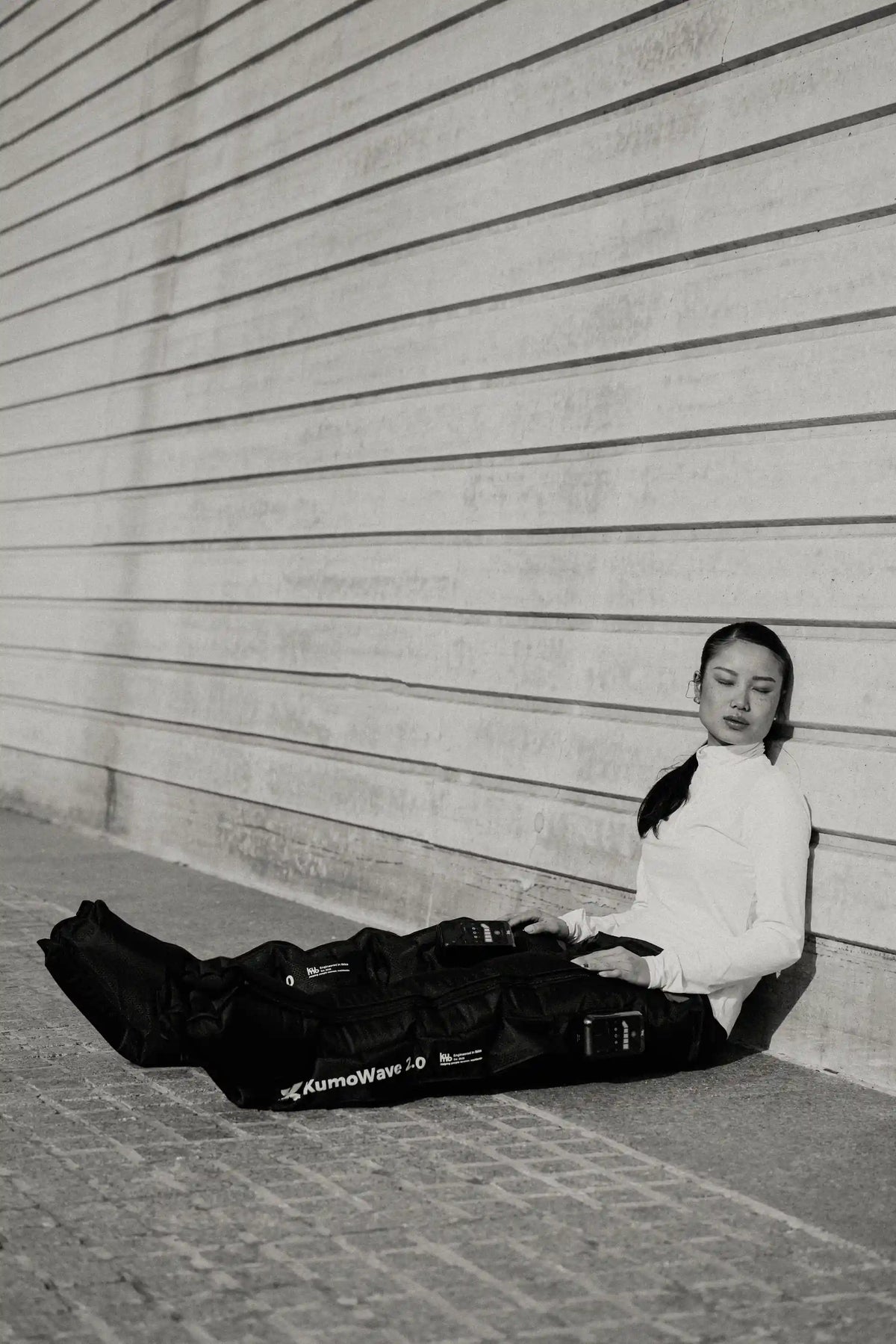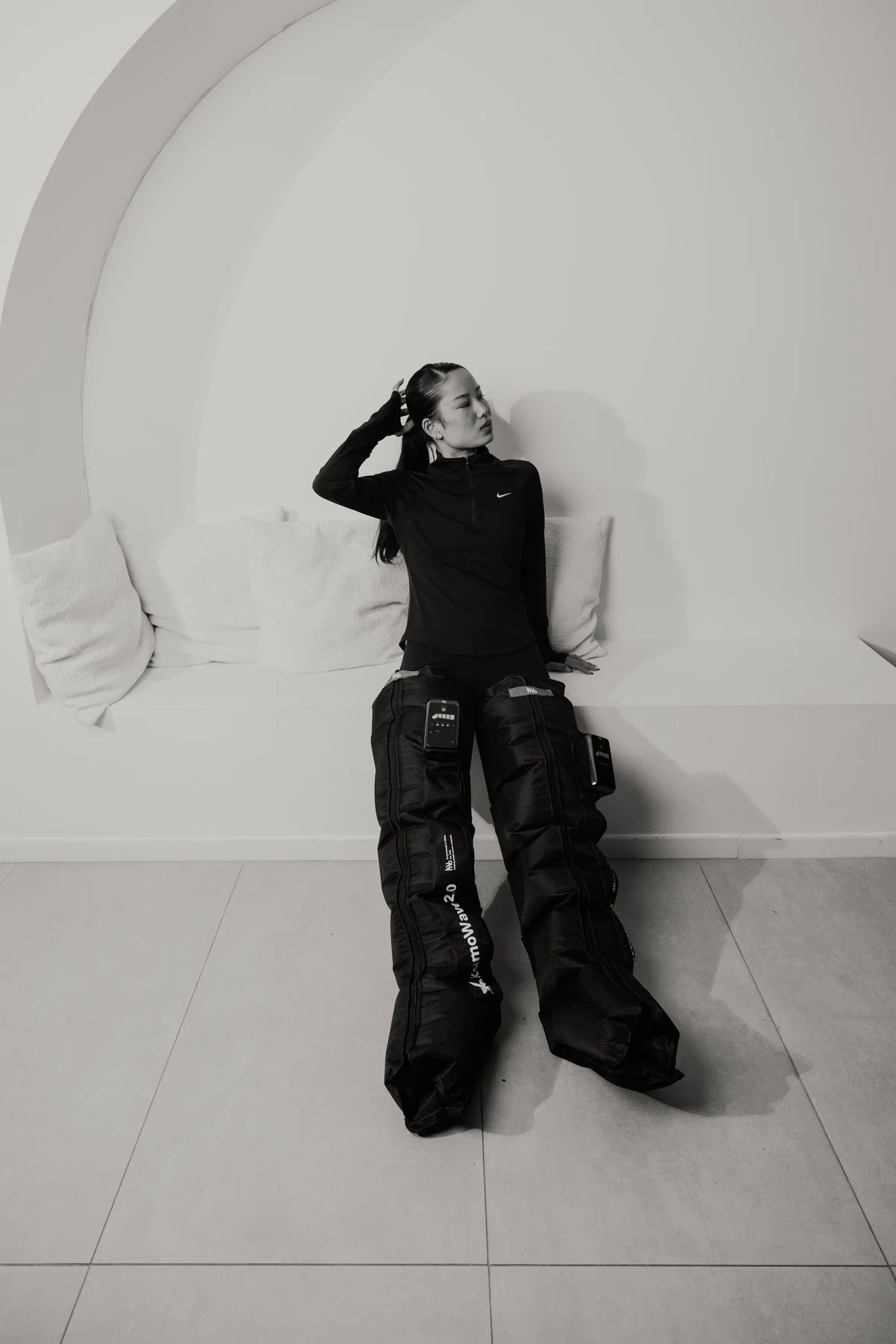
Your legs take a beating after a day of skiing. If you finish with stiff thighs or heavy calves, the most common explanation is DOMS, or delayed onset muscle soreness, which usually shows up between 24 and 72 hours after hard effort and fades within a few days. (my.clevelandclinic.org)
The good news is that it doesn't have to be complicated. In skiing and snowboarding, active recovery and a proper cool-down are part of a good routine because they help you close out the day in an orderly way, especially after a heavy physical load. In that logic, the goal isn't to push again, but to give your legs the time and the setting they need to loosen up. (doi.org)
Pressotherapy at home
End the day with light legs
★★★★★ 4,8/5 · rated by verified customers
KumoWave pressotherapy boosts circulation and helps drain fluid with sequential compression, in 20-minute sessions at home.
- Boosts circulation and helps drain fluid
- Chamber-based compression, adjustable to you
- Sequential compression that mimics manual drainage
€799,00€999,00
−10% on your 1st order when you subscribe to the newsletter

Why you feel your legs so much after the snow
Your legs work nonstop to stabilize, brake and absorb shifts in weight. NIAMS points out that muscles benefit from warming up and cooling down, and that when an activity is too intense or done without progression, a strain can appear with pain, swelling or stiffness. That's why, after a day on the slopes, a feeling of heaviness is not unusual and doesn't automatically mean you've injured yourself. (niams.nih.gov)
What to do in the first 24 hours
This plan sums up a simple idea: cool the body down sensibly, hydrate and let your legs come out of the effort. Mayo Clinic stresses that hydration is key to recovering well, that massage may help relieve the feeling of soreness and that cold water immersion may reduce muscle damage and discomfort in the short term, even though cooling down doesn't always reduce stiffness on its own. (mcpress.mayoclinic.org)
Personalized protocol · included with your purchase
Want us to tell you how to use it in your case?
With your purchase, our experts prepare a personalized usage protocol for your case: sport, circulation, fluid retention, pregnancy or lipedema.
Message us on WhatsAppOur experts reply · no obligation
A practical plan for the first 24 hours
| When | What to do | What to avoid | Simple example |
|---|---|---|---|
| When you get home | Bring your heart rate down, walk for a few minutes and drink water. | Don't sit completely still right after the effort. | A gentle walk around the house and water within reach. |
| Later on | Do light mobility work for ankles, knees and hips. | Don't turn the wind-down into another hard workout. | Gentle movements, no bouncing and no pain. |
| Before bed | Prioritize a normal dinner and a night of rest. | Don't stretch the day out until you crawl into bed exhausted. | A warm shower and a calm routine. |
| The next day | Take a light walk or move your legs without loading them. | Don't repeat a hard leg session if you're still very sore. | Walking, easy pedaling or simply moving more. |
The Cochrane review found that stretching before or after exercise does not produce clinically important reductions in muscle soreness in healthy adults. (cochrane.org)
So if you stretch when you get back from the slopes, think of it as a tool for comfort and mobility, not as the centerpiece of recovery.
How pressotherapy can fit into a wellness routine
If you already use pressotherapy as part of a wellness routine, it can make sense to start with how to use pressotherapy at home step by step, review what pressotherapy is and how it works and get a better grasp of pressotherapy and circulation to support venous return. As a wellness tool, not a medical device, the idea is simple: comfort, cautious pressure and no use at all if your leg doesn't feel normal to you. The West Suffolk NHS IPC document is a reminder that there are clear contraindications and cautions, among them untreated thrombosis, acute skin infection, decompensated heart, kidney or liver failure, pulmonary edema, ischemic vascular disease, open wounds and signs such as sudden pain, shortness of breath, dizziness or numbness. (wsh.nhs.uk)
on your first order when you join the newsletter
We send you the code instantly. No spam.
When to seek advice and the signs that call for medical assessment
Not every post-slope pain is DOMS. If there was a fall, an awkward twist or an impact, and on top of that the pain is very strong, gets worse, keeps you from putting weight on the leg, or comes with major swelling, significant bruising, marked stiffness, deformity, fever, chills, numbness or color changes, the NHS recommends seeking urgent medical help. (nhs.uk)
- Very intense pain, or pain that grows instead of easing off.
- Major swelling, clear bruising or being unable to put weight on the leg.
- Severe stiffness, deformity, tingling or loss of sensation.
- Fever, chills or a general feeling of being unwell.
- A pop at the moment of injury, or a leg that is cold, bluish or looks strange.
Frequently asked questions
How long does DOMS last after skiing?
In the experience described by CUH, DOMS usually appears the next day or within a few days of the effort and eases off with rest. The normal pattern is for the discomfort to drop gradually, not to stay the same or get worse for a long time. If you notice the pain changing the way you walk, concentrating heavily on one specific spot or the area swelling up, I would no longer treat it as simple soreness. In that case, it's worth stopping, watching how it develops and asking for an assessment if it doesn't improve. (cuh.nhs.uk)
Does sleeping well really help your legs recover?
Yes, because sleep is part of the body's overall recovery process. NHLBI recommends getting enough sleep, keeping regular hours and saving the hour before bed for calm activities, avoiding intense exercise and very bright screens. After a day of skiing or snowboarding, that translates into a very simple idea: the better you sleep that night, the more room you give your body to put itself back together the next day. It isn't a magic fix, but it is a very solid foundation for recovering more comfortably. (nhlbi.nih.gov)
Should I drink more water after a day on the slopes?
Yes, especially if you've been sweating, spent many hours at altitude or feel dried out when you finish. NIH explains that the body loses water continuously and that when you exercise or stay active in cold or hot weather you need to replace more fluid. It also notes that drinking water before, during and after exercise helps prevent dehydration. One useful sign is very dark urine, along with strong thirst, headache or a dry mouth. If confusion, significant dizziness or an inability to urinate appear, medical help is needed. (newsinhealth.nih.gov)
So what now?
If you want to turn recovery into a routine that's easy to repeat, start with how to use pressotherapy at home step by step, browse the at-home pressotherapy collection and head back to the Kumo Balance site to see how rest, compression and wellness technology fit into your day to day.
KumoWave pressotherapy
Choose your at-home pressotherapy
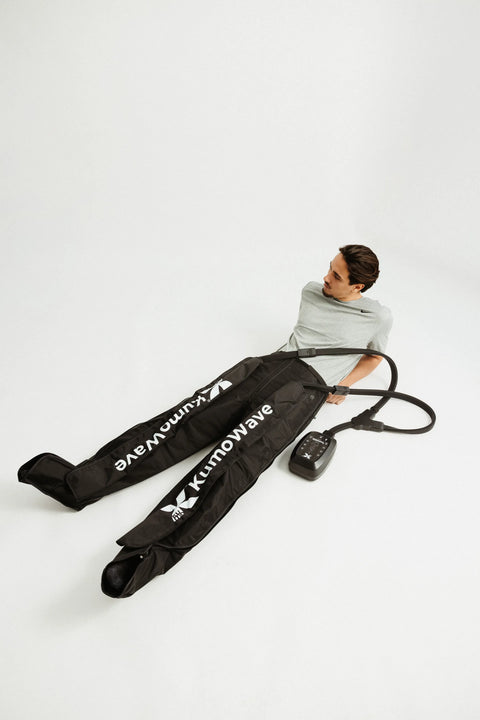
KumoWave Elite – Pressotherapy Pants
Full-coverage trousers. Ideal for lipedema, fluid retention and intensive use.
€799,00 €999,00
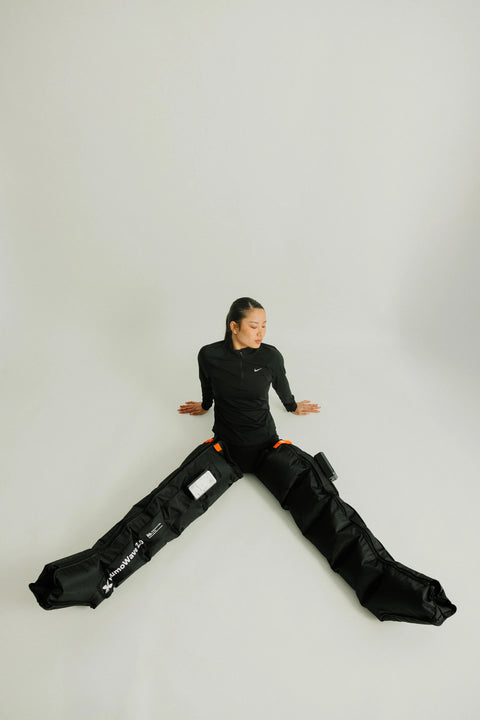
KumoWave 2.0 - Wireless Pressotherapy
Wireless, lightweight boots. Perfect for daily use and recovery.
€499,00 €599,00