

Cosmetic cellulite can improve, but not disappear completely. MedlinePlus describes it as fat that accumulates beneath the skin's surface, and the American Academy of Dermatology guide reminds us that even very thin women can have it. (medlineplus.gov)
That doesn't mean all creams are useless. Caffeine and retinol are the active ingredients with the most support, although changes are usually small and depend heavily on the formula; the 2014 meta-analysis on anti-cellulite cosmetics found an average reduction of 0.46 cm in thigh circumference, but with significant heterogeneity between trials.
Pressotherapy at home
End the day with light legs
★★★★★ 4,8/5 · rated by verified customers
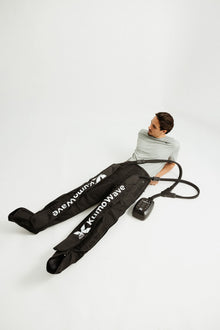
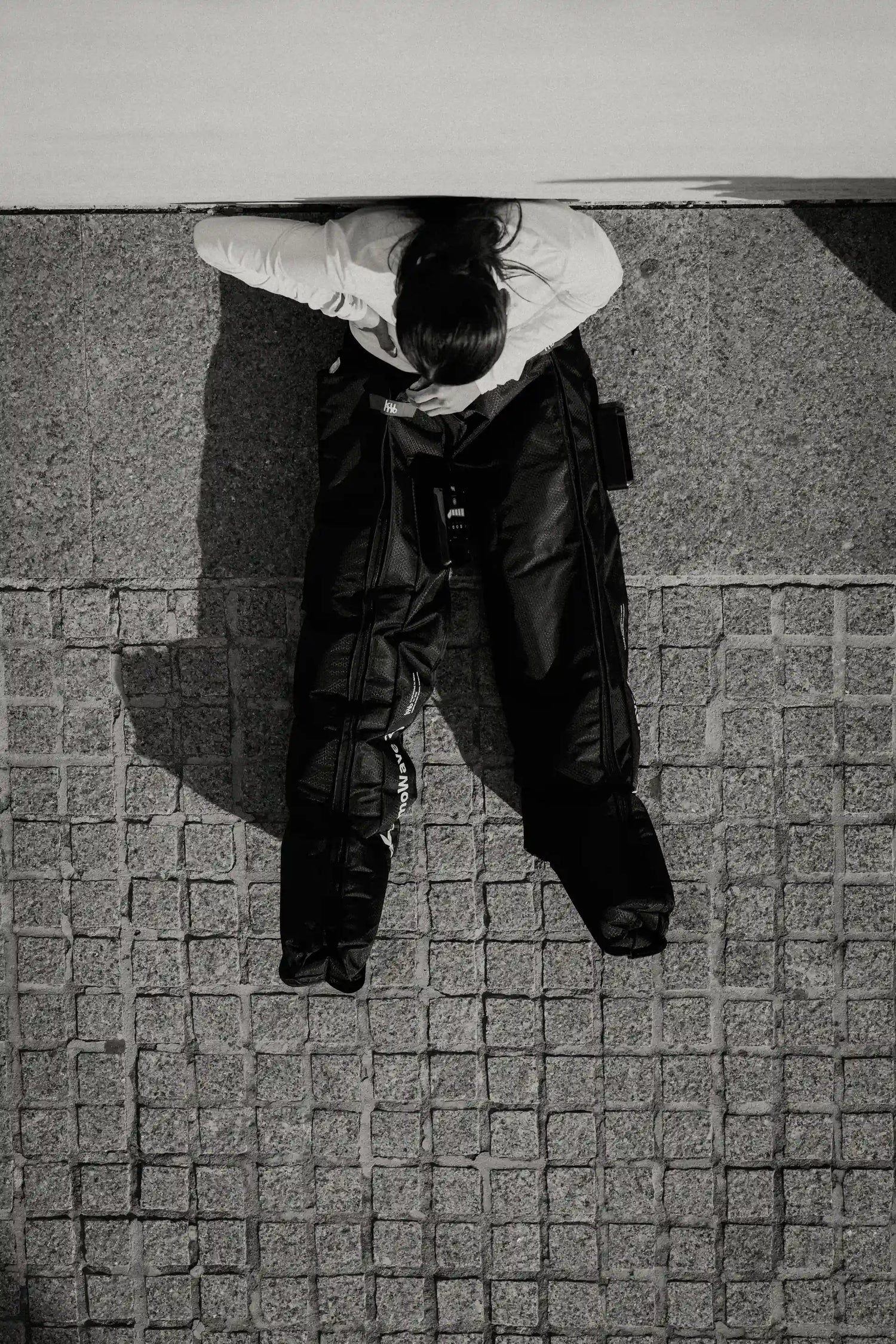
KumoWave pressotherapy boosts circulation and helps drain fluid with sequential compression, in 20-minute sessions at home.
- Boosts circulation and helps drain fluid
- Chamber-based compression, adjustable to you
- Sequential compression that mimics manual drainage
€799,00€999,00
−10% on your 1st order when you subscribe to the newsletter

What an anti-cellulite cream can really do
The best way to interpret an anti-cellulite cream is to think in terms of visible improvement, not cure. Some formulas can smooth the texture, hydrate the surface, and make dimples less noticeable while in use, but they do not completely correct the skin architecture that causes cellulite. Cleveland Clinic and the AAD agree that, when there is an effect, it is usually partial and temporary. (health.clevelandclinic.org)
The reasonable goal is to see skin that is somewhat smoother and less textured, not to erase cellulite completely.
Personalized protocol · included with your purchase
Want us to tell you how to use it in your case?
With your purchase, our experts prepare a personalized usage protocol for your case: sport, circulation, fluid retention, pregnancy or lipedema.
Message us on WhatsAppOur experts reply · no obligation
Ingredients with the best scientific backing
If you want to be practical, start here: caffeine and retinol are the active ingredients that best align with what studies and dermatological guidelines show. Formulas with xanthines and herbal extracts may add to the effect, but the response is less predictable.
Quick summary of ingredients with the most backing
| Ingredient | What it might contribute | What the evidence shows | Realistic expectation |
|---|---|---|---|
| Caffeine | May temporarily make cellulite less visible. | The 2014 meta-analysis and a 2026 double-blind trial found modest improvement, highly dependent on formulation. | Useful as cosmetic support, not a definitive solution. |
| Retinol | May contribute to firmer skin with better elasticity. | In a 2000 randomized trial, it improved elasticity by 10.7% and reduced viscosity by 15.8% after 6 months. | Slower than caffeine, but with a reasonable scientific basis. |
| Xanthines and herbal extracts | Often appear in combined formulas aimed at body contouring. | The 2014 meta-analysis compiled 21 studies and found an average reduction of 0.46 cm in the thigh, with high heterogeneity. | May help a little, but the response is variable. |
| Combined formulas | Attempt to combine several mechanisms at once. | The AAD admits that some lotions have an effect, albeit small and dependent on continued use. | Work better as a supplement than as a standalone therapy. |
Caffeine: the most popular active ingredient, but not always equally effective
The nanoformulated cream with caffeine evaluated in 2026 showed an objective reduction in cellulite score after 12 weeks and better skin penetration than an aqueous solution or a commercial product with the same concentration. The practical conclusion is not that caffeine "always works," but that the cosmetic base and the ability to reach the skin matter greatly.
The AAD adds that caffeine products can make cellulite less visible, but the effect must be maintained with daily use. In other words, it's not a one-time solution.
on your first order when you join the newsletter
We send you the code instantly. No spam.
Retinol: less dramatic at first, more interesting in the medium term
The randomized trial of topical retinol published in 2000 showed that, after 6 months, skin gained elasticity and lost viscosity in the treated area, although the "cushioned" texture changed little. The AAD positions 0.3% retinol as an option with some effect, provided it is used for months.
This makes retinol more interesting for those seeking a gradual improvement in skin quality than for those expecting a rapid change. If your goal is to see a visible difference in days, this is not the most realistic ingredient.
Mixtures with several active ingredients: they can help, but they don't allow isolating a "winner"
Formulas that mix several active ingredients can combine effects, but they also make it harder to know which ingredient truly contributes the benefit. The 2014 meta-analysis compiled studies with xanthines, herbal extracts, and retinoids, and concluded that the overall effect was moderate and highly heterogeneous.
Translated to real-world purchasing: a long list of ingredients does not guarantee better results. Sometimes the key lies in a useful concentration, a good cosmetic base, and consistent use.
Ingredients with weak evidence or short-lived results
When a cream promises to "drain," "burn localized fat," or "erase cellulite" in a few days, it's wise to be skeptical. Cleveland Clinic reminds us that the effects of many home therapies are often temporary, and the AAD insists that even products with some evidence offer small and often reversible changes.
If you want to better situate yourself first, it will help to recognize your type of cellulite; this way you can shop with more discernment and not expect the same from firmer skin as from a very marked area.
How to choose and use an anti-cellulite cream
A cream can help, but consistency and how it's used weigh heavily. The best strategy is to think about a realistic routine, not a miracle product.
If you also want to reinforce your routine with habits, there's a useful guide on daily habits that help prevent it. This doesn't replace a cosmetic, but it can make the texture look less prominent.
- Look for caffeine or retinol as a starting point. These are the ingredients with the most backing in available guides and trials.
- Use it consistently. The AAD indicates that caffeine products should be applied daily to maintain the effect, and retinol may require 6 months or more.
- Test on a small area. If no irritation appears within 48 hours, the risk of reaction decreases, though it doesn't disappear completely.
- Combine it with habits that do help. Maintaining a stable weight, exercising, and staying hydrated can make cellulite less visible.
Frequently asked questions
Which active ingredients in anti-cellulite creams really work according to science?
The most successful are caffeine and retinol. The 2014 meta-analysis compiled 21 original studies and found a moderate overall effect, while the 2026 trial with nanoformulated caffeine also showed objective improvement. Retinol, for its part, has a 6-month randomized trial showing changes in elasticity and viscosity. The key is not to read these data as a universal promise: they serve to guide purchasing, not to guarantee identical results with every cream.
Do anti-cellulite creams with caffeine reduce cellulite or just improve skin appearance?
They mostly do the latter. The AAD indicates that caffeine products can make cellulite less visible and that the effect is maintained as long as they are used. In 2026, a nanoencapsulated formula improved the cellulite score, but this response depends on the cosmetic base and concentration. So there is scientific backing, but the change is usually optical and partial, not a definitive cure.
Are there studies that support the efficacy of retinol or other ingredients in anti-cellulite creams?
Yes. Retinol has a 2000 randomized trial in which it improved skin mechanical properties after 6 months, although the more irregular appearance changed little. Additionally, the 2014 meta-analysis found a small average improvement in thigh circumference with anti-cellulite cosmetics, many of which were formulated with xanthines, herbal extracts, or retinoids. In summary: there are studies, but the magnitude of the effect is limited and highly variable.
What real results can be expected from using anti-cellulite creams and how long does it take to see any change?
Realistic changes are usually discreet and delayed. The AAD suggests evaluating retinol after 6 months or more, while Cleveland Clinic reminds us that many home treatments only soften the appearance for a time. In practice, if the cream works, you'll notice a somewhat smoother texture, fewer dimples when viewed in certain light, and perhaps better skin hydration. If you're looking for a drastic transformation in a few weeks, the evidence doesn't support that expectation.
Should anti-cellulite creams be used along with diet and exercise to see results?
Yes. MedlinePlus recommends regular exercise, hydration, and maintaining a healthy weight, because all of these can make cellulite less visible. Cream can add a small cosmetic effect, but it doesn't replace these habits. In fact, the best strategies usually combine topical care, consistency, and a routine that promotes circulation, muscle mass, and a stable weight.
What now?
If you want to further refine your routine, return to the Kumo Balance homepage and explore how in-office and at-home cellulite treatments compare. The best decision is usually one that fits your goals, your skin, and the time you can maintain it.
KumoWave pressotherapy
Choose your at-home pressotherapy
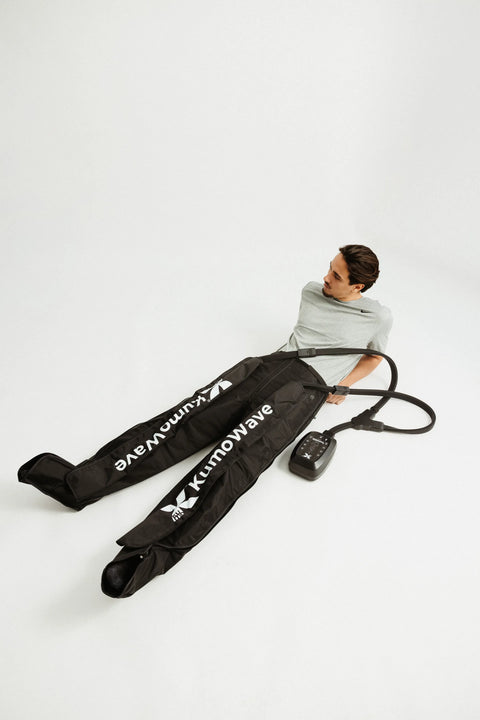
KumoWave Elite – Pressotherapy Pants
Full-coverage trousers. Ideal for lipedema, fluid retention and intensive use.
€799,00 €999,00
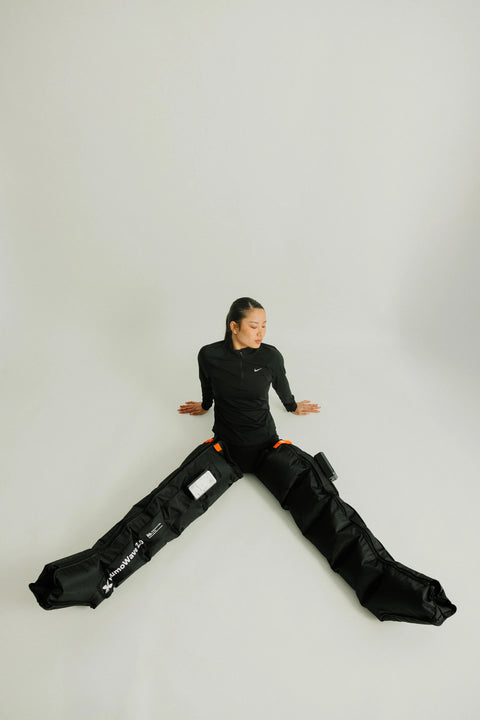
KumoWave 2.0 - Wireless Pressotherapy
Wireless, lightweight boots. Perfect for daily use and recovery.
€499,00 €599,00