Nighttime leg cramps can wake you up suddenly. They are usually a sharp, painful contraction, especially in the calf, that forces you to move until it subsides. (nhs.uk)
In many cases, there is no single cause. Age, pregnancy, dehydration, overexertion, some medications, and certain nerve or circulation problems can contribute to them.
Pressotherapy at home
End the day with light legs
★★★★★ 4,8/5 · rated by verified customers
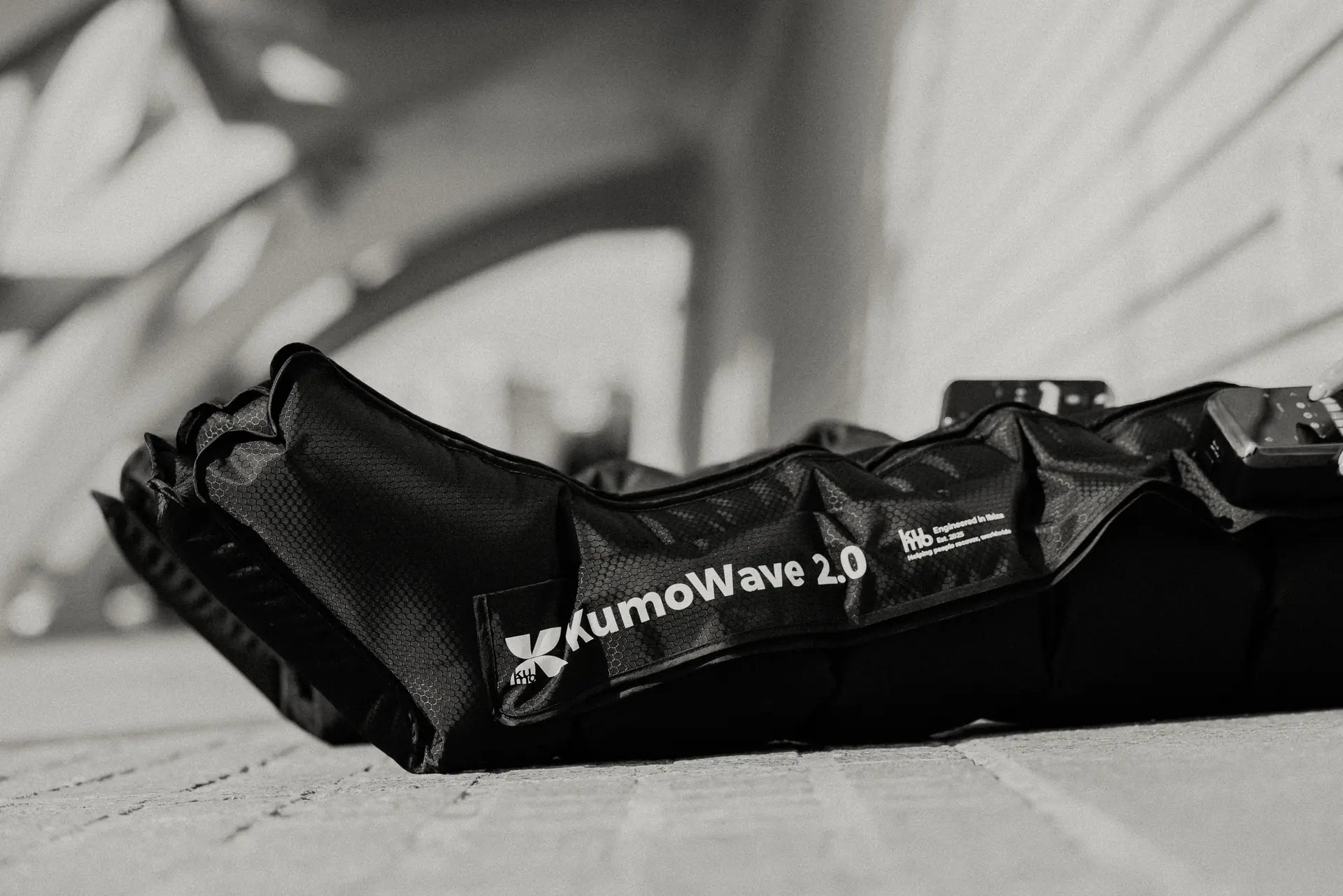
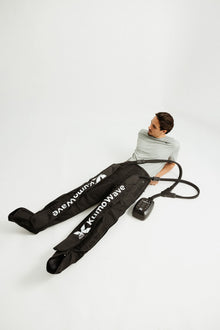
KumoWave pressotherapy boosts circulation and helps drain fluid with sequential compression, in 20-minute sessions at home.
- Boosts circulation and helps drain fluid
- Chamber-based compression, adjustable to you
- Sequential compression that mimics manual drainage
€799,00€999,00
−10% on your 1st order when you subscribe to the newsletter

What exactly are nocturnal cramps?
A cramp is an involuntary, painful muscle contraction. When it appears at night, it most commonly affects the calf, although it can also be felt in the feet or thighs; afterwards, the area may remain sensitive for several hours. In most cases, they are annoying but not dangerous.
- They start suddenly and usually force you to move your leg.
- They can interrupt sleep and leave residual discomfort the next day.
- If they recur frequently, it is advisable to check for a clear trigger.
Causes and contributing factors
Most of the time, the exact origin is not identified. Even so, medical services agree on several common triggers: muscle overload, dehydration, pregnancy, certain drugs, and diseases that affect nerves, kidneys, or blood circulation.
Personalized protocol · included with your purchase
Want us to tell you how to use it in your case?
With your purchase, our experts prepare a personalized usage protocol for your case: sport, circulation, fluid retention, pregnancy or lipedema.
Message us on WhatsAppOur experts reply · no obligation
Common causes, clues, and what usually helps
| Factor | How it usually presents | What to do |
|---|---|---|
| Advanced age | Nighttime cramps are more common with age. (mayoclinic.org) | Observe when they appear and if they recur several nights in a row. |
| Pregnancy | They are also more likely during pregnancy, especially in later stages. | If they are intense or very frequent, discuss it with your healthcare professional. |
| Overexertion, heat, or dehydration | They can appear after overworking the muscle, exercising in the heat, or not drinking enough. | Reduce intensity at the end of the day and prioritize hydration. |
| Medications | Diuretics and some treatments, such as statins, may be related to the problem. | If they coincide with a change in treatment, it's worth reviewing. |
| Kidney, nerves, or circulation | Kidney failure, diabetic nerve damage, and circulation problems can cause them. | In that case, self-care is not enough: medical evaluation is needed. |
When there is no clear cause, it does not mean that "there is nothing"; sometimes it is simply not identified in the first consultation.
What to do when a cramp appears
During the episode, the most helpful thing is usually to gently stretch the muscle, support the leg, and massage the area. If it helps, walk a few steps or flex your foot towards you; afterwards, heat or ice can relieve residual discomfort.
- Straighten your knee if the cramp is in your calf.
- Flex your foot towards you to stretch the calf.
- Stand up slowly and put weight on your leg if you can do so safely.
- Massage the muscle and wait a few seconds before lying down again.
If the pain remains localized, a warm shower or a gentle heat source can be comforting; if the area remains irritated, ice is also an option.
on your first order when you join the newsletter
We send you the code instantly. No spam.
How to prevent them at night
Prevention usually works best when combining hydration, stretching, and a regular routine before bed. The NHS recommends stretching the calf for 5 minutes, 3 times a day, with the last session just before going to bed, and Mayo Clinic adds a few minutes of stationary bike, less alcohol, and less caffeine.
Simple nighttime routine
- Do a gentle calf stretch before bed.
- Stay hydrated throughout the day.
- Avoid going to bed right after a very intense session.
- Loosen sheets and blankets if you sleep with your foot pointed sharply.
If you also notice heavy legs at the end of the day, you can read how pressotherapy works to understand the technique simply.
And if you want a practical reference to organize yourself, the complete guide to at-home pressotherapy and this safe pressotherapy routine for nocturnal cramps can serve as recovery support.
Nocturnal cramps vs. restless legs syndrome
They are often confused, but they are not the same. In restless legs syndrome, there is a predominant irresistible urge to move the legs, which worsens at rest and improves with movement; in nocturnal cramps, on the other hand, a painful and localized muscle contraction dominates. (ninds.nih.gov)
If what you have is more of a discomfort that improves with walking than a clearly painful spasm, it is worth discussing it with a professional to refine the diagnosis.
When to consult
It is advisable to seek evaluation if cramps wake you up frequently, last longer than 10 minutes, are accompanied by weakness, numbness, swelling, redness, heat, or muscle loss, or if they appear after contact with toxins.
Frequently asked questions about nocturnal leg cramps
What causes nocturnal leg cramps and why do they occur?
Nocturnal cramps usually appear due to a combination of factors: muscle fatigue, dehydration, overexertion, pregnancy, certain medications, and, in some cases, nerve, kidney, or circulation problems. Often there is no single identifiable cause, which is why they can recur even in healthy people. If there is also weakness, muscle loss, or symptoms outside of the spasm, it is advisable to consult to rule out another condition.
How to prevent nocturnal leg cramps during the night?
The most practical prevention is simple: hydrate well, moderate alcohol and caffeine, stretch calves before bed, and maintain a regular movement routine during the day. In older adults, a 2012 randomized trial showed that stretching calves and hamstrings every night reduced the frequency and intensity of cramps at six weeks. It doesn't guarantee complete disappearance, but it can make a difference.
What to do when I get nocturnal calf cramps?
The first thing is to gently stretch the calf: flex your foot towards you, straighten your knee if you can, and, if it's safe, stand up and walk a few steps. Massaging the area and applying gentle heat afterwards can relieve residual discomfort; if there is sensitivity, ice can also help. The key is not to force the muscle with sudden movements.
Is there a relationship between nocturnal cramps and restless legs syndrome?
Yes, but they are different problems. Restless legs syndrome usually feels like an irresistible urge to move the legs, worsens when you are at rest, and improves with movement. Nocturnal cramps, on the other hand, are painful and localized muscle contractions, often in the calf. If you are unsure between the two, the ideal is to describe in detail what you feel, when it appears, and what relieves it.
What are the best stretches to prevent leg cramps at night?
The most useful are usually calf and hamstring stretches. The NHS suggests stretching the calf by leaning against a wall for a few minutes, repeating it several times a day and leaving the last session just before bed. Clinical evidence also supports a nighttime stretching routine in older adults, especially when done consistently.
What now?
If you want to turn prevention into an easy-to-repeat routine, start with the safe pressotherapy routine for nocturnal cramps and, if you prefer a broader view, go to how to use pressotherapy at home step by step. You can also return to the Kumo Balance homepage to explore the recovery approach that best suits you.
KumoWave pressotherapy
Choose your at-home pressotherapy
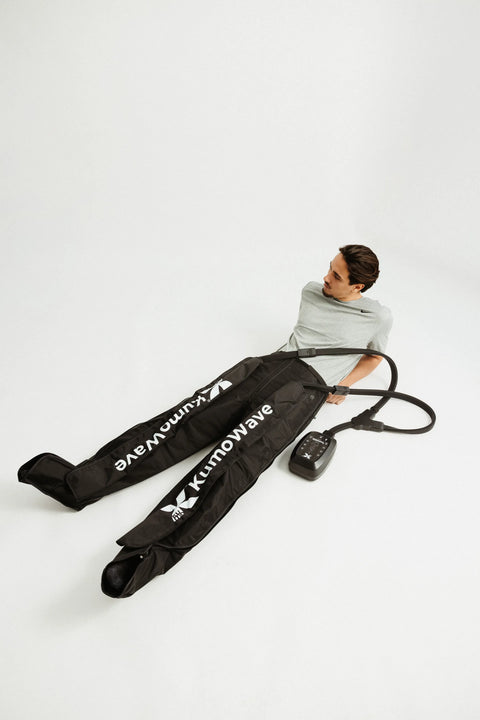
KumoWave Elite – Pressotherapy Pants
Full-coverage trousers. Ideal for lipedema, fluid retention and intensive use.
€799,00 €999,00
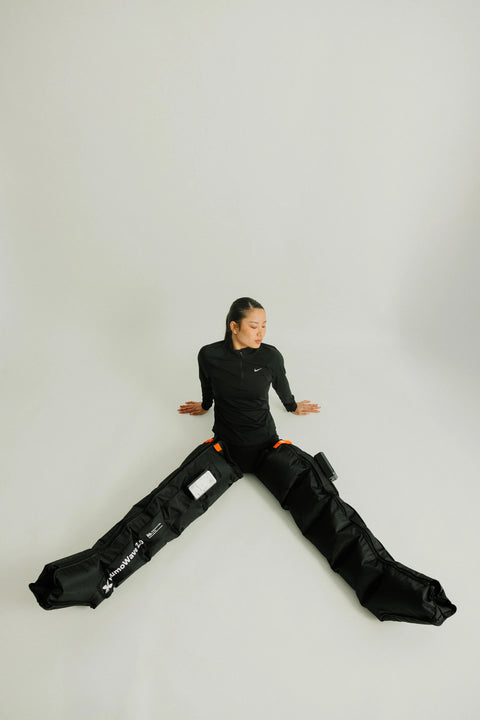
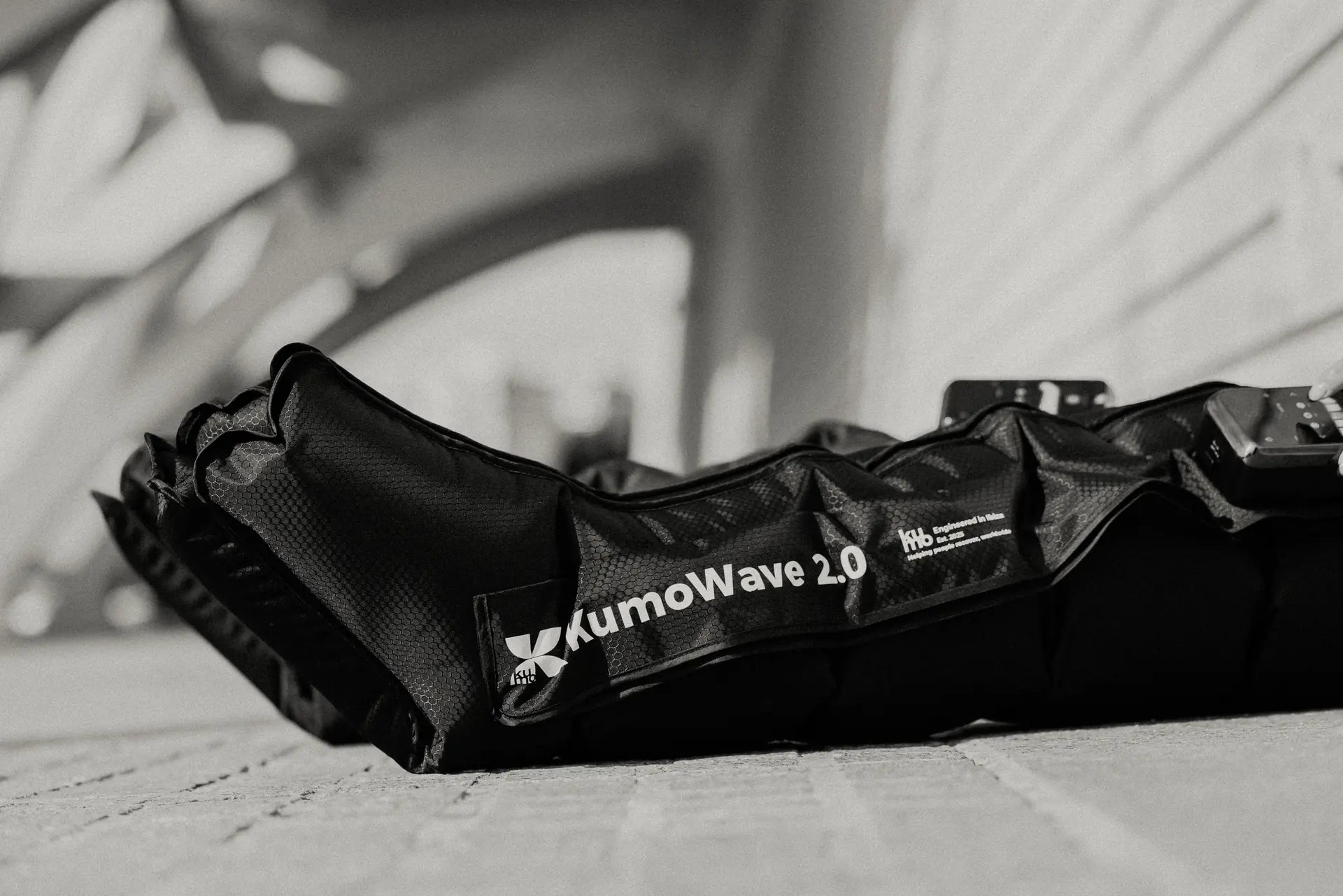
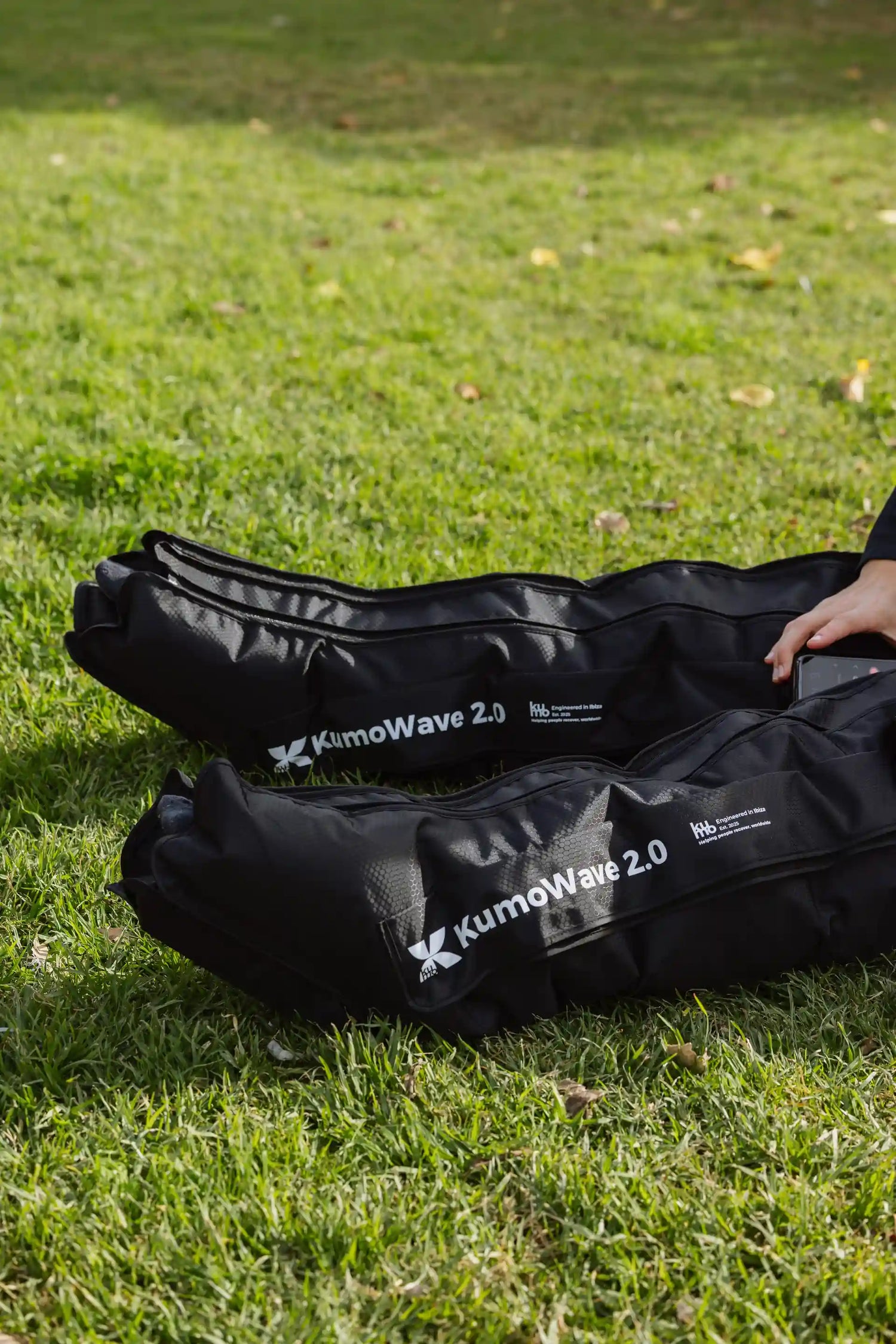
KumoWave 2.0 - Wireless Pressotherapy
Wireless, lightweight boots. Perfect for daily use and recovery.
€499,00 €599,00