

Caffeine really can wreck your sleep. The practical rule is clear: stop caffeine at least 6 to 8 hours before bed, as the NHLBI sums up on sleep habits. If your sleep is fragile, moving your last cup to midday is usually the safer bet.
Sleeping well matters because sleep helps recovery, mood and performance, according to the NIH. There is no universal cutoff, because the response changes with the amount, individual sensitivity, some medications and situations such as pregnancy.
Red & infrared light
Recover faster, at home
★★★★★ 4,8/5 · rated by verified customers
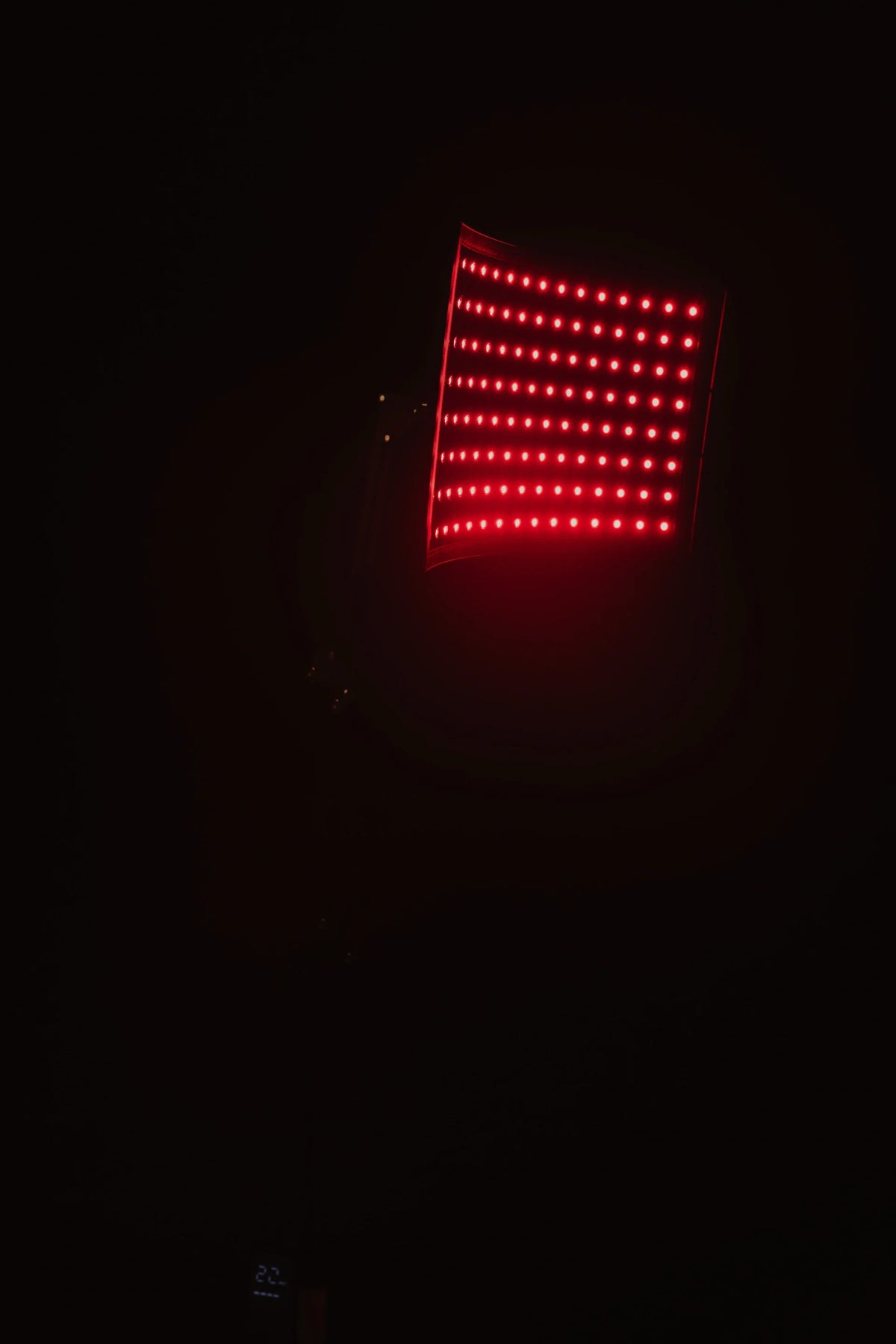
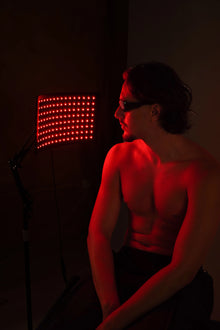
The KumoLux panel supports muscle recovery with full-body red and infrared light.
- 660 nm red + 850 nm infrared light
- Full-body muscle recovery
- Clinically validated biohacking protocols
€399,00€499,00
−10% on your 1st order when you subscribe to the newsletter

Quick answer: the most sensible cutoff time
If you usually go to bed at 11 p.m., your last coffee should land between 3 p.m. and 5 p.m. If you notice that you take a long time to fall asleep or that you wake up at night, move the cutoff to noon or 2 p.m. and watch for several days whether your rest improves. That window translates the recommendation to leave 6 to 8 hours of margin and the conservative advice not to drink coffee after midday given by Mayo Clinic.
Why caffeine can make sleep worse
Half life and individual sensitivity
In adults, caffeine usually has a half life of 2.5 to 4.5 hours, although it can vary quite a lot. In pregnancy, with some drugs, or if you are very sensitive, the body can clear it more slowly. That explains why a mid afternoon cup can still be active when you want to sleep. (ntp.niehs.nih.gov)
Personalized protocol · included with your purchase
Want us to tell you how to use it in your case?
With your purchase, our experts set up your red and infrared light sessions for your sport and goal.
Message us on WhatsAppOur experts reply · no obligation
What the studies show
Experimental evidence also backs that caution. The AASM summarized a 2013 study that compared caffeine taken 0, 3 and 6 hours before bed, and even at 6 hours there was a meaningful reduction in total sleep time.
How late you can have coffee, tea or energy drinks
Think in terms of margin, not a single cutoff for everyone. The most prudent pattern is to leave the last dose at least 6 hours before bed, and better 8 if you sleep poorly or pack a lot of caffeine into the day. On top of that, the FDA points out that sensitivity varies and that some energy drinks, supplements and medications add caffeine too.
Practical guide based on your usual bedtime
These ranges are a practical inference from the guidance above, not a single medical rule.
on your first order when you join the newsletter
We send you the code instantly. No spam.
| Usual bedtime | Sensible last caffeine | Practical reading |
|---|---|---|
| 10 p.m. | Between 2 p.m. and 4 p.m. | If you are sensitive, move closer to midday. |
| 11 p.m. | Between 3 p.m. and 5 p.m. | This is the most useful range if you want to keep margin. |
| Midnight | Between 4 p.m. and 6 p.m. | If you sleep poorly, move the last cup earlier. |
| Night shift | Only at the start of the shift | Avoid using it close to your main sleep. |
If a late cup leaves you jittery, with a racing heart, a headache or fragmented sleep, do not push the limit; move it earlier and cut the total dose. The FDA lists those symptoms as typical signs of too much caffeine.
How to soften the impact without giving up coffee
You do not have to cut it out if it suits you. What helps is spreading the dose, avoiding spikes and watching the hidden sources: colas, tea, chocolate, energy drinks, caffeine added to supplements and some medications. Decaf still keeps a little caffeine.
In 2024 guidance, the FDA cites 400 mg a day as an amount that is not usually linked to negative effects in most adults, but that figure is not a good compass for sleeping better. For rest, the time of your last dose is still the decisive part.
- Take most of your caffeine in the morning, while there is still enough margin for it not to be active at night.
- If you have a second dose, keep it small and early, because caffeine can keep interfering several hours later.
- Check the labels on energy drinks, supplements and painkillers, because they can also add caffeine.
- If decaf unsettles you, treat it as a real source of caffeine and drop it for a few days.
At night it also helps to turn down the visual stimulation. Bright light and screens can make sleep harder, so a dim light routine fits better than a bright evening. If you want to organize that stretch, a night routine with red light therapy and the guide on red light therapy and sleep can work as a complement to sleep hygiene, not as a substitute for the caffeine cutoff. (nhlbi.nih.gov)
When it is worth asking for help
If you are pregnant, trying to get pregnant or breastfeeding, talk to a professional before setting your own limit; the NHS recommends not going over 200 mg a day during pregnancy and the FDA suggests speaking with your professional if you are in those situations. It is also worth getting assessed if you have palpitations, marked anxiety, high blood pressure, or insomnia that keeps coming back over weeks or months.
In those cases the goal is not to tighten the schedule further, but to look into the cause with a doctor or a sleep specialist.
Frequently asked questions
Caffeine and sleep: what cutoff time works before bed?
As a practical rule, leave 6 to 8 hours between your last caffeine and bedtime. If your rest is light, if you struggle to fall asleep or if you have already noticed night wakings, move the cutoff to midday or early afternoon. There is no magic time for everyone, because sensitivity varies a lot. Mayo Clinic and the NHLBI agree that caffeine can keep interfering several hours after you take it.
How late can you drink coffee before falling asleep?
If you go to bed at 11 p.m., a last coffee between 3 p.m. and 5 p.m. usually fits a 6 to 8 hour window. If you are sensitive, do it earlier. The same logic applies to tea, cola and energy drinks, because they add caffeine too. If you find it hard to sleep, try several days with an earlier cutoff and compare how you wake up the next day.
From what time should you stop drinking coffee?
There is no fixed universal time, but as conservative guidance many people with fragile sleep benefit from stopping coffee before midday. Mayo Clinic guidance is especially cautious in people with insomnia or frequent wakings, while the NHLBI points out that the effects can last up to 8 hours. If you do not want to err on the late side, start there and adjust to your real response.
Caffeine and sleep: how many hours before bed should you avoid it?
The practical minimum is 6 hours, but 8 hours is usually better if you want to maximize overnight recovery. That margin is backed by sleep hygiene recommendations and by studies showing that 6 hours before bed can already reduce total sleep. If you take caffeine late, your problem may not only be falling asleep, but sleeping with more wakings and getting up less fresh.
What now?
If the fatigue, the insomnia or the palpitations continue even after moving caffeine earlier, talk to a health professional; and if you just want to polish your evening routine, you can start with the guide to a night routine with red light therapy, move on to red light therapy and sleep: how to use it well and go back to the Kumo Balance home page to keep reading about recovery.

Red & infrared light
KumoLux Panel – Red and Infrared LED Panel
★★★★★ 4,8/5 · rated by verified customers
- 660 nm red + 850 nm infrared light
- Full-body muscle recovery
- Clinically validated biohacking protocols
€399,00€499,00· pay in installments with seQura or Klarna