

Yes, diuretic foods can help. MedlinePlus defines edema as swelling caused by fluid accumulation in tissues and notes that it can occur due to too much salt, heat, or standing for too long.
The good news is that, in mild cases, a combination of less sodium, more water-rich foods, and some movement usually works best. Mayo Clinic reminds us that reducing salt and elevating or compressing the affected area helps, especially when the swelling is located in the legs or ankles.
Pressotherapy at home
End the day with light legs
★★★★★ 4,8/5 · rated by verified customers
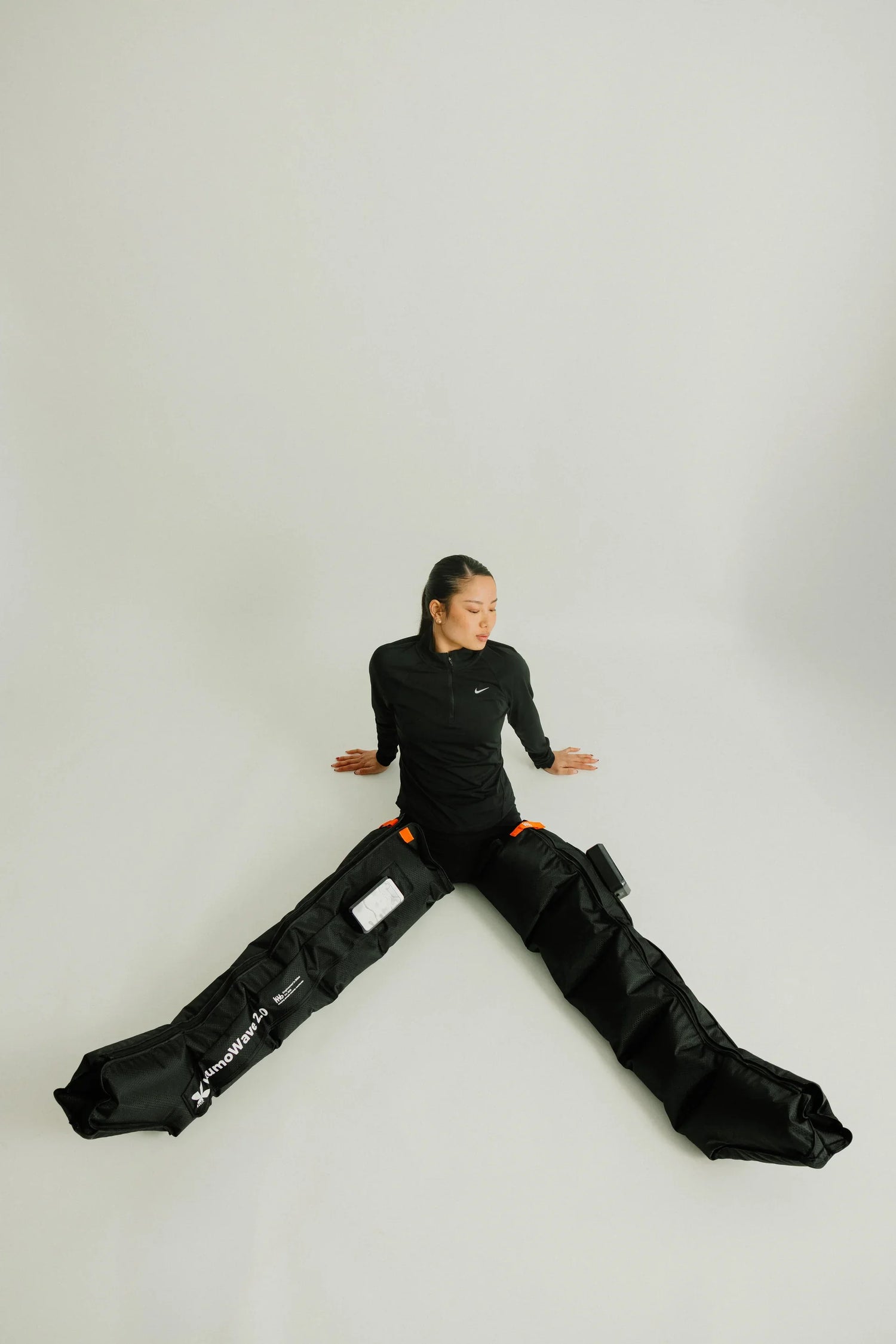
KumoWave pressotherapy boosts circulation and helps drain fluid with sequential compression, in 20-minute sessions at home.
- Boosts circulation and helps drain fluid
- Chamber-based compression, adjustable to you
- Sequential compression that mimics manual drainage
€799,00€999,00
−10% on your 1st order when you subscribe to the newsletter

If you want to understand the causes first, you should read the guide on causes, symptoms, and real solutions for fluid retention. And if the discomfort is concentrated in your ankles or calves, this explanation on fluid retention in the legs is also useful.
What you should know before choosing foods
Not all foods act as a medical diuretic. The NIH factsheet on potassium explains that this mineral is closely related to sodium, the main regulator of extracellular fluid volume, so a diet rich in fresh fruits and vegetables usually works better than one based on salty ultra-processed foods.
Personalized protocol · included with your purchase
Want us to tell you how to use it in your case?
With your purchase, our experts prepare a personalized usage protocol for your case: sport, circulation, fluid retention, pregnancy or lipedema.
Message us on WhatsAppOur experts reply · no obligation
Additionally, mild leg swelling can worsen with heat and many hours of standing. MedlinePlus describes it this way, which is why a fresher, low-salt eating pattern is often more helpful in summer. (medlineplus.gov)
Top 15 natural diuretic foods
The following selection prioritizes foods that Harvard Health places between 70% and 100% water, a range that helps add hydration without adding much salt or ultra-processed foods. Harvard Health specifically highlights fruits and vegetables as the great basis of water-rich foods.
Quick Table: 15 foods that can help reduce swelling
| Food | Why it can help | How to incorporate it |
|---|---|---|
| Cucumber | It's in the 90%-100% water range on the Harvard list. | Sliced, in salads, or with natural yogurt and fresh herbs. |
| Celery | It's in the 90%-100% water range on the Harvard list. | As raw sticks, in light creams, or as a base for mild stir-fries. |
| Romaine lettuce | It's in the 90%-100% water range on the Harvard list. | Use it as a base for large, fresh salads. |
| Watermelon | It's in the 90%-100% water range on the Harvard list. | Better in fresh slices than in juice. |
| Zucchini | It's in the 90%-100% water range on the Harvard list. | Steamed, grilled, or sautéed with very little salt. |
| Strawberries | It's in the 90%-100% water range on the Harvard list. | As a dessert, for breakfast, or in a bowl with seeds. |
| Asparagus | It's in the 90%-100% water range on the Harvard list. | Steamed, baked, or as a light side dish. |
| Baby carrots | It's in the 90%-100% water range on the Harvard list. | As a crunchy snack or in salads. |
| Broccoli | It's in the 90%-100% water range on the Harvard list. | Best cooked al dente to maintain texture and lightness. |
| Cabbage | It's in the 90%-100% water range on the Harvard list. | Try it in coleslaw with mild vinegar and little salt. |
| Bell pepper | It's in the 90%-100% water range on the Harvard list. | In raw strips, roasted, or sautéed with other vegetables. |
| Spinach | It's in the 90%-100% water range on the Harvard list. | Raw in salad or lightly sautéed. |
| Green grapes | It's in the 80%-90% water range on the Harvard list. | As a convenient snack or to accompany a light breakfast. |
| Orange | It's in the 80%-90% water range on the Harvard list. | Better whole, to take advantage of its fiber and refreshing effect. |
| Pineapple | It's in the 80%-90% water range on the Harvard list. | In fresh slices, alone or in a simple fruit salad. |
If you want to review specific composition data, USDA FoodData Central is the public reference database for nutrients and food content.
on your first order when you join the newsletter
We send you the code instantly. No spam.
How to use a diuretic diet to reduce swelling and edema
For the diet to have a real effect, it's not enough to just add fruits and vegetables: you also need to reduce salt and ensure mobility. Mayo Clinic advises reducing sodium, elevating the swollen area, and using compression when edema affects the legs or ankles; Harvard reminds us that water-rich foods complement, but do not replace, adequate hydration.
- Reduce hidden salt. Ultra-processed foods, cold cuts, ready-made soups, and salty snacks increase sodium, and sodium promotes fluid accumulation.
- Fill your plate with water and color. Cucumber, lettuce, watermelon, strawberries, or zucchini help add volume and freshness without a high salt load.
- Eat whole fruit regularly. Harvard Health recommends snacks like grapes, oranges, or a slice of watermelon, which provide fluid and are usually easy to incorporate into daily life.
- Don't cut back on hydration. Water-rich foods complement intake but do not replace drinking enough fluids.
- Move and elevate your legs. If the swelling is in the ankles or calves, Mayo Clinic advises movement, compression, and elevating the affected area to promote fluid return.
- Monitor potassium if you have sensitive kidneys. The NIH notes that kidney disease and some medications change how the body handles potassium, so it's not advisable to make major changes without guidance. (ods.od.nih.gov)
If you want to turn all this into a more complete routine, this guide on habits, foods, and exercises that do help fits very well as the next read.
When food is not enough
If swelling appears suddenly, in only one leg, or with pain, shortness of breath, or chest pain, don't attribute it solely to diet. Mayo Clinic recommends immediate medical attention in such cases, as they may indicate a clot, a heart problem, or another serious cause. (mayoclinic.org)
In other words: food helps, but it does not replace a diagnosis when edema has a medical cause. MedlinePlus and Mayo Clinic insist that treating the cause is what truly corrects the underlying problem.
Frequently asked questions
What natural diuretic foods help reduce fluid retention?
The most useful are usually foods with a lot of water and little salt: cucumber, celery, romaine lettuce, watermelon, strawberries, zucchini, spinach, bell pepper, and green grapes. Harvard Health explains that fruits and vegetables are the big stars of water-rich foods, and MedlinePlus reminds us that reducing sodium also helps reduce edema. If the swelling is persistent or appears with other symptoms, do not treat it as a simple dietary problem.
What are the 15 best diuretic foods to combat fluid retention?
A practical list would be: cucumber, celery, romaine lettuce, watermelon, zucchini, strawberries, asparagus, baby carrots, broccoli, cabbage, bell pepper, spinach, green grapes, orange, and pineapple. The logic is not that they are all "diuretics" in the medical sense, but that they fit very well into a pattern with a lot of water and little salt. Harvard Health places these foods in its most hydrating groups.
How to use a diuretic diet to reduce swelling and edema?
Use it as a supportive strategy: reduce hidden salt, fill half your meal with fresh vegetables, eat whole fruit between meals, drink water regularly, and add movement or elevation if swelling is in your legs. Mayo Clinic specifically recommends reducing sodium, using compression, and elevating the affected area; Harvard reminds us that water-rich foods complement, but do not replace, daily hydration.
What side effects can accompany excessive consumption of natural diuretics for fluid retention?
Problems usually arise more from excess potassium or poorly planned restrictions than from fruit or vegetables themselves. The NIH indicates that, in people with kidney disease or certain medications, even dietary potassium can promote hyperkalemia; it also warns about salt substitutes rich in potassium. In people with normal kidney function, dietary potassium is usually not a problem, but it is advisable to seek professional guidance if you take medication or have sensitive kidneys.
Which fruits and vegetables have a significant diuretic effect on fluid retention?
The most useful are usually those richest in water: cucumber, watermelon, celery, romaine lettuce, zucchini, strawberries, asparagus, bell pepper, broccoli, spinach, grapes, orange, and pineapple. Harvard Health places them in its most hydrating group, with water percentages between 70% and 100%. In practice, the important thing is not to look for a miracle, but to use them to lower salt density and increase the volume of fresh food on your plate.
What now?
If you want to move from theory to a simple routine, start with Kumo Balance and supplement what you've learned with habits, foods, and exercises that do help. This will give you a more complete strategy to eat better, move more, and feel less heavy day-to-day.
KumoWave pressotherapy
Choose your at-home pressotherapy

KumoWave Elite – Pressotherapy Pants
Full-coverage trousers. Ideal for lipedema, fluid retention and intensive use.
€799,00 €999,00

KumoWave 2.0 - Wireless Pressotherapy
Wireless, lightweight boots. Perfect for daily use and recovery.
€499,00 €599,00