
Types of creatine: why monohydrate is the most studied and how to assess its purity
Creatine is not the same in all its forms.
Types of collagen: what types I, II, and III do and where each is found
Collagen is not just one type. Types I, II, and III have different functions in the extracellular matrix: type I predominates in load-bearing tissues, type II in cartilage, and type III in the more...
Pes anserine tendinitis: why the inner knee hurts
It hurts on the inside. When the pain is located a few centimeters below the inner joint line, pes anserine is one of the first causes considered, although it is not the only one. The AAOS guide on...
Matcha tea: what it is, how it’s made, and what sets it apart from green tea
Matcha tea is not just any green tea.
Piriformis syndrome: how the glute can mimic sciatica
Piriformis syndrome can mimic sciatica. When the piriformis muscle irritates the sciatic nerve, the pain usually starts in the buttock and may radiate down the back of the thigh, causing the condit...
Discover all our products
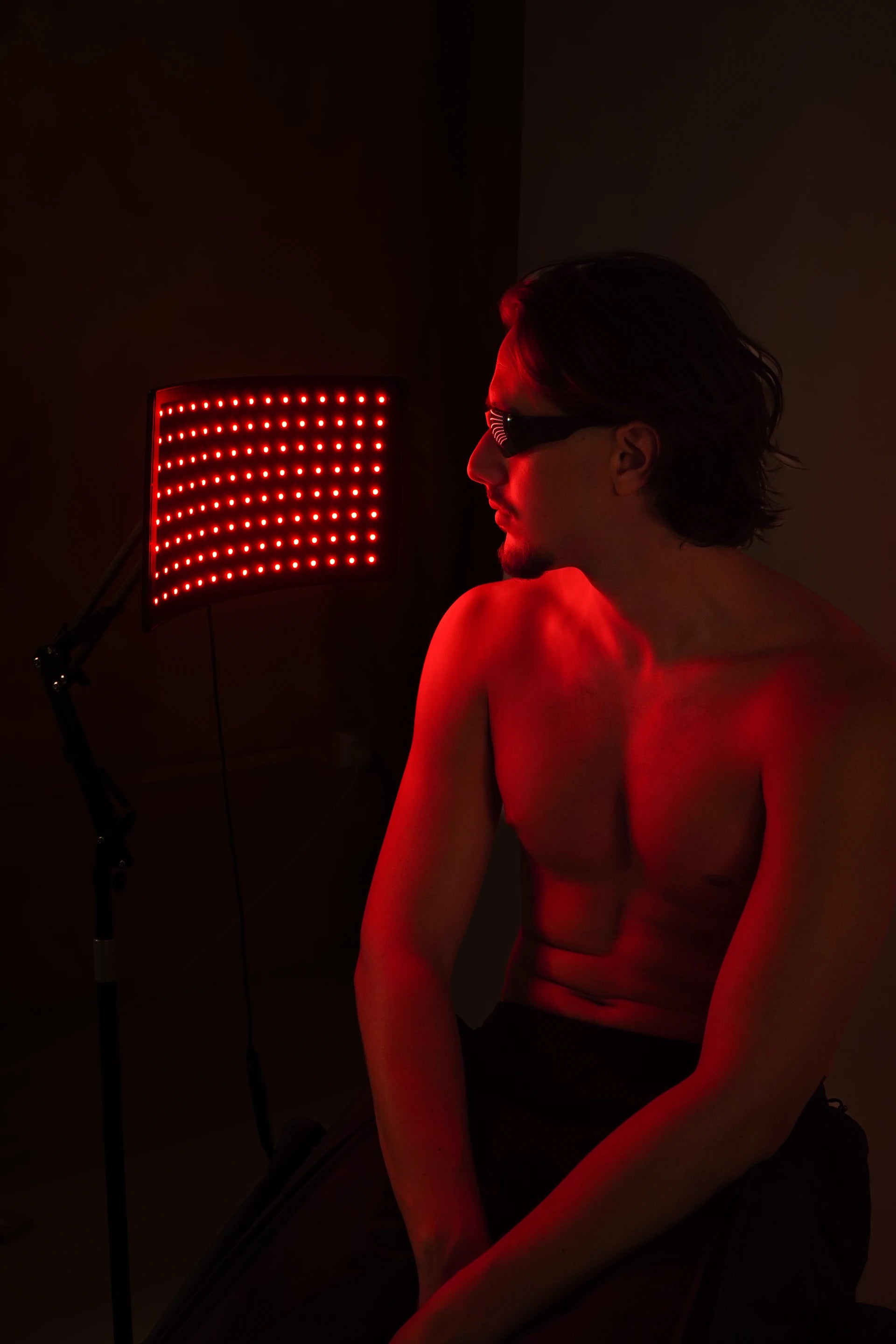
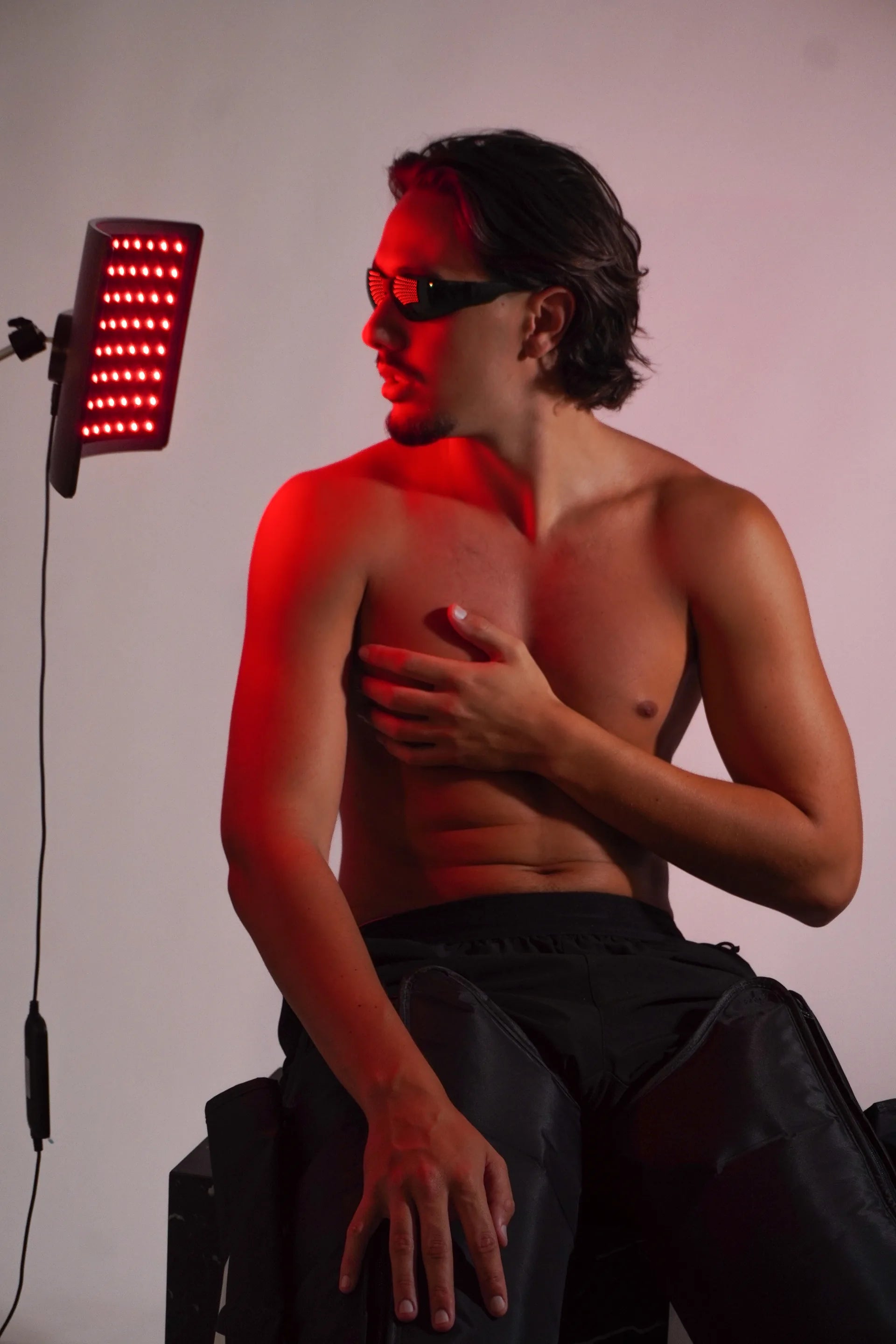
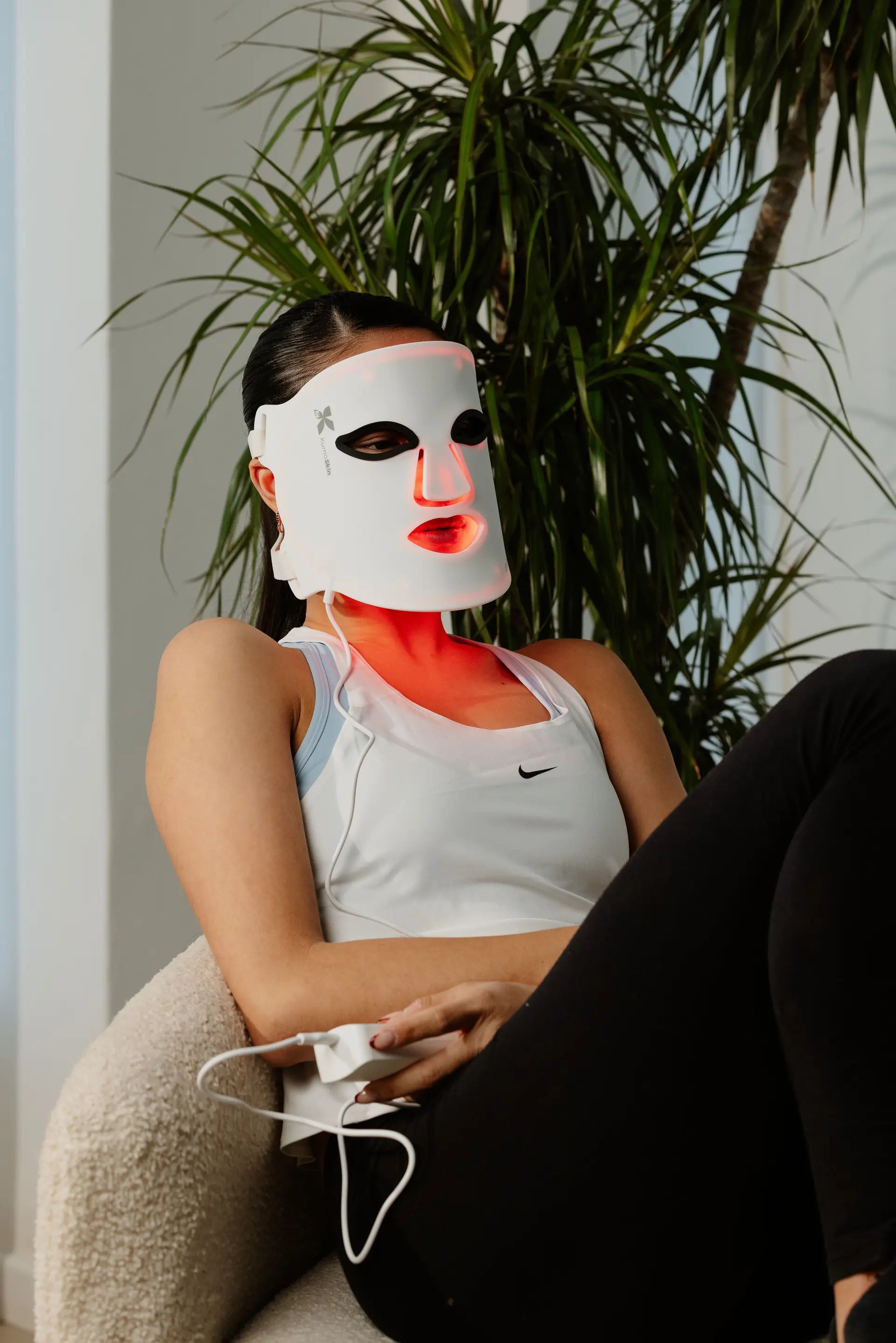
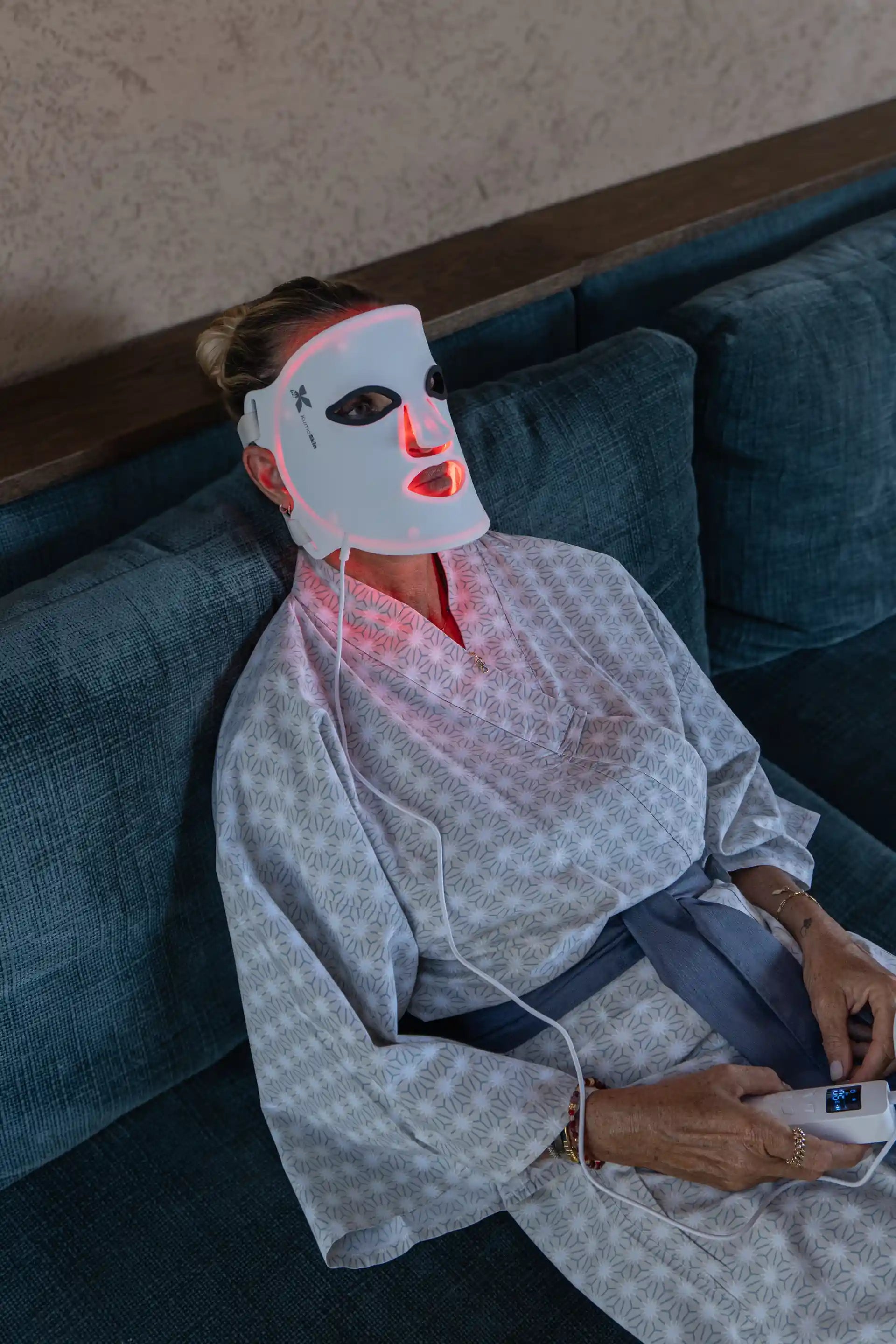
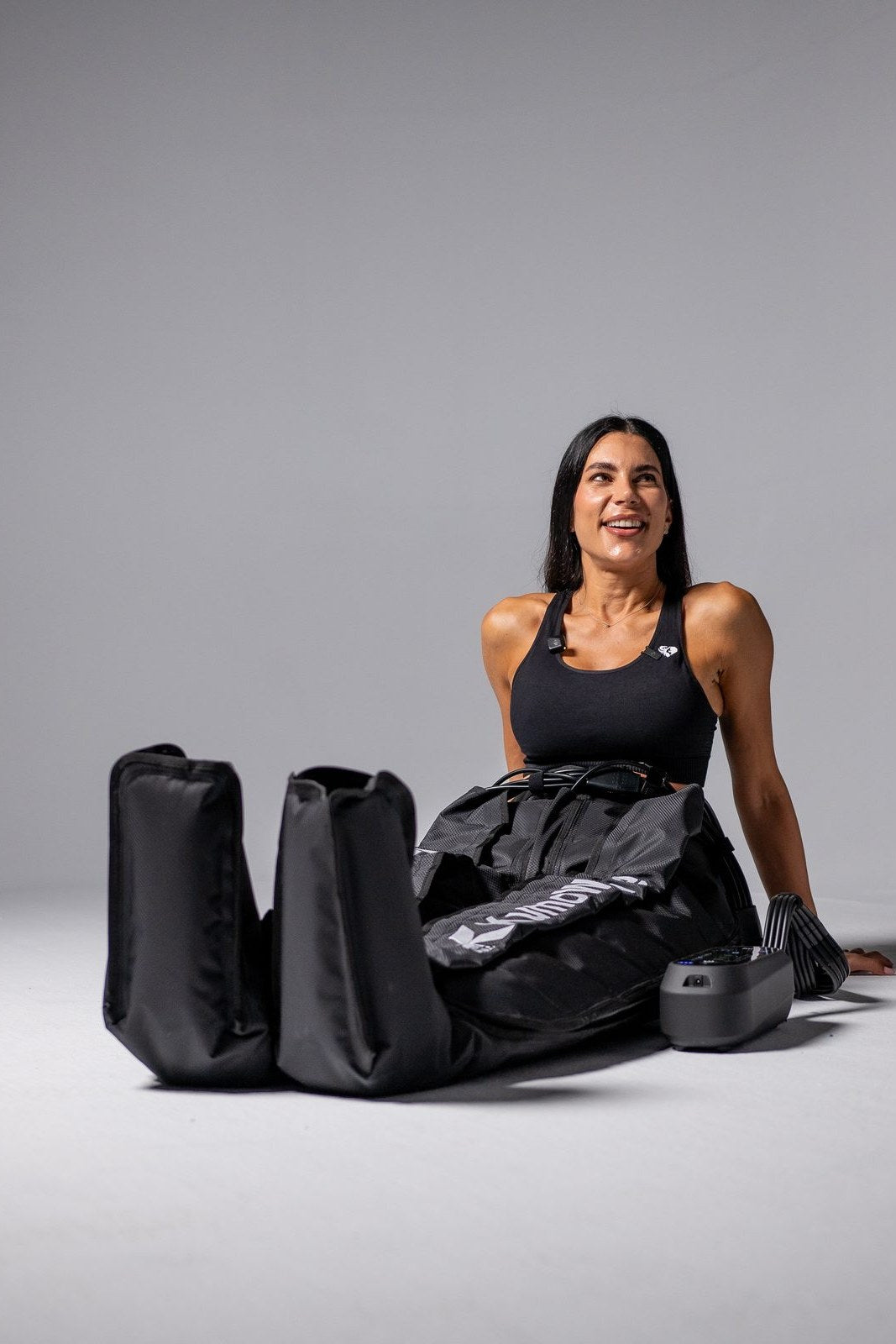
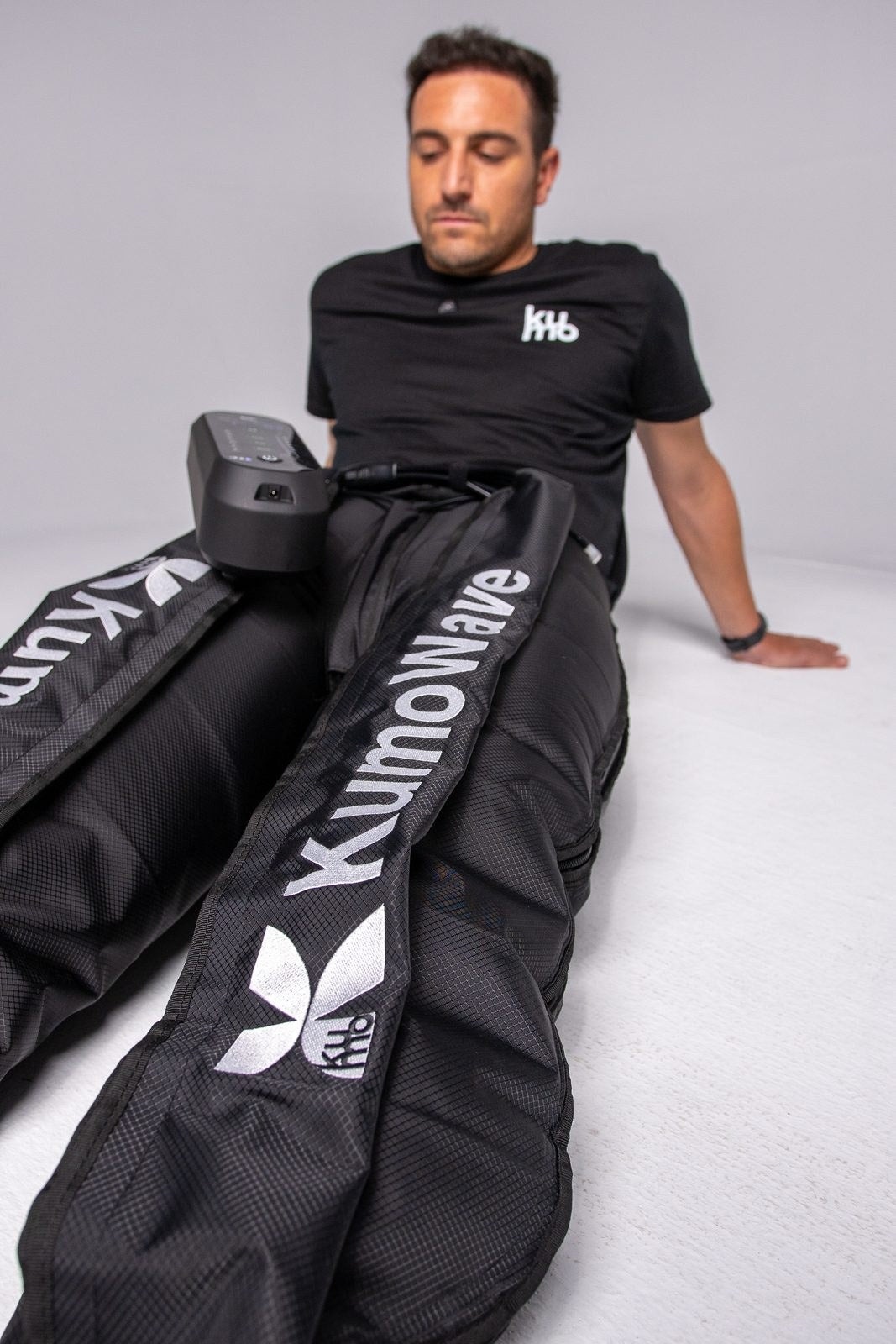
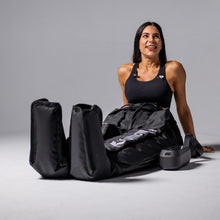
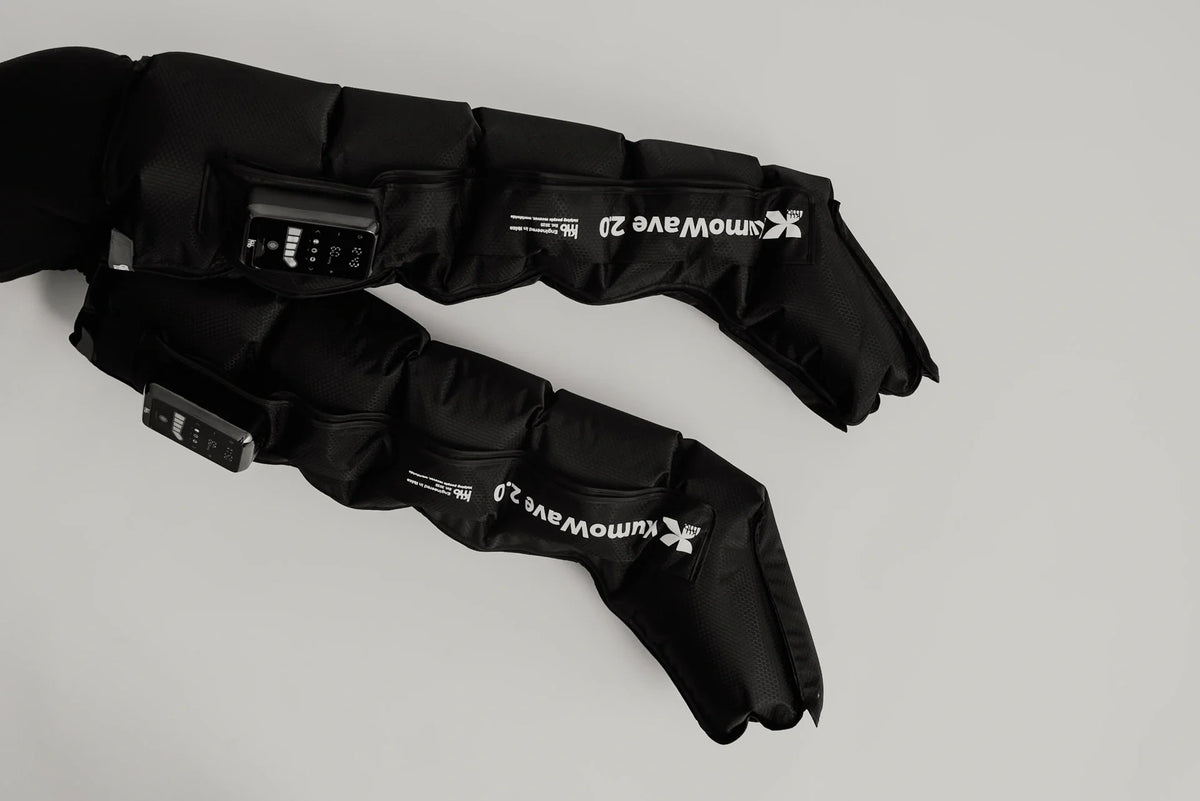
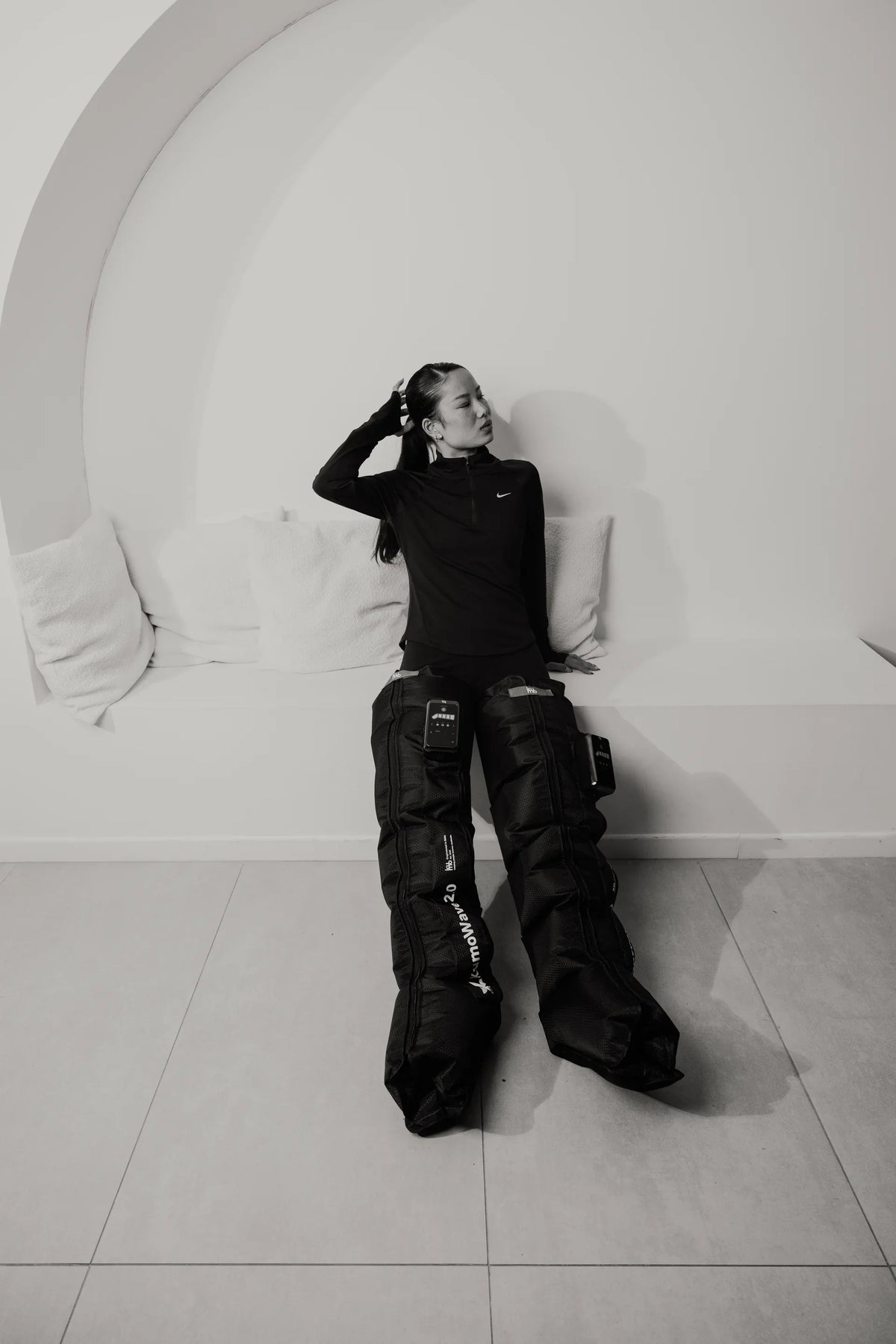
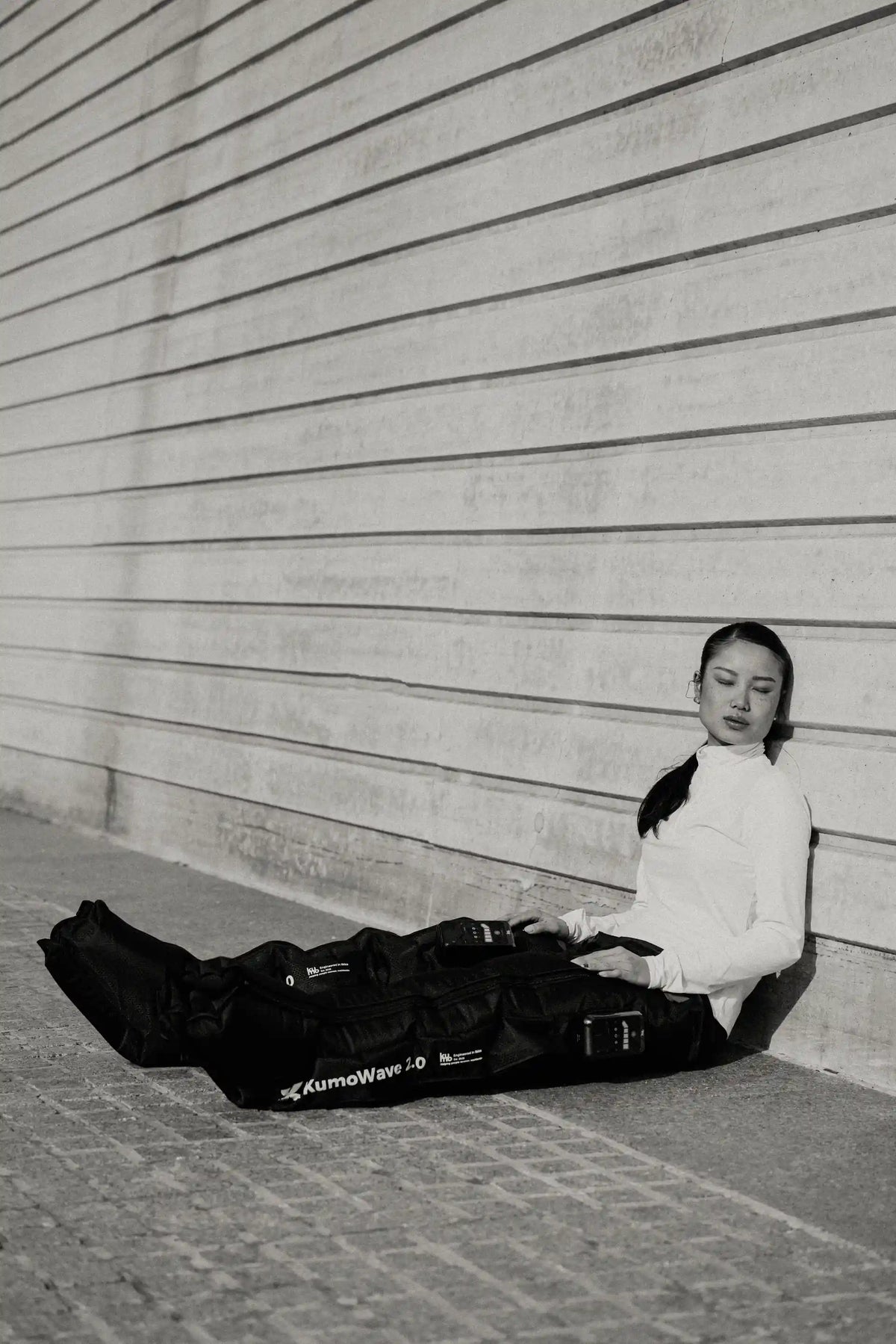
KumoWave Elite X is our most complete pressotherapy: a trouser with 16 overlapping chambers that reaches from the feet to the lower back and abdomen, 6 modes, pressure from 30 to 280 mmHg in steps of 5 and chambers you switch on or off to suit you: countless combinations for every session.