

Trochanteritis is often painful when walking, climbing stairs, or sleeping on that side. In practice, it is often grouped under trochanteric pain syndrome, a condition that recent literature links to lateral hip pain, gluteal tendons, and, in some cases, the peritrochanteric bursa. (pmc.ncbi.nlm.nih.gov)
The good news is that daily management is usually based on reducing compression, adjusting posture, and gradually returning to movement. Current reviews and the 2024 meta-analysis on exercise for GTPS point to modest but useful improvements when the load is well adapted.
Pressotherapy at home
End the day with light legs
★★★★★ 4,8/5 · rated by verified customers
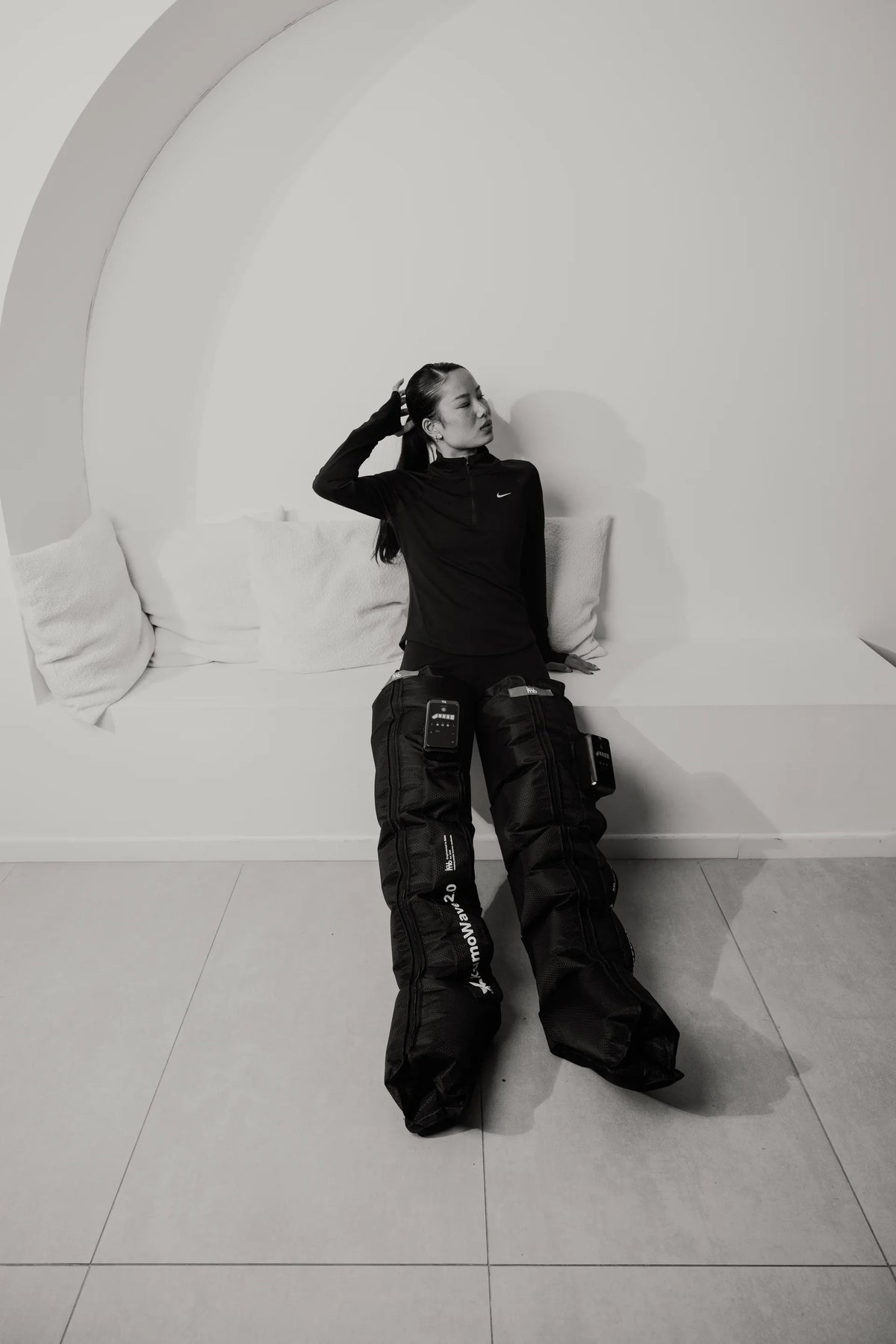
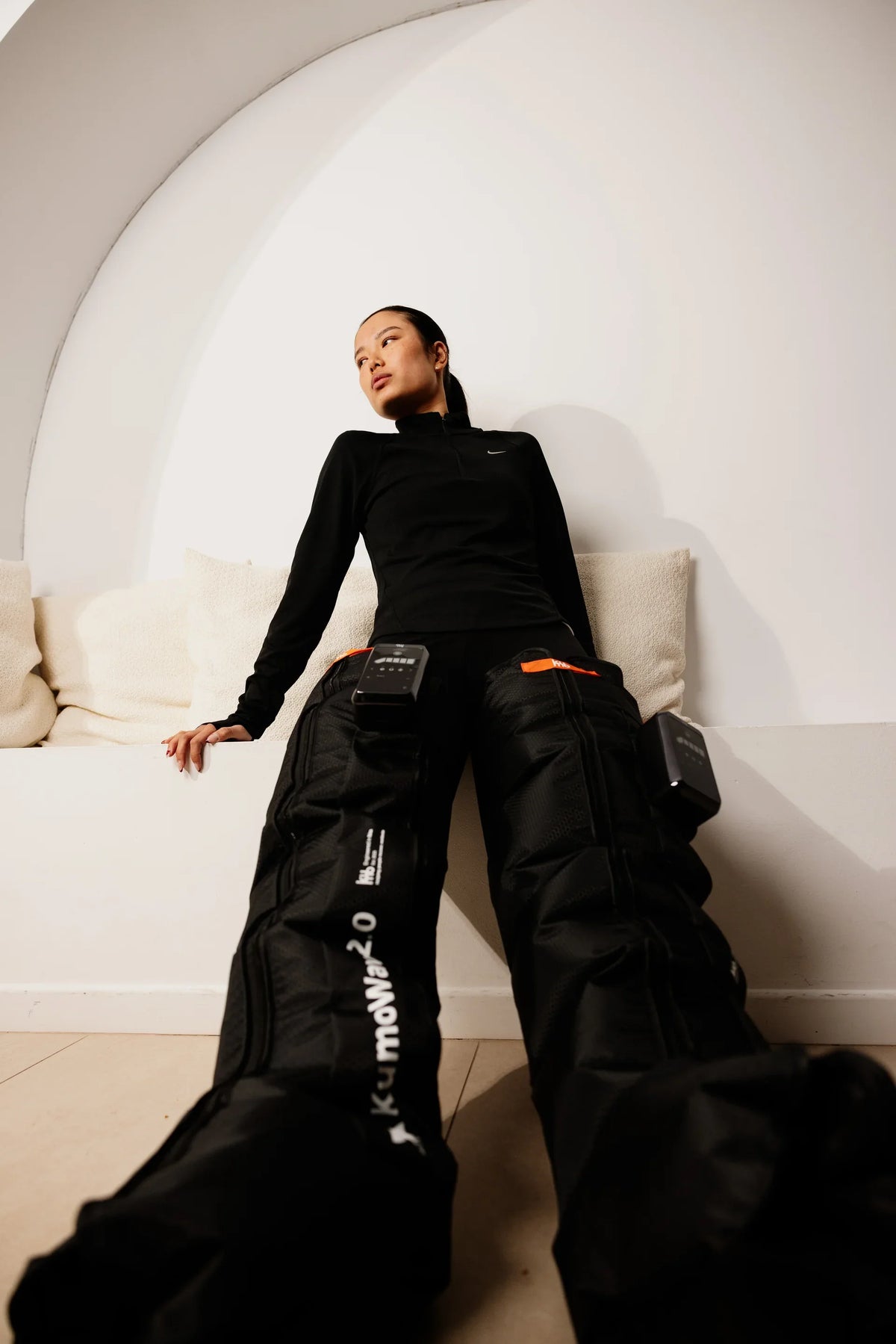
KumoWave pressotherapy boosts circulation and helps drain fluid with sequential compression, in 20-minute sessions at home.
- Boosts circulation and helps drain fluid
- Chamber-based compression, adjustable to you
- Sequential compression that mimics manual drainage
€799,00€999,00
−10% on your 1st order when you subscribe to the newsletter

What trochanteritis really is
The term “trochanteritis” is widely used to refer to lateral hip pain, but current reviews prefer the term trochanteric pain syndrome, because the cause is not always an inflamed bursa; gluteal tendons and mechanical compression of the area are often involved, as summarized by the 2023 clinical review on lateral hip pain and the review on the differential diagnosis of hip pain in adults. (link.springer.com)
Therefore, a careful clinical examination is key to differentiating this condition from other causes of hip pain, such as osteoarthritis, femoroacetabular impingement, or lumbar stenosis. In many cases, the medical history and examination are enough to guide the diagnosis.
Personalized protocol · included with your purchase
Want us to tell you how to use it in your case?
With your purchase, our experts prepare a personalized usage protocol for your case: sport, circulation, fluid retention, pregnancy or lipedema.
Message us on WhatsAppOur experts reply · no obligation
How to recognize lateral hip pain
The most typical symptom is localized discomfort on the side of the hip, sometimes radiating to the side of the thigh or the buttock. It usually worsens with direct pressure, prolonged support, and some repeated everyday movements.
Everyday movements that usually worsen or relieve it
| Site or movement | What usually happens | Useful adjustment |
|---|---|---|
| Lying on the affected hip | Lateral compression usually increases nighttime pain. | Sleep on your back or on your side with a pillow between your knees. |
| Crossing your legs or putting all your weight on one hip | The area receives more mechanical load. | Distribute your weight between both legs and avoid leaning on one hip. |
| Climbing stairs, walking uphill, or running without progression | It usually irritates the abductors and the trochanter more. | Reduce the volume for a few days and gradually return to the movement. |
| Sitting for many hours in a row | Increases stiffness and makes the area more sensitive when you get up. | Take frequent breaks and change your posture often. |
These adjustments, which appear again and again in reviews and clinical leaflets, are usually more useful than insisting on stretching or aggressively massaging the area.
What to do day to day
During the most reactive phase, prioritize relative rest and local cold for the first 2 or 3 days. The MedlinePlus self-care sheet recommends ice several times a day at the beginning, especially when the discomfort has just appeared or has flared up again.
on your first order when you join the newsletter
We send you the code instantly. No spam.
If you spend many hours sitting, break up your sitting time regularly, avoid crossing your legs, and change your posture frequently. If you are interested in better organizing these types of breaks, a routine for those who spend the day sitting can help you introduce gentle mobility and breaks without improvising.
It also helps to set up a simple environment to always repeat the same useful movements. If it is easier for you to stay consistent when everything is close at hand, a well-organized recovery corner at home can serve as a visual reminder not to skip your breaks.
Gentle exercises and movements that are usually better tolerated
When the pain subsides, exercise usually works better than complete rest. The 2024 meta-analysis on exercise for GTPS found small but useful improvements in long-term pain and function, and the 2022 international consensus recommends combining education, load management, and progressive abductor work.
Start with what is tolerable: short walks on flat ground, gentle glute isometric contractions, pelvic stability exercises, and progressive strength training. The idea is to finish the session feeling like you have worked out, not with a clear and sustained increase in pain.
If you are reorganizing your routine to move better without overloading the hip, a screen-free evening recovery ritual can be useful, because rest, regularity, and consistency matter as much as the isolated movement.
What to avoid while the area is sensitive
While the pain is active, it is usually better to reduce compression and mechanical load than to seek intense stretches or direct pressure. Recent reviews agree that useful management involves reducing what irritates the area and gradually returning to loading it.
- Lying on the affected hip usually increases compression and makes nighttime pain wake you up earlier.
- Crossing your legs while sitting or standing can keep the hip in a more compressive position.
- Forcing intense stretches on the side of the hip can worsen irritation if the area is very sensitive.
- Climbing up and down many stairs or suddenly returning to running is usually too much at the beginning.
- Applying direct pressure with massage devices on the most painful point is not a good idea if the area is very irritable.
If you use a massage gun on another area of the body, the systematic review on percussive massage recommends avoiding wounds, bruises, recent fractures, sensitivity alterations, and other risk areas; as a precaution, do not apply it over a very sensitive or recently inflamed hip. (pmc.ncbi.nlm.nih.gov)
When to consult
If the pain does not improve after adjusting the load, if it becomes recurrent, or if it is unclear whether it is trochanteritis, osteoarthritis, femoroacetabular impingement, or referred lumbar pain, a clinical evaluation is worthwhile. The literature emphasizes that differential diagnosis changes the treatment approach.
Check first if there is fever, trauma, inability to bear weight, clearly progressive nighttime pain, unexplained weight loss, urinary symptoms, or neurological signs. These are findings that no longer fit with simple mechanical overload and require medical evaluation. (pmc.ncbi.nlm.nih.gov)
If you are pregnant, breastfeeding, under the age of 18, or have kidney, liver, or heart disease, or take regular medication, do not improvise with painkillers, heat, or massage devices: confirm first with your doctor or pharmacist which measure is right for you.
Frequently asked questions about trochanteritis
What is trochanteritis and how to identify lateral hip pain in everyday life?
It is the common name many people use for pain on the outside of the hip. Today, the literature usually refers to trochanteric pain syndrome, because the problem is not always just the bursa: the gluteal tendons can also be involved. The most typical thing is to notice pain when sleeping on that side, climbing stairs, walking a lot, or getting up from a chair. If the condition persists, a clinical examination is advisable to determine the cause.
What low-impact exercises and stretches can soothe trochanteritis without worsening the pain?
What is usually best tolerated is low-impact and progressive work: short walks on flat ground, gentle glute isometrics, pelvic control, and well-dosed strength exercises. Exercise can help in the long term, but it is not advisable to turn it into an endurance test. If a movement leaves the hip more sensitive for hours or the next day, lower the intensity and reduce the volume. The key is to load without irritating.
How to distinguish trochanteritis from other causes of hip pain and when to consult?
The main clue is the lateral location and sensitivity when bearing weight or lying on that side. Even so, that is not enough, because osteoarthritis, femoroacetabular impingement, or even referred lumbar pain can look similar. That is why clinical examination is important. Consult if the pain does not improve with load changes, if fever appears, trauma, inability to bear weight, or symptoms that do not fit with simple mechanical overload.
What self-care measures can quickly reduce discomfort in the trochanter?
At the beginning, it usually helps to reduce the load, apply local cold for the first 2 or 3 days, and avoid sleeping on the affected side. It also helps to put a pillow between the knees if you sleep on your side, distribute the weight better between both legs, and take frequent breaks if you work sitting down. These are simple changes, but they usually reduce compression in the area and make everyday life more bearable.
Can trochanteritis affect active people and what daily adjustments should be made?
Yes, especially when there is repeated overload, sudden changes in training, or many activities involving stairs, slopes, or prolonged support. The answer usually involves better regulating the load, not completely stopping movement. It is advisable to review the weekly volume, avoid activity peaks, and return to exercise gradually. If the discomfort reappears frequently, it is a good idea to reorganize the routine and seek professional evaluation.
So what now?
If you want to go from theory to a simple routine, start with the Kumo Balance homepage and combine what you have learned with a screen-free evening recovery ritual. The key is not to do more, but to better sustain the small adjustments that reduce compression and help you move your hip with less discomfort.
KumoWave pressotherapy
Choose your at-home pressotherapy
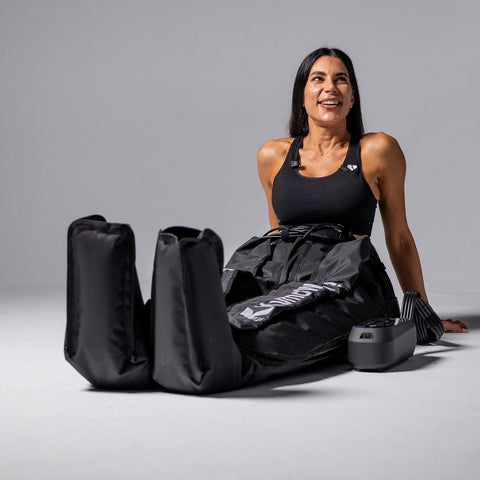
KumoWave Elite X – Pressotherapy Pants
Full-coverage trousers. Ideal for lipedema, fluid retention and intensive use.
€799,00 €999,00
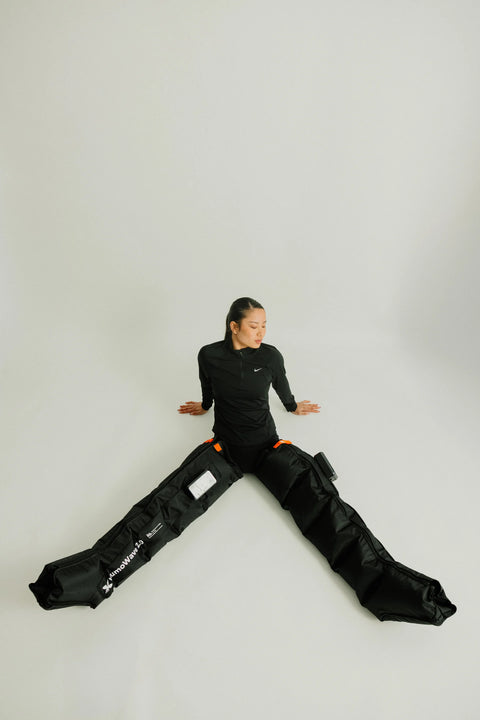
KumoWave 2.0 - Wireless Pressotherapy
Wireless, lightweight boots. Perfect for daily use and recovery.
€499,00 €599,00