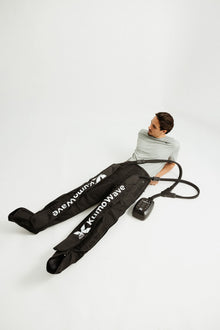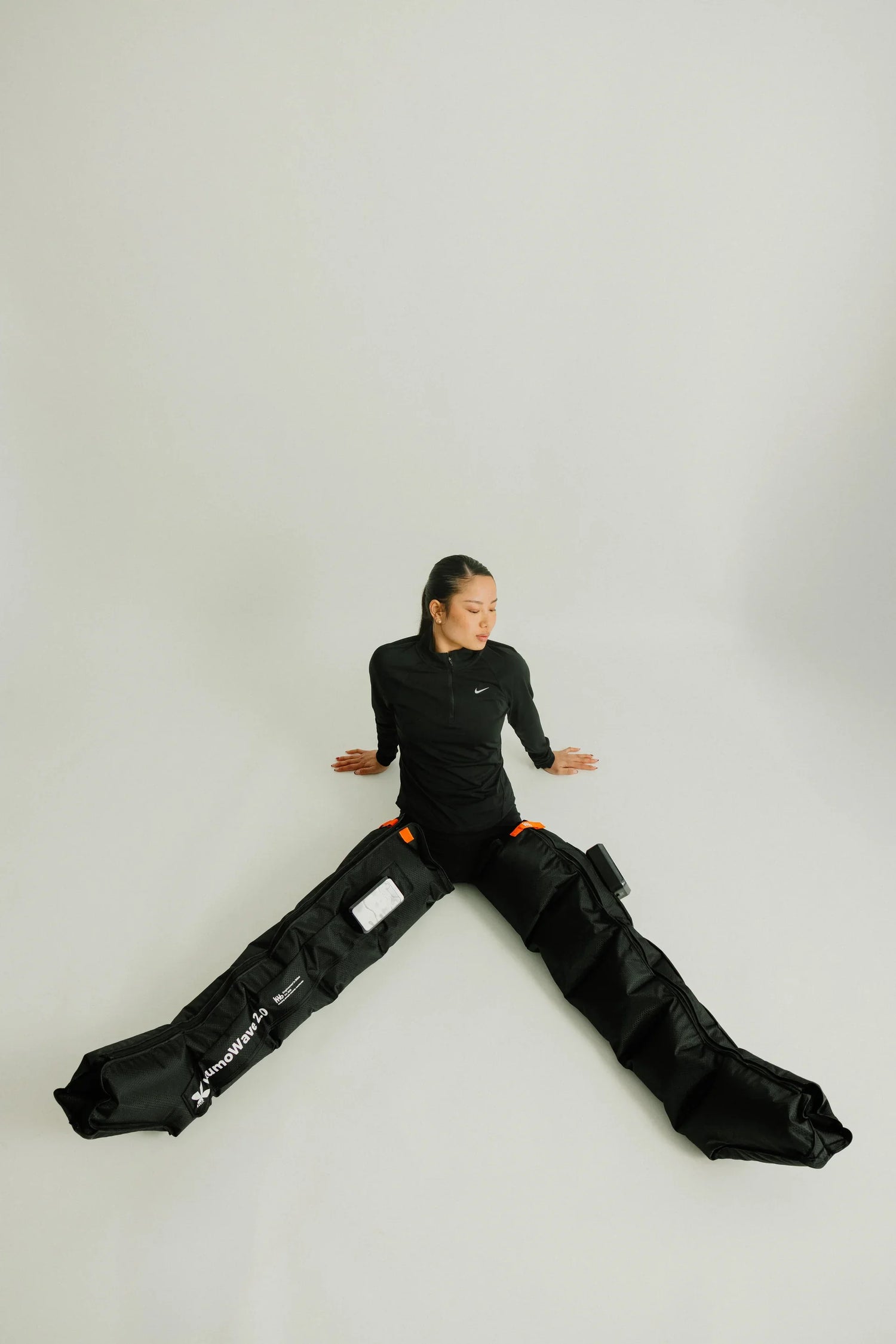
Presotherapy should not irritate your skin.
If you have sensitive skin, occasional dermatitis, a tendency to dryness, or simply notice itchiness after using compression boots, it doesn't mean you have to give up on recovery: it usually means adjusting skin preparation, contact layer, pressure, and hygiene. In this guide, I explain how to do it with a clear and careful approach, designed for those who use (or want to use) Kumo as part of their wellness routine.
Pressotherapy at home
End the day with light legs
★★★★★ 4,8/5 · rated by verified customers
KumoWave pressotherapy boosts circulation and helps drain fluid with sequential compression, in 20-minute sessions at home.
- Boosts circulation and helps drain fluid
- Chamber-based compression, adjustable to you
- Sequential compression that mimics manual drainage
€799,00€999,00
−10% on your 1st order when you subscribe to the newsletter

Why presotherapy can irritate sensitive skin
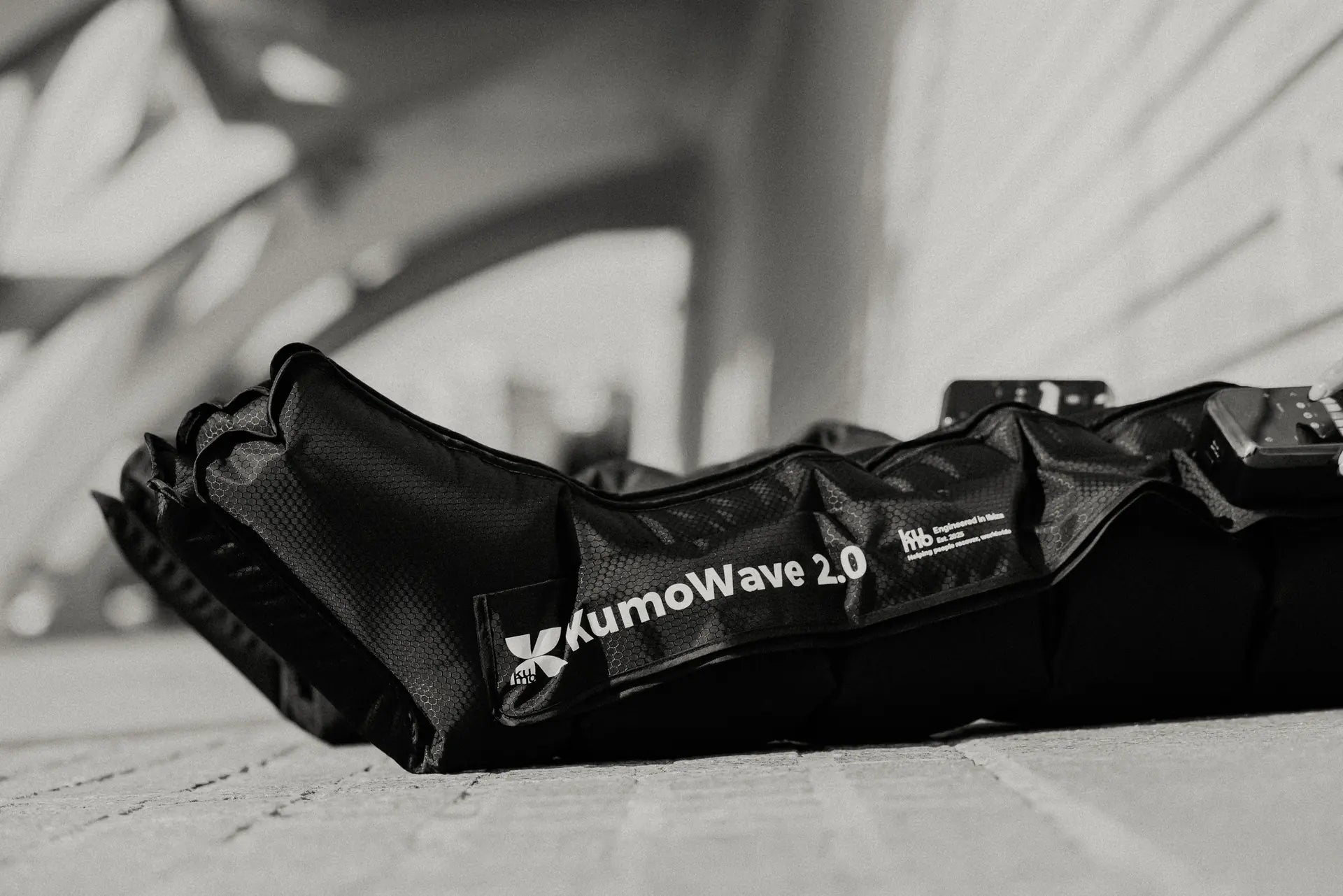
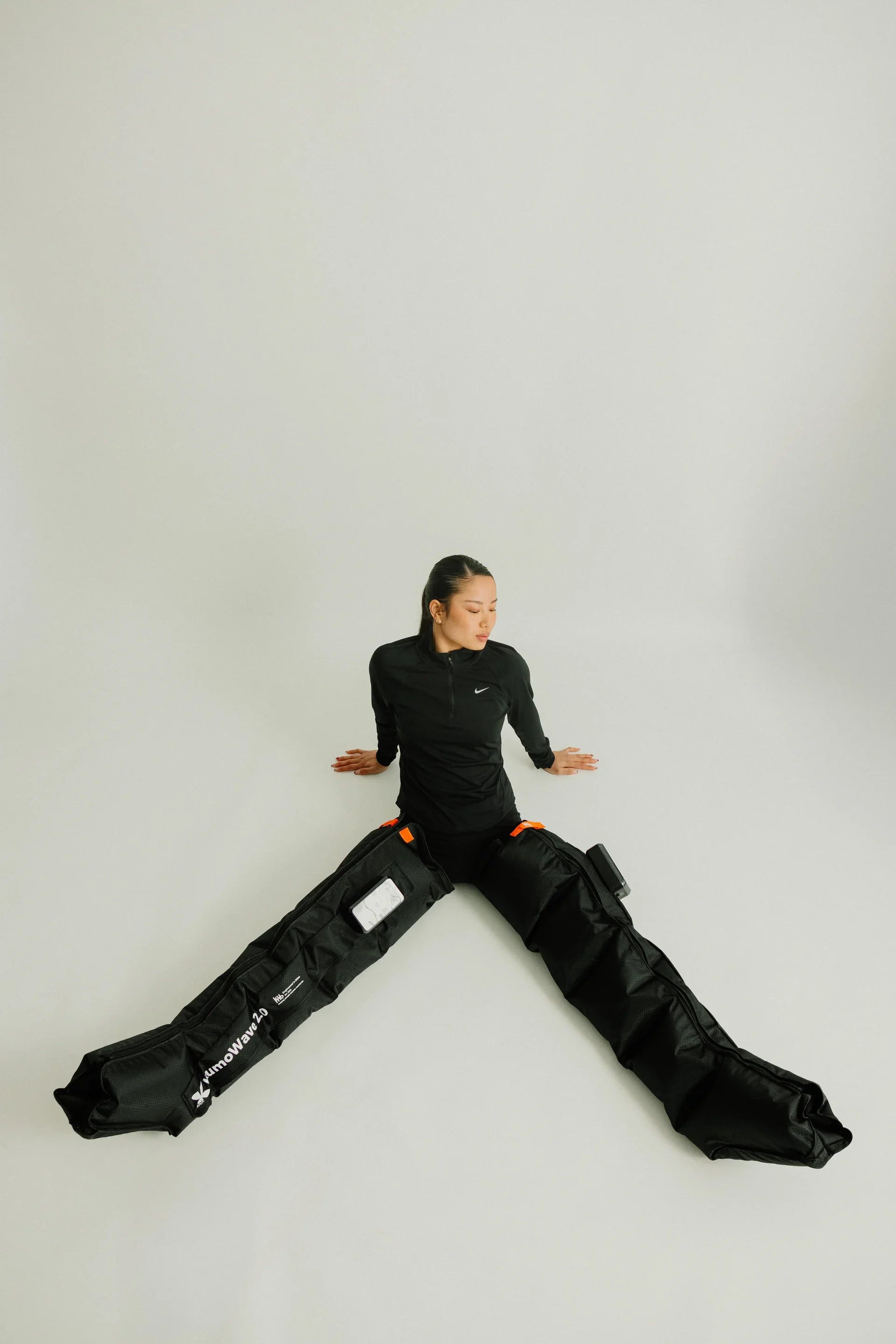
Presotherapy (or intermittent pneumatic compression) applies pressure cycles to provide a sensation of activation and release in the legs. For reactive skin, this combination of pressure + heat + friction + occlusion can trigger discomfort.
In fact, in medical compression, mild problems like itchiness and dryness are described as common; and it is emphasized that they can usually be prevented with a good skin care routine and correct adjustment of the device or garment. (pmc.ncbi.nlm.nih.gov)
Personalized protocol · included with your purchase
Want us to tell you how to use it in your case?
With your purchase, our experts prepare a personalized usage protocol for your case: sport, circulation, fluid retention, pregnancy or lipedema.
Message us on WhatsAppOur experts reply · no obligation
Furthermore, skin sensitivity is very common: a meta-analysis (2019) estimated a global prevalence of 71% of self-reported "sensitive skin" (to some degree), and 40% as moderate or very sensitive. (pubmed.ncbi.nlm.nih.gov)
Typical signs (and when to worry)
"Expected" discomfort that usually improves by adjusting habits
- Temporary marks such as lines or "grid patterns" without pain.
- Mild itching upon removing the boots.
- Dryness or tightness in shins and calves.
Warning signs: pause and consult
Stop the session and consult a professional if any of these signs appear:
- Intense pain or pain that increases with cycles.
- Numbness, persistent tingling, or weakness.
- Marked color change (paleness, blueness), coldness in the foot.
- Blisters, wounds, discharge, or clear worsening of eczema.
Safety guidelines for compression emphasize risk screening and reviewing fit to limit adverse effects. (pmc.ncbi.nlm.nih.gov)
on your first order when you join the newsletter
We send you the code instantly. No spam.
Golden rule: presotherapy should feel intense but comfortable. If it hurts, burns, or causes numbness, it's not "normal" or "part of the process."
The 6 most common causes of irritation (and how to correct them)
1) Dry skin (the number 1 cause of itching)
Dry skin itches more and becomes inflamed more easily. The American Academy of Dermatology recommends patting dry and applying fragrance-free moisturizer immediately after showering/bathing. (aad.org)
Kumo tip: moisturize well, but avoid applying cream "just before" the session (see point 4).
2) Friction from wrinkles, folds, or "pinching areas"
A fold can concentrate pressure and rubbing at one point. In compression, it is recommended not to fold or wrinkle the material during use. (nhsinform.scot)
What to do: when putting on the boots, smooth them with your hand and pay special attention to the ankle and behind the knee (if the model reaches high).
3) Sweat + heat (occlusion)
In sensitive skin, sweat retained under an occlusive surface can cause stinging and breakouts. Solution: breathable barrier layer and sessions in a cool environment.
4) Unabsorbed creams, oils, or lotions
Hydration is key, but if a slippery film remains, it increases friction and can irritate. In recommendations for the use of compression stockings, it is indicated that the skin should be dry and that any moisturizer should be completely absorbed before putting them on. (nhsinform.scot)
What to do: moisturize after showering and wait for it to absorb (or moisturize at the end of the session).
5) Sensitivity to detergents, fragrances, or dyes
Reactive skin often worsens with perfumes, fabric softeners, or harsh detergents. The AAAAI recommends fragrance-free detergents and, if clothes irritate, adding an extra rinse cycle. (aaaai.org)
6) Too high pressure or too rapid progression
Sometimes the skin doesn't get irritated due to "allergy," but due to mechanical stress. Start with gentle intensities and only increase if your skin tolerates it without persistent itching.
Checklist before using presotherapy boots (sensitive skin)
- Short shower or quick wash if you have sweated (not with very hot water).
- Pat dry, without rubbing (including shin and ankle).
- Avoid perfume (gel, body milk, essential oils) on the day of the session, or at least in the area to be compressed.
- Check your skin: no open wounds, recent scabs, or actively inflamed breakouts.
- Wear a barrier layer (recommended): thin, soft, breathable sock/legging.
What to wear underneath: the "barrier layer" that makes a difference
For sensitive skin, a layer between the skin and the boot usually drastically reduces itching because it:
- reduces direct friction,
- absorbs some of the sweat,
- reduces contact with possible textile finishes.
Practical options:
- Long sock made of soft fabric without prominent seams (if the boot allows).
- Thin mesh/legging (better if it doesn't compress on its own).
- "Liner" type lining (if you already use it in sports).
Tip: prioritize smooth fabrics and avoid those with texture, rigid bands, or thick seams at pressure points.
During the session: adjustments to avoid irritation
- Start low: if your skin reacts, progression matters more than intensity.
- Avoid "marathon" sessions at the beginning: consistency is better than excess.
- Check pressure points midway through the session if you notice localized heat (ankle, shin, upper edge).
- Do not use over active inflammation or injured skin.
In the clinical setting, there are contraindications for intermittent pneumatic compression (IPC) and the need to assess each case is emphasized; for example, it is mentioned that it can be started after radiotherapy when the skin is intact and without inflammation, and situations such as untreated deep vein thrombosis are cited as contraindications. (wsh.nhs.uk)
After the session: how to soothe the skin and avoid the "rebound effect"
The post-session moment is ideal for strengthening the skin barrier:
- Cleanse if you have sweated (lukewarm water, gentle cleanser).
- Moisturize with a fragrance-free cream/ointment. The AAD insists on applying moisturizer immediately after washing to relieve dryness. (aad.org)
- Observe for 2 hours: if the redness subsides and the itching disappears, you are doing well. If it worsens, reduce intensity/time in the next session.
Quick table: irritation in presotherapy and solution
Express diagnosis (probable cause → recommended adjustment)
| Symptom | Most probable cause | What to do in the next session |
|---|---|---|
| Diffuse itching without hives | Dryness / retained sweat | Moisturize after (not before), use a barrier layer, and ventilate the area afterward |
| Redness in a strip (upper edge) | Fold, fit, or localized pressure | Smooth the boot, change position, lower intensity, and prevent it from "biting" at the edge |
| Very deep and painful marks | Excessive pressure or wrinkle | Reduce intensity/time and check for wrinkles (no folded material should remain) (nhsinform.scot) |
| Eczema-like breakouts after several sessions | Detergent/fragrance/irritants + occlusion | Switch to fragrance-free detergent and add an extra rinse; check cosmetics (aaaai.org) |
| Blisters or wound | Friction + compromised skin | Pause, do not compress over injured skin, and consult if it does not improve |
"Kumo-friendly" routine for sensitive skin (without complicating things)
If you use presotherapy boots as part of your recovery with Kumo, this simple protocol usually works very well:
- 1–2 min: quick inspection (ankles, shins, previous redness).
- 1 min: put on your barrier layer (long sock/thin legging).
- 30 s: adjust the boots without folds and in a comfortable position.
- Session: start gently and only increase if your skin tolerates it.
- 2 min: afterwards, ventilate the skin and apply fragrance-free moisturizer (if your skin tends to dry out). (aad.org)
If you haven't seen the equipment yet, you can explore Kumo's presotherapy collection to integrate this technology into your wellness routine, always prioritizing skin comfort.
Hygiene: what is most overlooked (and most irritating)
When skin is sensitive, many "presotherapy irritations" are actually irritations caused by residues (sweat, detergent, fragrances) left on the layer that touches the skin.
- Wash with fragrance-free detergent, avoid fabric softener, and consider an extra rinse if you notice itching. (aaaai.org)
- Dry your barrier layer thoroughly: moisture + occlusion = irritation.
- Avoid putting on the boots with damp skin or unabsorbed cream: in compression, it is advised that the skin be dry and lotions have been absorbed. (nhsinform.scot)
Presotherapy and common conditions: prudent recommendations
Atopic skin or eczema
In the United States, in 2024, an estimated 7.7% of adults had diagnosed eczema. (cdc.gov) If you are experiencing a flare-up, prioritize soothing the skin barrier before compressing. If you are stable, a barrier layer + gentle intensity is usually better than direct contact.
Contact dermatitis (suspected)
If the redness pattern always coincides with a specific material, seam, or area, consider that it may not be "presotherapy" but contact with an irritant or allergen (detergent, fragrance, dye). Adjusting hygiene and barrier layer is usually the first step.
Very dry or mature skin
Reduce hot water and enhance post-session hydration. The AAD advises 5-10 minute showers with lukewarm water and applying fragrance-free moisturizer afterward. (aad.org)
FAQ: Kumo presotherapy and sensitive skin
Can I use Kumo presotherapy boots if I have atopic skin or eczema?
In many cases, yes, but with caution. If you are experiencing a flare-up (very red, hot skin with fissures or exudate), it is most sensible to pause and prioritize repairing the skin barrier. If you are stable, use a soft barrier layer (thin legging/long sock), start with low intensities, and observe your skin's reaction for the next 2 hours. If you notice progressive worsening over successive days, reduce frequency or consult with dermatology/allergology.
What should I wear under Kumo boots to prevent itching?
The most practical option is usually a thin, smooth layer: a soft long sock or thin legging without prominent seams. The goal is to reduce direct friction and manage sweat. Avoid textured fabrics or strong compression (to avoid adding pressure) and check that there are no folds. If you suspect detergent irritation, switch to a fragrance-free one and add an extra rinse, as recommended by the AAAAI for atopic skin. (aaaai.org)
Should I moisturize my skin before or after a Kumo presotherapy session?
If your skin is sensitive, it usually works better after. Moisturizing is key to reducing dryness and itching, but it is advisable to avoid unabsorbed creams before compression, as they increase slippage and friction. In compression, it is advised that the skin be dry and lotions completely absorbed before applying the material. (nhsinform.scot) After the session, apply a fragrance-free cream/ointment, as suggested by the AAD for dry skin. (aad.org)
Can I combine Kumo presotherapy with LED therapy if I have reactive skin?
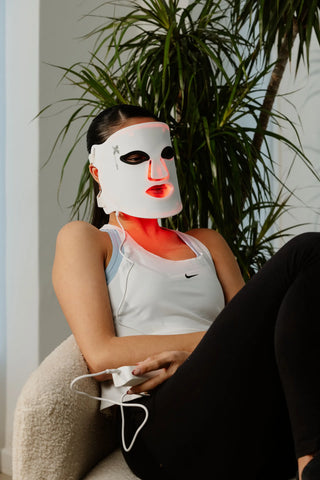
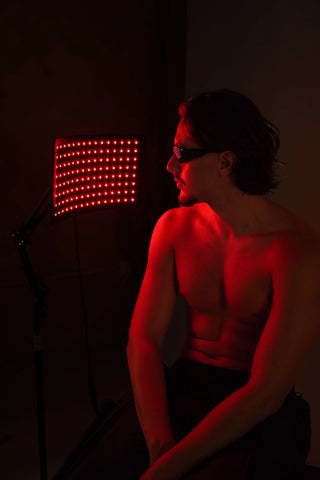
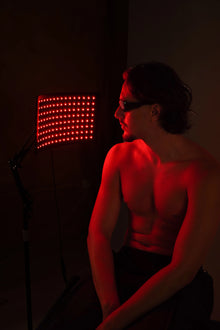
Many recovery routines combine stimuli (compression, light, massage), but if your skin is reactive, the important thing is not to "stack" irritants on the same day. If you want to incorporate LED light for skin care, maintain a simple routine: first presotherapy (with a barrier layer), then hygiene and hydration, and at another time of day your light care according to tolerance. If you are exploring options, you can view Kumo's LED light therapy as a wellness complement, without replacing medical advice if there is skin pathology.
When should I stop a session and seek medical advice?
Stop and consult if there is intense pain, numbness, marked color changes, or the appearance of blisters/wounds. Also, if you have a history of relevant circulatory problems or suspected thrombosis. Clinical documents on intermittent pneumatic compression list contraindications (e.g., untreated deep vein thrombosis) and emphasize assessing skin integrity. (wsh.nhs.uk) When in doubt, it is better to adjust with a professional than to "tough it out."
What now?
If you want to integrate recovery consistently (and gently with your skin), explore Kumo's solutions according to your goal: presotherapy boots for a feeling of lightness, KumoPulse Air massage gun to release localized tension, and light technologies for your care routine. And if you have any questions about the most comfortable use for sensitive skin, contact the team here: Kumo contact page.
KumoWave pressotherapy
Choose your at-home pressotherapy
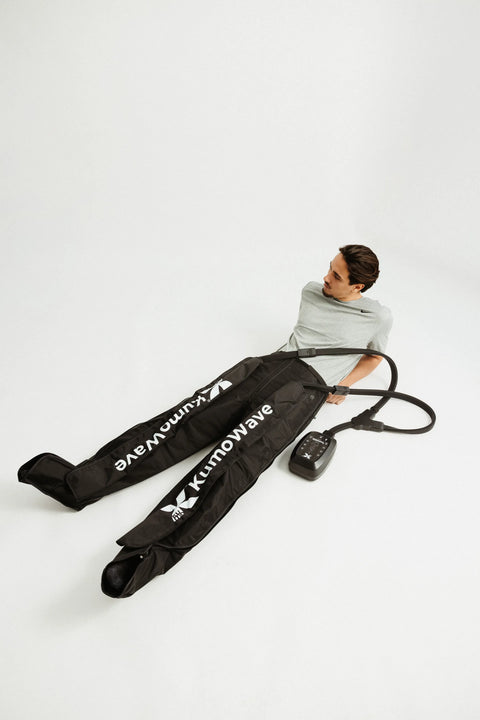
KumoWave Elite – Pressotherapy Pants
Full-coverage trousers. Ideal for lipedema, fluid retention and intensive use.
€799,00 €999,00
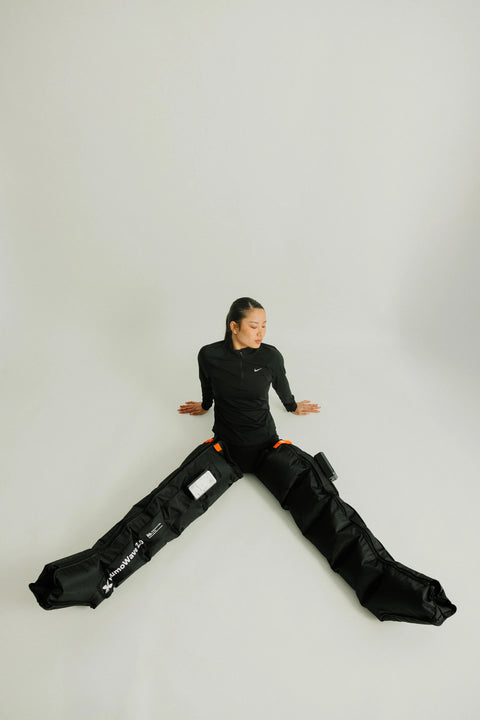
KumoWave 2.0 - Wireless Pressotherapy
Wireless, lightweight boots. Perfect for daily use and recovery.
€499,00 €599,00