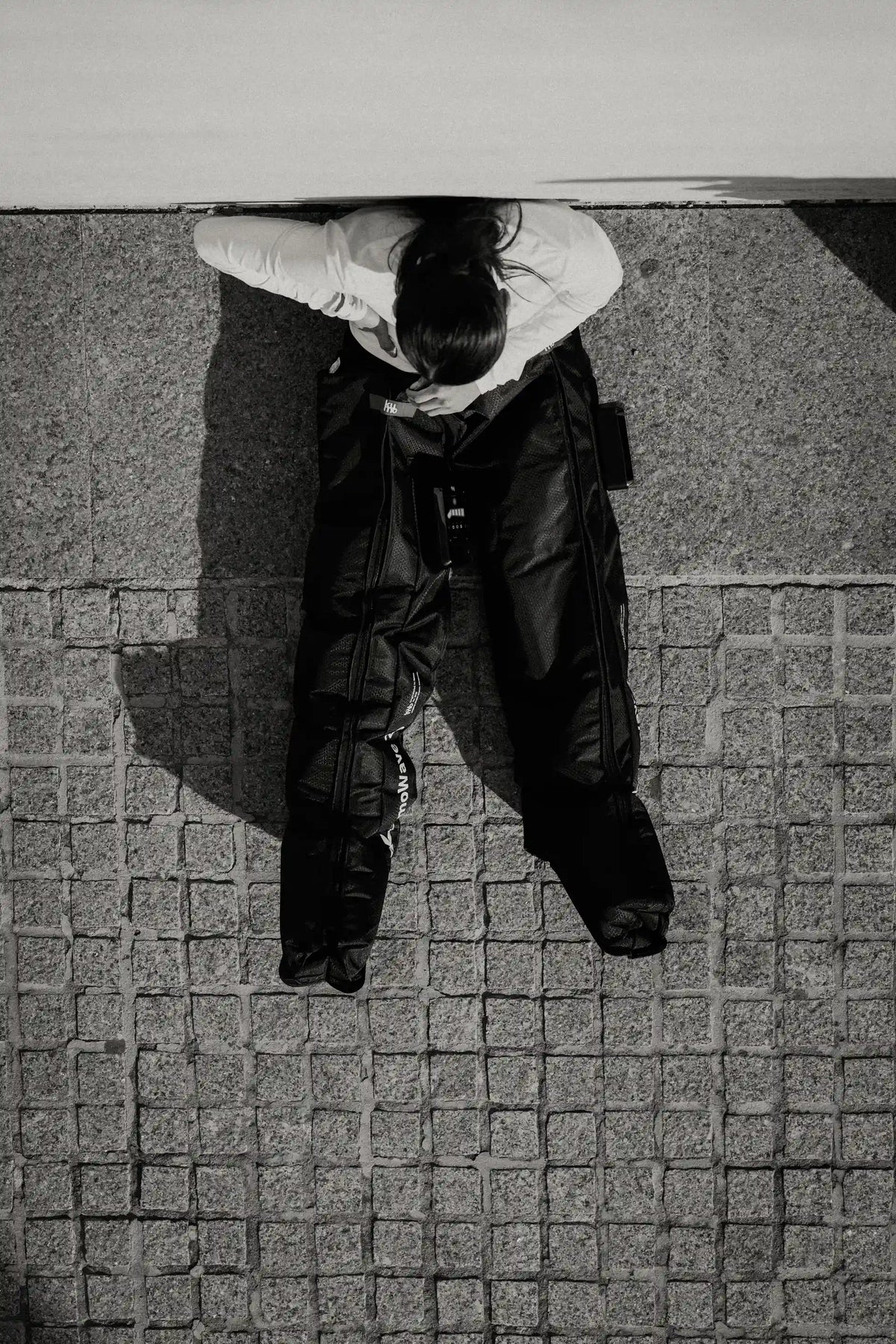

Yoga and Pilates don't end when you step off the mat.
They are low-impact practices that work on breathing, posture, mobility, and balance. The NCCIH guide to yoga safety and benefits notes that yoga is safe for many people when it is properly adapted, and the NHS guide to Pilates for beginners presents it as work centered on strength, flexibility, and control. In that context, technology-assisted muscle recovery can support the wind-down and help you keep a steadier routine.
Red & infrared light
Recover faster, at home
★★★★★ 4,8/5 · rated by verified customers
The KumoLux panel supports muscle recovery with full-body red and infrared light.
- 660 nm red + 850 nm infrared light
- Full-body muscle recovery
- Clinically validated biohacking protocols
€399,00€499,00
−10% on your 1st order when you subscribe to the newsletter

In yoga, a review of 18 trials with 1,408 participants found improvements in static balance, although with low certainty and heterogeneous results. In Pilates, a 2023 systematic review with meta-analysis in people with chronic low back pain found improvements in pain and disability compared with controls, and you can read it in this meta-analysis on Pilates and low back pain. That helps explain why both practices fit so well with well-measured recovery.
Why this combination makes sense
If you want to see how this translates into a real routine, our technology brings together pressotherapy, LED light, and percussive massage as noninvasive wellness tools. The idea is simple: don't add noise, just make it easier for the body to come down a notch after the session.
Personalized protocol · included with your purchase
Want us to tell you how to use it in your case?
With your purchase, our experts set up your red and infrared light sessions for your sport and goal.
Message us on WhatsAppOur experts reply · no obligation
What technology-assisted muscle recovery can add to a gentle practice
The combination works best when technology is used as brief, well-chosen support. In practice, that can mean lighter legs, less of a stiff feeling, and a calmer transition between the session and the rest of the day. The evidence on pneumatic compression, photobiomodulation, and percussive massage suggests modest or variable benefits, so the value lies more in consistency and careful use than in quick promises.
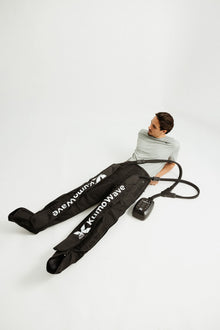
Pressotherapy for when your legs feel heavy
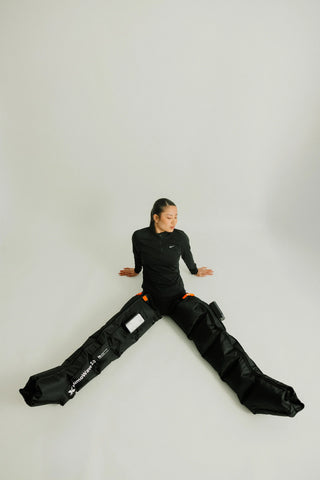
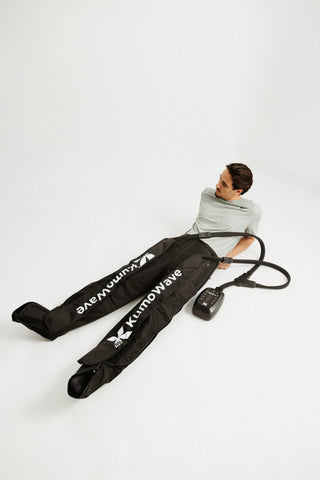
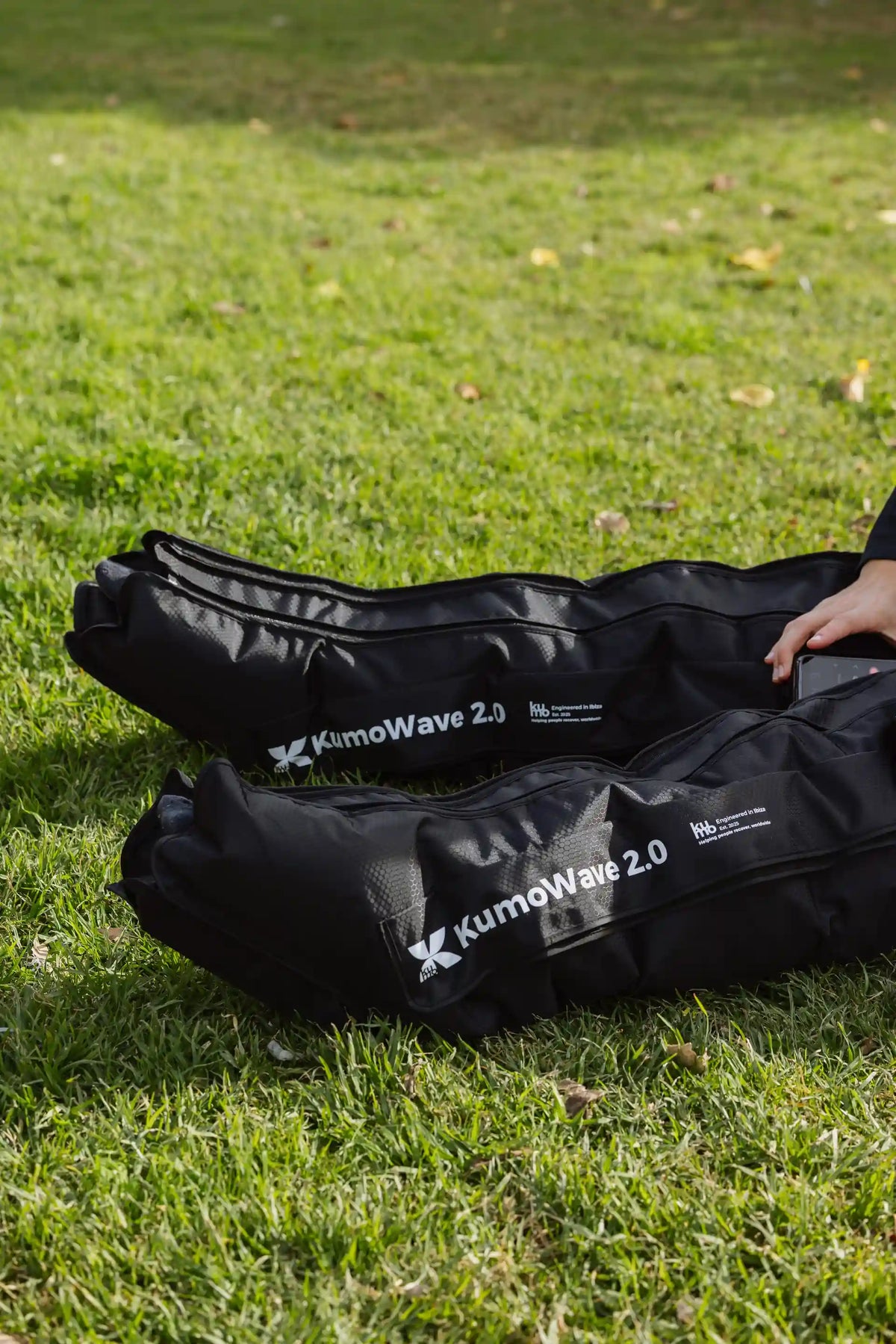
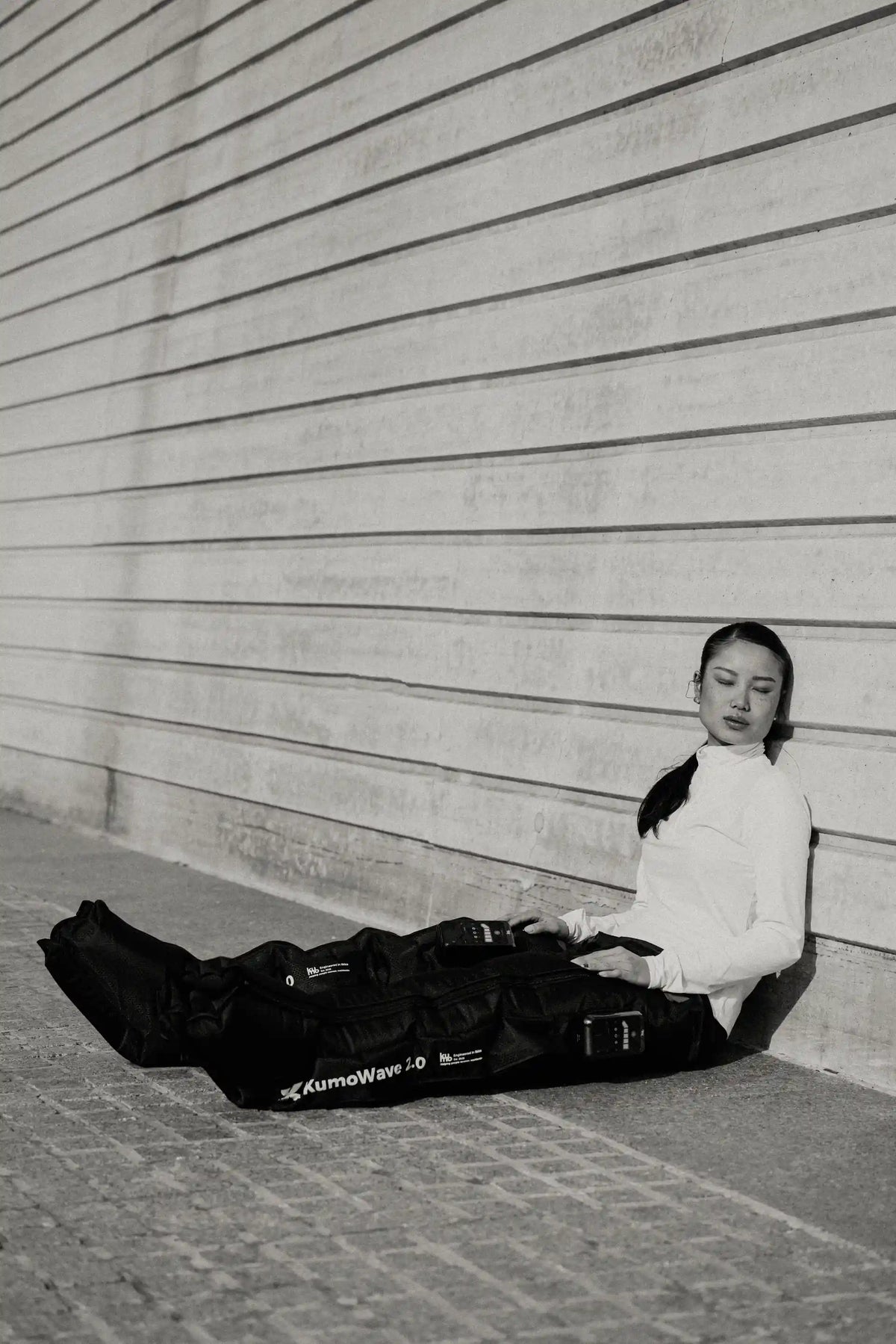
After a Pilates session or a long-held yoga sequence, many people notice heavier legs from time spent standing, from repetitions, or from the pace of the day. The at-home pressotherapy collection gathers pneumatic compression options designed for home use. A 2024 systematic review and meta-analysis, with 17 studies and 319 participants, found a small improvement in muscle function and in the perception of pain or DOMS, while also stressing that the evidence is not yet strong.
That is why, in a gentle practice, pressotherapy can make sense as a comfortable close to the day, especially when what you want is a feeling of release rather than an aggressive intervention. Even so, it is worth respecting the timing, starting with short sessions, and stopping if something doesn't feel good.
on your first order when you join the newsletter
We send you the code instantly. No spam.
Red light and infrared light to support the wind-down
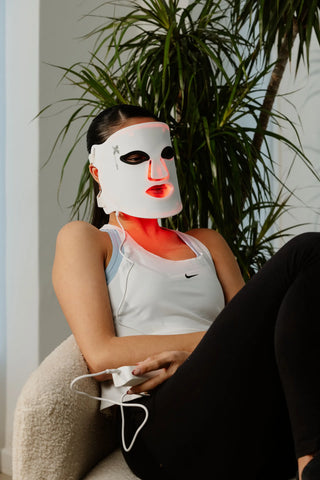
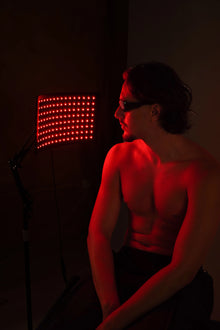
LED photobiomodulation is another tool that many wellness routines add after movement. If that path interests you, advanced LED therapy at home lets you explore red light and infrared light formats for home use. A 2024 meta-analysis of 34 randomized clinical trials found significant improvements in muscular endurance and in strength recovery in active people, although the authors also noted that the effect depends heavily on the protocol.
The key is to use it as support, not as a substitute for rest. The FDA sets out safety criteria for photobiomodulation, noting that light can damage the eyes, recommending eye protection, and advising against its use in cases of photosensitivity, pregnancy or planned pregnancy, active implants, active injuries in the area, or photosensitizing medication.
Percussive massage to release specific areas
When tension builds up in the shoulders, glutes, or legs, percussive massage can help reduce the stiff feeling without adding another long session to the calendar. In the noninvasive wellness approach at Kumo Balance, this kind of massage appears as one more piece of a simple, practical routine. The systematic review on percussive massage and recovery found improvements in flexibility and in certain recovery markers, but also mixed results on performance, so its use should stay local and careful.
It is better not to run it over bones, wounds, bruises, or acutely painful areas. It is also not a good idea to keep working the same spot for a long time. The review also lists precautions for recent fractures, thrombosis, altered sensation, and some implanted devices.
How to fit it in without leaving a gentle routine
The best combination is usually simple: the gentle practice does the base work, and technology-assisted muscle recovery is used as brief support, well dosed and in line with what the body is asking for that day. The message that repeats in the literature is clear: the effects are promising but not automatic, and the precautions matter as much as the choice of device.
A practical guide to choosing based on what you feel
| If you feel... | Prioritize... | Technology can add... | Watch out for... |
|---|---|---|---|
| Heavy legs at the end of the day | Gentle breathing and short mobility work | Pneumatic compression for a feeling of release | Do not use if thrombosis or significant vascular disease is suspected |
| Tension in the shoulders or lower back | Slow sequences and postural control | Targeted percussive massage | Avoid bones, bruises, and wounds |
| A need for a short wind-down | Stretching without forcing and breathing pauses | Brief, well-protected photobiomodulation | Protect the eyes and check for photosensitivity |
| General fatigue | Less intensity, more regularity | Choosing one tool only, not all at once | If anything gets worse, stop and seek advice |
In short, you don't need to do more as a rule. You need to adjust better. If a session leaves you feeling good, there is no obligation to add technology; if you feel loaded up, recovery can be useful support within a simple, consistent plan.
When to seek care: the signs that call for medical assessment
If something stops feeling gentle, stop. Sharp pain, dizziness, shortness of breath, asymmetric swelling, persistent tingling, or a clear loss of strength deserve medical assessment. In yoga and Pilates, the NCCIH recommends adapting or avoiding poses in cases of pregnancy, glaucoma, high blood pressure, previous knee, hip, or back injuries, or balance problems; in photobiomodulation, the FDA adds clear restrictions.
Yoga and Pilates: it is worth modifying or avoiding some poses in cases of pregnancy, glaucoma, high blood pressure, previous knee, hip, or back injuries, specific low back pain, or balance problems.
Pressotherapy: don't use it if you suspect thrombosis, pulmonary embolism, decompensated heart failure, severe arterial disease, acute infection, or active bleeding. (pmc.ncbi.nlm.nih.gov)
LED light: avoid it if you have photosensitivity, are pregnant or planning a pregnancy, have a pacemaker or implantable defibrillator, take photosensitizing medication, or have an active injury in the area. Use eye protection.
Percussive massage: don't apply it over wounds, bruises, recent fractures, or areas with altered sensation, and be especially careful if you take anticoagulants or have implants.
Frequently asked questions
Does pressotherapy after Pilates help if my legs feel heavy?
It can be comfortable support if what you notice is heaviness, not sharp pain. The 2024 review on pneumatic compression found small benefits in muscle function and in the perception of pain or DOMS, with usual protocols of 20 to 30 minutes. That said, the evidence is still limited, and pressotherapy is not advisable if you suspect thrombosis, have an acute infection, or have decompensated heart failure.
Can I use red light therapy or LED therapy after yoga?
Yes, if you use it as brief support and with good eye protection. The 2024 meta-analysis on photobiomodulation gathered 34 randomized trials and found improvements in muscular endurance and recovery. Even so, the FDA warns that it is not suitable for everyone, especially in cases of photosensitivity, pregnancy or planned pregnancy, active implants, injuries in the area, or photosensitizing medication.
Does percussive massage fit if I do Pilates several times a week?
It can fit if you want targeted release, for example in the glutes, legs, or shoulders, but it is better not to treat it as a daily obligation. The 2023 systematic review found improvements in flexibility and in some recovery markers, although the effects on performance were mixed. The most sensible approach is to work for a short time, without pressing too hard, and avoiding bones, bruises, wounds, recent fractures, or areas with altered sensation.
How long should technology-assisted recovery last after a gentle session?
There is no need to stretch it out. In the literature on pneumatic compression, the most common protocols run from 20 to 30 minutes, and with percussive massage the advice is to work briefly and locally, without insisting on the same spot. In photobiomodulation, the best criterion is the device protocol and the person's tolerance. If you come out more relaxed and not more tired, you are on the right track.
Does technology-assisted muscle recovery replace rest after yoga or Pilates?
No. It can shape the ritual and give you a sense of support, but the base is still rest, hydration, and a reasonable progression of effort. Physical activity guidelines insist on combining movement, strength, balance, and flexibility, not on stacking up tools. Technology-assisted recovery works best as a discreet complement, not as a daily obligation.
What now?
If you want to turn your yoga or Pilates practice into a more complete routine, start with the Kumo Balance home page and, if you feel like going deeper, visit the Kumo Balance technology news. From there you can see how pressotherapy, LED light, or percussive massage fit into a simple, everyday approach.

Red & infrared light
KumoLux Panel – Red and Infrared LED Panel
★★★★★ 4,8/5 · rated by verified customers
- 660 nm red + 850 nm infrared light
- Full-body muscle recovery
- Clinically validated biohacking protocols
€399,00€499,00· pay in installments with seQura or Klarna