

Alternating is the simplest way to achieve results without damaging the skin barrier.
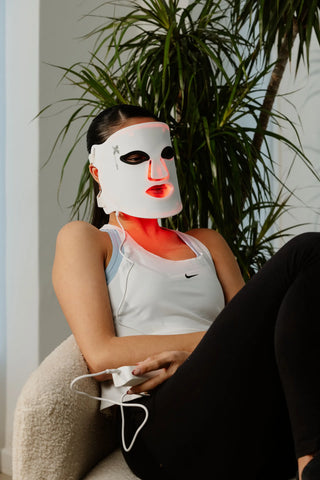
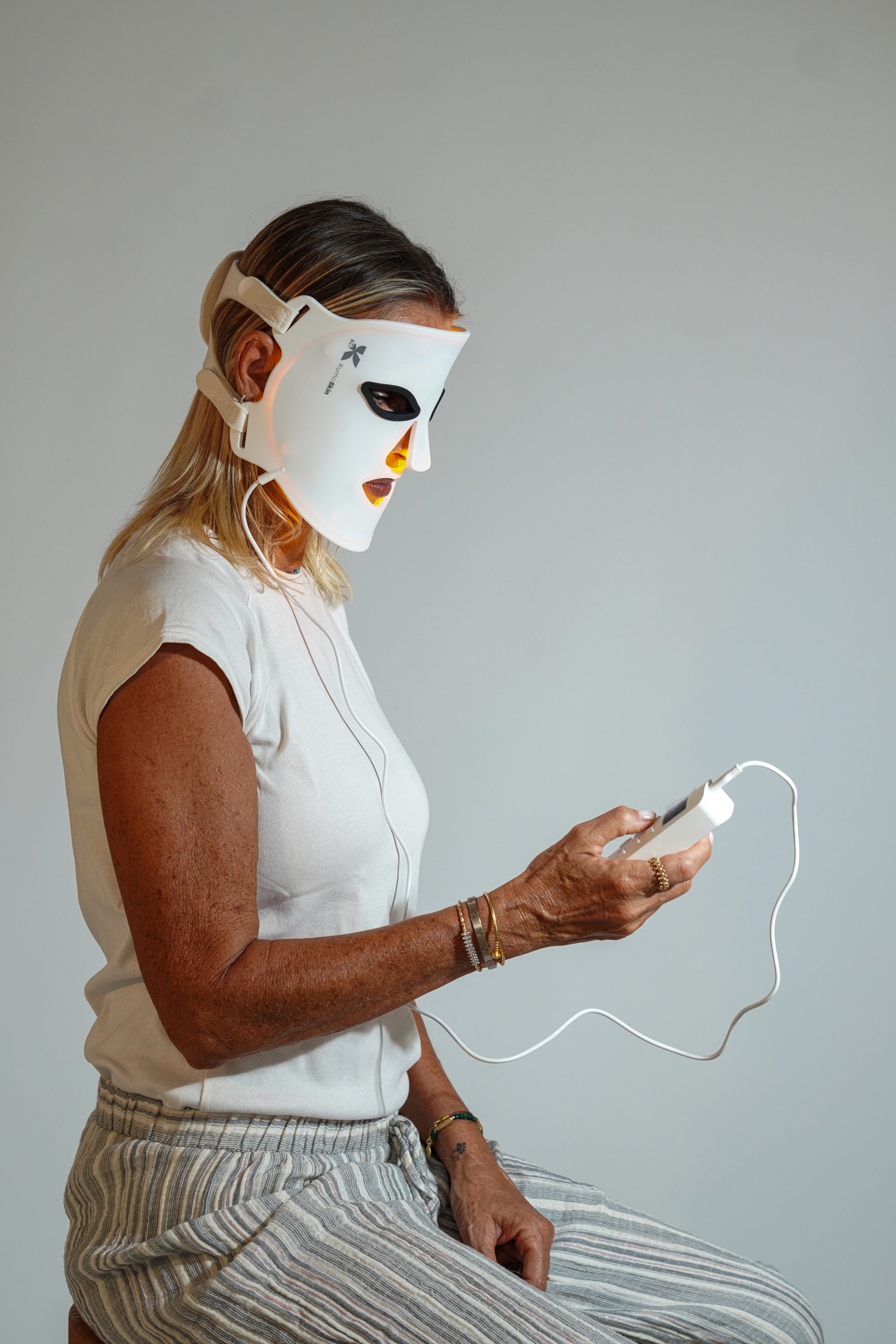
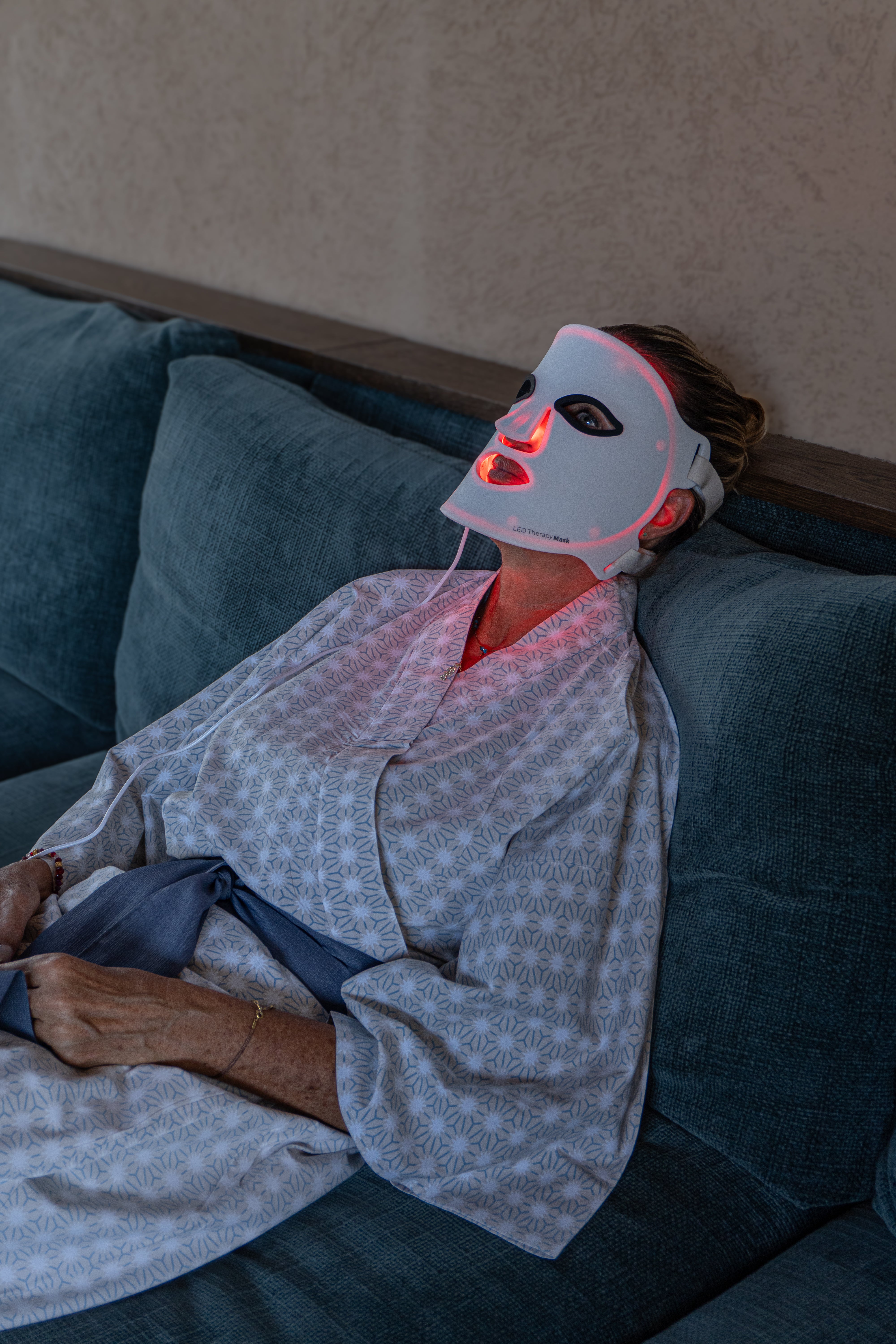
If you're using retinoids (retinol, retinal, adapalene, tretinoin) and also want to incorporate an LED mask , the key is usually not to "do it all at once," but rather to coordinate both stimuli so that your skin tolerates the process. In this guide, I'll give you practical protocols (beginner-advanced), warning signs, and a sample routine, with an approach compatible with the use of recovery technology like Kumo .
Red & infrared light
Recover faster, at home
★★★★★ 4,8/5 · rated by verified customers
The KumoLux panel supports muscle recovery with full-body red and infrared light.
- 660 nm red + 850 nm infrared light
- Full-body muscle recovery
- Clinically validated biohacking protocols
€399,00€499,00
−10% on your 1st order when you subscribe to the newsletter

Important note: This content is educational and does not replace medical advice. If you have rosacea, dermatitis, melasma, are taking photosensitizing medications, or are undergoing dermatological treatment, please confirm the plan with your dermatologist.
1) Why retinoids work… and why they can cause irritation
What they do to the skin (in simple terms)
Retinoids are derivatives of vitamin A. In practical terms, they help to:
Personalized protocol · included with your purchase
Want us to tell you how to use it in your case?
With your purchase, our experts set up your red and infrared light sessions for your sport and goal.
Message us on WhatsAppOur experts reply · no obligation
- Normalize skin renewal (fewer clogged pores, more even texture).
- Improve the tone and appearance of blemishes with consistency.
- Smooth out fine lines in the medium term (not overnight).
“Retinization”: the period in which your skin learns
Most often, at the beginning of treatment, retinoid dermatitis appears: redness, scaling, dryness, stinging or itching, and increased sensitivity. A clinical review (2024) describes this pattern as the most common adverse effect of topical retinoids. ( acofp.org )
For example, with adapalene, initial irritation has been described as reaching its peak intensity around the first 2 weeks . ( ncbi.nlm.nih.gov ) And with tretinoin, clinical sources indicate that it may take 8–12 weeks to notice a clear improvement, even with consistent use. ( mayoclinic.org )
2) What does an LED mask offer (and what does the evidence say)
LED and photobiomodulation: frictionless “training”
LED therapy (especially red and/or near-infrared light) is used to modulate the inflammatory response and support repair processes. In clinical rejuvenation studies, objective improvements in wrinkles and elasticity have been observed with standardized protocols. ( pubmed.ncbi.nlm.nih.gov )
on your first order when you join the newsletter
We send you the code instantly. No spam.
Concrete facts (without magical promises)
- Rejuvenation (2007): In a prospective, randomized, double-blind, split-face study with treatments twice weekly for four weeks, maximum wrinkle reductions of up to 36% and maximum elasticity increases of up to 19% were reported, depending on parameter adjustment. ( pubmed.ncbi.nlm.nih.gov )
- Periorbital wrinkles (randomized trial): A trial published in PubMed describes wrinkle volume reductions of around 30% with photobiomodulation at red/amber wavelengths. ( pubmed.ncbi.nlm.nih.gov )
- Acne (meta-analysis, 2019 and 2025): The strongest evidence for at-home acne treatments typically involves blue light and/or red+blue combinations . There is a meta-analysis on blue light (2019) ( pubmed.ncbi.nlm.nih.gov ) and a systematic review with meta-analysis (JAMA Dermatology, 2025) that evaluated 6 trials of at-home LED devices for acne. ( pubmed.ncbi.nlm.nih.gov )
Safety: what matters is the dose, the phototype, and caution.
In terms of safety, controlled trials studying the adverse effects of red light at high fluences suggest that tolerance may vary depending on pigmentation/phototype, with limiting events (e.g., blisters or prolonged erythema) occurring at certain doses. ( pubmed.ncbi.nlm.nih.gov )
Translation to routine: although home masks usually use parameters designed for home use, it is not advisable to "over-use" or ignore signs (persistent burning, worsening of spots, cumulative irritation).
3) Can LED masks and retinoids be used on the same day?
It's possible for some people. But it's not the smartest option to start with .
Reason: Retinoids already increase reactivity, and if you do an LED session on the same day, you can add inputs and turn a mild irritation into a lost week of barrier recovery.
The safest and most efficient strategy for most people is:
- Separate by days (alternating).
- If you ever combine them, do so with a logic of minimal friction : clean and dry skin, LED session, hydration; and leave the retinoid for another night if you notice the slightest stinging.
4) Protocols for alternating them (beginner, intermediate and advanced)
Protocol 1 (Beginner): prioritizes tolerance
- Retinoid: 1–2 nights/week (not consecutive).
- LED mask: 2–3 sessions/week on “retinoid-free” nights.
- Goal: to go 3–4 weeks without sustained irritation before increasing frequency.
Protocol 2 (Intermediate): consistency without overload
- Retinoid: 3 nights/week.
- LED mask: 3–4 sessions/week on alternate nights.
- Objective: to maintain a stable barrier (zero morning itching, minimal flaking).
Protocol 3 (Advanced): trained skin, fine control
- Retinoid: 4–5 nights/week (as prescribed/tolerated).
- LED mask: 2–4 sessions/week, placing LED on “soft days” or post-workout skin (when you notice more redness/skin stress).
- Objective: to progress through performance, not haste.
Table: Example weekly calendar (simple alternation)
| Day | Night (option A: beginner) | Night (option B: intermediate) |
|---|---|---|
| Monday | LED + hydration | Retinoid + hydration |
| Tuesday | Rest (hydration only) | LED + hydration |
| Wednesday | Retinoid (pea-sized amount) + cream | Retinoid + cream |
| Thursday | LED + hydration | LED + hydration |
| Friday | Rest stop (barrier) | Retinoid + hydration |
| Saturday | LED + hydration | Rest stop (barrier) |
| Sunday | Rest or retinoid if everything is going perfectly | LED + hydration |
5) Step-by-step routine: what to do on LED nights vs retinoid nights
Retinoid night (tretinoin/adapalene/retinol)
- Gentle cleansing (without exfoliants).
- Dry and wait : With tretinoin, it is recommended to apply to completely dry skin; it is even suggested to wait 20–30 minutes after washing to minimize irritation. ( mayoclinic.org )
- Quantity: a "pea" for the whole face (avoid corners of the mouth, sides of the nose, lip contour and eyelids).
- Hydration afterwards (or the "sandwich" technique if you are sensitive: light cream → retinoid → cream).
LED Mask Night
- Cleansing and dry skin.
- LED session following the device manual (duration, distance, frequency).
- Afterwards: a soothing moisturizer (ceramides, glycerin, panthenol). Avoid strong active ingredients that same night if you are in the retinoid adaptation phase.
6) How to minimize sensitivity (without hindering results)
Golden rules (the ones that best prevent setbacks)
- Do not increase frequency if there is still daily itching or intense peeling.
- Less is more with retinoids: using more or more nights doesn't speed up results and can cause irritation. This is emphasized in clinical recommendations on tretinoin. ( mayoclinic.org )
- Avoid aggressive combinations within the same 24–48 hours: exfoliants (AHA/BHA), homemade peels, scrubs.
- SPF every morning : retinoids can increase photosensitivity, and sun "rebound" is often the number one reason for persistent spots.
Practical tip: “adjustment week” when something is itching
If irritation appears that you didn't have before:
- Pause the retinoid for 3–7 days.
- Stick to gentle cleansing + hydration + SPF.
- Reintroduce at a lower frequency (e.g., return to 1–2 nights/week) and resume LED lighting on separate nights if you tolerate it.
7) How Kumo fits into a skincare routine (without complicating it)
At Kumo, we treat recovery as a habit: technology, consistency, and well-dosed stimuli. Within the light therapy range, Kumo's LED therapy collection includes devices designed for facial and body use.
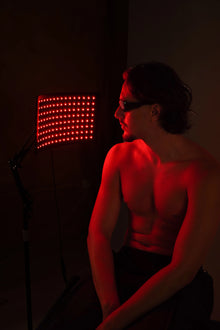
According to Kumo, LED technology uses red light (660 nm) and near-infrared light (850 nm) . ( kumobalance.com ) In a retinoid routine, this translates to a clear focus: LED on "gentle" nights and retinoid on "treatment" nights, avoiding added stress.
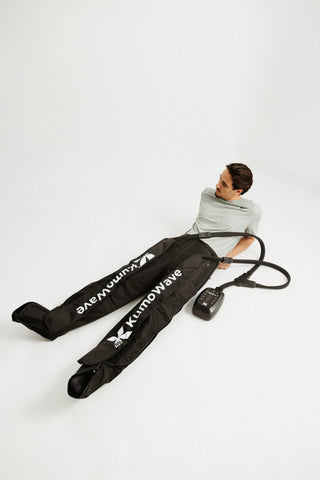
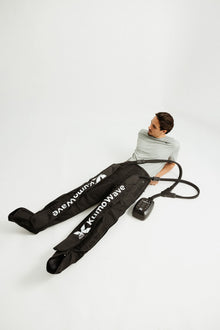
If your focus is on comprehensive recovery (training, heavy legs, or rest), you can explore pressotherapy or combine it with muscle release tools like KumoPulse Air , keeping your skin as an integral part of your daily performance. To learn about the complete ecosystem, visit the Kumo website .
FAQ: Frequently asked questions about Kumo, LED masks and retinoids
Can I use KumoSkin Mask if I'm starting adapalene or tretinoin?
Yes, but it's wisest to start with strict alternation. During the first two weeks, retinoid irritation is often more intense for many people. ( ncbi.nlm.nih.gov ) During this period, use the LED mask only on retinoid-free nights (for example, two to three sessions per week) and keep the rest of your routine very simple: gentle cleansing, moisturizing, and SPF. If you experience stinging with LED, reduce the frequency and prioritize barrier restoration for five to seven days.
What should I do if the retinoid makes my hair peel and the LED mask stings?
This usually indicates a compromised skin barrier. Pause the retinoid for a few days and focus on restorative hydration (ceramides, glycerin, panthenol) and sun protection. Once the stinging stops when you apply cream and the flaking subsides, reintroduce the retinoid less frequently (once a week). Reintroduce the LED mask afterward, also less frequently and always on separate nights. If the stinging persists or hyperpigmentation appears, consult a dermatologist.
Does the LED mask replace retinoids for wrinkles or texture?
They are not equivalent. Retinoids have decades of dermatological use for acne, texture, and photoaging, although they require adaptation and can cause irritation. ( mayoclinic.org ) LED therapy/photobiomodulation can be a useful adjunct, and there are studies showing objective improvements in wrinkles and elasticity with specific protocols, but it does not automatically replace the effect of a well-indicated retinoid. ( pubmed.ncbi.nlm.nih.gov ) The most effective approach is usually to combine them strategically: alternate treatments, maintain a barrier, and be consistent for 8–12 weeks.
In what order should the routine for an LED night go: before or after moisturizer?
In general, to avoid interference and minimize the risk of irritation, the simplest approach is: clean, dry skin → LED light session → moisturizer. If you're using retinoids on other nights, try to use a neutral moisturizer (without acids or perfumes) and keep your overall routine from having too many active ingredients. If the device manufacturer recommends a different protocol (for example, using it without products), follow their instructions. For personalized guidance, you can contact us through our contact page .
When do you see results from alternating LED and retinoids?
It depends on the goal and tolerance. With tretinoin, several weeks are usually discussed, and often an 8–12 week horizon is used to assess meaningful improvement. ( mayoclinic.org ) In LED, some rejuvenation studies have measured changes after 4 weeks of scheduled treatment and subsequent follow-up. ( pubmed.ncbi.nlm.nih.gov ) The most realistic approach is to plan a 12-week block, take photos with the same lighting every 2 weeks, and adjust the frequency only if the barrier is stable.
So what now?
If you want to integrate light into your routine without complicating things, explore Kumo's LED light therapy and create an alternating schedule that your skin can handle. And if you need help fitting your retinoid use into your lifestyle (training, rest, recovery), contact the team here .

Red & infrared light
KumoLux Panel – Red and Infrared LED Panel
★★★★★ 4,8/5 · rated by verified customers
- 660 nm red + 850 nm infrared light
- Full-body muscle recovery
- Clinically validated biohacking protocols
€399,00€499,00· pay in installments with seQura or Klarna