LED light is not the problem: the skin barrier is.
If your skin is irritated, tight, or itchy with products you previously tolerated, the first step before using an LED mask is to check that your skin barrier is stable. In this guide, I explain how to identify warning signs, how to prepare your skin, and how to gradually begin light therapy at home, with the focus on well-being and performance that characterizes Kumo .
Facial red light
Bring your skin back to life
★★★★★ 4,8/5 · rated by verified customers
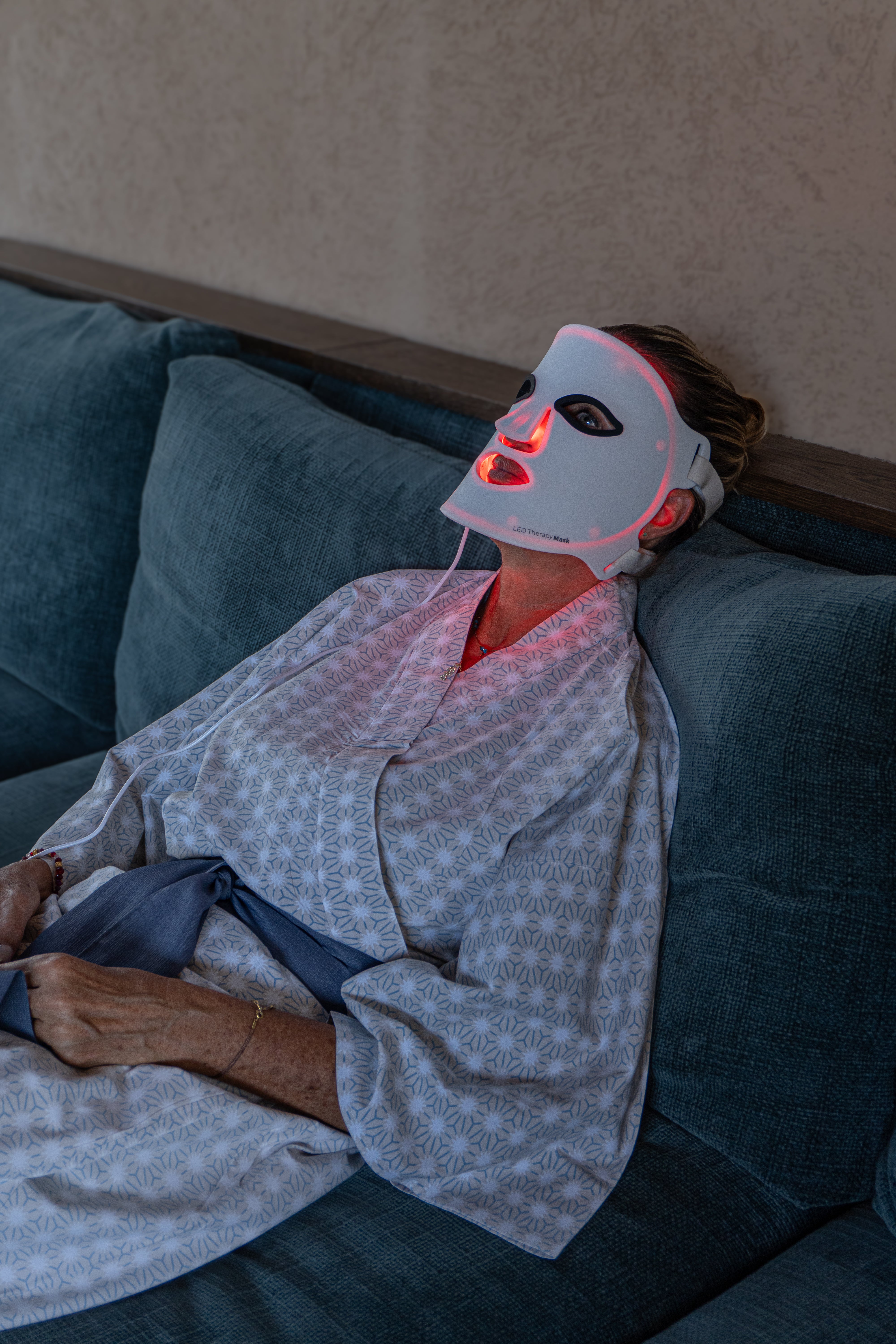
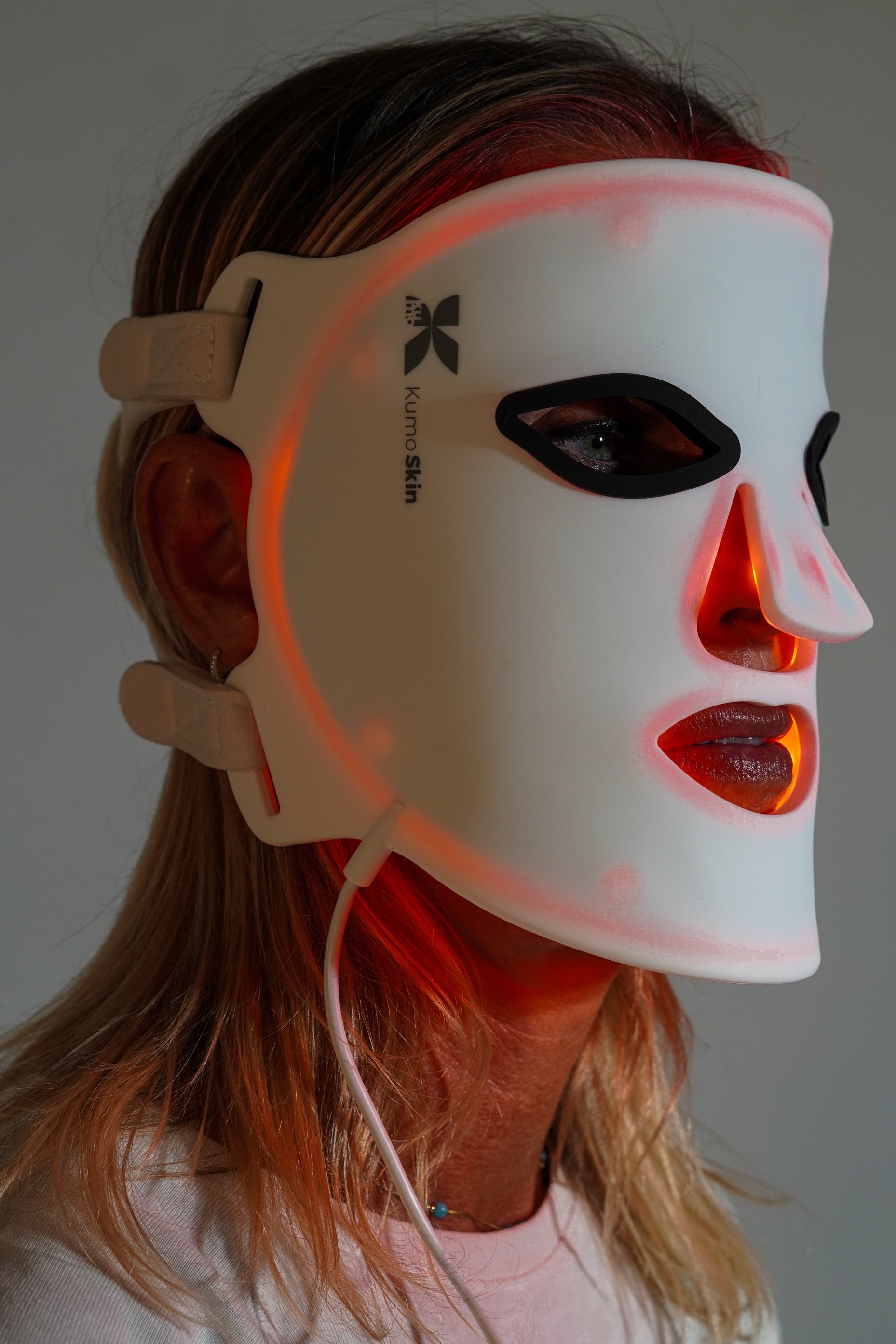
The KumoSkin LED mask helps repair and calm your skin in short sessions at home.
- 250 LEDs in flexible medical silicone
- Red light to boost collagen and glow
- 4 lights: red, infrared, blue and yellow
€299,00€429,00
−10% on your 1st order when you subscribe to the newsletter

To learn about our light solutions, you can view Kumo's LED light therapy collection or visit the official Kumo website .
What is the skin barrier (and why does it matter before using LEDs)
The skin barrier is located primarily in the stratum corneum and functions as a "wall" that retains water and reduces the entry of irritants, chemicals, and microbes . When this barrier is compromised, transepidermal water loss (TEWL) increases, and the skin becomes more reactive. ( dermnetnz.org )
Personalized protocol · included with your purchase
Want us to tell you how to use it in your case?
With your purchase, our experts prepare the ideal LED protocol for your skin type and goal (acne, wrinkles, dark spots...).
Message us on WhatsAppOur experts reply · no obligation
A compromised barrier not only feels worse: it can also make any stimulus (including a technological routine like LED lighting) feel more intense, increasing the likelihood of irritation , redness , or a feeling of heat .
Typical signs of a damaged barrier
These signs, described by clinical dermatology, usually indicate that it is advisable to pause "active" treatments and prioritize repair before adding more devices:
- Stinging sensation when applying products (even moisturizers).
- Persistent dryness , flaking, or roughness.
- Itching , sensitivity, or a feeling of tightness.
- Inflammation , redness, outbreaks or worsening of rosacea/eczema/acne.
on your first order when you join the newsletter
We send you the code instantly. No spam.
Is LED therapy safe if the skin is sensitive?
Red light therapy (and other wavelengths used in home devices) is generally considered safe in the short term when used correctly and according to instructions. The American Academy of Dermatology (AAD) notes that, unlike UV light, research has not found that red light causes cancer; the most common side effects are usually mild , such as temporary irritation. ( aad.org )
But “safe” doesn’t mean “for everyone, all the time.” The AAD itself recommends speaking with a dermatologist if you have specific conditions or if you take medication that increases sensitivity to light (photosensitivity), as it might not be a suitable option. ( aad.org )
Beware of “FDA” language (and why this is relevant to you)
If you're considering an at-home LED mask, you'll see terms like " FDA-cleared " (authorized/validated for marketing through the clearance process). The AAD reminds us of an important distinction: FDA-cleared is associated with low risk and safety , but it doesn't guarantee effectiveness . ( aad.org )
And the regulator itself warns that expressions like “FDA registered/certified” can be misleading: registration/listing does not equate to approval or authorization of safety/effectiveness. ( fda.gov )
How to know if your skin is ready: the practical test (in 2 minutes)
Before turning on an LED mask, look for two things: comfort and stability . This mini-checklist will help you make an informed decision.
Skin barrier tolerance traffic light (decision table)
| State | What do you notice on your skin? | What to do with the LED mask |
|---|---|---|
| Green (list) | Comfortable skin, no stinging when cleansing, no persistent redness, hydration "is maintained". | Start gradually: short sessions, a few days/week, and evaluate after 48 hours. |
| Amber (almost ready) | Occasional tightness, mild localized peeling, sensitivity if you over-exfoliate. | First 7–14 days of barrier routine + then LED with reduced frequency and without irritating actives. |
| Red (not listed) | Stinging with moisturizer, persistent redness, dermatitis/rosacea flare-up, “burning” skin. | Pause LED light therapy. Repair skin barrier. If there is no improvement, consult a dermatologist. |
If you're in the "red," it's not a "no forever"—it's a "not yet." Cleveland Clinic notes that repairing a barrier can take 3–4 months to see benefits from consistent habits and products (especially if the damage accumulated over time). (health.clevelandclinic.org )
What the evidence says (without magical promises): what LED lighting can offer
Research on LED therapy in skin is extensive but heterogeneous (different wavelengths, power levels, durations, and study designs). Even so, there are interesting signs:
- A meta-analysis and systematic review in 2023 (Photodermatology, Photoimmunology & Photomedicine) evaluated the therapeutic/aesthetic potential of LED lighting: of 554 articles reviewed, 31 studies were included after filtering. ( pubmed.ncbi.nlm.nih.gov )
- For acne, a systematic review and meta-analysis on blue light (2019) included 14 trials with 698 participants ; many were small, short-term (<12 weeks) studies with a risk of bias, so the results should be interpreted with caution. ( pubmed.ncbi.nlm.nih.gov )
- In the clinical setting, there is literature on phototherapy and also on photodynamic therapy (PDT) with LEDs as the activation source (the latter is not the same as using an LED mask without photosensitizers). A systematic review (2020) found 24 articles on LED-mediated PDT for photoaging, scarring, and dyspigmentation, noting overall improvements and histological changes such as increased collagen fibers, although it also points out a lack of high-quality randomized controlled trials. ( pubmed.ncbi.nlm.nih.gov )
Practical translation: LED light can be a supporting tool for goals such as skin texture appearance, uniformity or calming, but consistency , device quality and the condition of your skin barrier make all the difference.
"Ready Skin" protocol in 7 days (before starting LED)
If you're in "amber" or coming off a streak of irritation, this gentle reset usually works well before incorporating an LED mask.
- Day 1–2: Simplify . Gentle cleansing (warm water, no rubbing) + repairing moisturizer + sunscreen in the morning.
- Day 3–4: Eliminate suspects . Pause harsh exfoliants, perfumes, drying alcohols, and aggressive combinations of active ingredients.
- Days 5–7: Boost lipids . Prioritize formulas with ceramides, fatty acids, and lipids , which are natural components of the skin barrier. (health.clevelandclinic.org )
At the same time, avoid obvious triggers: very hot showers on the face, over-cleansing, aggressive brushes, and “double exfoliation” (acids + scrub).
How to get started with an LED mask without damaging the barrier
When your skin is "green", the strategy is not to make it stronger , but smarter .
Golden rules (especially if your skin is reactive)
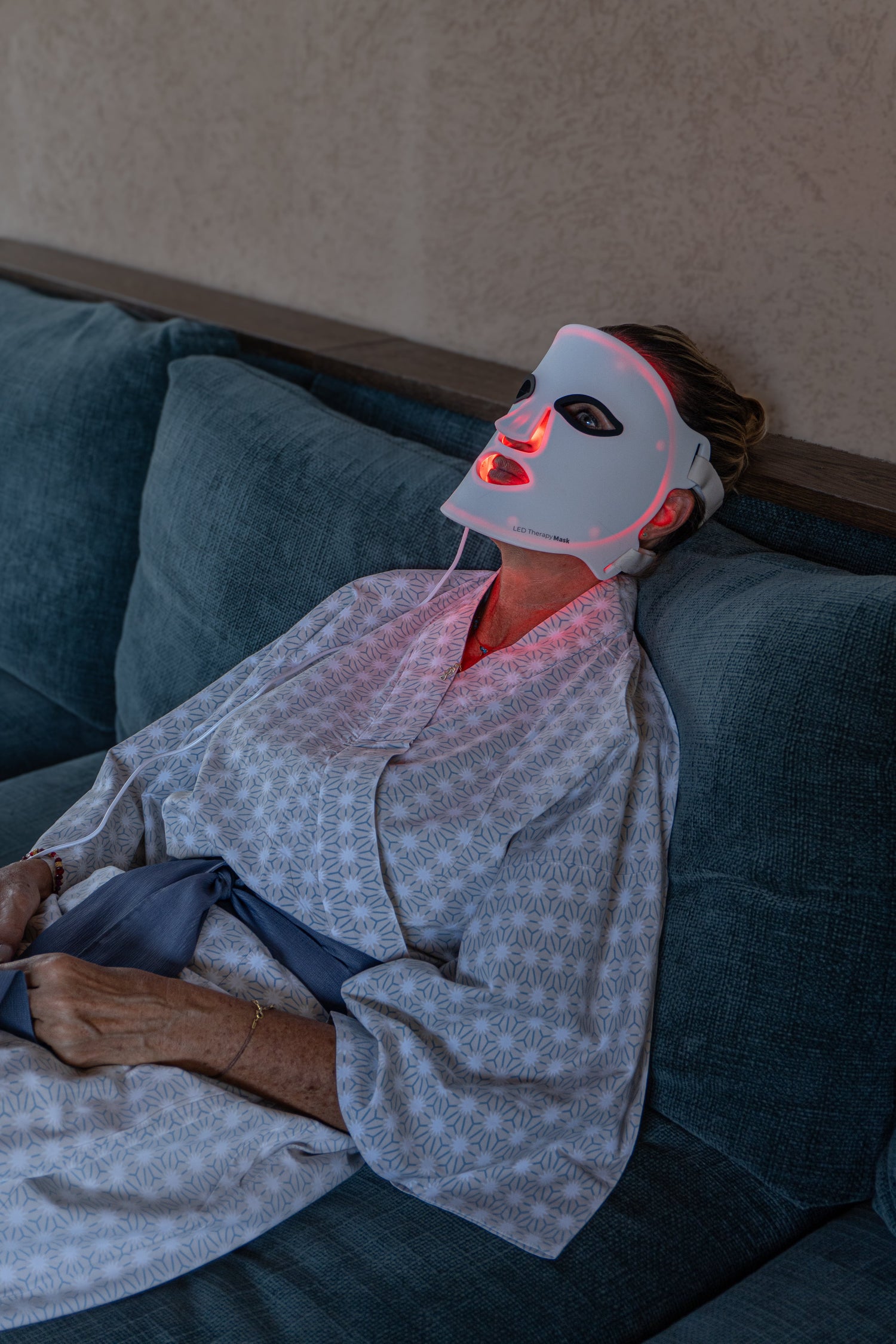
- Start small : shorter sessions and fewer days per week at first. (Always follow the device manual.)
- Clean, dry skin : fewer layers = less chance of unexpected reaction.
- Do not mix with irritants on the same day : if you are adapting to retinoids or acids, separate the days or reduce the overall intensity of the routine.
- Evaluate after 48 hours : if persistent redness, heat, or "new" tightness appears, reduce frequency or pause.
- Protect your eyes : Wear eye protection if indicated by the device; the AAD recommends using the specific protection indicated and not substituting sunglasses. ( aad.org )
Real-life cases: “Am I ready or not?”
- You had a peel or over-exfoliated : it's usually "red/amber". Prioritize repair for 1–2 weeks (or longer if there's stinging).
- Your usual moisturizer stings : a classic sign of a compromised skin barrier. Pause LED light therapy until comfort returns. (health.clevelandclinic.org )
- You're fine, but you get redness when the weather changes : start using LED light less frequently and focus on a barrier routine + consistent SPF.
When is it advisable to consult a dermatologist before using LED lights?
Check if:
- You have rosacea, atopic dermatitis (eczema), psoriasis , or frequent inflammatory flare-ups (a vulnerable barrier often coexists with these conditions). (health.clevelandclinic.org )
- Are you taking medication or treatments that increase photosensitivity ? (The AAD warns about possible interactions.) ( aad.org )
- Do you notice hyperpigmentation easily or have a darker skin tone? The AAD notes increased sensitivity to visible light (such as red light) and a possible risk of more intense and longer-lasting dark spots. ( aad.org )
If you would like guidance on using light in your case, you can contact our team through Kumo's contact page .
How does this fit with the Kumo approach: recovery, consistency, and helpful technology?
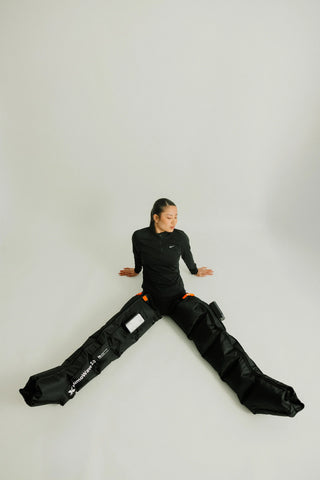
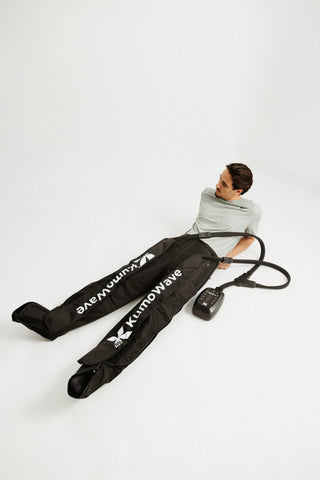
At Kumo, we understand "recovery" as a habit: taking small, high-quality actions that, when combined, improve how you look and feel. LED light therapy for the skin can be part of that ritual, as can other wellness technologies from the brand: for example, if your goal is to recover your legs after many steps or workouts, you can explore our pressotherapy collection ; and if you're looking for deep muscle release, the KumoPulse Air is another complementary piece within the Kumo ecosystem.
FAQ: LED mask, skin barrier and Kumo
Can I use Kumo LED light therapy if I'm using retinol?
It depends more on your tolerance than on whether or not to use retinol. If your skin is stable (no stinging, no significant peeling, no persistent redness), it's usually best to use it on separate days: retinoid one night, LED light another day, and adjust accordingly. If you're adapting to retinol and your skin is sensitive, prioritize repairing the skin barrier first (hydration, lipids, SPF) and then gradually introduce light therapy. If you're taking photosensitizing medication, consult a dermatologist.
How do I know if the LED mask is irritating my skin or if it's "normal"?
A mild, fleeting sensation may occur, but what happens afterward is what matters. If you notice burning , new tightness , redness that lasts for hours, or that your moisturizer starts to sting when it didn't before, it's a sign that your skin barrier is being compromised. In that case, reduce the frequency of use or take a break for a few days and return to a simple routine. If the reaction recurs or worsens, consult a professional.
Do I need eye protection when using an LED mask at home?
Always follow the device instructions. The AAD recommends wearing eye protection if the manufacturer indicates it, and if protective eyewear is requested, always wear it (do not substitute sunglasses). The priority is to avoid discomfort or eye strain, especially during repeated sessions. If you have sensitive eyes, dryness, or a history of light-induced migraines, start with shorter sessions and stop use if you experience discomfort.
Is Kumo LED light therapy effective if I have a damaged skin barrier?
If your skin barrier is damaged (itching, flaking, irritation), light therapy isn't the first approach: it's best to stabilize it first with gentle cleansing, hydration, and lipid repair. The Cleveland Clinic describes how recovery can require consistent use for weeks, and in some cases months, to see significant changes. Once your skin is back in the "green" zone, LED light therapy can be gradually incorporated into your routine. If you have active dermatitis/rosacea, it's best to do this under professional guidance.
What does it mean for a device to be “FDA-cleared” and why should I care?
“FDA-cleared” indicates that the device has undergone a regulatory process for sale in the U.S. and is considered low-risk for its product type. The AAD notes that this primarily relates to safety, not promises of results, and the FDA warns that terms like “FDA registered/certified” can be misleading. In practice, it helps you filter marketing and prioritize devices with a clearer regulatory framework.
References and sources (reliable reading)
- American Academy of Dermatology (AAD): red light therapy and precautions ( aad.org )
- Cleveland Clinic: Signs of a Damaged Skin Barrier and Recommendations (health.clevelandclinic.org )
- DermNet NZ: Skin Barrier Function and TEWL ( dermnetnz.org )
- FDA: What does “FDA approved/cleared/registered” mean? ( fda.gov )
- Systematic review and meta-analysis on LED in cutaneous therapy (2023, PubMed) ( pubmed.ncbi.nlm.nih.gov )
- Blue light for acne: systematic review and meta-analysis (2019, PubMed) ( pubmed.ncbi.nlm.nih.gov )
- LED and photodynamic therapy (PDT) for photoaging/scarring/dispigmentation: a systematic review (2020, PubMed) ( pubmed.ncbi.nlm.nih.gov )
So what now?
If your skin is already in the "green" zone, the next step is to build a simple and sustainable habit. Explore Kumo's LED light therapy to integrate light into your routine with a premium recovery focus, or visit Kumo to discover the complete wellness ecosystem. If you have any questions about compatibility with your skin or routine, please contact us through our contact page .

Facial red light
KumoSkin Mask – LED Facial Mask
★★★★★ 4,8/5 · rated by verified customers
- 250 LEDs in flexible medical silicone
- Red light to boost collagen and glow
- 4 lights: red, infrared, blue and yellow
€299,00€429,00· pay in installments with seQura or Klarna