
Less, but better.
If you struggle with adult acne (breakouts on your chin, jawline, cheeks, or T-zone) and your skin is easily irritated, an LED mask can be a great ally, provided you use it methodically: few steps, consistency, and zero irritation . In this guide, I'll explain how to do it with a minimalist approach, what the evidence says about LED light for acne, and how it fits into a Kumo- style skincare and recovery routine.
Facial red light
Bring your skin back to life
★★★★★ 4,8/5 · rated by verified customers
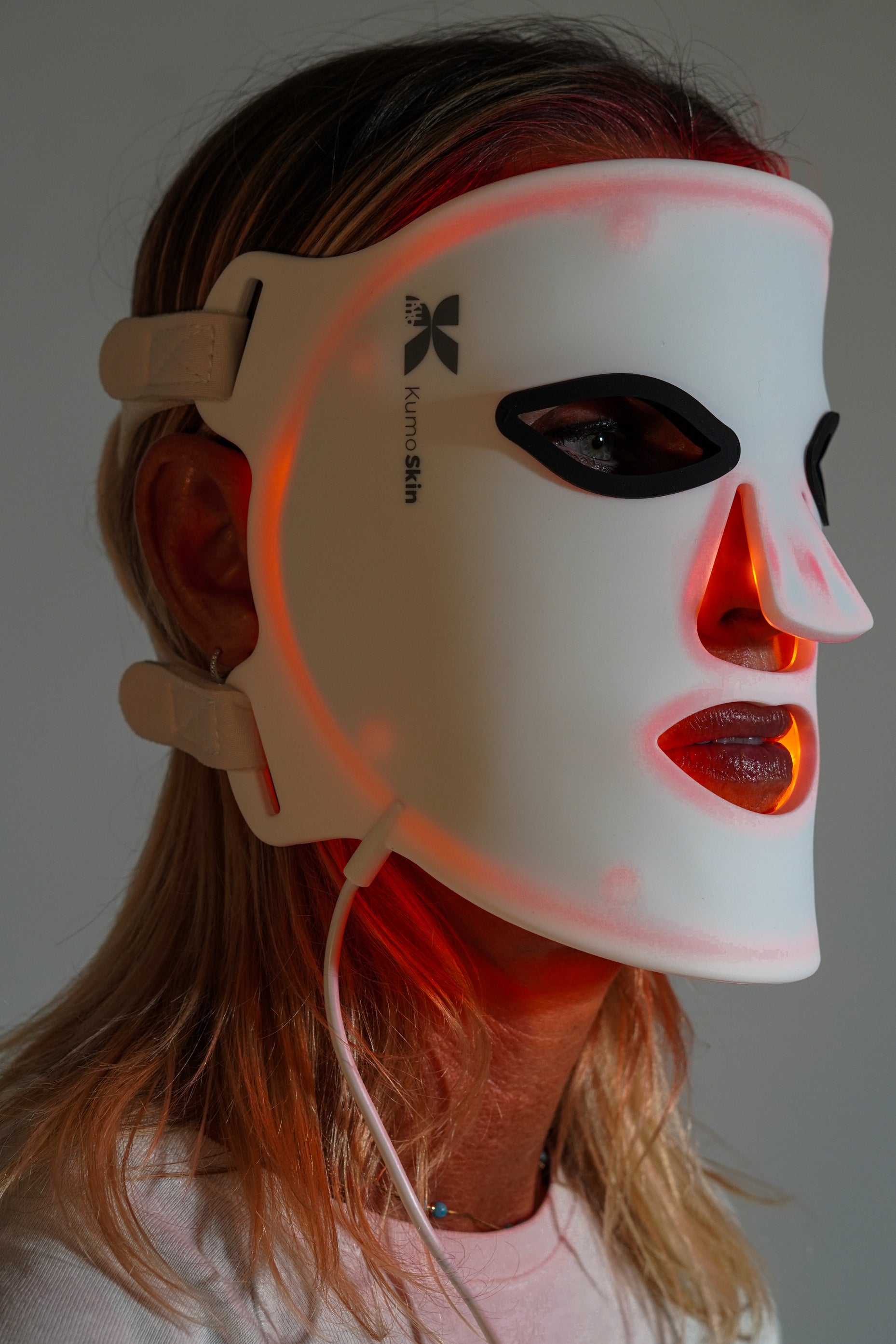
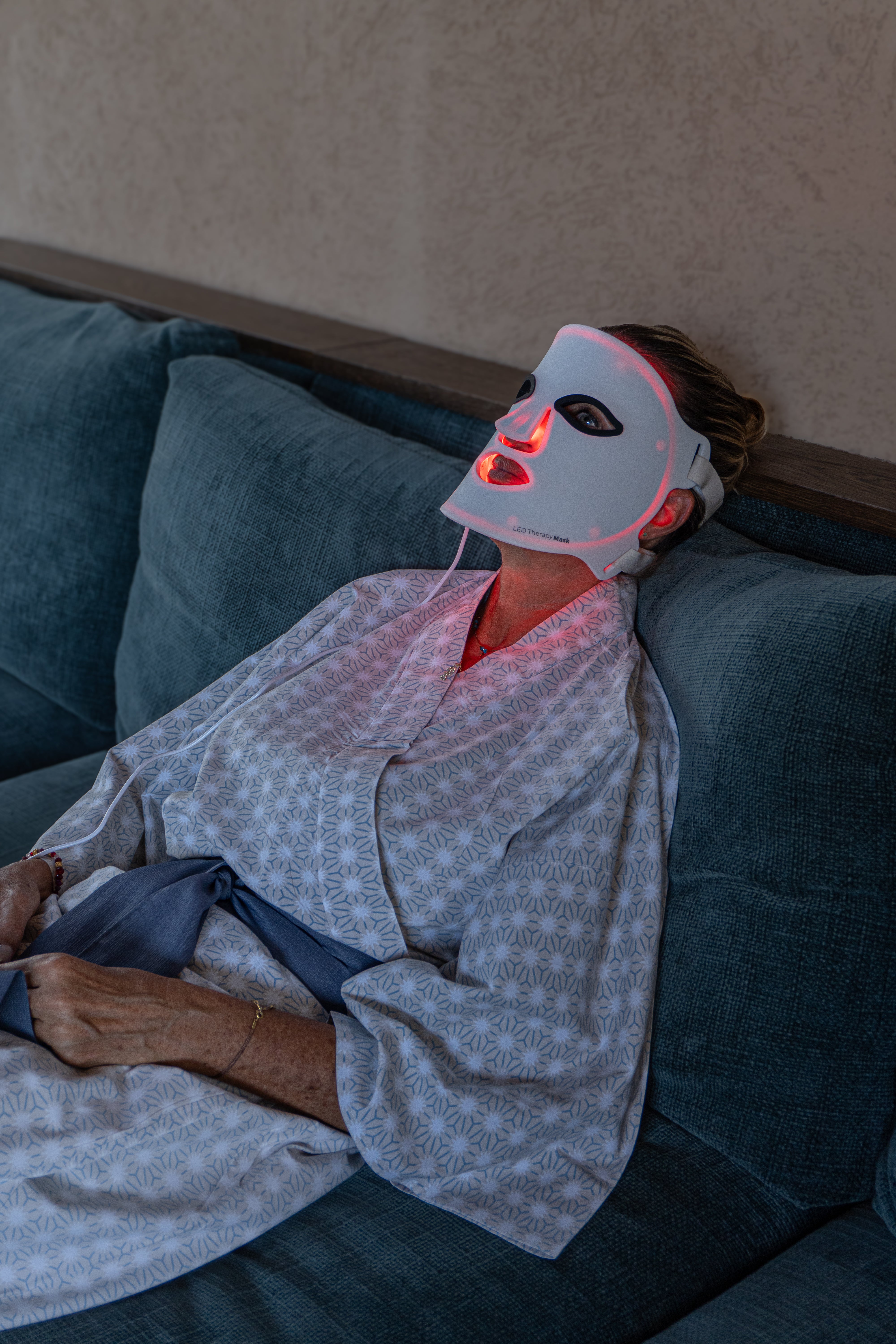
The KumoSkin LED mask helps repair and calm your skin in short sessions at home.
- 250 LEDs in flexible medical silicone
- Red light to boost collagen and glow
- 4 lights: red, infrared, blue and yellow
€299,00€429,00
−10% on your 1st order when you subscribe to the newsletter

To see the brand's LED technology options, you can start with the official Kumo website or directly with the LED light therapy section.
Why adult acne benefits from a minimalist routine
Adult acne isn't always "more oil = more pimples." Often, it's caused by a combination of factors (inflammation, a compromised skin barrier, stress, hormonal changes, occlusive cosmetics, etc.). In this context, a routine with too many active ingredients (acids + retinoids + physical exfoliation + masks) can lead to:
Personalized protocol · included with your purchase
Want us to tell you how to use it in your case?
With your purchase, our experts prepare the ideal LED protocol for your skin type and goal (acne, wrinkles, dark spots...).
Message us on WhatsAppOur experts reply · no obligation
- Irritation (burning, persistent redness, peeling).
- Rebound outbreaks (the skin becomes more inflamed and tolerates treatments less well).
- Inconstancy : the “complicated” is abandoned.
A minimalist routine has a clear goal: to reduce inflammation and blackheads without disrupting the skin's natural barrier. And that's where LED light has a practical advantage: it's a physical stimulus, not a chemical one, and it can complement treatments without adding layers of products.
What can an LED mask do for adult acne (with evidence)
What blue light and red light do to acne-prone skin
In mild to moderate acne, LED phototherapy has been studied primarily with blue and red light (and combinations thereof). In both general and clinical practice, it is described that:
- Blue light : acts more superficially and is associated with an antibacterial effect (related to porphyrins of Cutibacterium acnes ) and modulation of inflammation.
- Red light : penetrates deeper than blue light and is linked to an anti-inflammatory effect and support for repair.
A clear explanation of these mechanisms and wavelength ranges is summarized by DermNet NZ (Lasers, lights and acne) , a widely used dermatological resource.
on your first order when you join the newsletter
We send you the code instantly. No spam.
What do studies say about LED devices “at home”?
- He reviewed trials with at-home LED devices for acne, evaluating safety and efficacy in mild to moderate acne (you can see the reference in PubMed). In addition, the research group summarized it in an institutional note from Mass General Brigham, highlighting that these devices can be considered a safe and effective option in that context of mild-to-moderate acne: press release (
There are also trials comparing different modalities. For example, a randomized clinical trial published in 2022 compared red and blue light in mild-to-moderate acne and observed improvements in lesion count with different tolerance profiles (reference in PubMed ).
Key takeaway: LED lighting isn't usually an "instant miracle," but it can fit very well into a consistent and gentle plan, especially if your skin is easily irritated by harsh routines.
How to choose the right type of light without complicating things (and how Kumo fits in)
If your main goal is adult acne with minimal irritation, think of light as a "selector" based on the dominant problem:
- Inflammatory outbreaks and redness : red (and, in some cases, infrared ) is usually of interest due to its calming profile.
- Active pimples and excess sebum : blue is usually used, or a blue + red combination.
- Reactive, tired skin with marks : red/infrared are usually more "gentle" as a base.
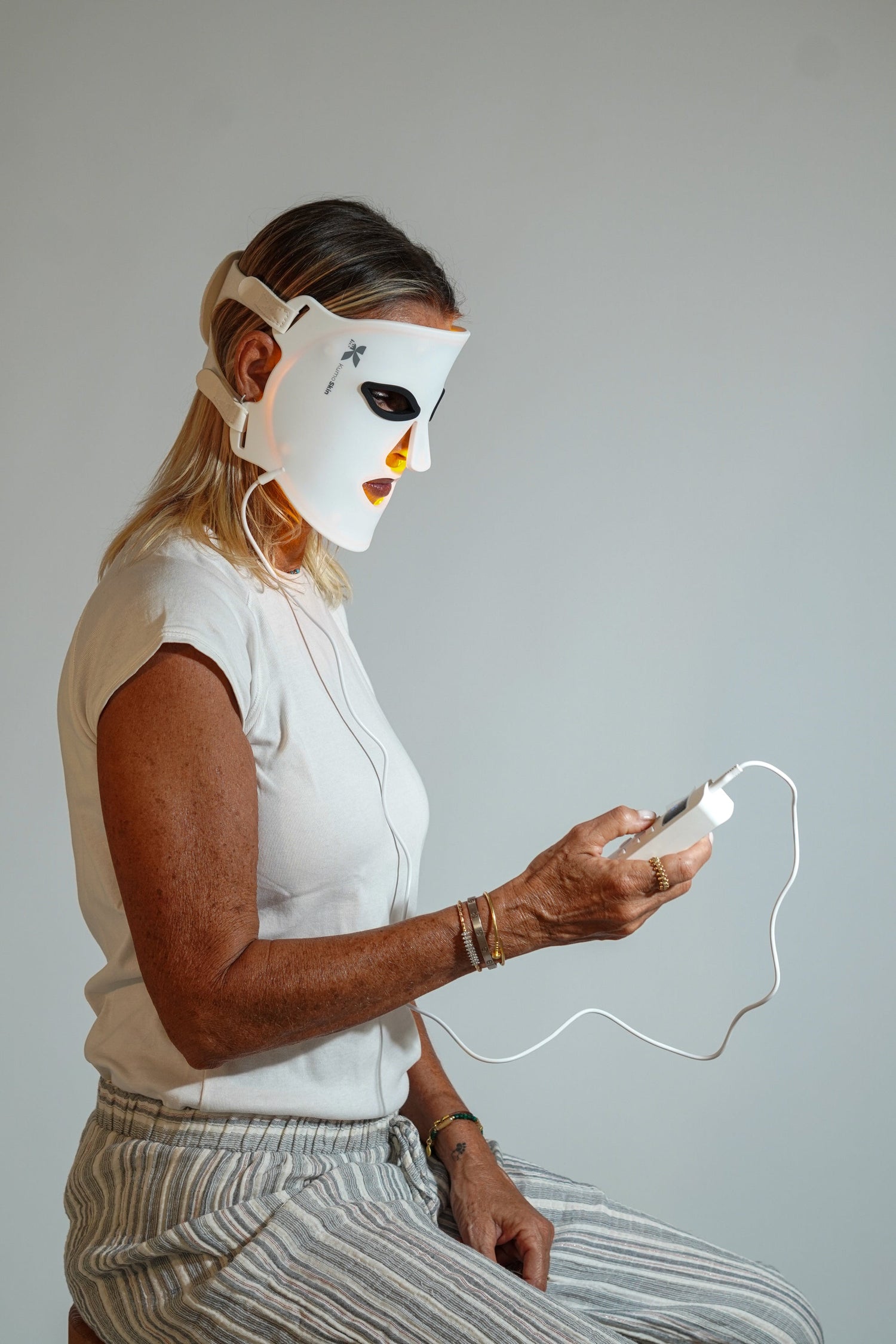
Within the Kumo ecosystem, the brand offers LED therapy solutions focused on regeneration and recovery. For example, the KumoSkin Mask product information describes wavelengths such as red (630–660 nm) , blue (470 nm) , yellow (590 nm), and infrared (850 nm) , along with a recommended use of 10–20 minutes , 3–5 times per week .
Responsible note: While many people tolerate LED therapy well, experience varies depending on sensitivity, concomitant treatments, and consistency. If you are currently taking medication (e.g., antibiotics, isotretinoin, etc.) or have photosensitivity, it is advisable to consult a healthcare professional. Informational resources on precautions also advise against phototherapy in certain cases (photosensitivity, certain medications, etc.), for example, at the Cleveland Clinic and in general medical information sources such as WebMD .
Minimalist routine: how to integrate an LED mask without irritation
Rule 0: The LED mask does not replace the basics
An effective minimalist routine for adult acne is usually based on 3 pillars:
- Gentle cleansing (no “squeaking”, no daily physical exfoliants).
- Hydration (stable barrier = better tolerance).
- Sunscreen (key if you use active ingredients and to prevent post-breakout marks from becoming pigmented).
The American Academy of Dermatology reminds us that acne is very common (in the US it affects almost 50 million people a year ) and has updated management guidelines (2024): AAD – updated guidelines.
Step by step (order and timing for sensitive skin)
- Use the LED light on clean, dry skin. This prevents mixing too many products under the mask and reduces the risk of stinging.
- Start with short sessions. If your mask allows you to adjust the time/intensity, begin conservatively (for example, 10 minutes) and increase the time if your skin responds well.
- After LED therapy: moisturize. A simple moisturizer helps maintain comfort and the skin barrier.
- If you use an anti-acne active ingredient, use it separately. On reactive skin, it usually works better to alternate days (not "all at once").
Practical table: example of a minimalist week (LED + 1 active)
This example is designed for acne-prone and sensitive skin. The goal isn't to do more, but to make it sustainable.
| Day | Tomorrow (AM) | Night (PM) | Aim |
|---|---|---|---|
| Monday | Gentle cleanser + moisturizer + SPF | LED (10–20 min) + moisturizer | Calm down and begin consistency |
| Tuesday | Gentle cleanser + moisturizer + SPF | Anti-acne active (only 1) + moisturizer | Treat without overloading |
| Wednesday | Gentle cleanser + moisturizer + SPF | LED + hydrating | Reduce inflammation |
| Thursday | Gentle cleanser + moisturizer + SPF | Moisturizer only | Barrier break |
| Friday | Gentle cleanser + moisturizer + SPF | LED + hydrating | Regularity (without irritation) |
| Saturday | Gentle cleanser + moisturizer + SPF | Anti-acne active (only 1) + moisturizer | Control of comedones/outbreaks |
| Sunday | Gentle cleanser + moisturizer + SPF | LED or moisturizer only (depending on tolerance) | Individual adjustment |
What does “an active ingredient” mean here? Just one, chosen based on your specific case (for example, a topical retinoid or benzoyl peroxide). If you are currently undergoing dermatological treatment, prioritize that plan. For general guidance, the AAD maintains patient resources on acne diagnosis and treatment: Acne: Diagnosis and Treatment .
How to avoid irritation: common mistakes (and how to correct them)
- Use it "daily from day 1". Better: start with 3 days/week and increase if your skin is comfortable.
- Do LED light therapy right after exfoliating or using harsh acids. Better yet: separate the treatments on different days if you have sensitive skin.
- Apply plenty of serum before the mask. Ideally: LED light on clean skin; then moisturizer.
- Ignoring device hygiene is not recommended. Instead, clean it according to the manufacturer's instructions and avoid sharing it without proper hygiene.
- Don't moisturize "because I have acne." Better: light hydration = better tolerance, less rebound.
- Forget SPF. Better: daily sunscreen; especially important if you combine LED lighting with treatments that increase sensitivity.
- Use it if you have photosensitivity or are taking certain medications without confirmation. It's best to check compatibility (consult a doctor if necessary). Clinical information mentions precautions for people with photosensitivity, for example, from the Cleveland Clinic .
Realistic expectations: when to notice changes and when to ask for help
In studies using at-home LED devices, improvements are typically assessed over several weeks. For acne, it's reasonable to expect a timeframe of 4 to 12 weeks to evaluate trends, especially if your goal is to reduce inflammation and the frequency of breakouts (and not simply eliminate them completely in days). The meta-analysis published in JAMA Dermatology (2025) is a good modern reference for understanding why consistency matters: PubMed – At-Home LED Devices…
Seek dermatological help if any of these points appear:
- Nodulocystic acne , painful or with risk of scarring.
- Progressive worsening after 8–12 weeks of consistent routine.
- Intense irritation (burning, blisters, eczema).
- Suspected marked hormonal acne (cyclic outbreaks, jaw predominance) that does not respond to basic treatments.
Kumo and the “recovery” approach applied to the skin
Skin is also part of performance: it rests, repairs, and responds to sustainable routines. At Kumo, the premium recovery philosophy translates into technology for creating habits (not just "one-off treatments"). If you're interested in integrating LED facial care with a broader wellness approach, you can explore:
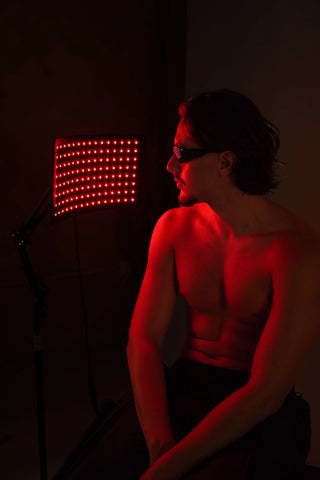
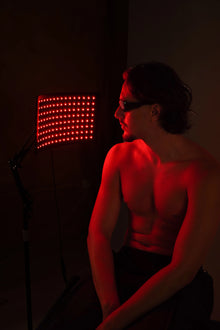
- LED for skin : LED light therapy collection.
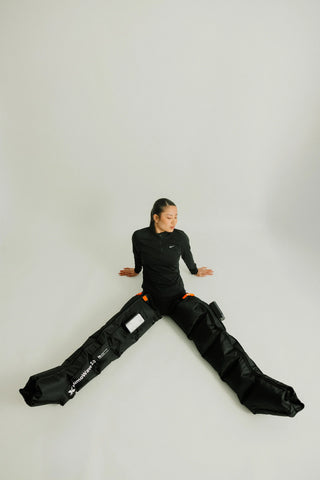
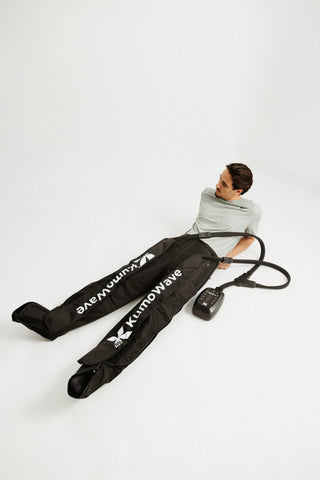
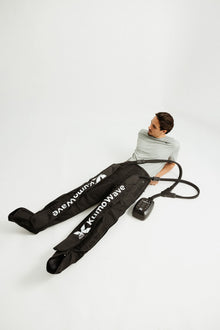
- Recovery and circulation (tired legs, recovery after activity): pressotherapy .
- Muscle recovery and post-workout routine: KumoPulse Air .
Important: These resources help you build a recovery lifestyle. For acne, the goal is to make your routine so simple that you can maintain it even during stressful weeks.
FAQ: Frequently asked questions about Kumo, LED masks and adult acne
How often should I use a Kumo LED mask if I have adult acne and sensitive skin?
As a conservative starting point, prioritize tolerance: 3 sessions per week for 2 weeks, and if there is no persistent redness or stinging, gradually increase the frequency. The KumoSkin Mask product information indicates a recommended usage time of 10–20 minutes and a frequency of 3–5 times per week. The key to adult acne is consistency without overtreatment: if you are using an active ingredient (retinoid, benzoyl peroxide, etc.), it is usually best to alternate days to avoid irritating the skin barrier.
Can I combine KumoSkin Mask with retinoids or acne treatments?
In many cases, LED light is used as a complement, but the exact combination depends on your sensitivity and the treatment. For acne, the AAD emphasizes that dermatologists safely combine therapies depending on the case: patient guide . For reactive skin, a useful minimalist strategy is to separate treatments: LED light on "gentle" nights and introduce the retinoid on alternate nights, always with hydration. If you are taking photosensitizing medication or have photosensitivity, consult a professional.
Does the blue light from the Kumo mask help if my breakouts are "hormonal" (chin and jaw)?
Jawline acne is often associated with a hormonal component, but that doesn't mean LED light therapy is useless. Blue light is used for acne because of its action on related bacteria and its anti-inflammatory effects (general explanation on DermNet NZ ). Even so, if the primary cause is hormonal, you may need a specific medical plan in addition to a basic routine. Think of LED therapy as a support to reduce inflammation and improve overall tolerance, not as your sole solution.
How do I clean my LED mask to prevent more breakouts?
Cleaning your device is part of your acne routine: a mask that touches your skin must be kept spotless to avoid reintroducing oil, sweat, or residue. Always follow the manufacturer's instructions and avoid harsh products that can damage the material. As a general rule, clean it after each use, let it dry completely, and store it in a clean place. If you develop breakouts "at the edge" where the mask rests, it's usually a sign of insufficient hygiene or using it on skin with too many products.
Does at-home LED therapy replace a dermatologist if I use Kumo?
No. LED light can be a useful tool, and according to recent reviews, at-home devices can be safe and effective for mild to moderate acne ( JAMA Dermatology 2025 on PubMed ). However, if you experience pain, deep cysts, scarring, or your condition worsens despite 8–12 weeks of consistent use, a medical evaluation is advisable. The smart approach is usually to combine a minimalist LED light routine with the appropriate treatment if your case requires it.
So what now?
If you want to take the plunge with a simple (and sustainable) approach, explore Kumo's LED therapy collection and build your minimalist routine around the basics: gentle cleansing, hydration, SPF, and consistency. If you need help choosing the solution that best suits your lifestyle and recovery needs, you can contact the team through the Contact page .

Facial red light
KumoSkin Mask – LED Facial Mask
★★★★★ 4,8/5 · rated by verified customers
- 250 LEDs in flexible medical silicone
- Red light to boost collagen and glow
- 4 lights: red, infrared, blue and yellow
€299,00€429,00· pay in installments with seQura or Klarna