
Yes, you can combine them. The key is not to stack them back to back, because the ice bath should be short and pressotherapy works better once your body has come out of the cooling phase and your skin has regained normal sensation. (health.clevelandclinic.org)
There is no universal, validated recipe for every person and every goal. The literature on combining recovery methods with cold is still mixed, so the most sensible approach is to think about order, interval and tolerance rather than doing both one after the other without a break. (pubmed.ncbi.nlm.nih.gov)
Pressotherapy at home
End the day with light legs
★★★★★ 4,8/5 · rated by verified customers
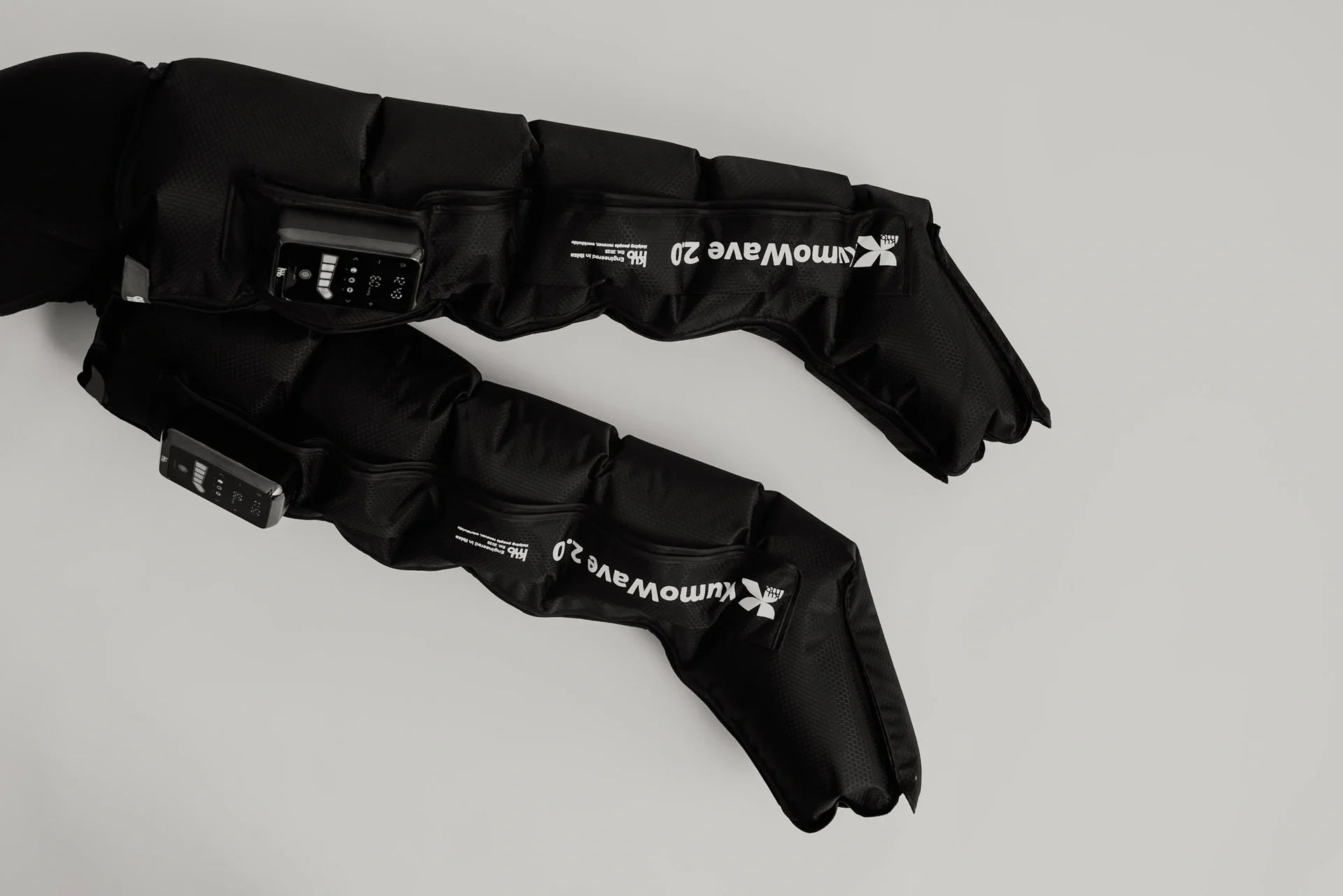
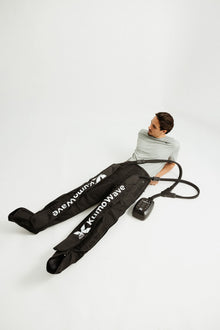
KumoWave pressotherapy boosts circulation and helps drain fluid with sequential compression, in 20-minute sessions at home.
- Boosts circulation and helps drain fluid
- Chamber-based compression, adjustable to you
- Sequential compression that mimics manual drainage
€799,00€999,00
−10% on your 1st order when you subscribe to the newsletter

What each technique does
Ice bath
An ice bath, also called cold water immersion, can help reduce the feeling of muscle soreness after exercise and temporarily lower perceived inflammation. Even so, it should not go on too long. Cleveland Clinic recommends short sessions of no more than five minutes, with an even shorter start for beginners, and notes that cold can increase cardiovascular strain and cause problems if you have heart disease, high blood pressure or poor circulation.
If your main goal is to build strength or muscle, timing matters even more. A PubMed review and Cleveland Clinic's clinical information suggest that cold applied very close to a strength session may blunt some of the signals for muscle adaptation. (pubmed.ncbi.nlm.nih.gov)
Personalized protocol · included with your purchase
Want us to tell you how to use it in your case?
With your purchase, our experts prepare a personalized usage protocol for your case: sport, circulation, fluid retention, pregnancy or lipedema.
Message us on WhatsAppOur experts reply · no obligation
Pressotherapy
Pressotherapy uses sequential pneumatic compression to support venous return and a feeling of lighter legs. In a recent PubMed review, the most common recovery protocols were around 20 to 30 minutes at about 80 mmHg, although the overall evidence is still limited. If you want to go over the mechanism in more detail, how pressotherapy works explains sequential compression and the logic behind using it. (pubmed.ncbi.nlm.nih.gov)
The idea is not to chase maximum pressure but a useful, tolerable pressure. Patient information from Leeds Community Healthcare points out that compression is measured in mmHg, that the right dose matters and that it should not cause pain. (leedscommunityhealthcare.nhs.uk)
Why the order matters
The most cautious sequence is ice bath first and pressotherapy second. Not because compression erases the effect of the cold, but because the body needs to come out of the cooling phase, regain normal sensation and tolerate the pressure well. This guideline is a practical inference from the available evidence on both methods and from the safety recommendations for ice baths. (pubmed.ncbi.nlm.nih.gov)
on your first order when you join the newsletter
We send you the code instantly. No spam.
If you want to picture where compression fits in a full routine, the walkthrough of a leg pressotherapy session helps you understand the steps without mixing different goals in the same minute. (pubmed.ncbi.nlm.nih.gov)
Practical same-day sequence
| When | What to do | Practical interval | Key point |
|---|---|---|---|
| Ice bath | Take a brief plunge and get out as soon as you notice your body is no longer cooling intensely. | Between 1 and 5 minutes, depending on tolerance and experience. | Cleveland Clinic suggests short sessions and warns against extending them. |
| Transition | Dry off well, warm up gradually and wait for your skin to feel normal again. | As a practical margin, 20 to 30 minutes, or longer if you still feel numb. | The priority is to get back to a comfortable sensation before compression. |
| Pressotherapy | Start the session with firm but comfortable pressure, without pain or lingering tingling. | 20 to 30 minutes is a very common range in recovery. | The protocols studied repeat that duration at around 80 mmHg. (pubmed.ncbi.nlm.nih.gov) |
How to adjust the interval without losing sight of the goal
There is no universal number of minutes that works for everyone. As a cautious guideline, leave at least 20 to 30 minutes between the ice bath and pressotherapy, and more if you still feel intense cold, shivering, numbness or changes in skin color. The idea is not to follow an exact clock but to regain temperature and sensation before compression.
If you use a home device, the intensity should feel firm but comfortable. To fine-tune that setting more carefully, adjusting pressure in mmHg without overdoing it can help, especially if you are just starting out and do not want to confuse useful pressure with excessive pressure.
- Take a short ice bath first and get out as soon as you feel the exposure has been enough.
- Dry off well and wait until your skin is no longer numb before moving on to compression.
- Use pressotherapy afterwards, with a comfortable, pain-free sensation, for whatever length of time best suits your routine.
When to get medical advice
Do not improvise if you have a history of vascular or heart problems, or if cold does not agree with you. In those cases, the priority is not combining techniques but first checking whether they are suitable for you.
- Chest pain, shortness of breath, severe dizziness or palpitations during or after the ice bath.
- Numbness that does not go away, very pale or bluish skin, or pain that does not match a simple feeling of cold.
- One leg that is more swollen, warmer or more painful than the other, because it may need assessment before using compression.
- Wounds, ulcers, severe dermatitis, very fragile skin or recent skin grafts on the legs.
- Peripheral artery disease, heart failure, suspected deep vein thrombosis or pulmonary embolism. (bucksformulary.nhs.uk)
If any of these situations applies, do not use pressotherapy without professional assessment. The same goes if the ice bath causes cardiovascular discomfort or if you already know you have poor circulation, high blood pressure, diabetes or peripheral neuropathy.
Frequently asked questions
Is it safe to use ice on your legs together with pressotherapy for muscle recovery?
For a healthy person, it can be done on the same day if you respect the sequence and leave a gap between the two techniques. The cautious approach is to do the ice bath first, dry off well and then move on to pressotherapy once your skin feels normal. It is not a good idea to stack them without a break, or to do it if you notice dizziness, lingering tingling or cardiovascular discomfort. If you have poor circulation, high blood pressure, diabetes or heart disease, get advice before trying it.
How long should the cold last and how much pressotherapy pressure should you use for the best results?
As a cautious reference, Cleveland Clinic suggests keeping an ice bath under five minutes and having beginners start with one or two minutes, in water around 50 to 59 °F (10 to 15 °C). For recovery pneumatic compression, the PubMed review places many protocols at 20 to 30 minutes and around 80 mmHg. Even so, the right pressure is the one that feels firm but comfortable, without pain or numbness.
Does pressotherapy interfere with the anti-inflammatory effects of cold on minor injuries?
There is no solid evidence that compression cancels out the effect of cold. The evidence on combined recovery methods is still mixed, so the most sensible option is to use both techniques as separate tools and space out the sessions. If you also do strength training, avoid cold right after your workout, because it may blunt muscle adaptation. In practice, the combination works best when each part has its own moment and does not step on the other. (pubmed.ncbi.nlm.nih.gov)
What are the recommendations for alternating cold and compression without harming circulation?
Take a short ice bath, dry your skin, get back to normal temperature and sensation, and only then use pressotherapy at a comfortable pressure. Stop if you notice dizziness, lingering tingling, color changes or pain. And avoid compression without assessment if you have peripheral artery disease, heart failure or suspected thrombosis. The idea is not to force the routine but to make each technique add something without putting unnecessary strain on your circulation.
What now?
If you want to put together a clearer routine, start with the basics of sequential compression in pressotherapy at home with KumoWave, go back to the main Kumo Balance website to find your way around the other resources and, if you want to better understand the brand's approach, also take a look at the recovery technology behind it. (pubmed.ncbi.nlm.nih.gov)
KumoWave pressotherapy
Choose your at-home pressotherapy
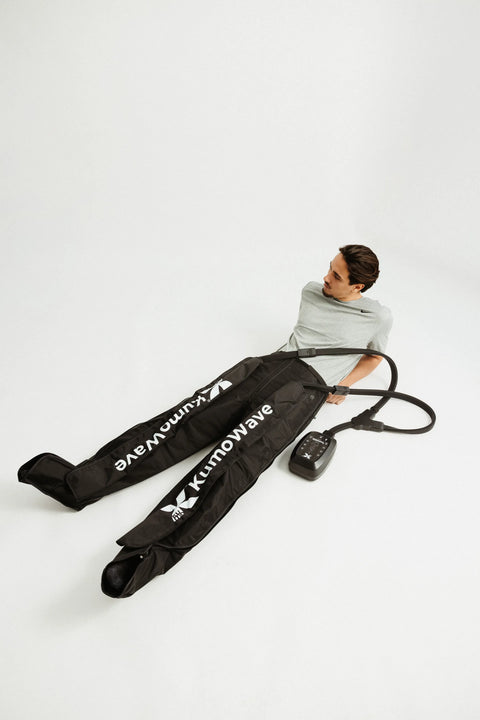
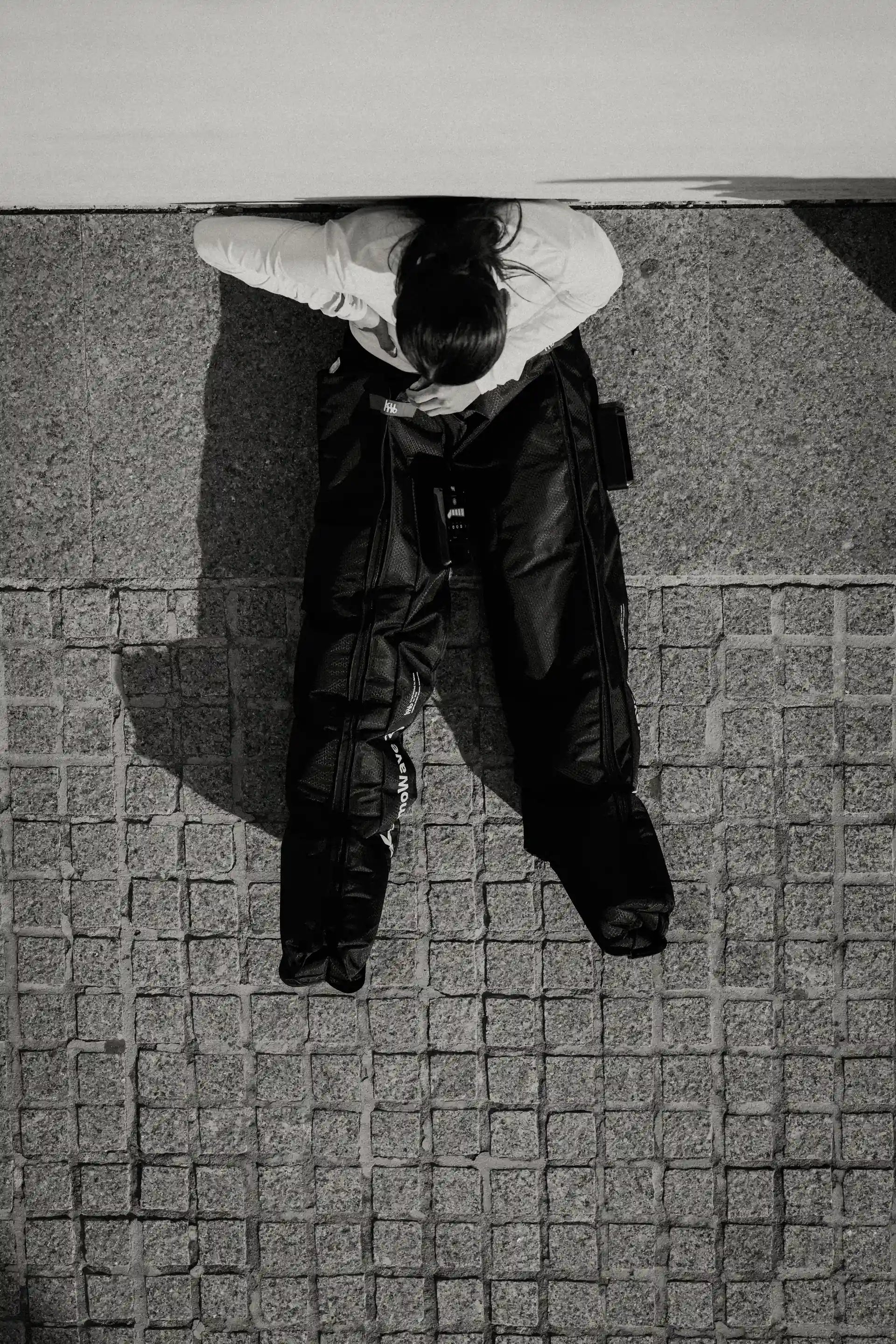
KumoWave Elite – Pressotherapy Pants
Full-coverage trousers. Ideal for lipedema, fluid retention and intensive use.
€799,00 €999,00
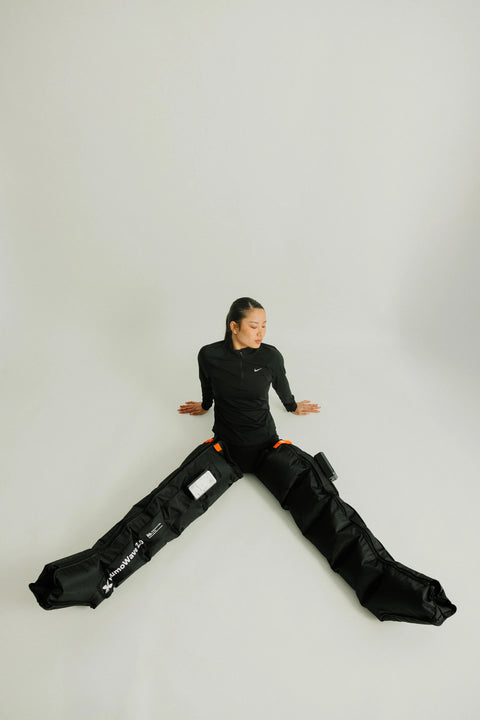
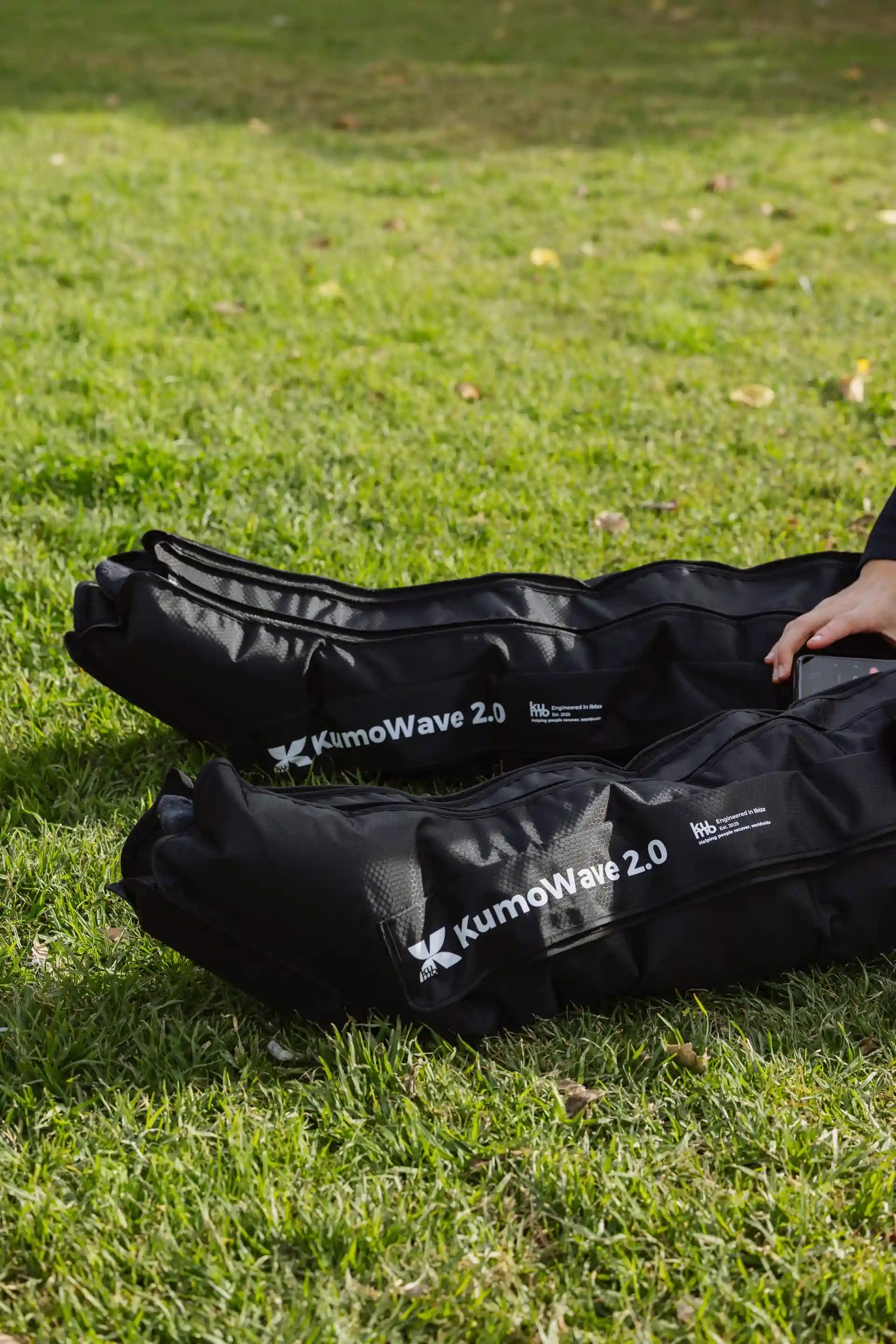
KumoWave 2.0 - Wireless Pressotherapy
Wireless, lightweight boots. Perfect for daily use and recovery.
€499,00 €599,00