

Hyponatremia can be a sports emergency. (aafp.org)
It occurs when blood sodium levels drop too low, often due to drinking more fluid than the body can eliminate during or after prolonged exertion. In endurance sports, this dilution can be mistaken for dehydration or heatstroke, so recognizing it in time makes a difference.
Pressotherapy at home
End the day with light legs
★★★★★ 4,8/5 · rated by verified customers
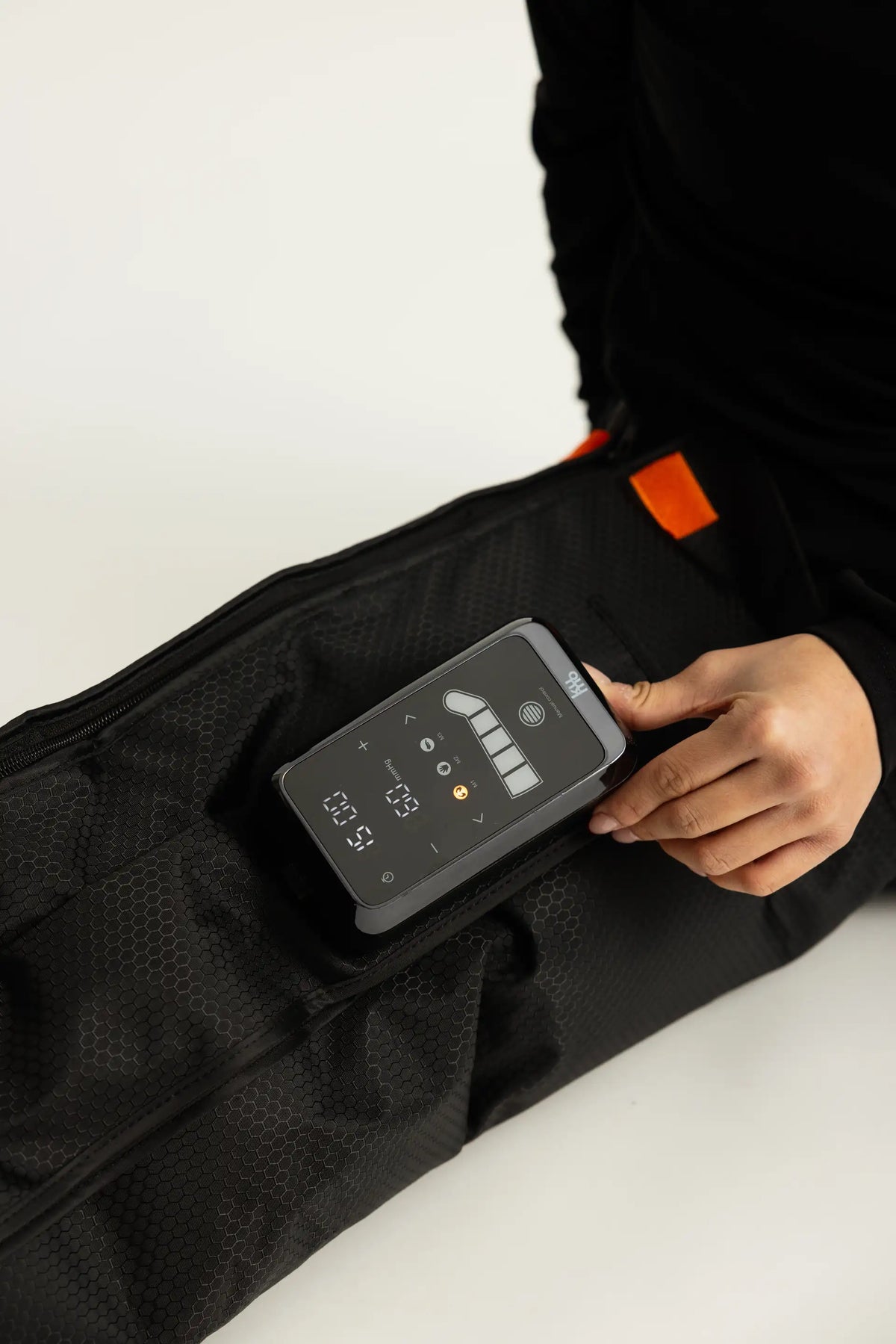
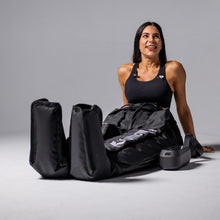
KumoWave pressotherapy boosts circulation and helps drain fluid with sequential compression, in 20-minute sessions at home.
- Boosts circulation and helps drain fluid
- Chamber-based compression, adjustable to you
- Sequential compression that mimics manual drainage
€799,00€999,00
−10% on your 1st order when you subscribe to the newsletter

What is exercise-associated hyponatremia
Exercise-associated hyponatremia is a drop in plasma sodium that occurs during physical activity or in the 24 hours following it, especially in long events. The summary guide by American Family Physician and PubMed reviews place it below 135 mmol/L. It is not just about “drinking too little salt,” but an imbalance between total water and available sodium.
In practice, the main problem is usually overhydration. The body receives more water than it can expel, the blood becomes diluted, and the sodium concentration drops. That is why even a sports drink can be part of the problem if the total volume ingested is excessive. (pubmed.ncbi.nlm.nih.gov)
Personalized protocol · included with your purchase
Want us to tell you how to use it in your case?
With your purchase, our experts prepare a personalized usage protocol for your case: sport, circulation, fluid retention, pregnancy or lipedema.
Message us on WhatsAppOur experts reply · no obligation
Why drinking too much water can be dangerous
The role of sodium in hydration
Sodium helps regulate body water, nerve transmission, and muscle contraction. AESAN reminds us that the body needs small amounts to function properly, but not high amounts routinely. When you drink more than you lose, water can dilute the sodium and alter that balance. (plancuidatemas.aesan.gob.es)
During exercise, the body can also release antidiuretic hormone, which reduces the ability to eliminate free water. If heat, prolonged duration, and constant fluid intake are added to this, the risk of hyponatremia increases. The most recent review available on PMC indicates that the combination of excess fluids and reduced water clearance is the predominant mechanism. (pmc.ncbi.nlm.nih.gov)
This means that switching water for an isotonic drink does not guarantee protection if the total volume remains excessive. Prevention does not depend on drinking “more,” but on avoiding fluid overload. (pubmed.ncbi.nlm.nih.gov)
on your first order when you join the newsletter
We send you the code instantly. No spam.
If you want to delve deeper into a practical approach to sports hydration, you can read how to adjust the water you really need when training.
Warning signs and when to seek help
Initial symptoms can be nonspecific: weakness, fatigue, headache, nausea, vomiting, dizziness, or a feeling of swelling. The problem is that those signs can also appear in heatstroke, so it is not advisable to assume anything by intuition. Real confirmation requires a blood test.
When hyponatremia is severe, changes in mental state, confusion, seizures, or loss of consciousness can appear. In that scenario, the emergency is immediate and you must seek medical assistance. (pubmed.ncbi.nlm.nih.gov)
- Stop the activity if you notice a severe headache, nausea, vomiting, or a strange feeling of swelling.
- Do not continue drinking automatically until you know what is happening, because more water can worsen the dilution.
- Seek medical evaluation if the symptoms do not subside or if you are not sure whether it is heat, dehydration, or hyponatremia.
- Call 112 immediately if there is confusion, seizures, or loss of consciousness. (pubmed.ncbi.nlm.nih.gov)
Quick summary: what usually happens and what to do
| Situation | What it may mean | Response |
|---|---|---|
| You have drunk a lot during a long event or in intense heat | There may be a dilution of sodium in the blood and a higher risk of exercise-associated hyponatremia. | Reduce fluid intake and assess the context before continuing. |
| Headache, nausea, vomiting, or swelling | Can be initial symptoms consistent with hyponatremia, although they also resemble other exercise conditions. | Stop the exertion and seek medical evaluation. |
| Confusion, seizures, or fainting | Can indicate a severe form with neurological involvement. (pubmed.ncbi.nlm.nih.gov) | Call 112 immediately. (pubmed.ncbi.nlm.nih.gov) |
If the symptoms appear up to 24 hours after exertion, the condition is still consistent with exercise-associated hyponatremia. That also explains why it sometimes arrives late to the diagnosis.
Who is at higher risk
The risk increases in long-duration events, especially in running, triathlon, ultra-distance, or prolonged training in heat and humidity. Scientific reviews also describe more risk in people who drink “as much as possible,” at slower paces, in women, and in those who use nonsteroidal anti-inflammatory drugs. (pubmed.ncbi.nlm.nih.gov)
- Long endurance events favor the problem because they combine sweat, prolonged time, and easy access to fluids.
- Heat increases the risk, both of hyponatremia and of confusion with heatstroke.
- Nonsteroidal anti-inflammatory drugs, some antidepressants, and certain diuretics can make fluid balance difficult.
- Repeated overhydration is especially problematic when it becomes a routine, not an isolated case. (pubmed.ncbi.nlm.nih.gov)
As a precaution, if you are pregnant, breastfeeding, under 18, or have kidney, liver, or heart disease, do not improvise with hydration. Consult your doctor or pharmacist before changing your routine, especially if you take medication regularly. (pmc.ncbi.nlm.nih.gov)
How to prevent it without overdoing it
The recommendation most supported by the guidelines is simple: drink according to thirst during prolonged exertion. The summary guide by American Family Physician and the PMC review agree that there is no universal amount of fluid that has been shown to prevent hyponatremia in all people.
That does not mean neglecting yourself. It means avoiding extremes. If you train or compete for a long time, it is advisable to adjust the strategy to the context, not to a fixed rule. If you want a practical reference on fluid balance and recovery, you can review this guide on how much water you really need.
- Drink when you are thirsty, instead of forcing yourself to empty bottles out of habit.
- Do not assume that a drink with salts or a sports drink compensates for any amount. Excess fluid remains the main problem. (pubmed.ncbi.nlm.nih.gov)
- In long and hot exertion, plan breaks and access to assistance, but without turning every stop into a drinking obligation.
- If you have already had compatible symptoms, review your strategy with a professional before repeating the same plan.
The safest prevention is not drinking more, but avoiding overhydration.
Sodium from the usual diet also counts toward the body's overall balance, but it does not correct excessive water intake on its own. AESAN reminds us that sodium regulates body water and nerve activity, so the important thing is to maintain balance, not to demonize salt or trust fluids blindly.
Hyponatremia is not the same as fluid retention
The feeling of swelling after training does not always mean hyponatremia. If you want to compare that type of discomfort with another frequent fluid balance problem, you can read how fluid retention manifests. Both situations can look similar on the outside, but they do not have the same cause or management.
Frequently Asked Questions
What is exercise-associated hyponatremia and how does it develop during a sports activity?
It is a drop in blood sodium that appears during exercise or in the 24 hours following it, especially in endurance sports. Most commonly, it is related to drinking more fluid than the body can eliminate, often along with the action of antidiuretic hormone, which makes it difficult to expel free water. The result is a dilution of plasma sodium. It is not confirmed by sensations alone, but with a blood test.
Why drinking too much water during exercise can dilute blood sodium and be dangerous to health?
Because the body has a limited margin to eliminate free water, and during exertion that margin can be reduced. If more water enters than leaves, the sodium concentration drops. That dilution can go from a simple discomfort to a severe condition with nausea, headache, confusion, or seizures. The risk does not depend only on “how much salt” you take, but on the balance between water, sodium, and excretion capacity. (pubmed.ncbi.nlm.nih.gov)
How to prevent hyponatremia in athletes without adopting excessive hydration strategies?
The most consistent prevention is drinking according to thirst, not by calendar or fear of dehydration. Reviewed guidelines have not shown that a fixed amount of fluid works for everyone. In addition, it is advisable to review if you train in heat, if you take medication that alters fluid balance, or if you have a history of kidney, heart, or liver problems. When in doubt, the prudent thing is to discuss it with your doctor or pharmacist.
What signs and symptoms can indicate exercise-associated hyponatremia after a sports activity and when to consult a doctor?
The most common signs are headache, nausea, vomiting, fatigue, dizziness, and a feeling of swelling. If confusion, disorientation, seizures, or decreased level of consciousness appear, you must seek urgent help. Since those symptoms also resemble those of heatstroke, it is not advisable to self-diagnose. If the condition is severe or neurological, call 112.
And now what?
If you want to keep reading about wellness and recovery, return to the Kumo Balance home page and consult your doctor or pharmacist if you have had symptoms, take medication, or frequently practice endurance sports.
KumoWave pressotherapy
Choose your at-home pressotherapy
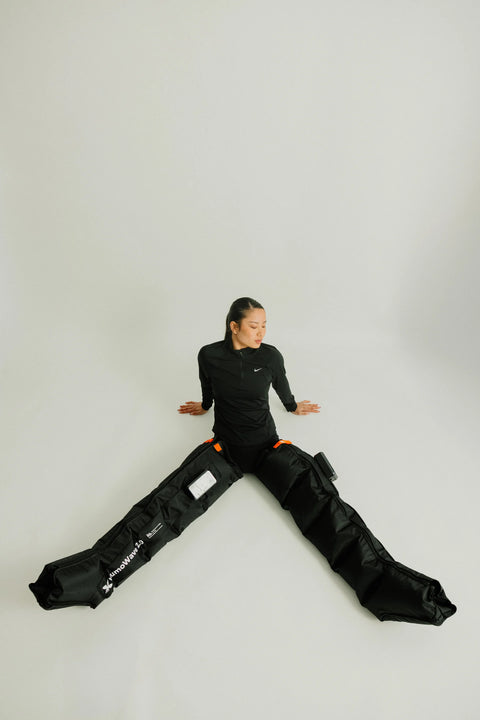
KumoWave Elite X – Pressotherapy Pants
Full-coverage trousers. Ideal for lipedema, fluid retention and intensive use.
€799,00 €999,00
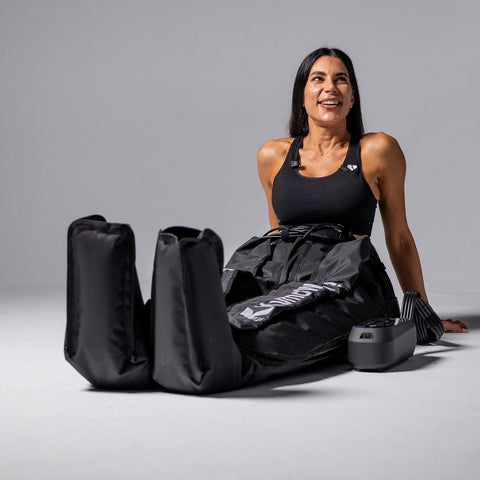
KumoWave 2.0 - Wireless Pressotherapy
Wireless, lightweight boots. Perfect for daily use and recovery.
€499,00 €599,00