

L-theanine is an amino acid found in tea. It is found mainly in the leaves of Camellia sinensis, and although it has been studied in combination with caffeine, there is no basis for promising calm, concentration, or better sleep. (pubmed.ncbi.nlm.nih.gov)
If you see it in herbal teas or dietary supplements, it is best to distinguish between three areas: natural origin, human studies, and what the European Union allows to be communicated. Today, claims about relaxation, attention, concentration, or rest are listed as unauthorized. (ec.europa.eu)
Pressotherapy at home
End the day with light legs
★★★★★ 4,8/5 · rated by verified customers
KumoWave pressotherapy boosts circulation and helps drain fluid with sequential compression, in 20-minute sessions at home.
- Boosts circulation and helps drain fluid
- Chamber-based compression, adjustable to you
- Sequential compression that mimics manual drainage
€799,00€999,00
−10% on your 1st order when you subscribe to the newsletter

What is L-theanine
Chemically, L-theanine is a non-protein amino acid characteristic of tea. Literature on the plant describes it as one of its most representative components, with a higher presence in young leaves and variations depending on the cultivar, season, and processing. (pubmed.ncbi.nlm.nih.gov)
- It is part of the natural composition of Camellia sinensis. (pubmed.ncbi.nlm.nih.gov)
- Its quantity is not fixed, because it varies with the plant and the harvest. (pubmed.ncbi.nlm.nih.gov)
- It should not be presented as a confirmed solution for attention, sleep, or stress.
Where is it found naturally
The main source is the tea leaf. In practical terms, this means that its presence depends on the raw material, the time of harvest, and the type of subsequent processing. (pubmed.ncbi.nlm.nih.gov)
Personalized protocol · included with your purchase
Want us to tell you how to use it in your case?
With your purchase, our experts prepare a personalized usage protocol for your case: sport, circulation, fluid retention, pregnancy or lipedema.
Message us on WhatsAppOur experts reply · no obligation
Common sources of L-theanine
| Source | What is known | Useful nuance |
|---|---|---|
| Leaves of Camellia sinensis | It is the main natural source, and studies place it mainly in young leaves. | Its content varies depending on the cultivar, season, and development of the plant. (pubmed.ncbi.nlm.nih.gov) |
| Tea infusions | They also naturally provide caffeine. | That is why it is useful to look at the drink as a whole and not just a single molecule. (efsa.europa.eu) |
| Tea supplements or extracts | They can concentrate the ingredient, but that does not change the absence of authorized claims in the EU. | If you are interested in the timing of caffeine intake, you can find more context in this guide on caffeine and sleep. |
In practice, tea is not just L-theanine. It also contains caffeine, so its profile depends on the set of compounds present in the leaf and how the infusion is prepared.
What is known about its relationship with caffeine
The combination of L-theanine and caffeine has been studied in randomized trials and systematic reviews. Some recent syntheses find signals in attention tasks and mood measures, but the results are heterogeneous and do not allow that combination to be turned into a general promise for everyone. (pubmed.ncbi.nlm.nih.gov)
If what you are looking for is a practical reading, the most prudent idea is this: study does not equal promise.
on your first order when you join the newsletter
We send you the code instantly. No spam.
The combination has been investigated, but the EU does not recognize it as an authorized health claim for concentration, relaxation, sleep, or stress.
What European regulations allow you to say
In the EU Register, there are applications for L-theanine related to learning, attention, concentration, relaxation, sleep, stress, and well-being, but the status is unauthorized because the evaluated evidence was not considered sufficient.
In other words, in a serious informative text, it is best to say that it has been studied, not that it works with guaranteed results. That difference is important so as not to confuse research with a commercial message.
How to read a label with prudence
Important: if you see L-theanine in a dietary supplement, remember that it is not a medicine nor does it replace a varied diet. AESAN recommends consulting a healthcare professional during pregnancy and breastfeeding, seeking advice before giving supplements to minors, and carefully considering its use if there is medication or health problems. (aesan.gob.es)
- Read the full labeling and be wary of absolute promises.
- If you are pregnant or breastfeeding, consult before using any supplement. (aesan.gob.es)
- If you are under eighteen, avoid taking it on your own. (aesan.gob.es)
- If you take medication or have a kidney, liver, or heart disease, ask a doctor or pharmacist beforehand. (nccih.nih.gov)
Frequently asked questions
What is L-theanine and what foods is it mainly found in?
L-theanine is a non-protein amino acid characteristic of tea. Its main natural source is the leaves of Camellia sinensis, the plant from which green tea, black tea, and other varieties come. The quantity is not identical in all leaves, because it varies with the age of the plant, the season, and processing. Outside of tea, its presence in everyday foods is much less relevant, which is why it is usually discussed in relation to tea infusions or tea extracts. (pubmed.ncbi.nlm.nih.gov)
How does L-theanine interact with caffeine to influence attention and stress?
What exists is research, not a universal recipe. There are trials and reviews that have compared L-theanine alone, caffeine alone, and the combination of both, with results that in some cases point to changes in specific tasks, but without a uniform pattern. That is why it is not advisable to translate that literature into a simple promise about attention or stress. Furthermore, the EU has not authorized health claims for those effects, so the prudent language is “it has been studied,” not “it works.” (pubmed.ncbi.nlm.nih.gov)
Can it improve concentration without causing nervousness or insomnia?
It cannot be promised that way. Some reviews describe interesting results in certain attention tasks, but that does not equate to a guaranteed effect in real life or a guaranteed absence of nervousness or sleep problems. If there is also caffeine, the context matters even more, because caffeine is also part of the equation. The responsible way to interpret it is as evidence under study, not as a certain result for everyone. (pubmed.ncbi.nlm.nih.gov)
What do health organizations say about its possible effects on sleep or anxiety?
The key point is regulatory and prudent. In the EU Register, L-theanine claims about sleep, relaxation, and stress are listed as unauthorized, because the evaluated evidence was not sufficient. If someone is considering a supplement, the sensible recommendation is to first review their personal situation, especially in pregnancy, breastfeeding, childhood, adolescence, medication intake, or the presence of illness. In those cases, it is better to talk to a doctor or pharmacist.
And now what?
If you want to keep reading about habits that influence rest and recovery, you can visit this guide on red light therapy and return later to the Kumo Balance main website to explore the full blog.
KumoWave pressotherapy
Choose your at-home pressotherapy
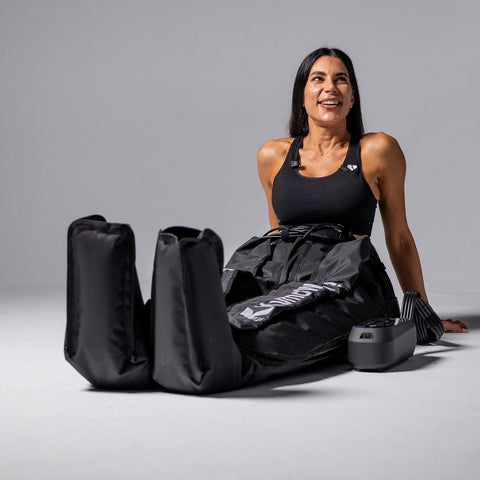
KumoWave Elite X – Pressotherapy Pants
Full-coverage trousers. Ideal for lipedema, fluid retention and intensive use.
€799,00 €999,00
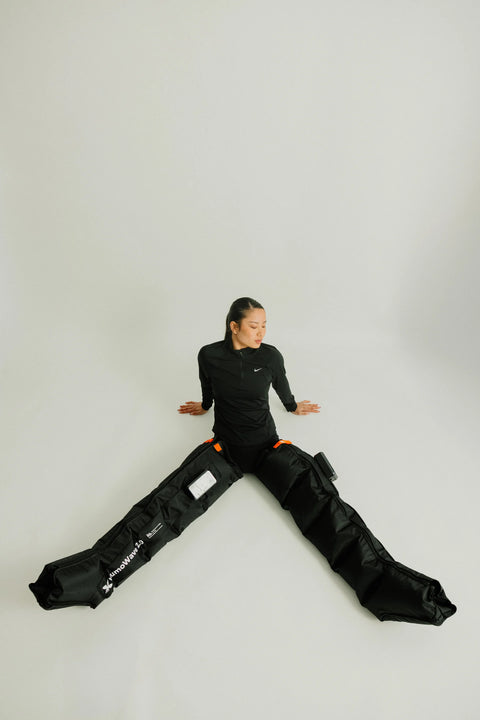
KumoWave 2.0 - Wireless Pressotherapy
Wireless, lightweight boots. Perfect for daily use and recovery.
€499,00 €599,00