Preparing your legs begins before you even hit the trail.
The goal is to increase endurance, reduce stiffness, and improve tolerance for ascents, descents, and hours of walking. To achieve this, it's advisable to combine progressive warm-ups, some strength training, good hydration, and pre-tested footwear. This logic aligns with the NIDDK's recommendations on physical activity and the NHS's guide for warming up before exercise.
Pressotherapy at home
End the day with light legs
★★★★★ 4,8/5 · rated by verified customers
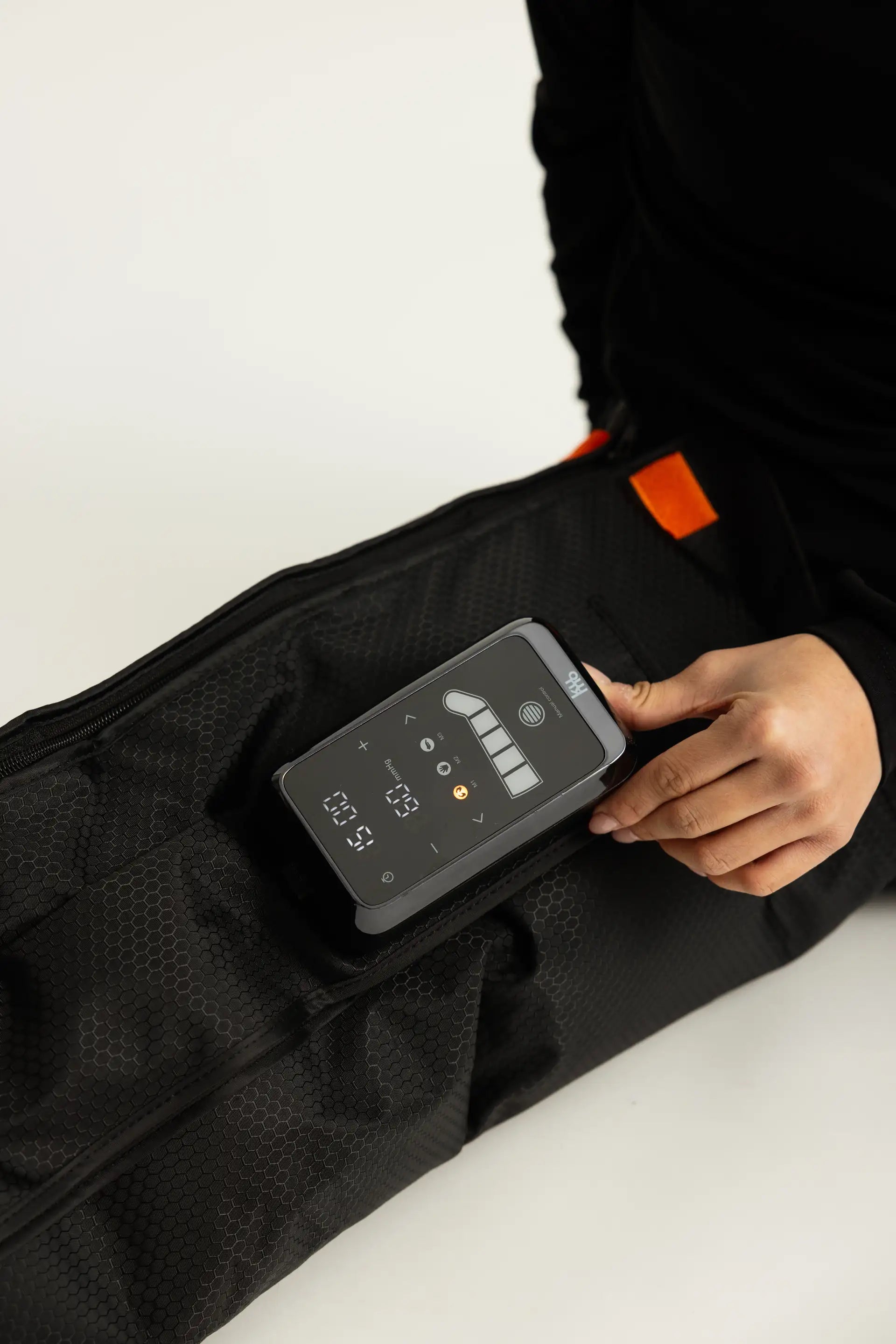
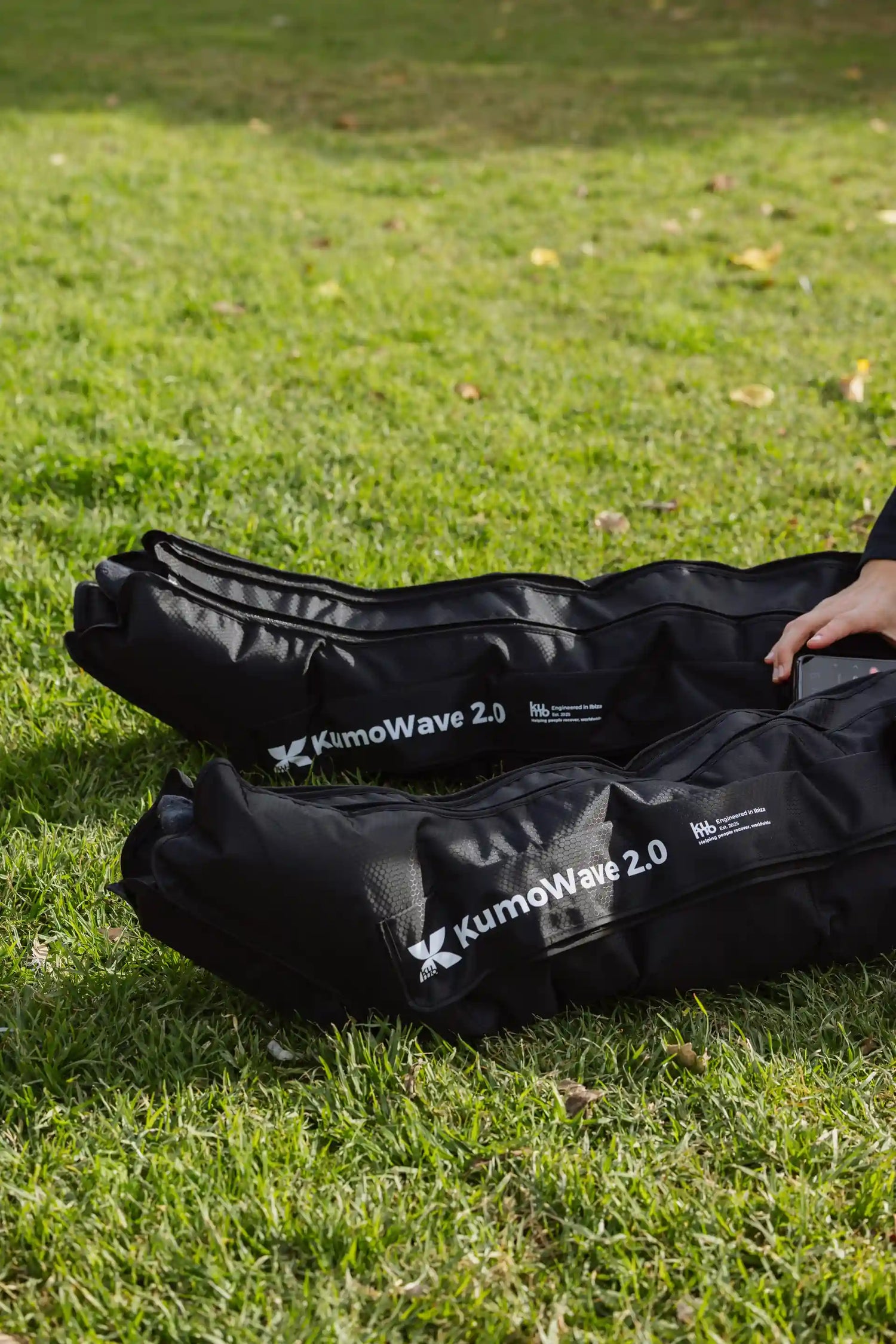
KumoWave pressotherapy boosts circulation and helps drain fluid with sequential compression, in 20-minute sessions at home.
- Boosts circulation and helps drain fluid
- Chamber-based compression, adjustable to you
- Sequential compression that mimics manual drainage
€829,00€999,00
−10% on your 1st order when you subscribe to the newsletter

What Your Body Needs Before a Long Hike
Endurance to Sustain Effort
If you lack stamina, your legs will tire sooner and your technique will deteriorate as the hours pass. The NIDDK recommends at least 150 minutes of moderate aerobic activity per week and suggests spreading the work over several days to reduce the risk of injury and excessive fatigue. For a long hike, this translates to regular walks, not a last-minute heroic session.
Strength to Ascend and Descend with Control
Your legs not only need to withstand kilometers but also absorb impact, stabilize your knees, and control your body on uneven terrain. The NIDDK recommends adding at least 2 days per week of strengthening exercises, also working the major muscle groups of the legs. In practice, this means squats, lunges, glute bridges, step-ups, and calf raises.
Personalized protocol · included with your purchase
Want us to tell you how to use it in your case?
With your purchase, our experts prepare a personalized usage protocol for your case: sport, circulation, fluid retention, pregnancy or lipedema.
Message us on WhatsAppOur experts reply · no obligation
Feet, Nails, and Socks: The Detail That Prevents Problems
Many hikes are ruined by chafing, blisters, or wet feet. The CDC recommends washing and thoroughly drying your feet, changing socks daily, and checking for cuts, swelling, or dryness; MedlinePlus also reminds us that blisters usually appear due to friction and that the skin covering them helps protect against infections. If you're breaking in new shoes, it's ideal to adapt them gradually. (cdc.gov)
“Walking briskly can help you build stamina.” (nhs.uk)
Practical Plan for 2 to 4 Weeks
If you have several weeks left, your preparation should be progressive and specific. You don't need to train for a race; it's beneficial to build tolerance with walks, some strength training, and a bit of elevation work. Additionally, if you plan to hike in hot weather, the CDC recommends gradual acclimatization over 7 to 14 days to reduce the risk of heat-related illness.
on your first order when you join the newsletter
We send you the code instantly. No spam.
- Do 3 or 4 walks per week and gradually increase the time.
- Include a session with hills, stairs, or uneven terrain to simulate the route.
- Dedicate 2 days to leg and core strength with simple, well-executed exercises.
- Practice with the same socks and footwear you'll use on the day of the hike.
- If you'll be hiking in the heat, gradually increase exposure and don't concentrate all your effort on a single day. (cdc.gov)
Summary Plan Based on Time Remaining
This summary combines progressive warm-ups, aerobic activity, strengthening, and foot care, which are the most useful components for feeling good.
| When | What to do | Goal |
|---|---|---|
| 2 to 4 weeks before | Walk several times a week, add hills, and complete 2 strength sessions. | Gain endurance without feeling fatigued. |
| 7 days before | Reduce volume slightly, maintain gentle mobility, and check feet, socks, and footwear. | Arrive fresh and without chafing. |
| 24 hours before | Hydrate consistently, get good sleep, and pack your backpack. | Avoid starting unbalanced. |
| Morning of the hike | Eat breakfast with enough time and do a short warm-up before starting. | Activate legs and joints. |
The Day Before and Morning of the Hike
The day before is not the time for improvisation. The NIH article on hydration reminds us to drink water before, during, and after exercise, and also to increase fluids when it's hot or you're sweating more. Arrive the next day feeling well-hydrated, but without forcing yourself to drink all at once.
On the morning of the hike, eat breakfast with plenty of time and avoid wearing new clothes or boots. The NHS warm-up suggests at least 6 minutes of marching in place, heel digs, knee lifts, shoulder rolls, and knee bends before more intense exercise. It's a simple way to wake up ankles, knees, and hips without getting tired before you start.
- Don't start at a high pace from the first kilometer.
- Bring water and some easy-to-eat food, as the NHS recommends for long walks.
- If it's hot, seek shade when you can and remember that progressive acclimatization helps reduce the risk of heat-related problems.
- If you notice an unusual discomfort during the warm-up, stop and adjust the plan; the NHS recommends stopping exercise if pain occurs.
How to Take Care of Your Legs During the Hike
During the route, the best indicator of intensity is very simple: you can talk, but not sing. The NHS uses this criterion to know if you're going at a brisk pace without overdoing it, and it's a very useful tool for not pushing too hard at the beginning. If you find it hard to maintain a conversation, slow down a bit.
It's also advisable to watch for friction points. MedlinePlus explains that blisters usually appear due to repeated friction or pressure in the same area, especially when footwear doesn't fit well. As soon as you notice a hot spot, act: adjust your laces, add protection, or reduce the friction before the problem escalates. (medlineplus.gov)
If this outing is part of a more active season, you might also find it helpful to read about preparing and recovering your legs in trail and long-distance running, as it links preparation well with cooling down.
Recovery After a Long Hike
The first few hours after the hike are very important. Rehydrate, walk gently for a few minutes to loosen up, and allow your legs to return to a relaxed state before sitting down completely. The NIH emphasizes drinking water before, during, and after exercise, and the NHS reminds us that regular, brisk walking helps build stamina without the need for excessive sessions.
Afterward, check your feet calmly. The CDC recommends washing and drying them completely, changing socks, and checking for cuts, swelling, or dryness. If you came back with dampness or mud, don't leave that part for the next day: foot recovery also counts.
If a blister appears, do not manipulate it unnecessarily. MedlinePlus states that they usually heal on their own, that the overlying skin helps protect against infections, and that the most important thing is to prevent further friction. If the area is red, very painful, or has pus, seek medical evaluation.
For a more complete recovery routine, you can see how to relieve legs after a long run and, if you want a practical guide for home use, how to use pressotherapy at home step by step.
Common Mistakes to Avoid
- Wearing new boots on the day of the hike.
- Starting too fast and paying the price in the second half.
- Forgetting water, snacks, or a light layer for temperature changes.
- Ignoring a small rub until it becomes a blister.
- Confusing normal fatigue with acute pain, which requires stopping and reassessing.
Frequently Asked Questions
How long before should I start preparing my legs for a long hike?
Ideally, you should start between 2 and 4 weeks before if the route is demanding or if you don't walk much daily. During this time, you can distribute walks, include hills, and add two weekly strength sessions. The NIDDK recommends 150 minutes of moderate aerobic activity per week and at least 2 days of strengthening, a very reasonable base to feel better prepared. If you only have one week left, reduce your ambition and focus on arriving rested.
Which exercises are most helpful for preparing legs for hiking?
The most useful exercises are typically those that mimic what you'll do on the trail: squats, lunges, glute bridges, step-ups, calf raises, and core work. The NIDDK recommends strengthening major muscle groups and combining this with regular aerobic activity. If you can, also add a walk with elevation or stairs. The key is not to do a lot of volume at once, but to repeat simple movements with good technique and gradually increase the load.
What do I do if my calves or quads feel strained before going out?
If the feeling is normal stiffness, reduce the intensity of your day's plan, do a gentle warm-up, and let your legs gradually warm up. The NHS and MedlinePlus remind us that warming up prepares the body and helps prevent injuries, while the NIH recommends drinking enough water, especially if it's hot or you've sweated more than usual. If the pain is sharp, changes area, or prevents you from walking normally, do not force the outing.
How do I prevent blisters and chafing during a long hike?
Prevention starts with the fit: footwear should be snug without being tight or loose, and socks should fit well. MedlinePlus explains that blisters usually form due to friction and that appropriate socks help reduce the problem. The CDC adds that it's important to keep feet clean and dry and to check the skin frequently. If you notice a hot spot, address the chafing immediately, not when a blister has already formed.
Is at-home recovery useful after a demanding route?
Yes, as long as you understand recovery as a set of habits: hydrating, moving gently, checking your feet, and sleeping well. If you also want to add a recovery routine, at-home pressotherapy as a starter guide can be a good addition for well-being. It does not replace rest or training progression, but it can be part of a comfortable routine when you want to make your legs feel lighter after a long day.
What's Next?
If you want to make recovery a habit, take the next step with the at-home pressotherapy collection and return to the Kumo Balance homepage whenever you want to explore how it fits into your wellness routine.
KumoWave pressotherapy
Choose your at-home pressotherapy
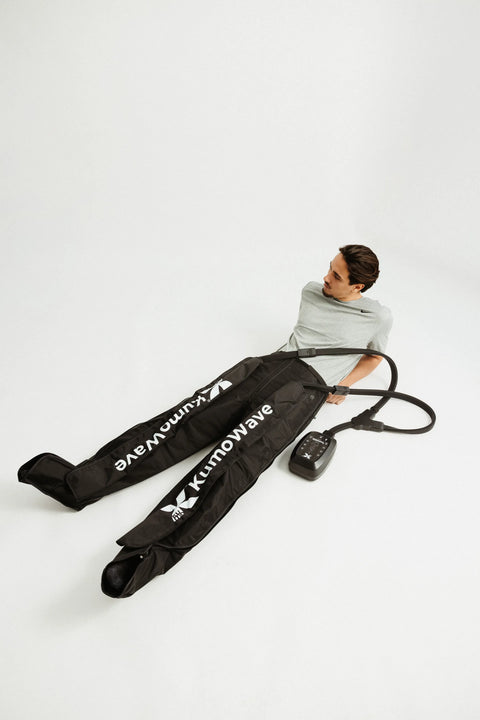
KumoWave Elite – Pressotherapy Pants
Full-coverage trousers. Ideal for lipedema, fluid retention and intensive use.
€829,00 €999,00
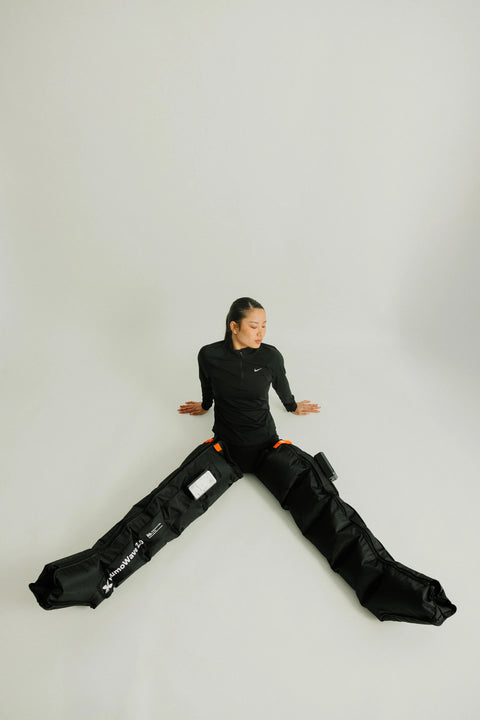
KumoWave 2.0 - Wireless Pressotherapy
Wireless, lightweight boots. Perfect for daily use and recovery.
€499,00 €599,00