Physical well-being starts at home. If you're looking for a simple, realistic, and effective daily routine to feel better physically and mentally without going to the gym, this article is for you.
Below you will find a step-by-step guide to building a body care habit at home: movement, rest, stretching, self-care and how to rely on recovery technology (such as red light or pressotherapy) without complicating your life.
Red & infrared light
Recover faster, at home
★★★★★ 4,8/5 · rated by verified customers
The KumoLux panel supports muscle recovery with full-body red and infrared light.
- 660 nm red + 850 nm infrared light
- Full-body muscle recovery
- Clinically validated biohacking protocols
€399,00€499,00
−10% on your 1st order when you subscribe to the newsletter

What do we understand today by physical well-being?
Physical well-being is not just about “not being sick.” It is the combination of several pillars:
- Regular movement : keeping muscles, joints and cardiovascular system active.
- Recovery and rest : quality sleep and time for the body to repair tissues and the nervous system.
- Skin and tissue care : healthy skin barrier and good circulation.
- Stress management : reducing muscle tension and activating the parasympathetic system.
The World Health Organization reminds us that regular physical activity helps prevent and manage cardiovascular disease, type 2 diabetes, and certain cancers, as well as reducing symptoms of anxiety and depression. ( who.int ) Taking care of your body daily, even with small actions at home, has a direct impact on how you feel today and on your future health.
Personalized protocol · included with your purchase
Want us to tell you how to use it in your case?
With your purchase, our experts set up your red and infrared light sessions for your sport and goal.
Message us on WhatsAppOur experts reply · no obligation
Scientific foundations of physical well-being at home
1. Daily movement: every minute counts
The WHO recommends that adults engage in 150–300 minutes of moderate-intensity physical activity or 75–150 minutes of vigorous-intensity physical activity per week . ( emro.who.int ) This is equivalent, for example, to brisk walking for 30 minutes five days a week.
However, many people don't even come close to these figures: recent estimates indicate that around 31% of adults worldwide are physically inactive, and this figure could rise to 35% by 2030 if we don't change our habits. ( who.int ) The good news is that every bit of activity counts :
- Take the stairs instead of the elevator.
- Do short sets of squats or lunges at home.
- Mobilize joints (neck, shoulders, hips, ankles) at the beginning and end of the day.
“Any amount of movement is better than none, and more movement is better for health.” — Key message from the WHO physical activity guidelines. ( who.int )
−10%on your first order when you join the newsletter
We send you the code instantly. No spam.
2. Sleep and rest: the great forgotten element of well-being
Rest is the foundation upon which everything else rests. The Centers for Disease Control and Prevention (CDC) recommends that adults get at least 7 hours of sleep per night to protect their health. ( cdc.gov ) Sleeping less is associated with a higher risk of being overweight, cardiovascular disease, and a poorer mood. ( healthline.com )
Some key ideas:
- Going to bed and waking up at similar times, even on weekends.
- Reduce screen time and intense blue light 60–90 minutes before bed.
- Create a relaxing ritual: gentle stretching, breathing exercises, quiet reading.
In recent years, studies on whole-body photobiomodulation suggest that certain exposures to red and near-infrared light could improve sleep quality (higher melatonin and lower nighttime heart rate), although a clear effect on athletic performance or physical recovery has not yet been observed. ( pubmed.ncbi.nlm.nih.gov ) This indicates potential, but also the need for further research.
3. Mobility and stretching: your joint insurance
Stretching and moving your body regularly helps improve joint range of motion and can decrease the risk of injury. ( mayoclinic.org ) You don't need to spend hours: even 5–10 minutes a day can make a difference if you're consistent.
The evidence shows that:
- Regular stretching improves flexibility and posture. ( mayoclinic.org )
- It is especially useful if you spend many hours sitting, as it combats stiffness in the hips, back, and neck.
- Combined with gentle movements (like yoga or Pilates), it can help relax the nervous system and promote sleep.
Simple daily routine for body wellness at home
An effective routine doesn't have to be complex. What's important is that it's realistic and repeatable . Below, I propose a structure that you can adapt to your level.
Tomorrow: Activate body and mind (10–15 minutes)
- 1–2 minutes of conscious breathing : Sitting on the edge of the bed, inhale through your nose for 4 seconds, exhale for 6 seconds. Repeat.
- 5 minutes of joint mobility : gentle circles of the neck, shoulders, hips, knees and ankles.
-
5–8 minutes of light strength :
- 3 sets of 8–12 bodyweight squats.
- 3 sets of 8–12 push-ups against a wall or table.
- Lying glute bridge (3 sets of 10–15 repetitions).
This is already getting you closer to the recommended minutes of moderate activity per week. ( cdc.gov )
During the day: micro-breaks and circulation (5–10 minutes spread out)
-
Every 60 minutes of sitting , stand up for 2–3 minutes:
- Walk around the house.
- Do 10 heel raises to activate your calves.
- Roll your shoulders back 10–15 times.
- Hydration : Keep a water bottle nearby and take small sips throughout the day.
Breaking sedentary habits is key, as high levels of sedentary behavior are associated with a greater risk of mortality and chronic diseases, regardless of whether you do structured exercise. ( pmc.ncbi.nlm.nih.gov )
Evening/night: release tension and prepare for sleep (15–20 minutes)
-
5–10 minutes of gentle stretching :
- Chest stretch in a door frame.
- Lunge hip flexor stretch.
- Seated posterior chain stretch (hamstrings and lower back).
-
5–10 minutes of “sleep hygiene” :
- Lower the intensity of the ambient light.
- Avoid using your mobile phone if possible; opt for relaxed reading.
- It includes a brief diaphragmatic breathing exercise or guided meditation.
This is where many people integrate home recovery technologies (e.g., red/local light, pressotherapy, or massage), as a complement to movement and rest, as we will see later.
Example of a daily body wellness routine at home (30–40 minutes)
| Time of day | Approximate duration | Activity | Main objective | Optional technological support |
|---|---|---|---|---|
| Tomorrow | 10–15 min | Breathing, joint mobility, light strength (squats, push-ups, glute bridges) | Activate circulation, joints and muscle tone | — |
| Noon | 5–10 min | Walking around the house, heel raises, neck and shoulder stretches | Break sedentary habits, improve posture and energy | — |
| After training or at the end of the day | 10–15 min | Gentle stretches of legs and back, light self-massage | Reduce muscle tension and facilitate recovery | Percussion massage device or pressotherapy for legs |
| Night (before going to sleep) | 10 min | Relaxation ritual: breathing, reading, skin care | Prepare the nervous system and improve sleep quality | LED face mask or red light panel as recommended by professionals |
How to create the habit and maintain consistency
It starts very small
The most common mistake is trying to change everything at once. It's better to start with 5–10 minutes a day and, once that becomes automatic, add more.
- Week 1–2: morning mobility only + 1 micro-break during the day.
- Week 3–4: Add nighttime stretches.
- From week 5 onwards: incorporate short strength sessions 2-3 days a week.
Connect the routine to something you already do
"Stacking up habits" works very well: for example, doing joint mobility exercises right after brushing your teeth, or putting on your compression boots after work while watching a show. This association reduces the mental effort required.
Measure what matters
You don't need to count calories or steps if you don't want to. Here are some simple indicators to assess your physical well-being:
- Do you wake up with less stiffness?
- Do you find it easier to fall asleep?
- Do you notice less heaviness in your legs at the end of the day?
- Is your mood more stable during the week?
Keeping a brief record (3–4 items) in a notebook or app helps you see progress and stay motivated.
How to rely on home recovery technology
In addition to movement and rest, recovery technology can enhance your physical well-being when used intelligently and based on evidence.
Red light and LED therapy
Photobiomodulation with red and near-infrared light has been studied to improve muscle function, reduce post-exercise soreness, and support tissue regeneration. Some trials and meta-analyses suggest that localized light application may improve strength recovery and decrease markers of muscle damage compared to other techniques such as cryotherapy, although the quality of evidence varies. ( pubmed.ncbi.nlm.nih.gov )
A 2025 review on whole-body photobiomodulation points to potential benefits for sleep quality, but has not yet found clear effects on markers of performance and recovery, so further studies are needed. ( pubmed.ncbi.nlm.nih.gov ) In practice, red light is used as a complement to good sleep hygiene and your exercise program, never as a substitute.
If you want to explore LED light therapy options for skin and recovery , you can discover KUMO's specialized selection in the LED therapy collection: see LED light therapy .
Pressotherapy for tired legs and circulation
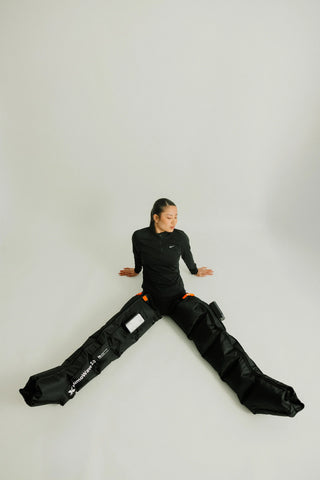
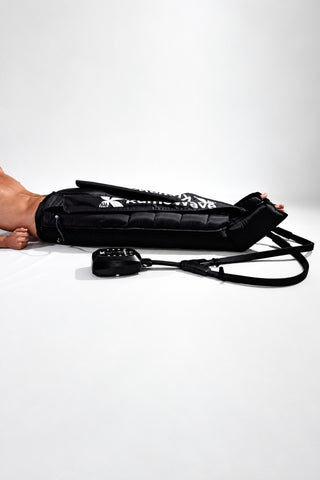
Compression therapy boots use sequential air pressure to stimulate venous and lymphatic return. They are commonly used in sports settings and by people who spend many hours standing or sitting, helping to relieve the feeling of heavy legs and promoting recovery after intense exertion, always within safety guidelines and with professional supervision when necessary.
Integrating them into your routine can be as simple as a 15–30 minute session while you read or watch a show, at the end of the day, or after a workout. You can learn more about KUMO's pressotherapy devices here: pressotherapy collection .
Massage guns to release muscle tension
Percussion massage guns have become popular as a convenient way to perform deep self-massage at home. They can help reduce stiffness in overworked muscles, improve the perception of recovery, and prepare tissue before physical activity, provided they are used with proper technique and avoiding contraindicated areas.
A typical use might be 1–2 minutes per muscle group (quadriceps, hamstrings, calves, back) after training or after a very sedentary day, combined with gentle stretching. For a device specifically designed for daily recovery, you can check out KumoPulse Air , the massage gun from KUMO.
LED masks and skin care
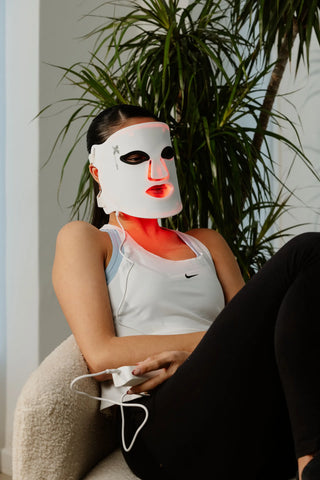
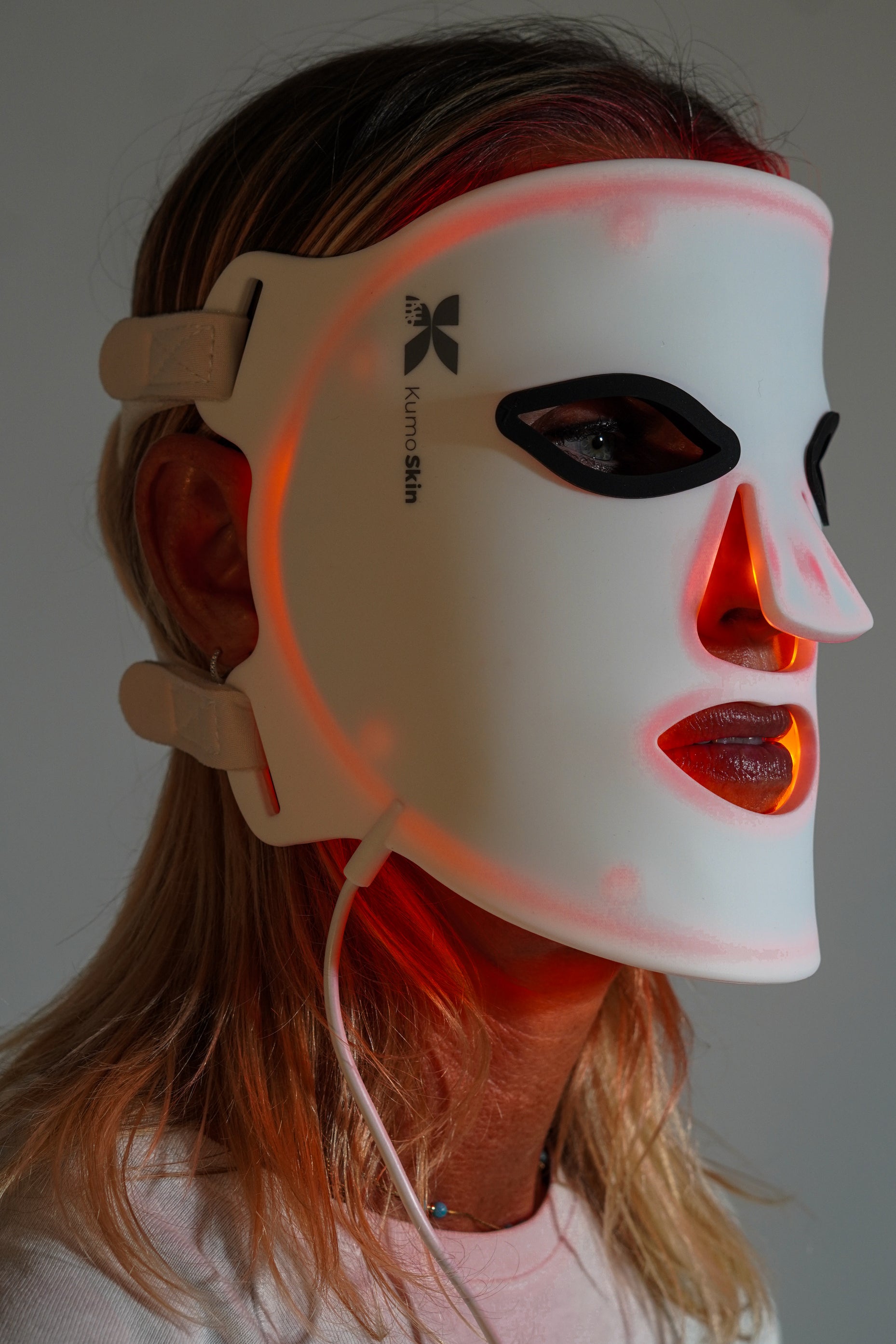
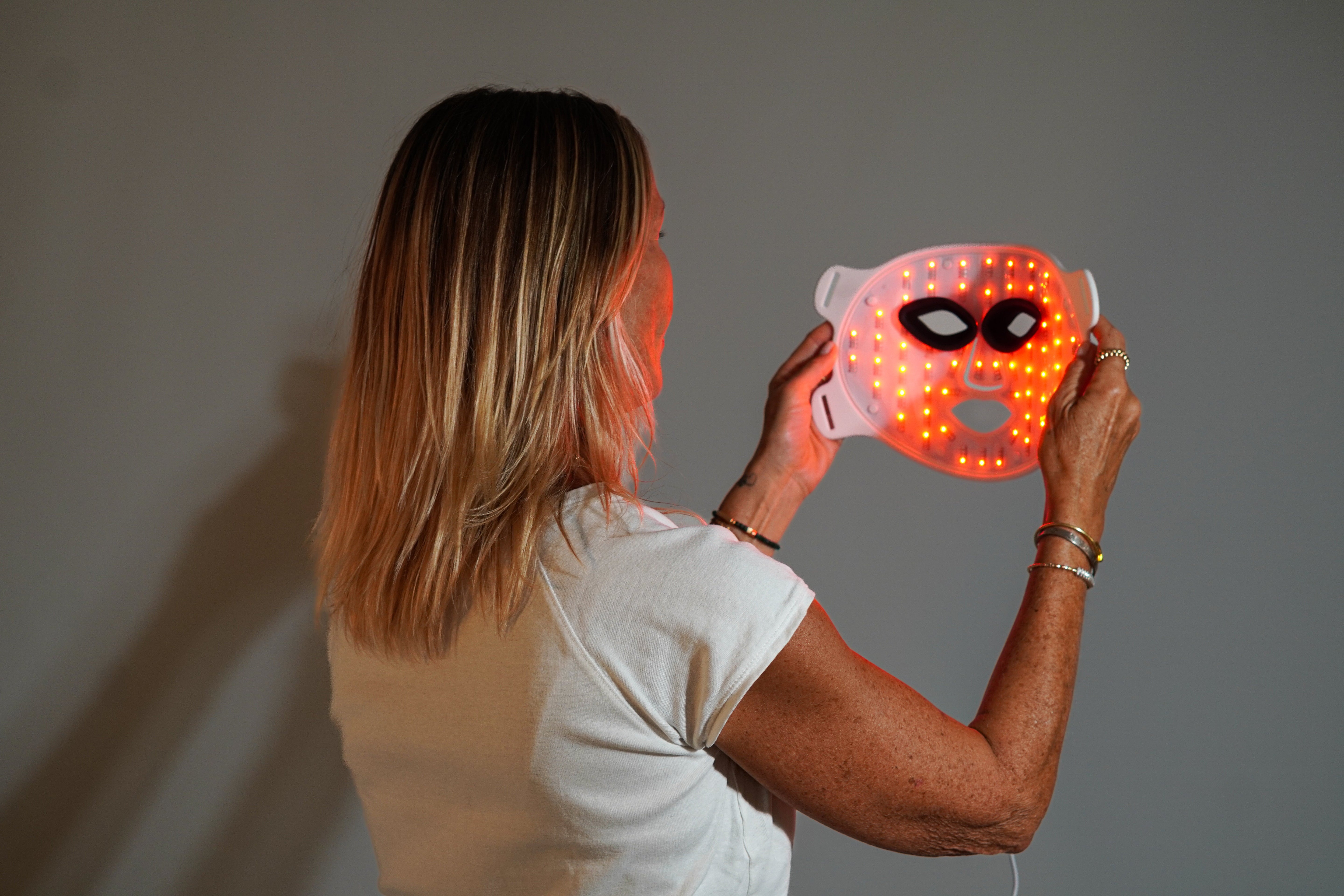
Your skin is also part of your overall well-being. LED masks with red light and other wavelengths are used in facial care routines to support skin regeneration, even out skin tone, and improve the overall appearance of your skin, always following the manufacturer's usage protocols and contraindications, and, if applicable, consulting your dermatologist.
Integrating an LED mask into your nighttime ritual (for example, after cleansing and before applying creams) adds a relaxing self-care moment that you can associate with your preparation for sleep.
If you want to explore the entire universe of recovery and wellness at home, you can visit the KUMO homepage: kumobalance.com .
Frequently asked questions about body wellness at home
How much time should I dedicate each day to physical well-being?
You don't need to exercise for hours every day to see changes. International guidelines recommend between 150 and 300 minutes of moderate-intensity physical activity per week , which is equivalent to 20–40 minutes a day, five days a week. ( pmc.ncbi.nlm.nih.gov ) You can achieve this by adding up short blocks: 10–15 minutes of mobility and strength exercises in the morning, several 2–3 minute active micro-breaks throughout the day, and 10 minutes of stretching in the evening. The key is consistency : a little each day is more effective than a lot just once a week.
What exercises can I do at home if I'm a beginner and don't have any equipment?
Using your own body weight is enough to start. Combine three types of movements: pushing (push-ups against a wall or table), leg exercises (assisted squats, stationary lunges while holding onto a chair), and core exercises (glute bridges, planks on your knees). Add 5 minutes of joint mobility exercises (neck, shoulder, and hip circles) and 5 minutes of basic stretching at the end of the day. Work out 2–3 days a week at first, with 1–2 sets per exercise, and gradually increase repetitions or sets as you get stronger.
How can I improve my physical well-being if I spend many hours sitting down at work?
If your job is sedentary, your priority should be breaking up sitting time . Set alarms every 60 minutes to get up for 2–3 minutes: walk around the house, go up and down stairs, do 10 heel raises, and some neck and chest stretches. ( who.int ) Adjust the height of your screen so you don't slouch, keep your feet flat on the floor, and avoid crossing your legs for long periods. At the end of the day, set aside 10–15 minutes to stretch your hips, back, and the backs of your legs. Adding some leg compression or self-massage can further relieve that heavy feeling.
Do red light therapy and massage devices really help with muscle recovery?
Scientific evidence on localized photobiomodulation (red and near-infrared light applied to muscles) indicates that it can improve strength recovery and reduce delayed onset muscle soreness (DOMS) compared to other techniques such as cryotherapy, although studies tend to be small and application protocols vary. ( pubmed.ncbi.nlm.nih.gov ) As for massage guns , data point to improvements in perceived stiffness and range of motion. In both cases, these tools should be viewed as complements to a solid program of exercise, stretching, and good sleep, not as standalone solutions.
How do I know if my body wellness routine is working?
Beyond the mirror, there are valuable indicators: noticing less stiffness upon waking, falling asleep more easily, feeling less fatigued when climbing stairs, or ending the day with less tension in your neck and back. ( cdc.gov ) You can also record a scale of 1 to 10 for your energy, sleep quality, and muscle soreness each day; if, after 4–6 weeks, your scores improve, your routine is working. If you don't see changes or have persistent discomfort, it's advisable to adjust your exercises or consult with a healthcare or fitness professional to personalize your approach.
So what now?
The next step is to choose one or two small actions from this article and put them into practice today: perhaps 5 minutes of morning movement and a short active break after lunch. Once these actions become a natural part of your day, you can incorporate recovery technologies such as LED therapy, pressotherapy, or a massage gun to further enhance your physical well-being at home.
If you're looking for inspiration and concrete tools to create your own recovery ritual, explore the KUMO universe at kumobalance.com , discover leg compression therapy , LED light therapy , or the KumoPulse Air massage gun. And if you need more personalized guidance, you can contact us through our contact page.

Red & infrared light
KumoLux Panel – Red and Infrared LED Panel
★★★★★ 4,8/5 · rated by verified customers
- 660 nm red + 850 nm infrared light
- Full-body muscle recovery
- Clinically validated biohacking protocols
€399,00€499,00· pay in installments with seQura or Klarna