
Peptides: what they are, how they are formed and where they are found
Peptides are short chains of amino acids. Understanding them helps you better interpret both human biology and food and cosmetic formulations. (ncbi.nlm.nih.gov)

Peptides for the skin: how they work in cosmetics and what is known about them
Cosmetic peptides are not a magic promise. They are short protein fragments studied for their role in cell signaling, mineral transport, and enzyme modulation, but their effect depends heavily on t...
Metatarsalgia: why the ball of the foot hurts and what provides relief
Metatarsalgia can start as a nuisance and end up limiting every step. It usually appears when the forefoot bears more pressure than usual, for example due to footwear, repeated impact, or the shape...

Melatonin: what it is, what it is used for and what Spanish regulations allow
Melatonin is a key sleep hormone.

Does creatine make you fat or retain water? What really happens in the body
Creatine does not make you fat on its own. If the scale goes up when you start, it is most likely due to body water, especially inside the muscle, and not fat. (pubmed.ncbi.nlm.nih.gov)
L-theanine: what it is, where it is found, and what is known about its relationship with caffeine
L-theanine is an amino acid found in tea. It is found mainly in the leaves of Camellia sinensis, and although it has been studied in combination with caffeine, there is no evidence to support claim...
Discover all our products
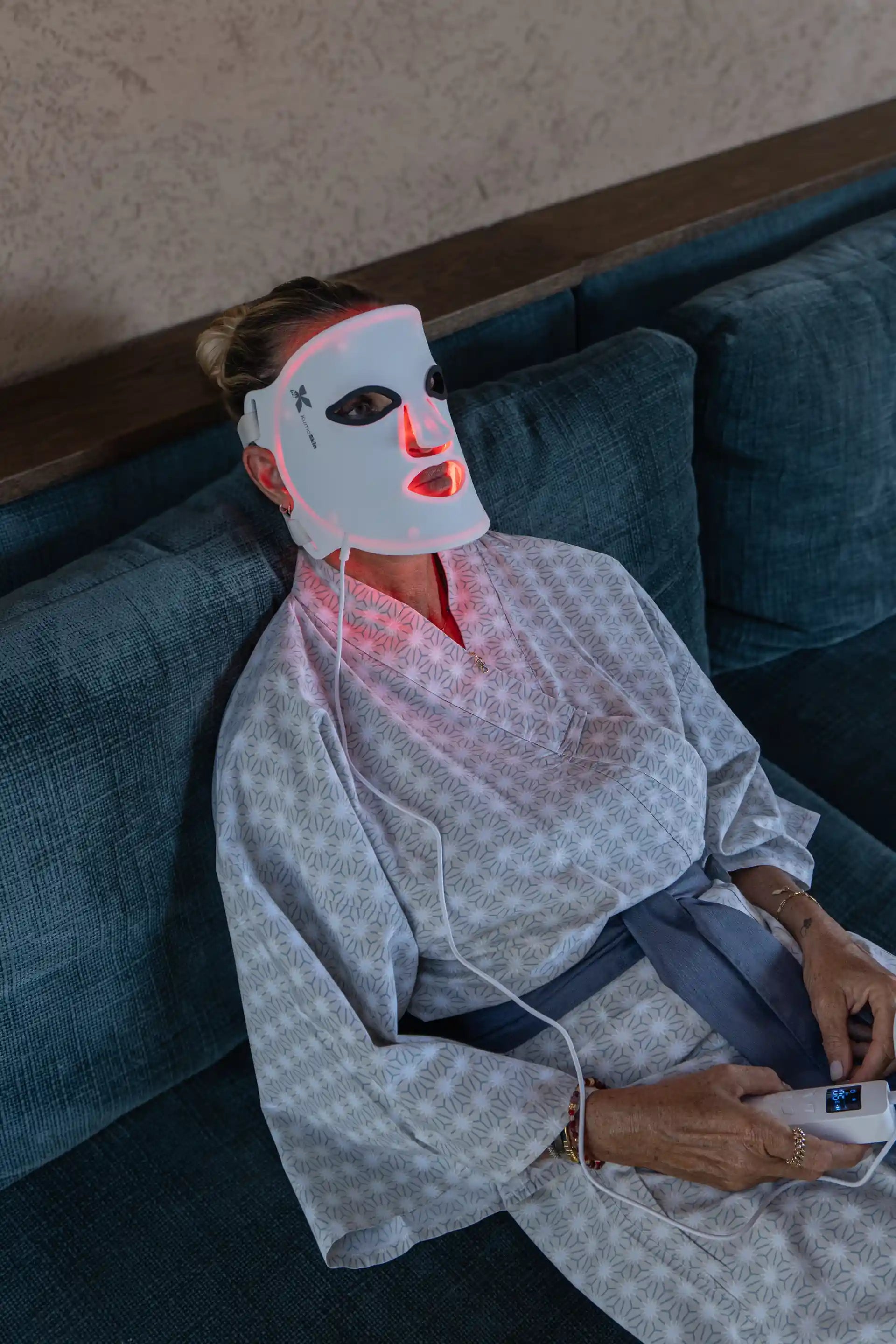
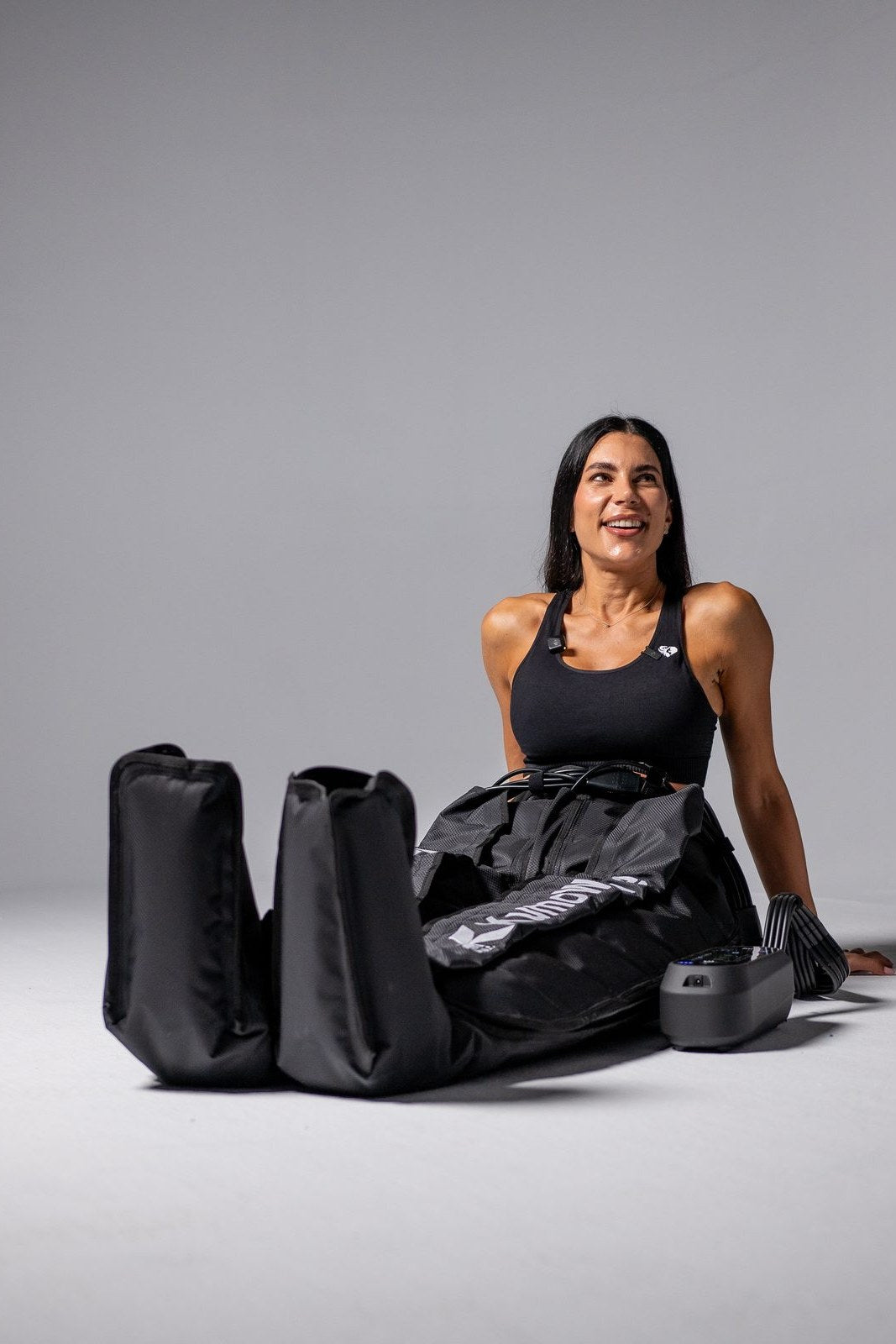
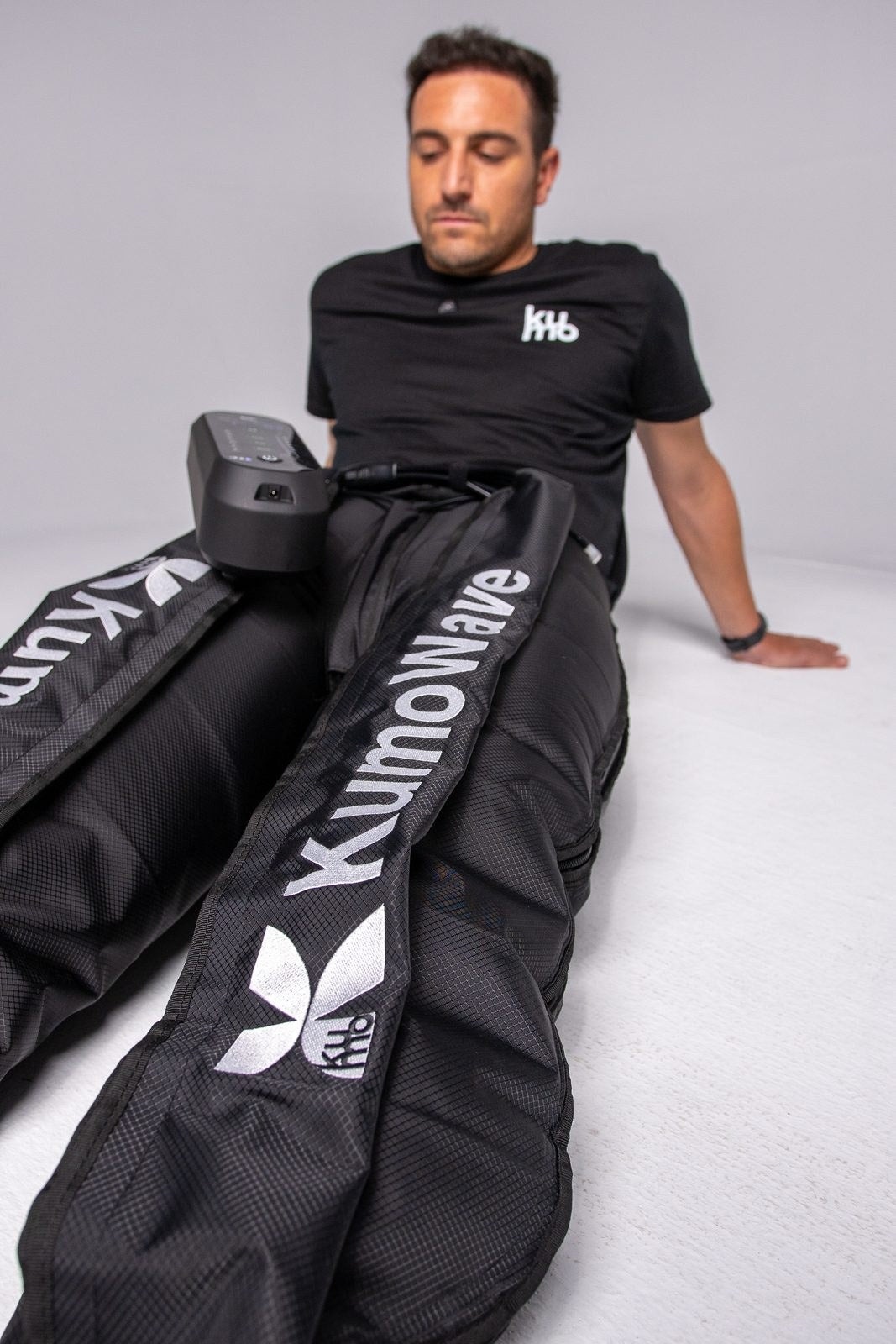
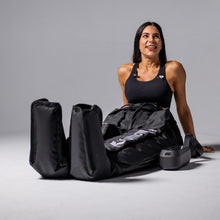
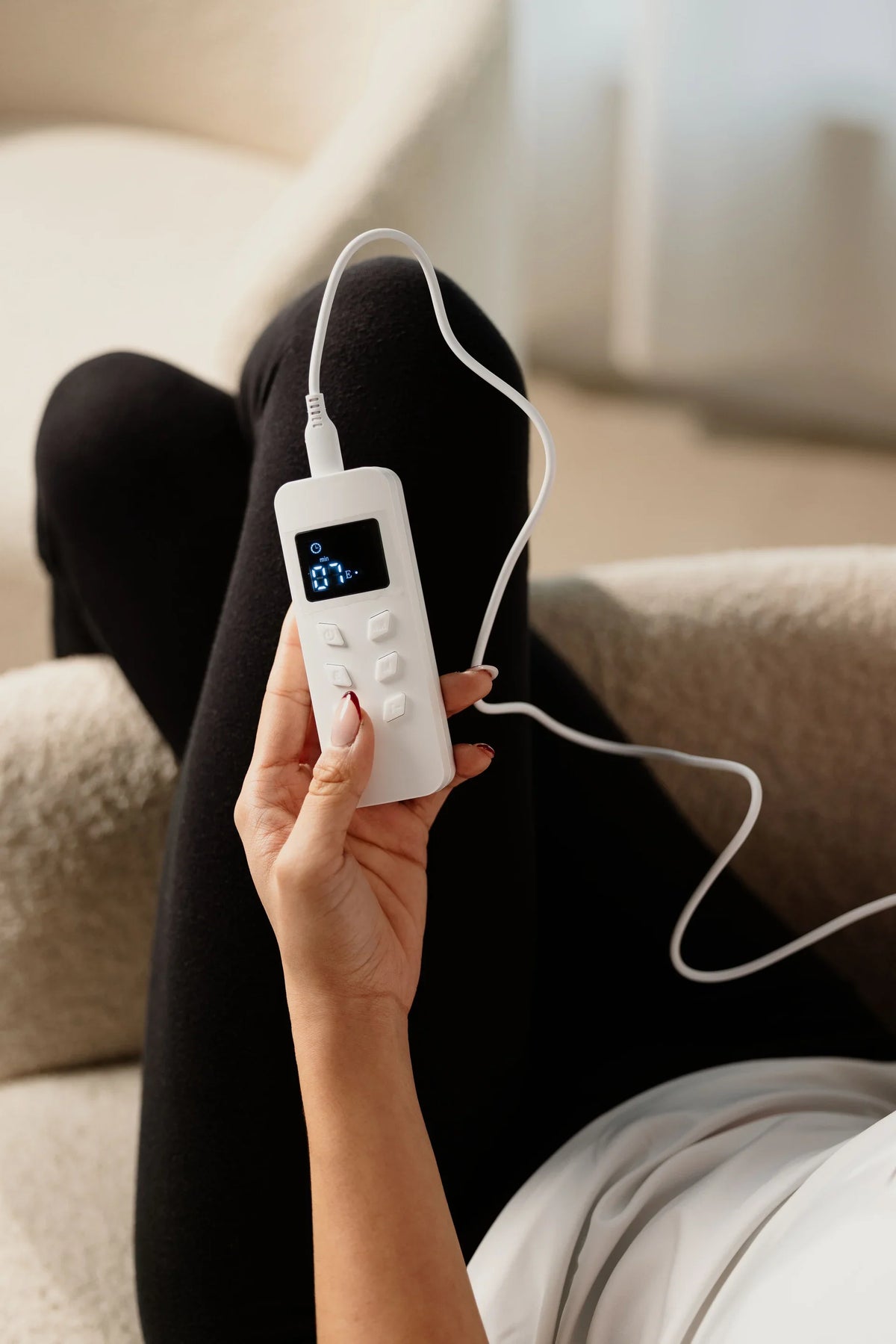
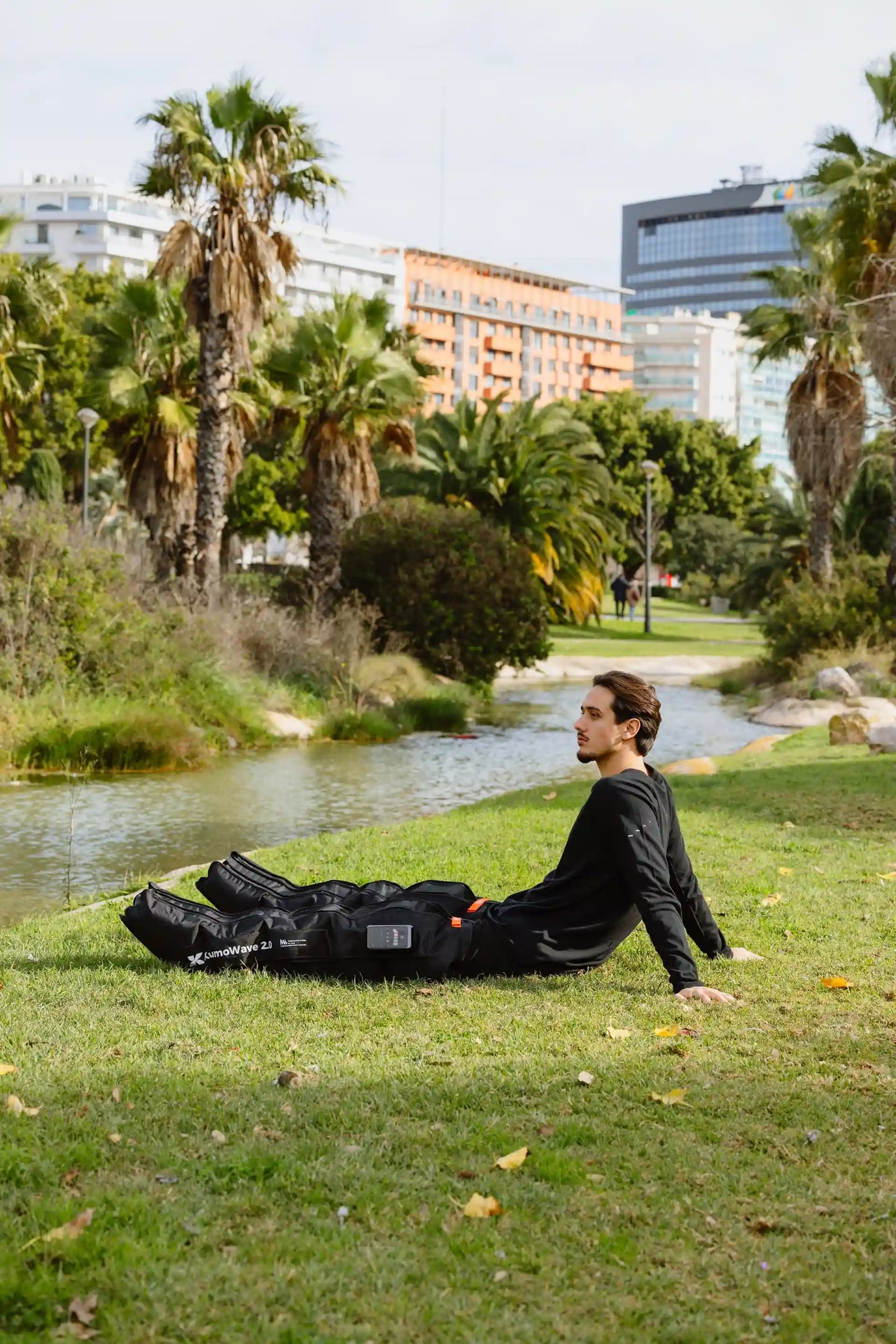
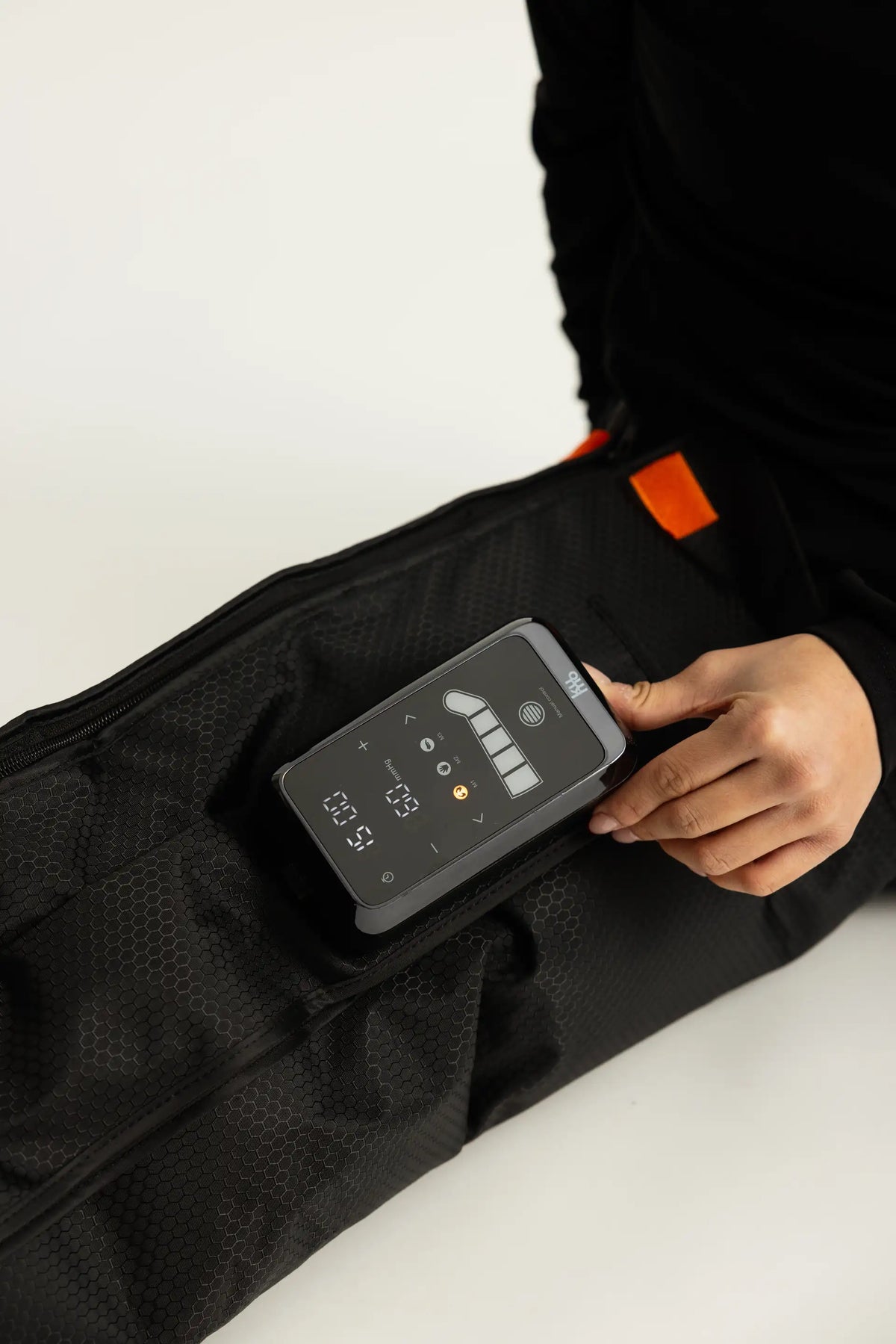
KumoWave Elite X is our most complete pressotherapy: a trouser with 16 overlapping chambers that reaches from the feet to the lower back and abdomen, 6 modes, pressure from 30 to 280 mmHg in steps of 5 and chambers you switch on or off to suit you: countless combinations for every session.