
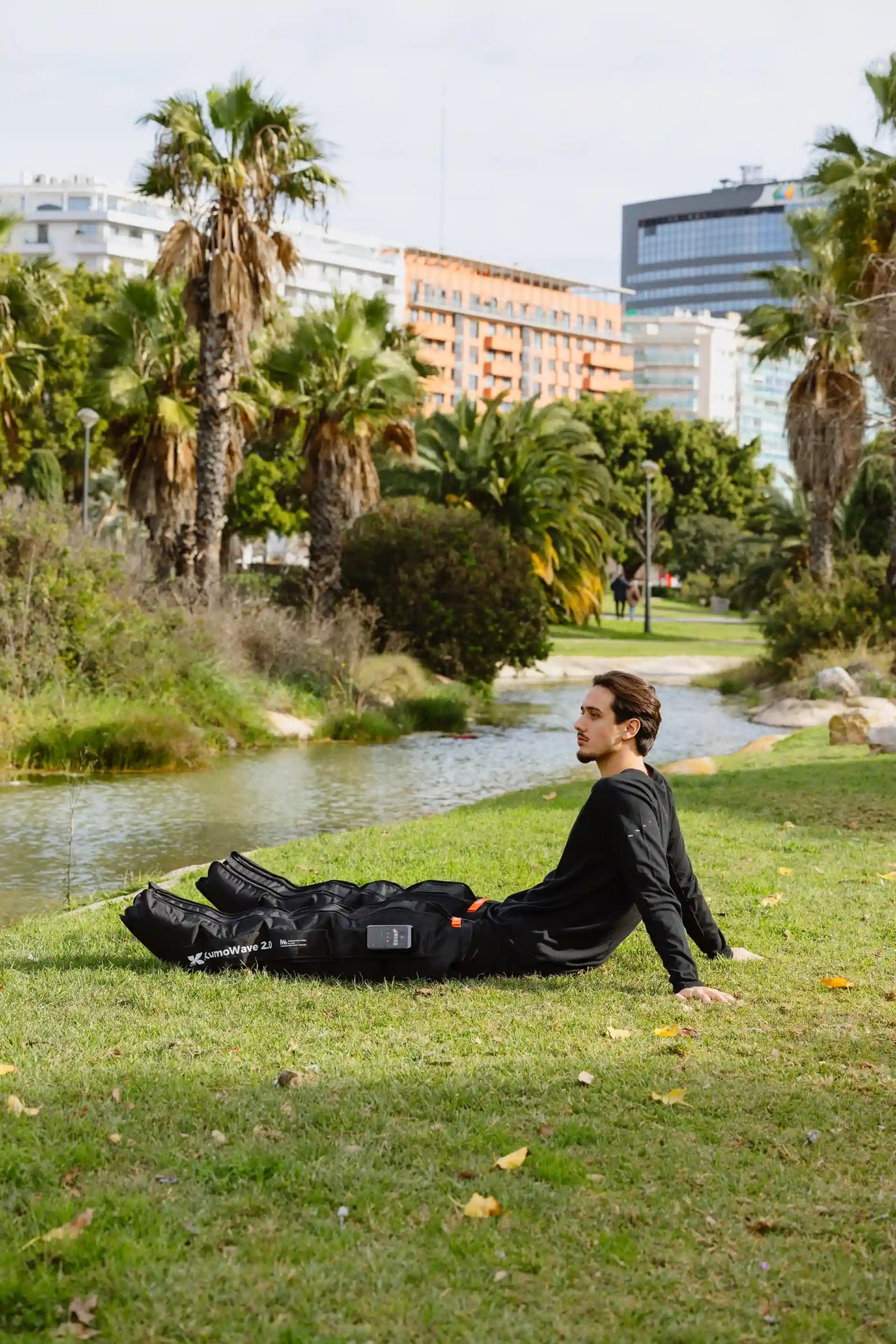

Metatarsalgia can start as a nuisance and end up limiting every step. It usually appears when the forefoot bears more pressure than usual, for example due to footwear, repeated impact, or the shape of the foot. (mayoclinic.org)
It is not always a single injury, but rather a broad term for pain in the area of the metatarsal heads, just behind the toes. That is why it is useful to understand what triggers it, rather than focusing only on the symptom. (roh.nhs.uk)
Pressotherapy at home
End the day with light legs
★★★★★ 4,8/5 · rated by verified customers
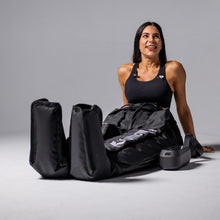
KumoWave pressotherapy boosts circulation and helps drain fluid with sequential compression, in 20-minute sessions at home.
- Boosts circulation and helps drain fluid
- Chamber-based compression, adjustable to you
- Sequential compression that mimics manual drainage
€799,00€999,00
−10% on your 1st order when you subscribe to the newsletter

What is metatarsalgia and why does it appear
Metatarsalgia describes pain in the front part of the sole of the foot, also called the forefoot or ball of the foot. It can appear due to mechanical overload, an uneven weight distribution, or because there is another underlying cause, such as Morton's neuroma, arthritis, hammer toe, or a stress fracture. With age, in addition, the fatty pad that protects that area can thin and leave the bone more exposed to pressure.
In other words, metatarsalgia is not a closed diagnosis, but an umbrella term that groups several conditions. That explains why two people with pain in the same area may need different approaches.
Personalized protocol · included with your purchase
Want us to tell you how to use it in your case?
With your purchase, our experts prepare a personalized usage protocol for your case: sport, circulation, fluid retention, pregnancy or lipedema.
Message us on WhatsAppOur experts reply · no obligation
Signs that help guide you
| Possible trigger | What usually happens | Useful clue |
|---|---|---|
| Running, jumping, or repeated impact | The front part of the foot receives more load than usual | The pain usually worsens with walking, running, or walking barefoot on hard ground. |
| Heels, narrow toe box, or lack of cushioning | Weight shifts toward the forefoot | Footwear can be the main trigger or a factor that maintains the problem. |
| Flat feet, claw toes, or bunions | The load is not well distributed across the sole | The shape of the foot can cause a specific area to bear too much pressure. |
| Tight calves or stiff ankle | Increases pressure on the front of the foot | Calf stretching is part of many conservative recommendations. |
| Neuroma, arthritis, or stress fracture | The pain does not depend solely on mechanical load | If swelling, tingling, or a sudden onset appears, a clinical assessment is needed. |
These clues provide guidance, but do not replace an assessment if the pain persists or if changes in shape, numbness, or difficulty bearing weight on the foot appear. (nhs.uk)
How it usually feels in everyday life
The most typical thing is a pain that feels like burning, a sharp jab, deep discomfort, or the sensation of walking on a small stone. It usually worsens when standing, walking, running, or flexing the foot, and improves with rest. Some people notice tingling or numbness in the toes.
The pattern also helps: if the pain appears after a long day or after an impact session, and eases when reducing the load, the mechanical cause gains weight. Even so, that is not enough to rule out other possibilities, such as a stress fracture or a neuroma.
on your first order when you join the newsletter
We send you the code instantly. No spam.
What can relieve the pain without invasive procedures
The NHS fact sheet reviewed in 2025 and the information from Mayo Clinic agree on a conservative approach as a first measure. In many cases, changes in habits and footwear are the starting point.
- Temporarily reduce impact: if running, jumping, or walking a lot worsens the pain, reduce the load for a few days and prioritize relative rest.
- Elevate your foot when possible: resting with your foot elevated can help make the area less irritable.
- Use wide footwear with a soft sole: look for space for the toes, a low heel, and good cushioning. Avoid high heels and pointed shoes.
- Try insoles or soft pads: they can redistribute pressure in the forefoot area.
- Do gentle foot and ankle stretches: calf and ankle mobility can influence the load received by the forefoot.
- Apply ice if the area is sensitive: the NHS recommends ice wrapped in a cloth for short periods, always without placing it directly on the skin.
If a measure worsens the pain, do not force it. And if the discomfort continues beyond a few days, re-evaluate the problem with a professional.
If your symptoms increase especially during long days on your feet, you may also be interested in reading about what pressotherapy is and how it works and about the relationship between pressotherapy and circulation, always as informative content about general recovery and not as a solution to forefoot pain.
When it is advisable to consult
Consult if the pain lasts more than a few days, if it does not improve after two weeks of home measures, if it comes back again and again, or if it prevents you from doing normal activities. It is also advisable to seek an assessment if you notice tingling, loss of sensitivity, a hot and swollen foot, change in shape, very intense pain, or if there was a snap, blow, or previous injury. The NHS adds that the foot may need faster attention if there is diabetes or if you suspect a fracture.
Do not try to self-diagnose if the pain appears suddenly or with swelling. Sometimes the condition looks like metatarsalgia, but it is actually a different injury.
What a professional can assess
A 2021 review in the Journal of Orthopedics & Orthopedic Surgery noted that initial treatment is usually conservative. Depending on the cause, the professional may examine the foot, review the support pattern, order weight-bearing X-rays or an ultrasound, and, if necessary, assess other imaging studies. (pubmed.ncbi.nlm.nih.gov)
The approach also changes if the problem comes from inflammatory arthritis, a forefoot deformity, a neuroma, or a stress fracture. In those cases, it is not just about “taking away the pain,” but about understanding the origin.
In some cases, orthoses, targeted exercises, or, selectively, injections or surgery are used, but that depends on the diagnosis and not on the generic name of metatarsalgia.
FAQ about metatarsalgia
What is metatarsalgia and why does it cause pain in the front part of the foot?
Metatarsalgia is a term for pain under the forefoot, in the area of the metatarsal heads. It usually appears when that part of the foot receives too much pressure or impact, whether from running, jumping, wearing narrow footwear, or due to the shape of the foot. It can also appear if there is a neuroma, arthritis, or stress fracture. That is why it is not a single disease, but a name that describes several possible causes.
Why does it hurt more when walking or running?
Because each step increases the load borne by the metatarsals, especially if you are barefoot on a hard surface or if the footwear provides little cushioning. Mayo Clinic indicates that the pain usually worsens when standing, walking, or running, and improves with rest. If there is also a poor weight distribution, the pain concentrates even more in the ball of the foot.
How can I relieve metatarsalgia without invasive procedures?
The most common thing is to start with conservative measures: temporarily reduce impact, rest, use wide footwear with a soft sole, try insoles or pads, and do gentle stretches. The NHS also recommends brief icing and avoiding high heels or pointed shoes. If a strategy increases the pain, it is advisable to stop it. And if there is no improvement after a few days or two weeks, it is time to review the case with a professional.
Can heels or ill-fitting footwear cause metatarsalgia?
Yes. Both Mayo Clinic and the Royal Orthopaedic Hospital point out that heels, a narrow toe box, and footwear with little cushioning increase pressure on the forefoot. Too tight shoes also influence, or, in some people, the lack of support and cushioning. If that is the main cause, changing footwear is usually one of the most useful measures to start unloading the area.
And now what?
If forefoot pain has been with you for days or limits your activity, prioritize a professional assessment and first adjust the load, footwear, and relative rest. If you want to keep reading about recovery and wellness habits, you can visit the Kumo Balance homepage and explore its informative content.
KumoWave pressotherapy
Choose your at-home pressotherapy
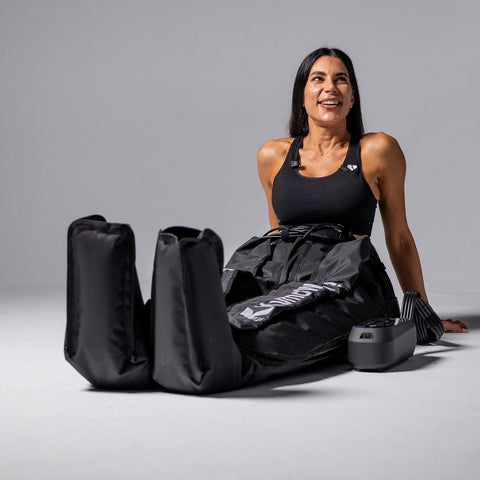
KumoWave Elite X – Pressotherapy Pants
Full-coverage trousers. Ideal for lipedema, fluid retention and intensive use.
€799,00 €999,00
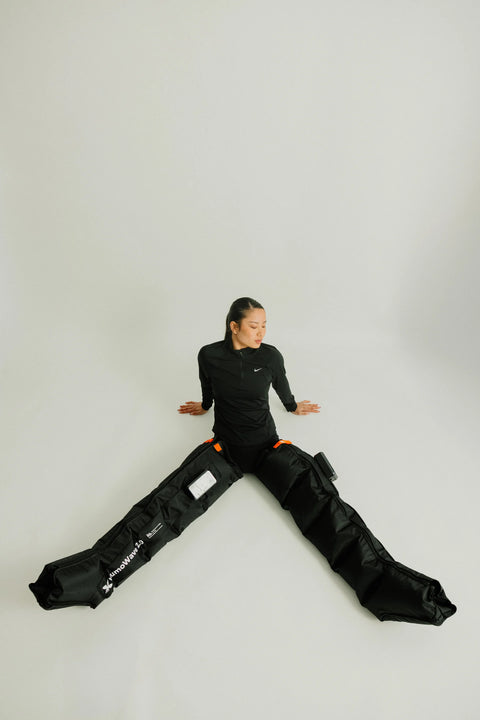
KumoWave 2.0 - Wireless Pressotherapy
Wireless, lightweight boots. Perfect for daily use and recovery.
€499,00 €599,00