LED Facial Mask: This 2025 guide teaches you how to use it safely and effectively. If you're looking for how to build an effective light mask routine to improve acne, texture, and radiance, here's a clear, evidence-based, and easy-to-follow plan.
In a little while
- 3 main targets: acne (blue LED), texture/fine wrinkles (red LED and near infrared), tone/redness (red/amber).
- Basic routine: 10–20 minutes per session, 3–5 days/week, for 8–12 weeks.
- Simple preparation: gentle cleansing, dry skin and light moisturizing serum (without harsh acids).
- Safety first: do not look directly at the light, wear glasses, avoid if you are taking photosensitizing drugs.
- Track your progress: take photos in the same light every 2 weeks and keep a symptom diary.
What is an LED face mask and how does it work?
A facial LED mask is a photobiomodulation device that emits low-intensity visible and/or infrared light to modulate cellular processes. It does not heat up or "burn": its wavelengths interact with chromophores (such as cytochrome c oxidase) and can influence ATP production and cell signaling.
Facial red light
Bring your skin back to life
★★★★★ 4,8/5 · rated by verified customers
The KumoSkin LED mask helps repair and calm your skin in short sessions at home.
- 250 LEDs in flexible medical silicone
- Red light to boost collagen and glow
- 4 lights: red, infrared, blue and yellow
€299,00€429,00
−10% on your 1st order when you subscribe to the newsletter

- Blue LED (≈415–470 nm): helps reduce Cutibacterium acnes and superficial inflammation.
- Red LED (≈630–660 nm): can stimulate collagen and improve microcirculation.
- Near infrared, NIR (≈810–850 nm): reaches deeper layers, useful for tissue retrieval.
Clinical reference and review sources:
- Review on LLLT and skin (2013, NCBI/NIH): Low-level light therapy in skin
- Dermatological summary of LED: DermNet NZ – LED phototherapy
Benefits based on evidence and realistic expectations
Acne and inflammation
Blue light and blue/red light combinations are used as adjunct treatments for mild to moderate acne. According to the American Academy of Dermatology, phototherapy can help some people, but it usually requires consistency and should be combined with a dermocosmetic or medical treatment plan when acne is persistent. Improvements are estimated to occur after 8–12 weeks of regular use.
Personalized protocol · included with your purchase
Want us to tell you how to use it in your case?
With your purchase, our experts prepare the ideal LED protocol for your skin type and goal (acne, wrinkles, dark spots...).
Message us on WhatsAppOur experts reply · no obligation
- AAD Public Guideline: Light therapy for acne
- Evidence synthesis (Cochrane, 2016): Light therapies for acne
Texture, fine lines and luminosity
Small studies suggest that red LED and NIR light may improve photodamage parameters, elasticity, and the appearance of fine lines with continued use. The proposed mechanism includes increased mitochondrial activity and cytokine modulation.
- General review (2013): LLLT in skin – NCBI
- Practical clinical perspective: Cleveland Clinic – Red light therapy
Tone, redness and post-inflammatory spots
Red/amber LED light can help soothe redness and even out skin tone in some cases. Evidence for its use on hyperpigmentation is mixed: in very dark spots, results may be modest and slow; prioritize daily sun protection and depigmenting agents formulated by your dermatologist.
- Dermatology Overview: DermNet NZ – LED
Less promises, more method: consistency > intensity.
−10%on your first order when you join the newsletter
We send you the code instantly. No spam.
2025 routine step by step with LED facial mask
Skin preparation
- Cleanse with a gentle gel and dry without rubbing.
- Avoid applying acids (AHAs/BHAs), retinoids, or strong vitamin C immediately beforehand. Opt instead for a lightweight hydrating serum (e.g., hyaluronic acid).
- Put on the mask and adjust it well. Wear protective goggles if the manufacturer recommends them.
Weekly protocol guide (8–12 weeks)
- Target acne: 10–15 min of blue LED or blue/red combination, 4–5 days/week.
- Target texture/wrinkles: 15–20 min of red LED + NIR, 3–5 days/week.
- Target tone/redness: 10–15 min of red/amber, 3–4 days/week.
- After the session: apply barrier moisturizer. During the day, use SPF 50+.
Example (mixed acne + texture):
- Mon, Wed, Fri: 15 min blue + 10 min red
- M, T: 15–20 min red + NIR
- Weekend: rest or 10 min light red
Combination with other care
- Retinoids/acids: it is best to alternate them at night without LED or use them on nights without a session.
- Compatible serums: hyaluronic acid, panthenol, gentle niacinamide.
- Daily sunscreen is essential, especially if you are treating blemishes or acne.
Safety and contraindications
- Don't look directly at the light; protect your eyes.
- Avoid use if you have photosensitive epilepsy, light-triggered migraines, uncontrolled eye disease, or are taking photosensitizing drugs (consult your doctor).
- If you are pregnant or breastfeeding, seek professional advice before starting.
- Possible mild side effects: temporary dryness, temporary redness. Stop use if you notice any worsening and consult a doctor.
- Recommended reading on safety/scope: StatPearls – Photobiomodulation and Cleveland Clinic – Red light therapy
Quick guide to wavelengths and indicative protocol
| Aim | LED Color | Approx. wavelength | Time per session | Weekly frequency | Observations and source |
|---|---|---|---|---|---|
| Mild-moderate acne | Blue | 415–470 nm | 10–20 min | 3–5× | Useful as an adjunct; results in 8–12 weeks. AAD – Light therapy |
| Texture and fine lines | Red | 630–660 nm | 15–20 min | 3–5× | It can promote collagen with consistent use. NCBI Review |
| Tissue recovery/depth | Near infrared | 810–850 nm | 10–20 min | 3–4× | Penetrates deeper; a wellness supplement. StatPearls |
| Redness/tone | Amber/soft red | 585–620 nm | 10–15 min | 2–4× | Variable evidence; use in conjunction with sun protection. DermNet NZ |
| Post-acne/PIH | Red ± NIR | 630–850 nm | 15–20 min | 3–5× | Gradual improvements; key: SPF and a depigmenting routine. Cochrane – Acne Light |
Note: Always follow your device's manual. The ranges provided are guidelines and do not replace the manufacturer's or your dermatologist's instructions.
How to choose and care for your light mask
- Safety and quality: look for applicable certifications, automatic timer, safety shut-off, and eye protection included.
- Technical transparency: specified wavelengths, homogeneous light distribution, and facial-grade materials.
- Ergonomics: stable fit, comfortable weight, easy to clean.
- Maintenance: Clean after each use with a soft cloth and solution indicated by the manufacturer; avoid alcohol on lenses/diffusers; store protected from dust and direct sunlight.
Measure your progress like a pro
- Define 1–2 measurable goals (e.g., “fewer inflammatory papules”, “improve luminosity”).
- Take front and profile photos every 2 weeks with the same light and distance.
- Keep a journal: days of use, products applied, sleep, and perceived stress.
- Re-evaluate at 8–12 weeks. Adjust frequency or combine with your dermatologist's regimen if progress stalls.
Integrate photobiomodulation into your lifestyle
- Consistency: link your sessions to a habit (after the nightly cleaning).
- Sleep: Avoid bright screens before bed; turn the session into a relaxing ritual.
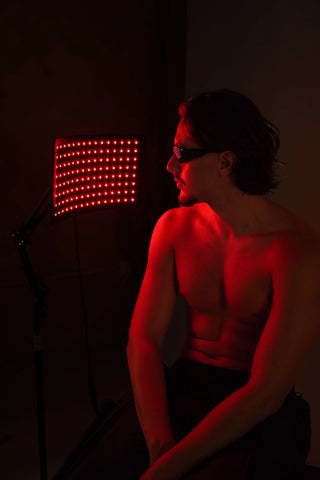
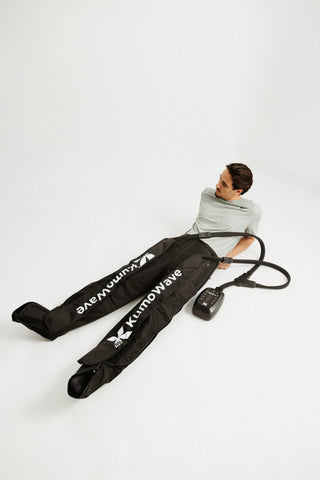
- Movement and recovery: after training, red/NIR light can be part of your care routine.
- At KUMO, we combine aesthetics, technology, and performance to make recovery a sustainable habit. Discover our philosophy at KUMO .
Frequently Asked Questions
How long does it take to see results with an LED facial mask?
It depends on your goal and consistency. For mild acne, changes are usually noticeable between weeks 4 and 8, with more pronounced improvements around weeks 8–12 if you maintain 3–5 sessions per week. For texture and fine lines, the response is gradual and may require 8–12 weeks to see more even skin tone. Keep realistic expectations: LED therapy is a support, not a replacement for medical guidelines when the problem is moderate or severe. Document your progress with photos and a journal for objective evaluation.
Can I use an LED mask if I use retinol or acids?
Yes, but organize your routine to minimize irritation. One option is to alternate: nights with LED light and a gentle moisturizer, and other nights with retinoids/acids (AHAs/BHAs). If you prefer to use both on the same day, apply the LED light to clean skin, moisturize, and save the stronger active ingredients for another night. Monitor your tolerance: if persistent redness or dryness appears, reduce the frequency of LED light use or the use of active ingredients and consult a professional.
Red, blue or infrared: which one is right for me?
- Inflammatory acne: blue or blue+red combination.
- Texture/fine lines and luminosity: red, and if your mask includes it, add NIR.
- Redness/tone: soft red and/or amber. The selection can be combined according to your goals. If you have any doubts or specific skin conditions (active rosacea, melasma), seek dermatological guidance to adjust the protocol and avoid flare-ups or unrealistic expectations.
Is LED light safe for the eyes and skin?
Low-intensity photobiomodulation is generally considered safe when used according to the instructions. Even so, avoid looking directly at the LEDs and wear eye protection if indicated. The most common reactions are mild and transient (dryness, slight redness). People with photosensitive epilepsy, light-induced migraine, eye conditions, or those taking photosensitizing medication should consult a doctor beforehand. If you experience discomfort or worsening symptoms, discontinue use and seek professional evaluation.
Can I use the LED mask during pregnancy or breastfeeding?
There is no robust and specific evidence regarding the safety of all wavelengths and consumer devices in pregnant women. Although LED light is not thermal, it is prudent to consult with your obstetrician or dermatologist before starting. If you receive dermatological light therapy at a clinic, follow the doctor's instructions precisely. If using a home device, prioritize short sessions, wear eye protection, and discontinue use if any discomfort occurs.
To remember
- The key is consistency: 3–5 weekly sessions for 8–12 weeks.
- Choose the light according to your goal: blue (acne), red/NIR (texture), amber/soft red (tone).
- Prepare the skin without prior acids and provide daily photoprotection.
- Safety first: protect your eyes and avoid photosensitizers.
- Measure results with photos and a journal to adjust your plan.
- Ready to create your light routine? Start with clear guidance and a progressive mindset. Learn more about our vision of wellness at KUMO .

Facial red light
KumoSkin Mask – LED Facial Mask
★★★★★ 4,8/5 · rated by verified customers
- 250 LEDs in flexible medical silicone
- Red light to boost collagen and glow
- 4 lights: red, infrared, blue and yellow
€299,00€429,00· pay in installments with seQura or Klarna