

Yes, placebo is felt too. In recovery, expectation can change how you perceive pain, fatigue and relief from the very first session, especially in subjective outcomes, although that does not automatically mean the tissue has changed at the same pace.
What is usually real is the experience of improvement; what needs evidence is the cause of that improvement. The therapeutic context, the relationship with whoever delivers the intervention and the way the treatment is presented can add or subtract effect, which is why the challenge is to separate clinical signal, natural course and expectation.
Pressotherapy at home
End the day with light legs
★★★★★ 4,8/5 · rated by verified customers
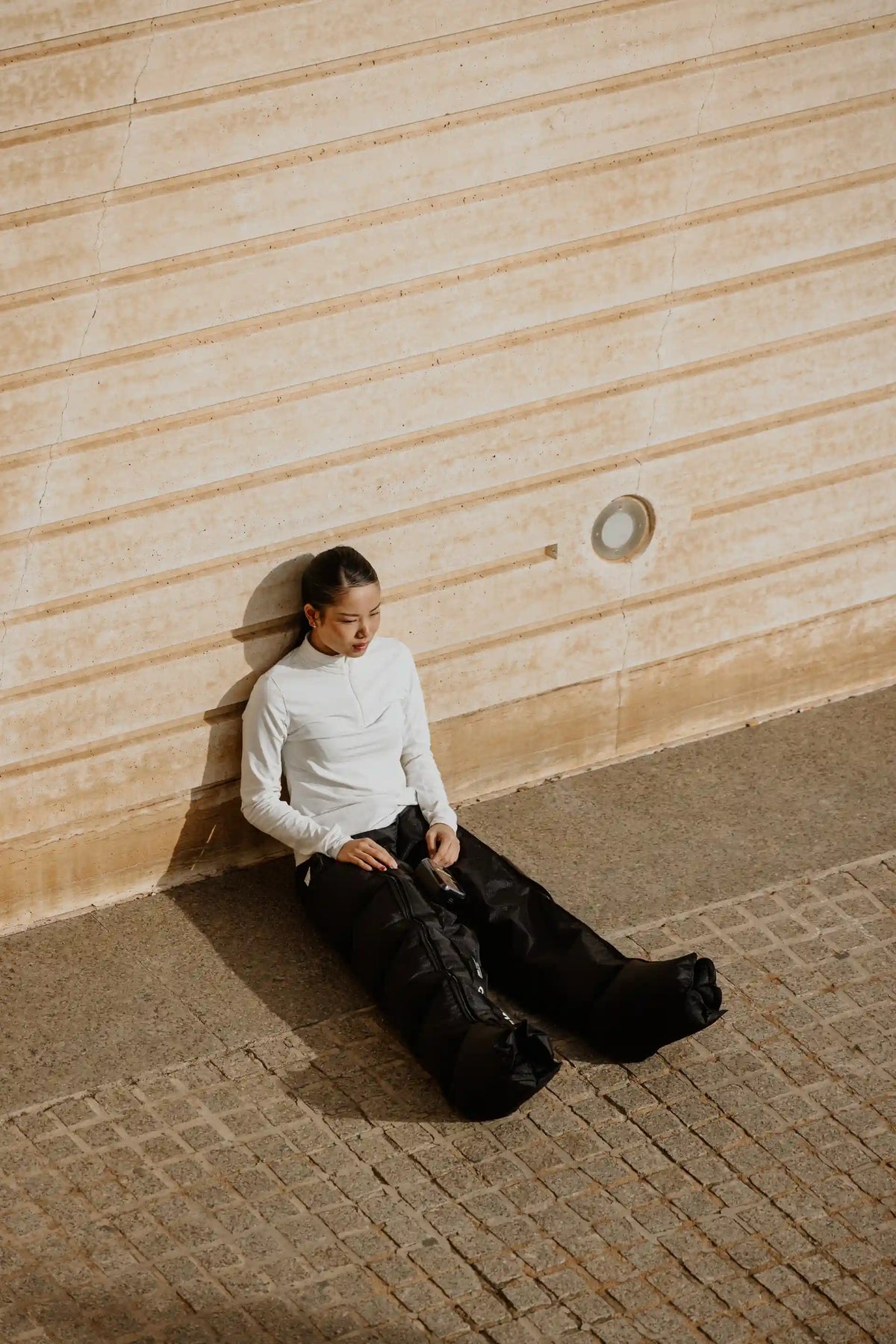
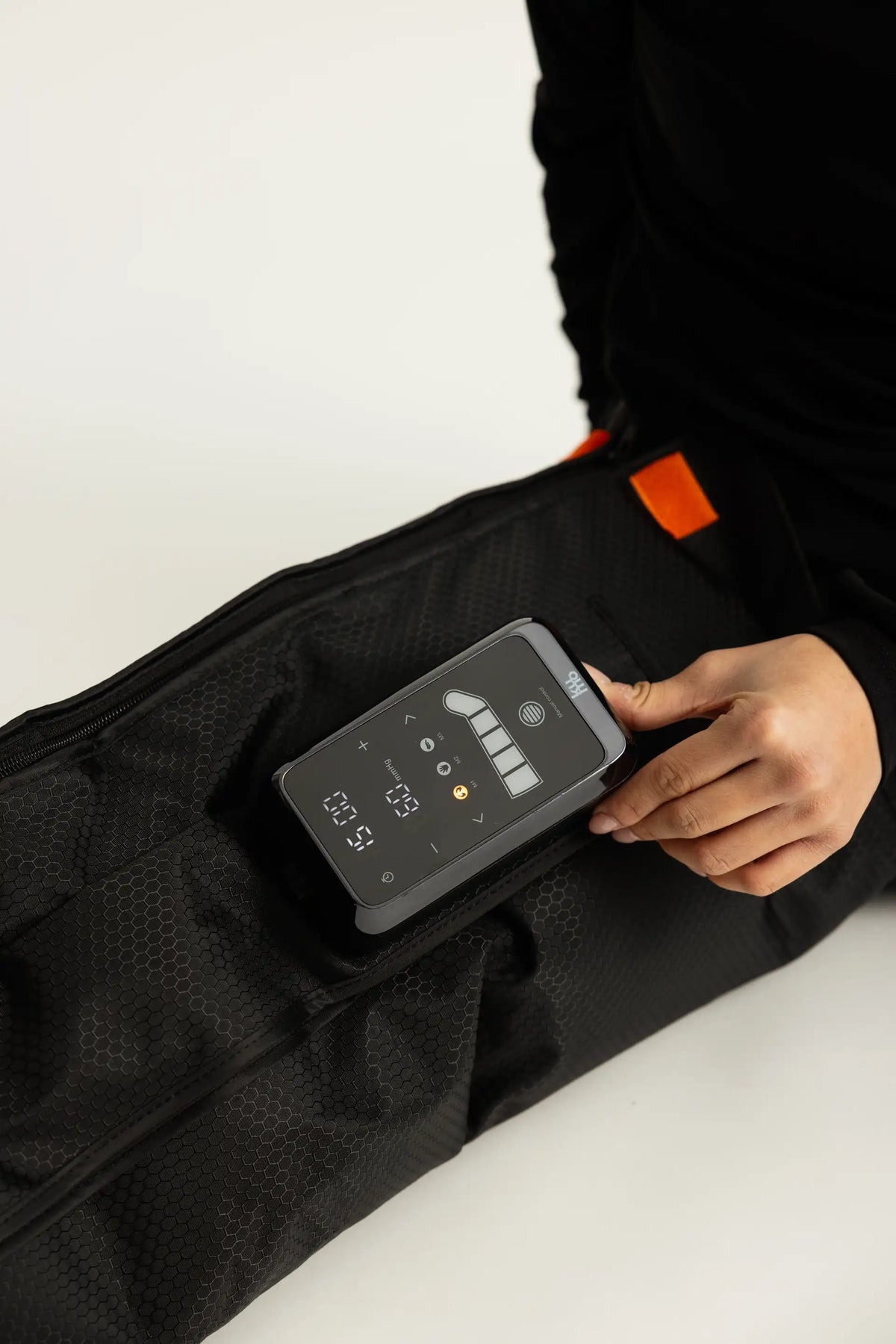
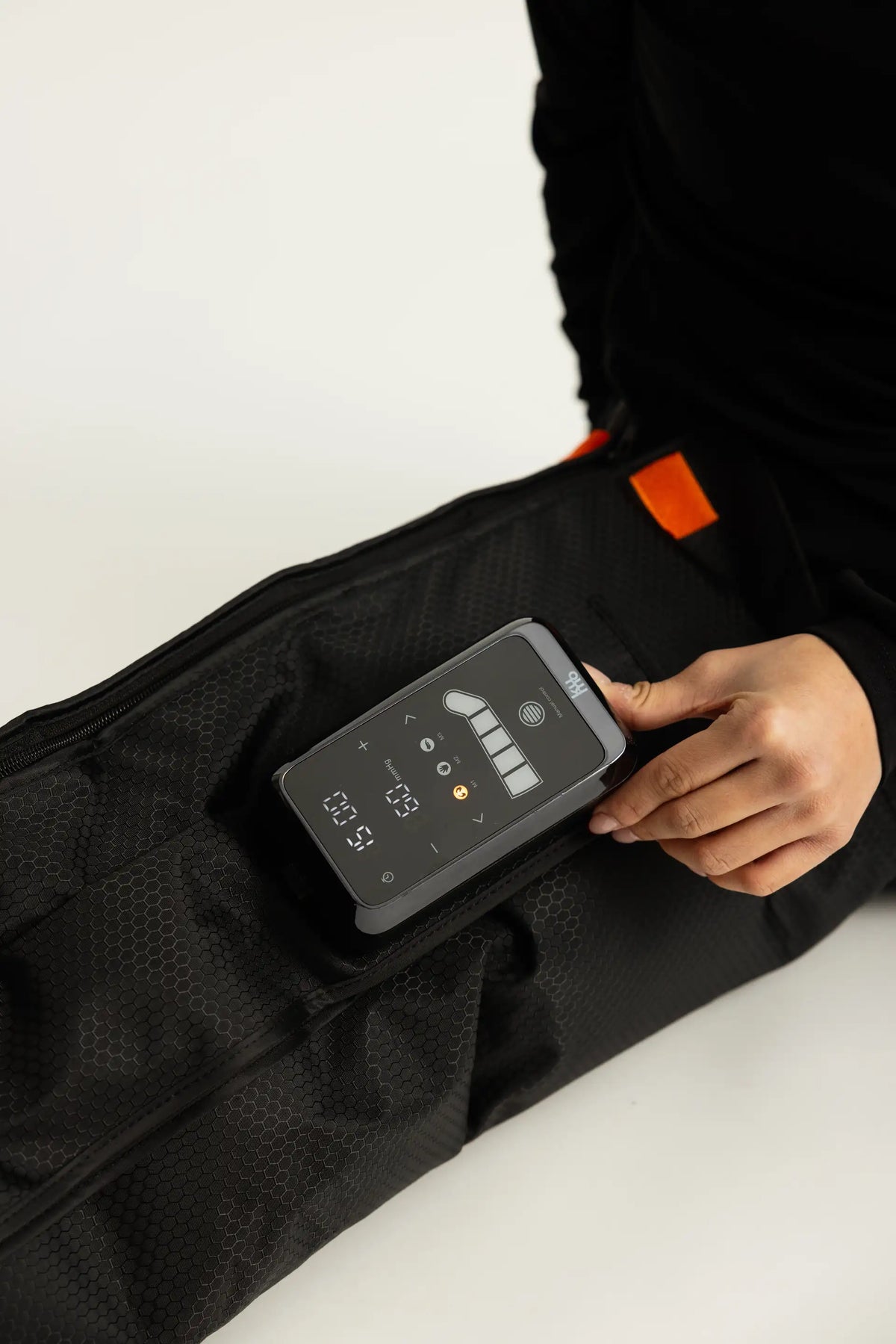
KumoWave pressotherapy boosts circulation and helps drain fluid with sequential compression, in 20-minute sessions at home.
- Boosts circulation and helps drain fluid
- Chamber-based compression, adjustable to you
- Sequential compression that mimics manual drainage
€799,00€999,00
−10% on your 1st order when you subscribe to the newsletter

What the placebo effect is in recovery
The NCCIH defines the placebo effect as a health benefit born from the anticipation that an intervention will help, and notes that the way the professional interacts can also produce a positive response independent of the specific treatment. The 2024 summary of the NIMH placebo workshop underlines exactly that difficulty of separating the specific treatment effect from the context effect, especially in chronic pain.
In practice, that can translate into less perceived pain, less fear of movement, more confidence and better adherence. The 2024 clinical update on treatment expectations notes that placebo and nocebo effects appear across several conditions and physiological systems, although pain accounts for much of the evidence.
Personalized protocol · included with your purchase
Want us to tell you how to use it in your case?
With your purchase, our experts prepare a personalized usage protocol for your case: sport, circulation, fluid retention, pregnancy or lipedema.
Message us on WhatsAppOur experts reply · no obligation
How much of what you feel can be real
The sensation of relief is real as a bodily experience. What is not always real is the conclusion that there was a proportional biological repair. The 2024 clinical update recalls that previous experiences, expectations and interaction with the professional modulate efficacy, tolerability and adherence to treatment.
In sport and exercise, a 2024 review of placebo and nocebo in sport and exercise found small to large placebo effects depending on the type of intervention, with d = 0.86 for nutritional aids, d = 0.38 for mechanical interventions, d = 0.05 for creams and gels, and d = 0.16 for open-label placebo; the combined effect was d = 0.67, while nocebo reached d = 1.20.
If you want to see how sensations and mechanisms overlap, how pressotherapy and lymphatic drainage complement each other is a good example that the same improvement can have several layers.
on your first order when you join the newsletter
We send you the code instantly. No spam.
The therapeutic context changes the experience
Language, ritual and the therapeutic relationship matter. A 2024 systematic review of open-label placebos found 21 studies, an average effect size of d = 0.79 and uses in preventive, therapeutic and rehabilitative settings. That is a reminder that not every benefit depends on withholding information from the patient.
And if you are building a routine at home, a step-by-step guide to lymphatic drainage at home helps you tell habit, technique and expectation apart.
To understand how different recovery tools fit together, Kumo Balance's clinical technology sums up the approach across compression, LED photobiomodulation and percussive massage.
How to tell placebo, natural course and treatment effect apart
You cannot always separate everything by eye. Improvement can include natural history, regression to the mean, the specific treatment effect and context. In 2024 the NIMH called for trial designs that better separate those components and distinguish changes in decision and suffering from response biases.
These clues do not diagnose, but they help you interpret. In unblinded studies, the expectation effect can inflate the reading of results a great deal, so comparing what you feel with what you measure really matters. (pmc.ncbi.nlm.nih.gov)
Signs that help you interpret improvement
| What you feel | When there may be a lot of context | When a more solid effect is likely |
|---|---|---|
| Pain | If it drops right after the session or swings a lot with expectation. | If mobility also improves and the change holds for several days. |
| Fatigue | If you feel better because of the ritual, the reassurance or the support. | If your tolerance for activity rises and you repeat the effort better. |
| Confidence | If good framing reduces fear or doubt from the start. | If that turns into more consistency and less avoidance. |
| Adherence | If the treatment motivates you to keep going. | If you sustain the habit and see steadier changes than after a single session. |
In other words, if only the sensation improves but not function or consistency, it is worth interpreting with caution. The 2024 meta-regression on procedural interventions showed that, in exercise-related outcomes, 88.1% of the effect size observed in unblinded studies could be attributed to placebo.
There is also the reverse. A 2024 meta-analysis of nocebo that reviewed 130 studies and 8,219 participants concluded that negative expectations can also alter health outcomes, so context can make you feel better or worse even when the intervention does not change.
When you should not put it down to placebo
If there is intense pain, redness, significant swelling, fever, marked weakness, shortness of breath or chest pain, do not read it as a simple expectation response. Mayo Clinic recommends medical assessment when muscle pain comes with signs like these, or if it lasts longer than expected or gets worse despite rest.
The same applies if you are pregnant, if thrombosis is suspected, if you have just had surgery or if there is a circulatory or inflammatory condition. Before using compression, massage or sequential pressure techniques, review the contraindications of lymphatic drainage and talk to a health professional.
FAQ
What is the placebo effect and how can it affect physical recovery?
The placebo effect is a real improvement in the health experience that comes from expecting something to help. In recovery it can reduce perceived pain, fear and subjective fatigue, and also improve adherence to a routine. That does not automatically amount to tissue healing, but it does mean the way the intervention is lived truly changes. The NCCIH and the 2024 clinical update describe it that way.
How much of the improvement after treatment is placebo rather than a real effect?
It depends on the outcome you measure and how the study is designed. If you only look at the immediate sensation, placebo can weigh heavily; if you add function, tolerated load, repetition and follow-up, the picture changes. In 2024 the NIMH insisted on better separating the specific treatment effect, the context response and decision biases, and a meta-regression showed that blinding notably changes how the effect reads.
How does the therapeutic framing influence recovery?
The therapeutic framing matters because language, ritual and the relationship with the professional change expectations and adherence. The NCCIH notes that interaction with the patient can produce a positive response independent of the treatment, and a 2024 systematic review found that open-label placebos can also generate benefits in preventive, therapeutic and rehabilitative settings. That is not magic: the brain reads the context and acts accordingly.
Can placebo speed up healing without an active pharmacological mechanism?
Yes, it can speed up perceived improvement or the feeling of recovery, especially in pain, effort and confidence. But it does not replace a clinical assessment and does not guarantee the physical problem is solved. The 2024 clinical update stresses that expectations modulate efficacy and tolerability, while Mayo Clinic recommends medical care when pain comes with swelling, fever, weakness or shortness of breath.
What methods help tell placebo from a real effect during recovery?
The best way is to combine several layers: a baseline, repetition, control of variables and objective measures when they exist. Track pain, function, sleep and tolerance for activity, and watch whether the change holds or only shows up right after the session. In sport and exercise, the 2024 reviews show that expectations and blinding alter results a great deal, so context matters as much as technique.
So what now?
If your sensations are mild and stable, use this idea as a reading tool: watch what changes in your pain, your function and your confidence. If there are warning symptoms, prioritize a professional assessment before trying any recovery technique. To keep exploring the general approach, go back to the Kumo Balance homepage and keep the contraindications of lymphatic drainage as a preventive reference.
KumoWave pressotherapy
Choose your at-home pressotherapy
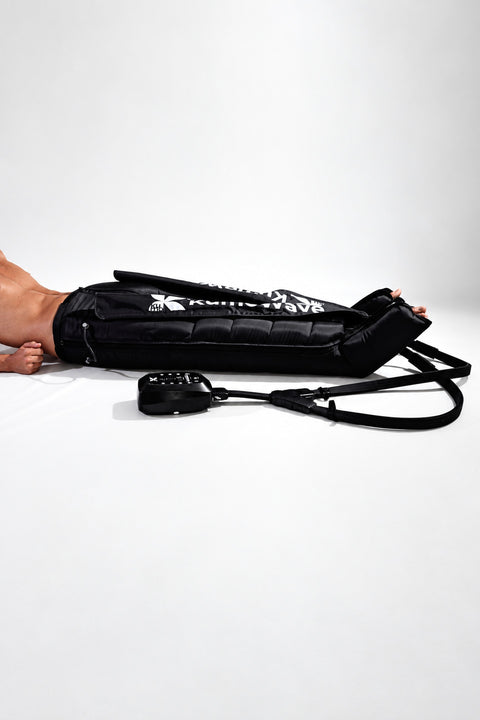
KumoWave Elite – Pressotherapy Pants
Full-coverage trousers. Ideal for lipedema, fluid retention and intensive use.
€799,00 €999,00
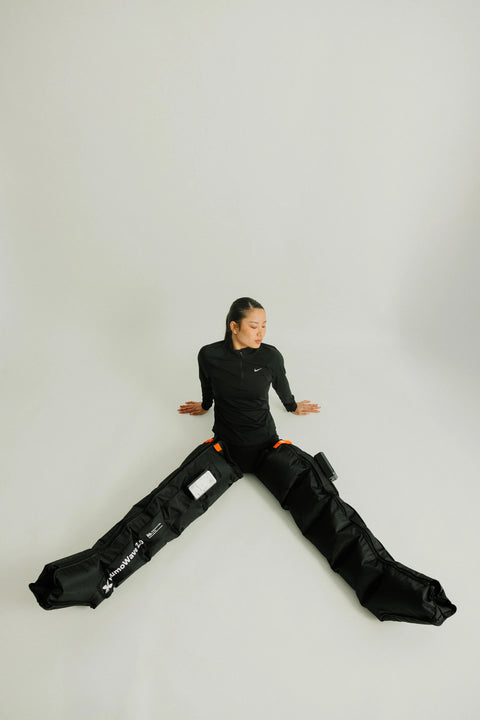
KumoWave 2.0 - Wireless Pressotherapy
Wireless, lightweight boots. Perfect for daily use and recovery.
€499,00 €599,00