Introduction: Is the LED facial mask safe for sensitive skin?
Safety comes first when you have sensitive skin and use an LED face mask.
The good news is that, when used correctly, LED phototherapy (especially red and blue light) is generally considered non-invasive and low-risk , even for reactive skin. Organizations such as the American Academy of Dermatology point out that red light does not contain UV radiation and, in the short term, appears to be safe as long as the device instructions are followed and a reliable device is selected. ( aad.org )
Facial red light
Bring your skin back to life
★★★★★ 4,8/5 · rated by verified customers
The KumoSkin LED mask helps repair and calm your skin in short sessions at home.
- 250 LEDs in flexible medical silicone
- Red light to boost collagen and glow
- 4 lights: red, infrared, blue and yellow
€299,00€429,00
−10% on your 1st order when you subscribe to the newsletter

In this article you will find a detailed protocol for using an LED facial mask on sensitive skin: preparation, duration, frequency, precautions and warning signs, as well as how to integrate it into a comprehensive recovery routine in the KUMO style.
What is an LED facial mask and how does it work on the skin?
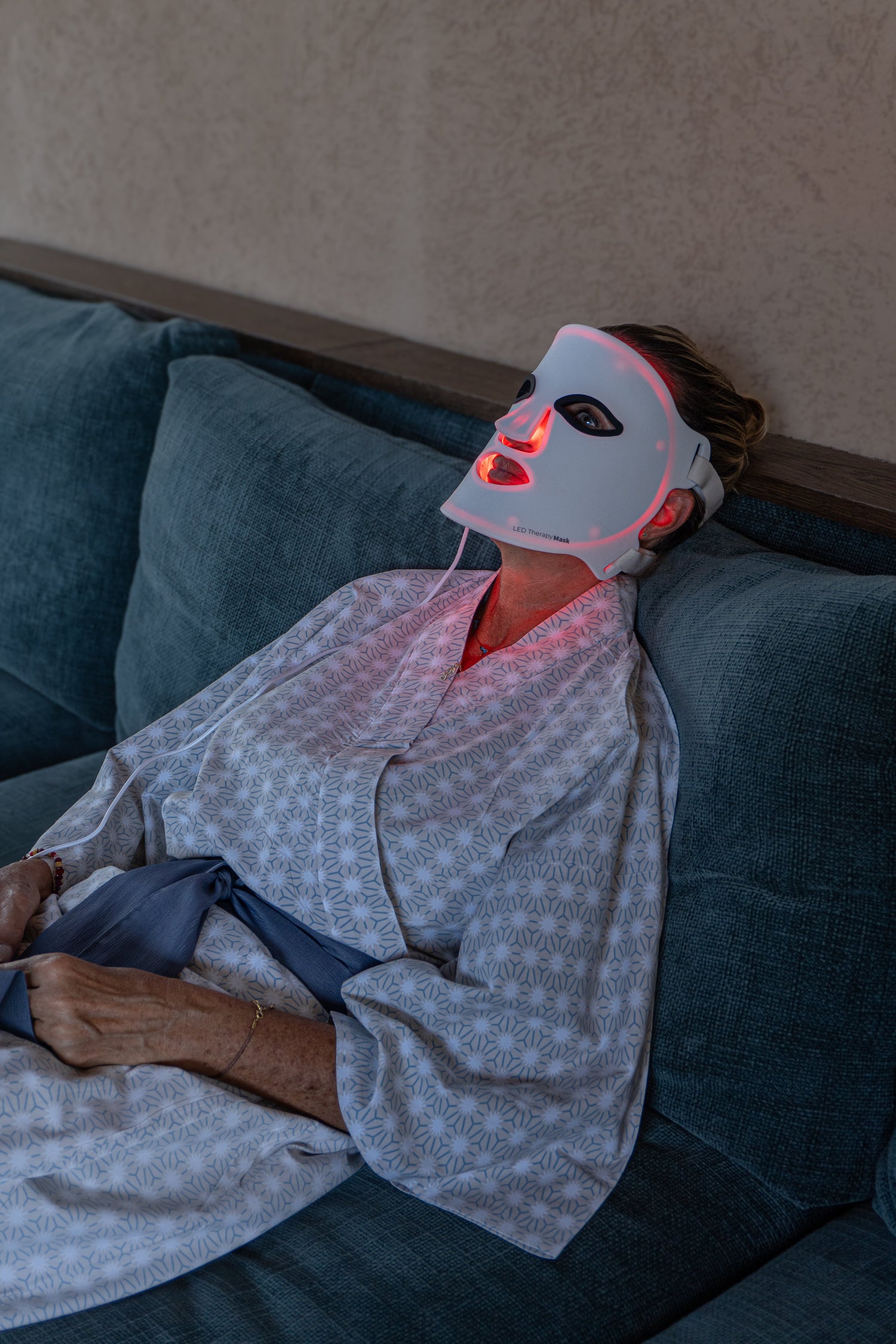
A facial LED mask is a device that emits low-intensity light (red, blue, and even other colors) at specific wavelengths. This light is absorbed by skin cells and can modulate biological processes such as inflammation, collagen production, and tissue repair. This mechanism falls under the umbrella of photobiomodulation . ( kumobalance.com )
Personalized protocol · included with your purchase
Want us to tell you how to use it in your case?
With your purchase, our experts prepare the ideal LED protocol for your skin type and goal (acne, wrinkles, dark spots...).
Message us on WhatsAppOur experts reply · no obligation
Unlike UV rays, the light from these devices does not “burn” the skin or damage DNA ; its effect is more like “energizing” certain cellular structures (mitochondria) that can respond by improving function and reducing inflammation. ( aad.org )
Most common colors and wavelengths
At home, LED face masks typically include:
- Red light (≈630–660 nm) : associated with improved texture, support for collagen production and reduction of mild inflammation.
- Blue light (≈415 nm) : used to support the treatment of mild acne by acting on the bacteria involved in breakouts. ( massgeneralbrigham.org )
- Near-infrared light (≈800–850 nm) : penetrates somewhat deeper, focused on tissues and recovery, although not all face masks include it. ( kumobalance.com )
On sensitive skin, the use of these colors should be adapted with special care, as we will see in the protocol.
on your first order when you join the newsletter
We send you the code instantly. No spam.
Sensitive skin: why it requires a specific protocol
Sensitive skin is not a single disease, but rather a way of reacting more intensely to stimuli that other skin types tolerate well: cosmetics, temperature changes, friction, stress, etc. The most common symptoms are stinging, tightness, itching, and redness, even with "gentle" products.
A systematic review published in 2019 that analyzed 26 studies and more than 51,000 people estimated that around 71% of adults identify to some degree with sensitive skin, and 34% with specific sensitivity in the facial area. ( pubmed.ncbi.nlm.nih.gov ) This makes it a very common reality, not an exception.
Therefore, even though the LED facial mask is a low-risk technology, sensitive skin requires:
- Start with minimal and progressive doses .
- Avoid aggressive combinations (for example, intense exfoliants just before the session).
- Monitor the response closely during the first few weeks.
Is the LED facial mask really safe for sensitive skin?
Current evidence indicates that low-intensity LED phototherapy is generally safe and well tolerated when used correctly.
- The American Academy of Dermatology states that red light does not contain UV radiation and, in the short term, has not been linked to skin cancer; adverse effects are usually mild (discomfort or transient irritation). ( aad.org )
- An analysis of studies on home LED devices for acne found that red and/or blue light devices can be considered safe and effective in mild to moderate cases. ( massgeneralbrigham.org )
- Medical reviews indicate that, when used as directed, these devices are "modestly effective and relatively safe" as a cosmetic supplement or for mild acne. ( webmd.com )
However, "generally safe" doesn't mean "suitable for everyone without exception." If you have sensitive skin, certain skin conditions, or are taking photosensitizing medication, you should take extra precautions and consult a professional.
Potential benefits for sensitive skin (when controlled)
Under calm conditions (without significant active outbreaks), a properly used LED facial mask can provide:
- Gradual improvement of skin texture and tone.
- Reduction of mild redness linked to superficial inflammation.
- Support in the management of mild acne thanks to blue light and/or combined light, always integrated into a supervised plan. ( massgeneralbrigham.org )
- Subjective sensation of brighter and more rested skin after several weeks of constant use.
Possible risks and side effects
The most frequently described adverse effects are:
- Temporary redness.
- Dryness, tightness or slight itching after the session.
- Worsening of inflammatory conditions (eczema, psoriasis, rosacea) if applied during an active flare-up. ( webmd.com )
- Darkening of spots or hyperpigmentation in skin with high sensitivity to visible light, especially in darker phototypes. ( aad.org )
That's why it's crucial to follow a specific protocol for sensitive skin and stop using it if any sustained worsening occurs.
Table: LED light colors and considerations for sensitive skin
| Color / type of light | Indicative range (nm) | Main effect | Sensitive skin: general recommendation | Key comments |
|---|---|---|---|---|
| Blue | ≈415 | Support for mild acne (action against bacteria) | Use it only if indicated for acne and at a low dose | It can be drying; always combine with a soothing moisturizer. ( massgeneralbrigham.org ) |
| Green / Yellow | ≈520–590 | Support for skin tone and light redness | Suitable for many sensitive skin types, starting very gradually. | Less studied than red/blue; check for persistent staining. |
| Red | ≈630–660 | Texture, collagen, mild inflammation | Generally the gentlest option to start with | Considered safe in the short term without UV radiation. ( aad.org ) |
| Near infrared | ≈800–850 | Deeper tissues, recovery | Extra caution; avoid on melasma or blemishes without prior assessment | More penetrating; consult a dermatologist if there is a history of hyperpigmentation. ( aad.org ) |
Safe protocol with LED facial mask for sensitive skin
The following protocol is intended as a general guide for sensitive skin without serious active conditions. It does not replace individualized advice from a dermatologist, but it will help you structure the use of your LED mask.
1. Before starting: assessment and preparation
-
Consult us beforehand if you have any questions.
If you suffer from rosacea, eczema, psoriasis, melasma, autoimmune diseases, or take photosensitizing medication (certain antibiotics, oral retinoids, anti-inflammatories, contraceptives, antidepressants, etc.), discuss with your dermatologist whether LED light therapy is suitable for you. ( aad.org )
-
Check that the device is reliable.
Prioritize devices with clear safety information and, if possible, with some certification or health registration in your country. Dermatological organizations recommend looking for devices with verified safety standards and always following official instructions. ( aad.org )
-
Do a patch test.
Apply the mask only to half your face or a small area (e.g., cheek) at the minimum recommended intensity and time . Observe your skin for 24–48 hours. If you notice persistent burning, a breakout, or significant worsening, discontinue use and consult a doctor.
-
Prepares the skin gently.
- Cleanse with a gel or cleansing milk that is free of sulfates and strong perfumes .
- Avoid harsh chemical exfoliants (AHA/BHA), potent retinoids, or peels in the 24–48 hours prior .
- Do not apply oils or thick occlusive creams just before the session (they can increase the sensation of heat).
2. During the session: parameters and sensations
-
Protect your eyes.
Always use the protective eyewear recommended by the manufacturer. Dermatological associations insist that you should not substitute ordinary sunglasses for them, as they do not filter the device's radiation as effectively. ( aad.org )
-
Start with soft red light.
For sensitive skin, it is usually prudent to start with only red mode and avoid intense combinations with blue or near infrared in the first few weeks, unless professionally advised.
-
Reduce time and intensity to a minimum at the beginning.
As a general guideline, many guides recommend short sessions several days a week rather than a few very long sessions. ( kumobalance.com ) On sensitive skin, you can start with approximately half the time indicated by the manufacturer (for example, if it indicates 10 minutes, start with 4–5) and increase only if the skin responds well after 1–2 weeks.
-
Listen to your skin in real time.
It is normal to feel slight warmth or a sensation of activity. It is not normal to experience pain, intense burning, unbearable itching, or a marked worsening of redness during the session. If you experience any severe discomfort, stop using the device immediately .
3. After the session: seal, soothe, and protect
-
Hydrates with soothing formulas.
Apply a simple cream or serum with active ingredients such as glycerin, hyaluronic acid, panthenol, ceramides, or oat extract . Avoid exfoliating acids, retinoids, or high-concentration vitamin C at this time.
-
Protects from the sun.
If the session is during the day, use a broad-spectrum sunscreen with SPF ≥ 30 suitable for sensitive skin. Visible light can influence pigmentation, so sun protection is key, especially for darker skin tones or those with dark spots. ( aad.org )
-
Record your skin's response.
Record in a notebook or app the date, duration, light mode, and how your skin looked/felt 24–48 hours later. This will help you detect patterns (for example, if a certain color combination always triggers a breakout or if your skin tolerates less frequent sessions better).
Recommended frequency of use for sensitive skin
The exact frequency depends on the device, its power, and your individual situation. However, based on the available literature on household LED devices and the prudent recommendations of dermatologists, some general guidelines can be established: ( aad.org )
- Adaptation phase (first 2–3 weeks): 2–3 sessions per week, with the minimum recommended time or slightly less.
- Maintenance phase: If your skin responds well, some people increase to 3–4 sessions per week, maintaining a moderate duration.
- Strategic breaks: In case of any repeated irritation or if you are going to introduce a new treatment (such as a retinoid), it is advisable to reduce the frequency or pause the mask until you can assess the tolerance.
Remember: if the manufacturer's guide contradicts these guidelines, always take precedence over what the device indicates and the judgment of your dermatologist.
Who should avoid or take extra precautions with LED masks?
Although most people can safely use an LED face mask, there are groups who should take extra care or avoid it altogether:
- People with photosensitive diseases (for example, some forms of lupus or porphyria), where exposure to visible light can worsen the disease. ( aad.org )
- Those who take photosensitizing medication (certain antibiotics, diuretics, anti-inflammatories, oral retinoids, etc.).
- Patients with eczema, psoriasis, or other inflammatory skin conditions experiencing an active flare-up: light can increase sensitivity and worsen symptoms. ( healthcentral.com )
- People with melasma or a strong tendency towards hyperpigmentation , especially if very penetrating wavelengths are used without supervision. ( aad.org )
- Very dark phototypes : prior evaluation by a dermatologist is recommended, as they are more sensitive to visible light and the appearance of spots. ( aad.org )
In all these cases, it is preferable to consult with a specialist beforehand and, if use is authorized, to do so with even more conservative parameters.
How to integrate the LED facial mask into your KUMO recovery routine
The LED facial mask can become another piece of a comprehensive recovery and wellness routine in the KUMO style, where aesthetics, technology and performance go hand in hand.
- Nighttime routine with red light: After cleansing and before applying your moisturizer, use the mask. This fits perfectly with other relaxing pre-sleep habits.
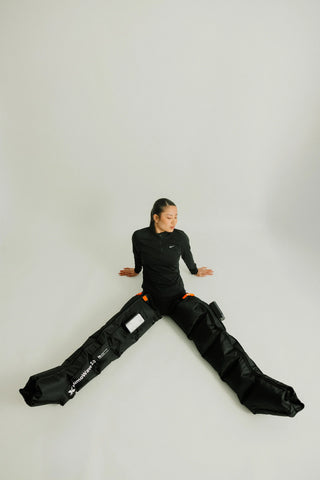
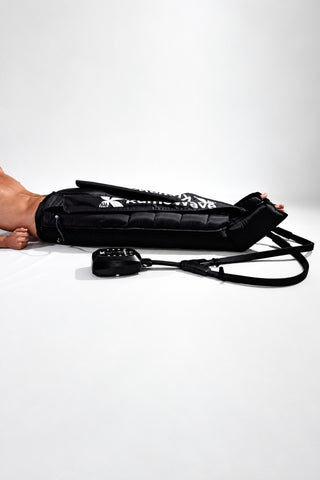
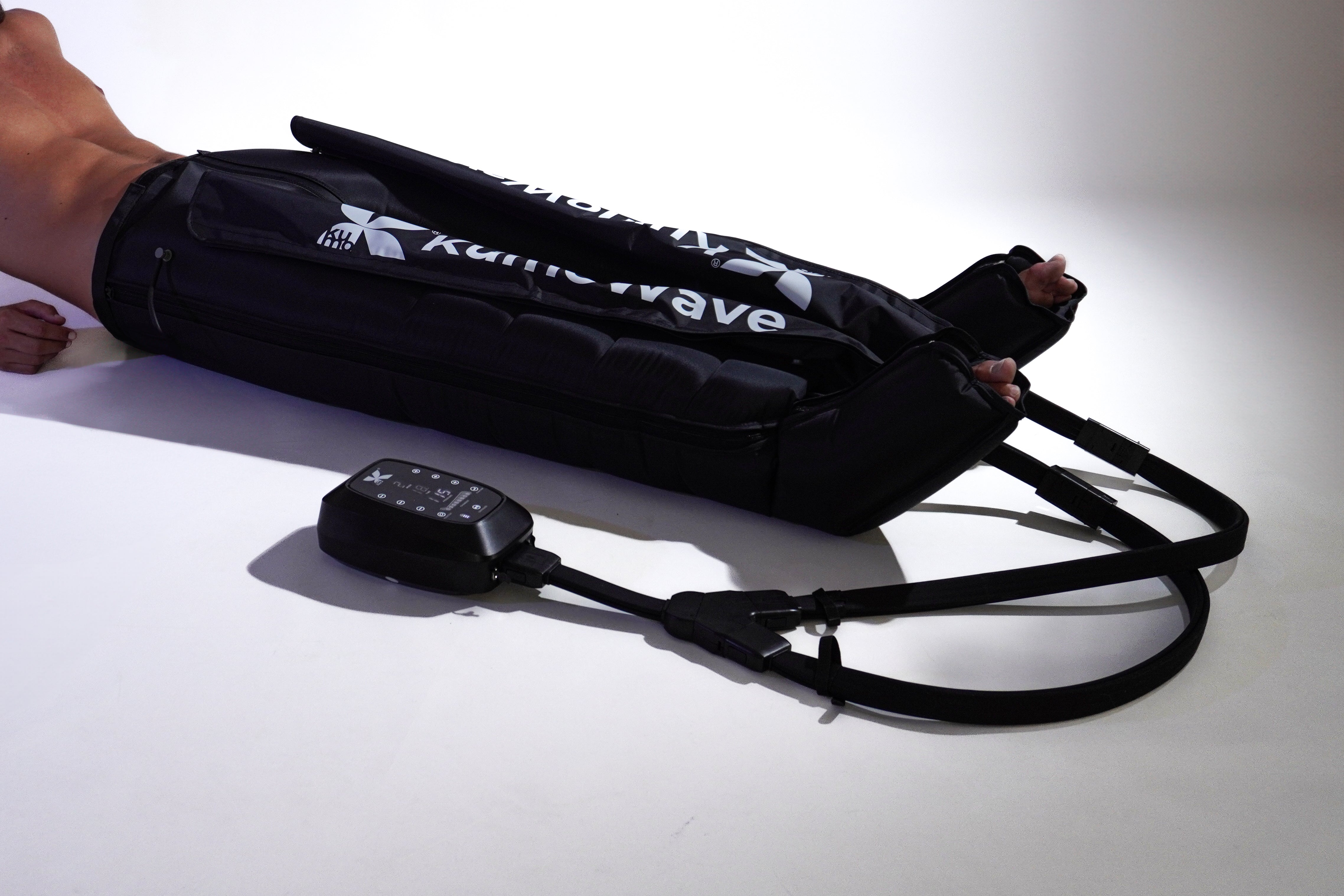
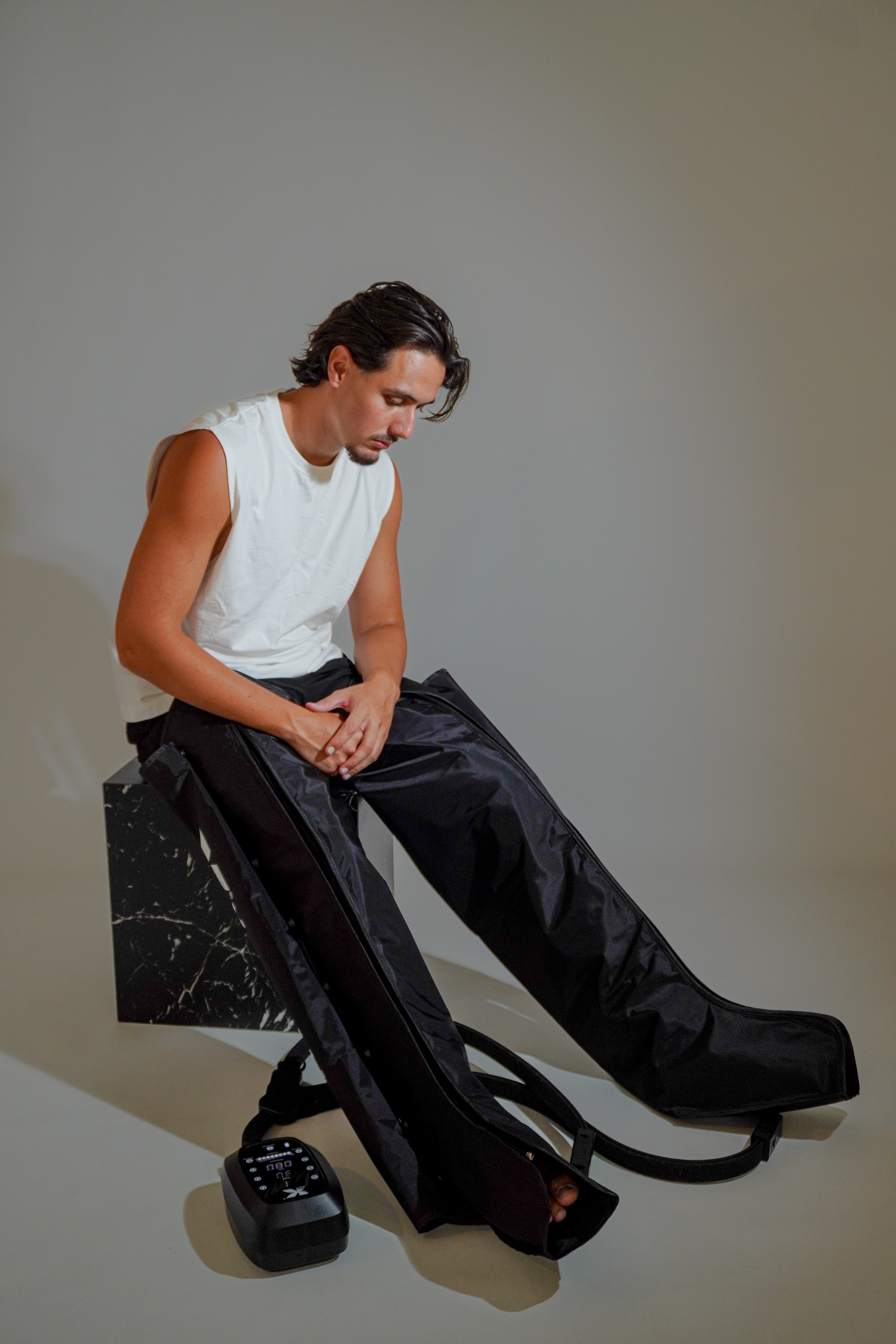
- Muscle recovery + facial care: While your legs benefit frompressotherapy boots , you can use the LED facial mask in gentle mode to complete a full recovery ritual.
- Post-workout session: After an intense workout, combine the work of a KUMOPULSE Air massage gun device on muscle groups with a short red light session on the face to promote overall relaxation.
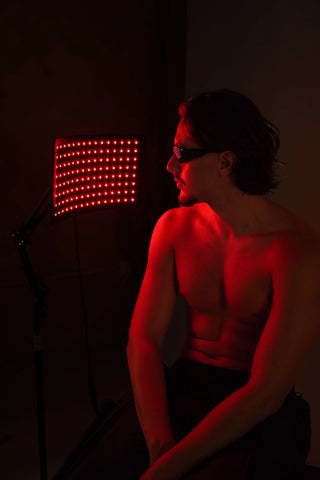
- Synergy with other light devices: If you use KUMO LED light therapy panels or equipment for body and muscle recovery, coordinate times and days to avoid overloading your sensitive skin with too many sessions in a row.
The key is for the LED facial mask to become a sustainable habit , not a quick fix: most studies report improvements after several weeks of consistent use, not in a single session. ( massgeneralbrigham.org )
Frequently asked questions about LED face masks and sensitive skin
How many times a week can I use an LED mask if I have sensitive skin?
There is no single number of sessions that works for everyone, as it depends on the device's power, the colors used, and your skin type. However, for sensitive skin, it's generally wise to start with 2–3 sessions per week , using the minimum time recommended by the manufacturer, and maintain this schedule for 2–3 weeks. If your skin doesn't show irritation, you can gradually increase the frequency or duration, always within the limits indicated by the device and under the guidance of your dermatologist if you have any pre-existing conditions. ( aad.org )
Which type of LED light is best for sensitive skin: red, blue, or infrared?
In most cases, low-intensity red light is the gentlest option to start with for sensitive skin, as it's associated with improved texture and support for collagen production, with a favorable short-term safety profile. ( aad.org ) Blue light can be helpful if you have mild acne, but it tends to be more drying; it should be used sparingly and followed by good hydration. Near-infrared light, because it penetrates deeper, requires special caution for people with melasma or a tendency toward dark spots. If in doubt, consult your dermatologist before combining different wavelengths.
Can I use my LED face mask if I also use retinol or other potent active ingredients?
Retinoids, exfoliating acids, and high-concentration vitamin C can increase skin sensitivity , making irritation more likely with any additional stimulus, including LED light. A wise strategy is not to introduce everything at once: start with the LED mask while maintaining your basic routine, and once you see that your skin tolerates it well, introduce the potent actives gradually, alternating nights or spacing out days. If you are undergoing treatment with oral retinoids or other strong medications, always consult your dermatologist before using the mask. ( webmd.com )
Does an LED facial mask replace treatments from a dermatologist?
No. An LED facial mask is a complementary tool , not a substitute for medical care. It may provide cosmetic benefits (improved texture, relief from mild acne, better-looking skin) and, in some cases, help to space out in-office treatments, but it does not replace diagnoses, checkups, or drug therapies when necessary. ( massgeneralbrigham.org ) If you have a skin condition (moderate-to-severe acne, rosacea, melasma, eczema, psoriasis, etc.), the mask should fit within a supervised treatment plan, not outside of it. If you experience a clear worsening of your condition, discontinue use and schedule an appointment with your specialist.
When will I start seeing results with an LED face mask if I have sensitive skin?
Studies with at-home LED devices describe visible improvements, on average, after 4 to 8 weeks of consistent use, especially in mild acne and early signs of aging. ( massgeneralbrigham.org ) On sensitive skin, this process may be somewhat slower, as it's best to start with moderate doses. Think of the LED mask as a long-term habit, not an immediate treatment: small, cumulative changes (less redness, more even skin texture, a calmer skin feeling) are usually more realistic than radical transformations in just a few days.
So what now?
If you want to safely incorporate an LED facial mask into your routine for your sensitive skin , start by following the protocol in this article and surround yourself with reliable recovery tools. At KUMO, you'll find technological solutions to complete your wellness ecosystem, from LED light therapy devices topressotherapy and massage equipment . If you have specific questions about which technology is best for you, you can contact the KUMO team for personalized product guidance, always in addition to the advice of your dermatologist.

Facial red light
KumoSkin Mask – LED Facial Mask
★★★★★ 4,8/5 · rated by verified customers
- 250 LEDs in flexible medical silicone
- Red light to boost collagen and glow
- 4 lights: red, infrared, blue and yellow
€299,00€429,00· pay in installments with seQura or Klarna