
Lymphatic drainage at home, safe and effective, step by step. Here you will learn how to do it correctly, when it is appropriate, and what precautions to take to achieve real results without risks.
In a little while
- Soft, slow, and superficial movements: think of caressing the skin, not "kneading" the muscle.
- Key sequence: open neck and breathing, prepare lymph nodes (armpits/groin) and then drain from distal to proximal.
- 10–20 minutes per area, 3–5 times per week; stop if you experience pain, heat, or redness.
- Avoid if there is infection, thrombosis, decompensated heart failure or a high-risk pregnancy; consult first.
- Complement with hydration, gentle movement and, if desired, trusted recovery tools such as pressotherapy.
What is lymphatic drainage and why do it at home?
Manual lymphatic drainage (MLD) is a technique using very light touches that promotes the return of lymph to the lymph nodes, helping to reduce feelings of heaviness, fluid retention, and tissue tension. It is not a deep massage: it works on the skin and subcutaneous tissue, following the direction of the lymphatic system.
Pressotherapy at home
End the day with light legs
★★★★★ 4,8/5 · rated by verified customers
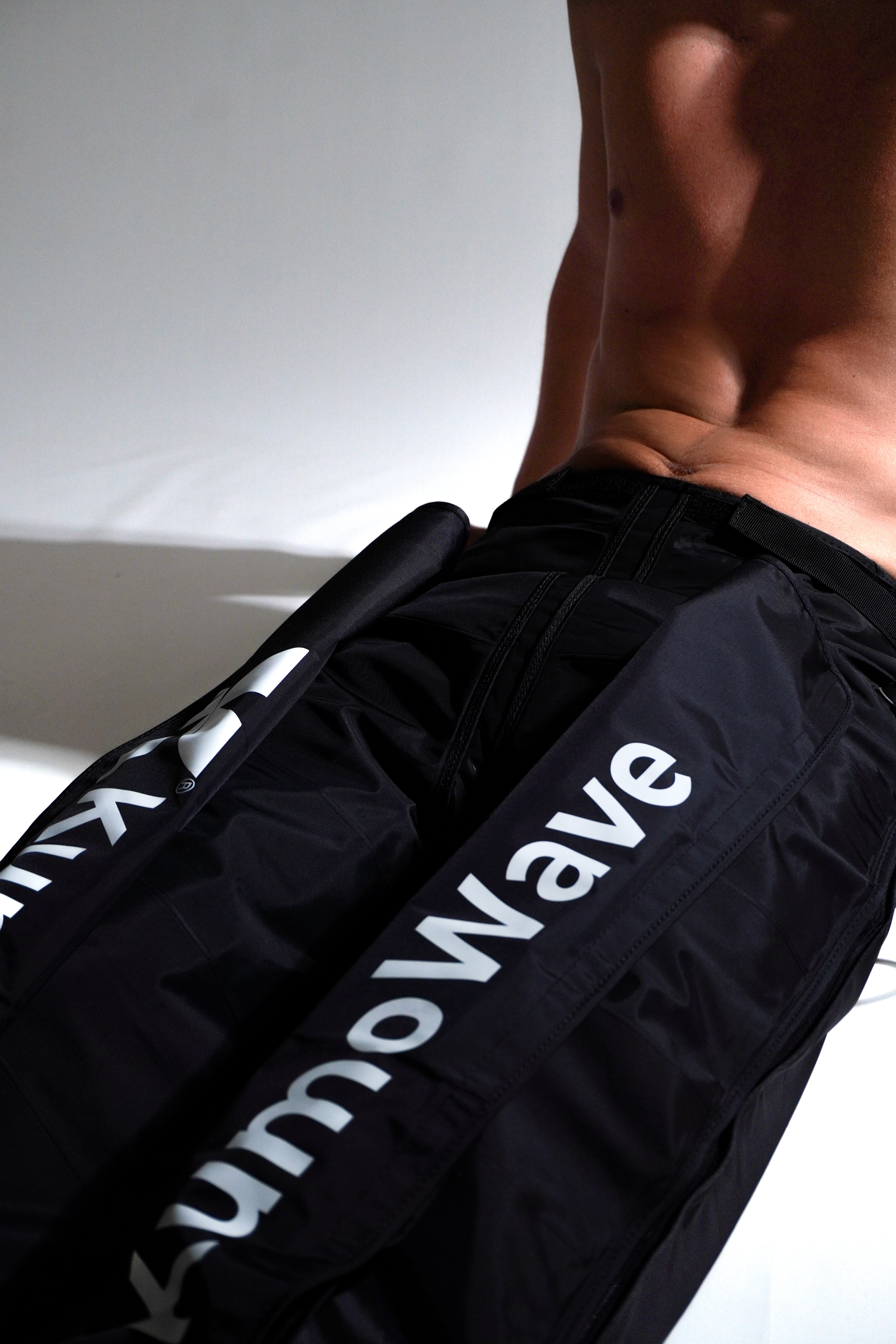
KumoWave pressotherapy boosts circulation and helps drain fluid with sequential compression, in 20-minute sessions at home.
- Boosts circulation and helps drain fluid
- Chamber-based compression, adjustable to you
- Sequential compression that mimics manual drainage
€799,00€999,00
−10% on your 1st order when you subscribe to the newsletter

Practicing a “self-assisted” version at home can relieve mild discomfort and enhance recovery after workouts or long periods of standing. Clinical evidence for lymphedema is heterogeneous, with modest benefits in volume and symptoms in some cases (2020 review) PubMed , and it is usually combined with other measures (compression, exercise, and skin care) NHS.
Important: Home drainage is not a substitute for professional evaluation. If you experience persistent swelling, pain, sudden asymmetries, or a history of cancer, consult a doctor.
Personalized protocol · included with your purchase
Want us to tell you how to use it in your case?
With your purchase, our experts prepare a personalized usage protocol for your case: sport, circulation, fluid retention, pregnancy or lipedema.
Message us on WhatsAppOur experts reply · no obligation
Contraindications and warning signs
Before you begin, check that you do not have:
- Active infection, fever, or cutaneous cellulitis (CDC).
- Venous thromboembolism (DVT) or suspected blood clots.
- Decompensated heart failure, severe kidney failure, or uncontrolled hypertension.
- Uncontrolled active cancer or areas with recent radiotherapy without medical authorization.
- High-risk pregnancy or obstetric complications (consult beforehand).
Stop the exercise if you experience sharp pain, localized heat, redness, dizziness, or worsening edema. To better understand the lymphatic system and lymphedema, you can consultJohns Hopkins Medicine .
Preparation: environment, posture and materials
- Environment: quiet, temperate, with neck and knee support.
- Hygiene: clean hands, dry skin or with a minimal film of oil/cream to facilitate friction-free gliding.
- Posture: semi-supine (lying on your back, torso slightly elevated) to facilitate the return.
- Hydration: drink water before and after.
- Duration: 10–20 minutes per area (legs, arms, abdomen or face), depending on your time and tolerance.
Rhythm advice: 1–2 seconds per movement, with a pressure of “2/10” (very light), without pain or marks.
−10%on your first order when you join the newsletter
We send you the code instantly. No spam.
Key principles of lymphatic drainage
- Prepare before draining: “open” the main pathways (collarbones/neck, armpits, groin) to create return space.
- Direction: always towards the corresponding (proximal) ganglia and then from more distal areas towards those "stations".
- Pressure: superficial and elastic, following the skin. The lymphatic system is above the muscle.
- Range: Repeat 5–10 times per point, slowly progressing through segments.
- Diaphragmatic breathing: activates the central “engine” of lymphatic flow.
For a medical perspective on the MLD technique, see Cleveland Clinic and the Cochrane Library review on its use after breast cancer surgery.
Step-by-step technique: basic routine
1) Activate your diaphragmatic breathing (2–3 minutes)
- Place one hand on your chest and the other on your abdomen.
- Inhale through your nose, "bringing" the air to your abdomen, and exhale slowly and completely.
- Take 8–10 slow breaths; rest if you feel dizzy. This breathing technique mobilizes the cisterna chyli and facilitates drainage.
2) “Opening” of drainage zones (3–5 minutes)
- Supraclavicular and neck: with fingertips, gentle downward pulls in supraclavicular fossae, 5–10 repetitions; then gentle lateral sweeps on the neck towards those fossae.
- Armpits: With your arm relaxed, make very gentle circles in your armpits inwards and upwards, 5-10 repetitions per side.
- Groin: Along the groin line, smooth upward and inward glides, 5–10 repetitions per side.
Note: If you have had surgery or lymph nodes removed, consult a specialist physiotherapist to adapt directions and areas.
3) Legs: from distal to proximal (8–12 minutes for both)
- Preparation: repeat opening in English.
- Ankle and calf: With both hands, make gentle sweeping motions from the ankle towards the inner leg, working in segments. 5–10 repetitions per segment.
- Thigh: continue from the knee towards the groin, with the same rhythm and pressure.
- Finish with 3–5 diaphragmatic breaths and a few repetitions in English.
4) Arms and hands (6–10 minutes for both)
- Axillary preparation.
- Hand and forearm: sweeps from the fingers to the elbow, 5–10 repetitions per segment.
- Arm: from the elbow to the armpit, same pressure and rhythm.
- Finish with a few repetitions of armpit opening and breathing.
5) Abdomen (optional, 4–6 minutes)
- Gentle clockwise circular movements around the navel, without pressing in fingers.
- Slides from flanks towards the center-down (towards the groin), in a fan-like fashion.
6) Face and neck (3–5 minutes)
- It drains from the center of the face towards the mandibular and preauricular line.
- From the cheeks and cheekbones in front of the ear; from the jaw towards the submandibular lymph nodes.
- It ends with a gentle “opening” of the neck and supraclavicular area.
Golden rule: If you feel pain or see your skin redden, you're applying too much pressure.
Quick reference chart: pressure, direction, and repetitions
Title: Quick Guide to Lymphatic Drainage Movements
| Area | Direction of movements | Pressure (scale 1–10) | Repetitions per segment | Approximate time |
|---|---|---|---|---|
| Neck/supraclavicular | Towards supraclavicular fossae | 2/10 | 5–10 | 1–2 min |
| Armpit | Upwards and inwards (axillary) | 2/10 | 5–10 | 1–2 min |
| Groin | Upwards and inwards (inguinal) | 2/10 | 5–10 | 1–2 min |
| Leg | From ankle to groin (in sections) | 2/10 | 5–10 | 8–12 min |
| Arm | From hand to armpit (in sections) | 2/10 | 5–10 | 6–10 min |
| Abdomen | Time circles and towards English | 2/10 | 5–10 | 4–6 min |
| Face | Center to sides/ear; neck to collarbone | 1–2/10 | 5–8 | 3–5 min |
Habits that enhance lymphatic drainage
- Hydration: sip water throughout the day.
- Gentle movement: walking, joint mobility, and ankle and wrist pumping exercises.
- Skin care: moisturizes and protects to prevent cracking and NHS infections.
- Breathing and rest: short sessions of diaphragmatic breathing and restorative sleep.
KUMO promotes simple recovery routines, integrated into your daily life. Discover the recovery philosophy at KUMO Balance .
How to securely integrate recovery tools
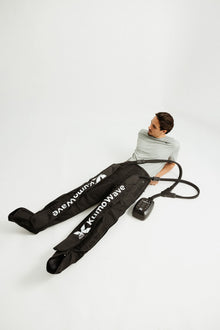
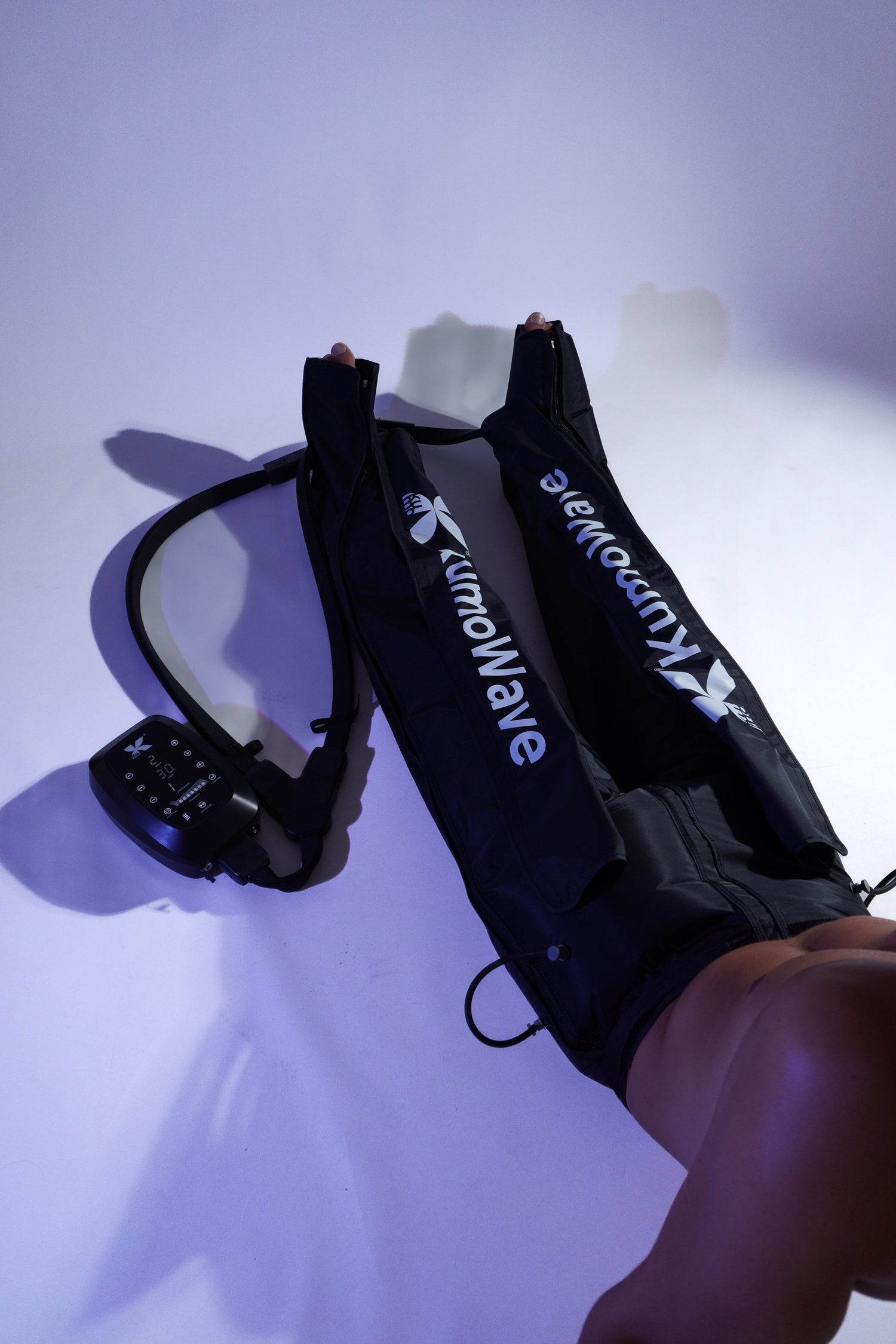
- Compression therapy (boots): can promote venous return and a feeling of lightness in the legs. Use it with low to medium pressure, in 15–30 minute sessions, and avoid it if you have medical contraindications. It does not replace manual lymphatic drainage (MLD), but rather complements it.
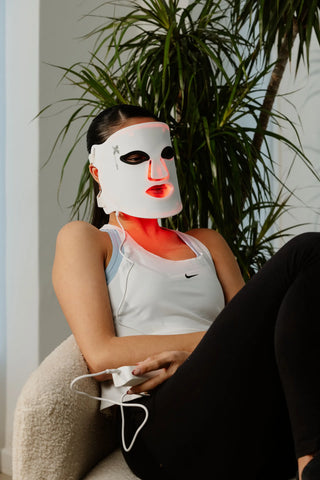
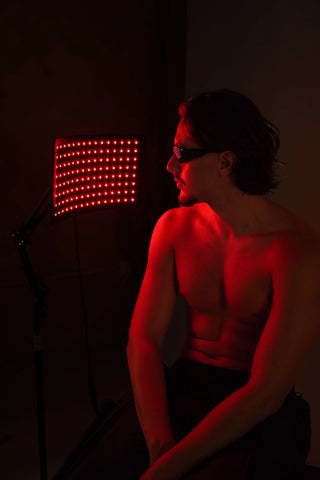
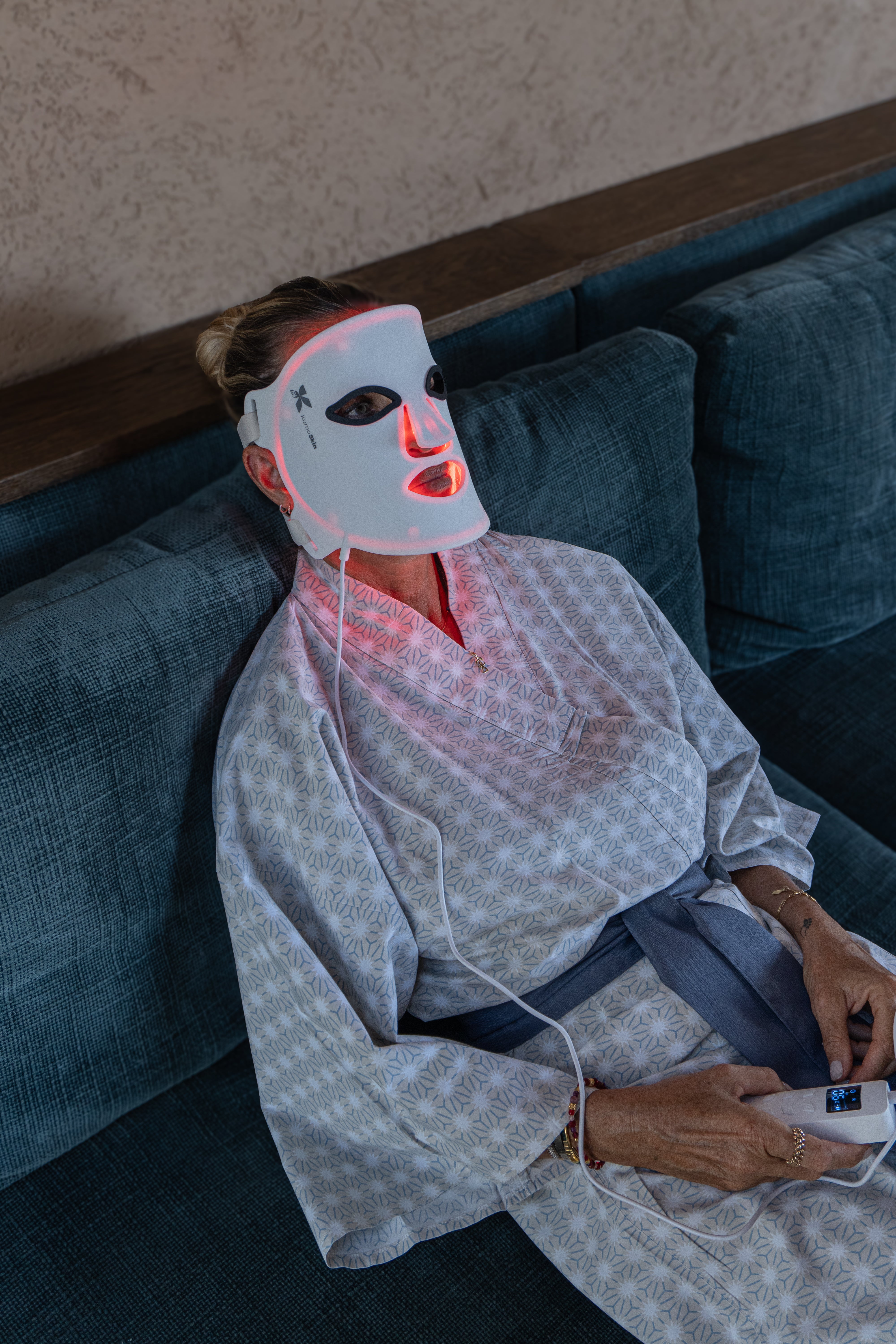
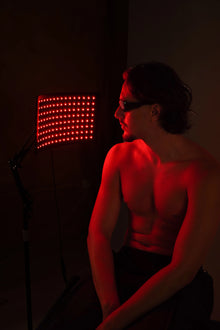
- Red light and LED: useful for relaxation and muscle recovery; they are not lymphatic drainage, but they can reduce tension and make your care routine easier.
- Massage guns: not recommended for edematous areas. If you use them, apply them to adjacent muscles at a low intensity, prioritizing relaxation, not "dissolving" fluid.
To learn more about the clinical approach to drainage and its limitations, see the Cleveland Clinic, the NHS guide, and the 2020 PubMed review.
Example of a 15-minute routine for tired legs
- Diaphragmatic breathing: 1 minute.
- Opening: neck and supraclavicular (30 s), groin (30 s).
- Legs by segments: - Ankles to calves: 3 minutes per leg. - Calf to knee: 2 minutes per leg. - Thigh to groin: 2 minutes per leg.
- Closing: 30 seconds in English and 30 seconds of breathing.
Practical tip: slightly elevate your feet (10–15 cm) at the end to facilitate the return.
Common mistakes you should avoid
- Press hard or fast (this compresses vessels and reduces lymphatic flow).
- Skipping the "opening" of lymph nodes and the neck.
- Work from proximal to distal (the order should be reversed when draining the accumulated fluid).
- Start with very long sessions; progress gradually.
- Ignoring warning signs such as heat, pain, or redness.
Evidence and realistic expectations
The literature suggests that manual lymphatic drainage can provide symptomatic relief and, in some cases, modest volume reductions when integrated into comprehensive management programs (compression, exercise, and skin care) (NHS, Cleveland Clinic). A 2020 review highlighted the heterogeneity of protocols and outcomes in breast cancer-related lymphedema (PubMed) and the historical evidence assessed by Cochrane . Adjust expectations: aim for comfort, lightness, and sustained self-care.
FAQ
How often can I do lymphatic drainage at home?
For general well-being and tired legs, 3–5 weekly sessions of 10–20 minutes per area are usually sufficient. If you're a beginner, try 2–3 times per week and increase as tolerated. Observe your body's response: less is more if you experience fatigue or tenderness. For persistent edema, a history of cancer, or recent surgery, consult a physiotherapist specializing in lymphatic therapy to personalize the frequency, sequence of techniques, and possible combinations with pumping exercises and compression garments.
Is it safe during pregnancy?
In uncomplicated pregnancies, very gentle lymphatic drainage can help relieve heavy legs and mild fluid retention. Even so, consult your healthcare provider before starting, especially in the first trimester, if you have gestational hypertension, preeclampsia, pelvic pain, or any other warning signs. Avoid deep pressure, abdominal areas, and uncomfortable maneuvers. Prioritize leg elevation, hydration, diaphragmatic breathing, and gentle ankle movements. If pain, localized heat, or redness occurs, stop the practice and consult your healthcare provider.
Does lymphatic drainage help with cellulite?
Lymphatic drainage is not a specific treatment for cellulite, but it can temporarily improve the feeling of lightness and appearance by reducing fluid retention and tissue tension. Its effect is usually subtle and temporary; maintaining habits such as hydration, strength training, and skincare helps more in the medium term. For aesthetic goals, integrate lymphatic drainage with a comprehensive lifestyle plan and realistic expectations. Avoid strong pressure: it could irritate the skin and worsen sensitivity.
Are pressotherapy and lymphatic drainage the same thing?
No. Pressotherapy applies sequential pneumatic compression to promote venous return and a feeling of lightness in the legs, while manual lymphatic drainage works the skin with very gentle movements following lymphatic pathways. They can be combined: begin with "opening" and light drainage, and, if there are no contraindications, add pressotherapy at low to moderate pressure in short sessions. In cases of lymphedema or vascular disease, the indication should be individualized by a healthcare professional.
What pressure should I apply with my hands?
Very light: 1–2 out of 10, without digging in your fingers or reddening the skin. Imagine gently stretching the skin in one direction and releasing. The superficial lymphatic system collapses under high pressure, so a slow, gentle pace is more effective than force. If you are unsure, reduce the pressure and prioritize the sequence: opening the lymph nodes, correct direction, and diaphragmatic breathing. If you experience discomfort or pain, stop the session and consult a specialist.
The essentials
- Prepare: diaphragmatic breathing + opening of the neck, armpits and groin.
- Drain from distal to proximal with pressure 1–2/10, slow and repeated movements.
- 10–20 minutes per area, 3–5 days per week; progress according to tolerance.
- Avoid if there is infection, DVT, decompensated heart failure, or a high-risk pregnancy.
- Complement it with hydration, mobility and restorative rest.
- If you're looking to integrate recovery technology into your routine, check out KUMO's offering at kumobalance.com .
KumoWave pressotherapy
Choose your at-home pressotherapy
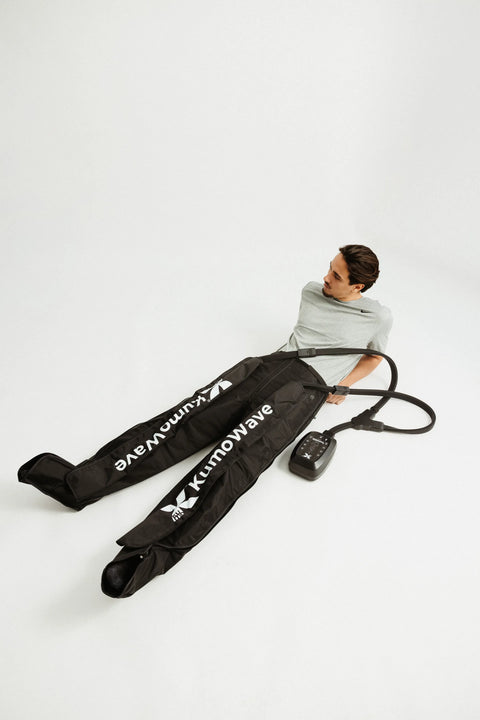
KumoWave Elite – Pressotherapy Pants
Full-coverage trousers. Ideal for lipedema, fluid retention and intensive use.
€799,00 €999,00
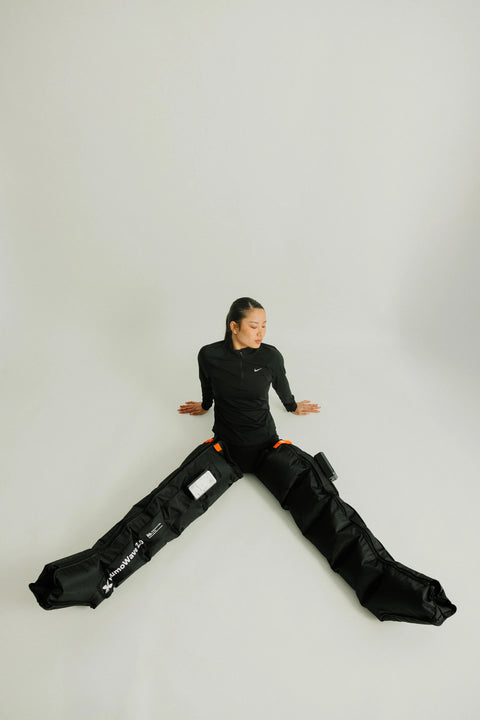
KumoWave 2.0 - Wireless Pressotherapy
Wireless, lightweight boots. Perfect for daily use and recovery.
€499,00 €599,00