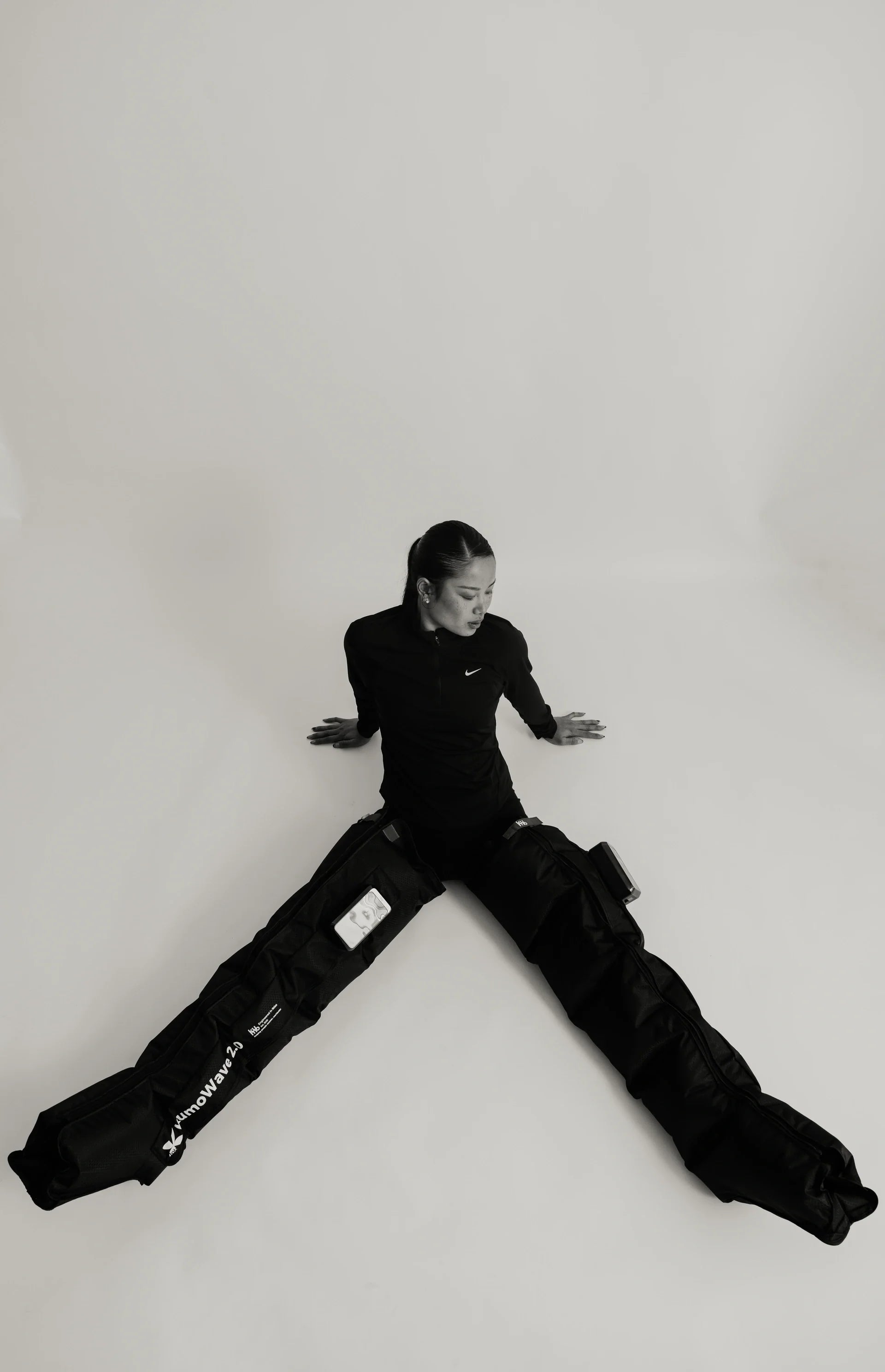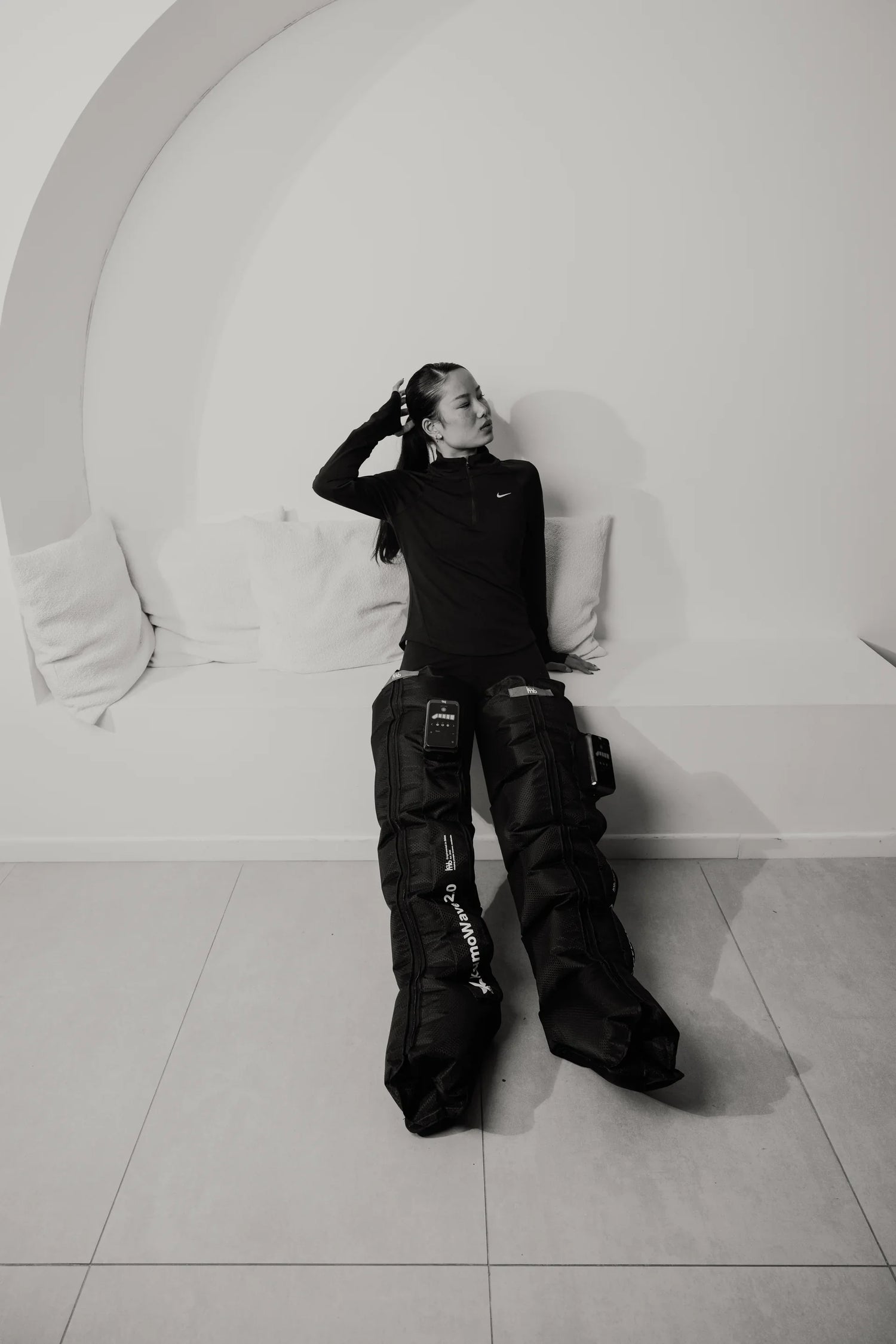
Lymphatic drainage is a gentle technique that aims to mobilize excess fluid and relieve swelling. (my.clevelandclinic.org)
Its real usefulness primarily appears when there is lymphedema, post-surgical edema, or impaired lymphatic return; therefore, it is important to understand when it helps, how it is performed, and what precautions it requires. (cancer.gov)
Pressotherapy at home
End the day with light legs
★★★★★ 4,8/5 · rated by verified customers
KumoWave pressotherapy boosts circulation and helps drain fluid with sequential compression, in 20-minute sessions at home.
- Boosts circulation and helps drain fluid
- Chamber-based compression, adjustable to you
- Sequential compression that mimics manual drainage
€799,00€999,00
−10% on your 1st order when you subscribe to the newsletter

If you're starting from scratch, this guide on what it is and how it works will help you frame the topic before delving into the uses and limitations of the technique.
What is lymphatic drainage and why it works
Manual lymphatic drainage is performed with light pressure and superficial maneuvers, not with deep massage. The logic is simple: the lymphatic system does not have a central pump like the heart, so it relies on muscle movement, compression, and manual maneuvers to move fluid.
Personalized protocol · included with your purchase
Want us to tell you how to use it in your case?
With your purchase, our experts prepare a personalized usage protocol for your case: sport, circulation, fluid retention, pregnancy or lipedema.
Message us on WhatsAppOur experts reply · no obligation
When properly indicated, it is usually integrated into a broader plan and not as an isolated solution. The technique must be adapted to the cause of the swelling, the condition of the skin, and the stage the person is in.
"CDT is the gold standard treatment for stage II lymphedema."
This sentence well summarizes the current approach: manual drainage can be useful, but it usually performs better when it is part of a complete decongestive therapy.
on your first order when you join the newsletter
We send you the code instantly. No spam.
Real benefits of lymphatic drainage
The NCI guide on lymphedema explains that complete decongestive therapy combines manual drainage, compression, exercise, and skin care. In its update of March 6, 2024, the NCI describes it as the gold standard treatment for stage II lymphedema.
In the same review, a small trial with 23 women showed an additional volume reduction with intermittent pneumatic compression versus manual drainage alone (45% vs. 26%). This does not make pressotherapy a universal solution, but it does explain why it can be a useful complement in some plans.
On the face, the facial version can help reduce the feeling of puffiness and give a more rested appearance; on the legs, the goal is usually to reduce heaviness and volume when there is a lymphatic component. If you are interested in this approach, you can broaden the context with the guide on facial lymphatic drainage and the one on leg lymphatic drainage.
Quick summary of benefits and indications
| Situation | Common Goal | What usually accompanies it |
|---|---|---|
| Post-surgical or radiation lymphedema | Reduce edema and improve mobility. | Manual drainage, compression, exercise, and skin care. |
| Heavy legs or swelling with a lymphatic component | Relieve the feeling of heaviness and tissue distension. | Can fit into a supervised compression and movement plan. |
| Puffy face or tired appearance | Decrease the feeling of puffiness and promote a more rested appearance. | The facial version is usually softer and more aesthetic. |
| Maintenance phase after inflammation reduction | Help maintain reduced volume. | Self-massage, compression garments, and exercise. |
Common indications: when it can be useful
- Primary or secondary lymphedema: This is the strongest indication when the lymphatic system does not drain properly and swelling persists.
- Postoperative with lymphatic involvement: It can be part of recovery when there is edema after surgery or oncological treatments, always with professional evaluation. For this context, the guide on postoperative lymphatic drainage helps to understand the appropriate timing and progression.
- Heavy legs, chronic edema, or venous insufficiency: Some clinics use it as support for comfort and mobility when there is retention and a feeling of heaviness.
- Lipedema and discomfort associated with volume: It can help some people relieve pressure and heaviness, although it is not a sole or curative treatment.
- Maintenance phase: After reducing swelling, the goal shifts to sustaining the result with compression, movement, and self-care.
Session development: how it is usually done
The NHS places treatment in two phases: an intensive phase, often daily for several weeks, and a maintenance phase with simple self-massage, compression garments, and exercise.
- First, the cause of the swelling, the condition of the skin, and whether there are signs that require postponing the technique are assessed.
- Then, proximal areas and areas containing lymph nodes are worked with very gentle and rhythmic maneuvers.
- Next, the fluid is moved from the congested area to territories with better drainage, following an anatomical order.
- In many cases, it is recommended to combine it with compression, exercise, or elastic garments to maintain the effect.
- Finally, the tissue response is reviewed and it is decided whether a maintenance phase or a complementary plan is needed.
Manual drainage, pressotherapy, and self-care
Manual drainage usually doesn't stand alone. The NCI and NHS place it alongside bandages, compression garments, exercise, and skin care; in some cases, external pneumatic compression is also used.
If you want to understand how these two are articulated in practice, the guide on lymphatic drainage and pressotherapy explains when they can be combined and when it is advisable to prioritize the clinical plan.
In other words, pressotherapy can be an interesting complement when the goal is to promote fluid return and reduce congestion, but it should not be presented as an automatic substitute for manual work or professionally indicated compression.
Contraindications and precautions
If you are concerned about safety, the guide on contraindications and precautions of lymphatic drainage details the cases in which it should be avoided or postponed.
- Thrombosis or suspected clots: Should not be performed if there is coagulated blood or deep vein thrombosis.
- Active infection or cellulitis: The technique is postponed when there is fever, infection, or an acute inflammatory condition.
- Uncontrolled heart or kidney disease: Medical evaluation is advisable before using it in people with compromised heart or kidneys.
- Skin damaged by radiotherapy or tumor tissue: It is not applied directly to these areas.
- Unclear symptoms: If swelling appears strikingly or has no known cause, it should first be medically evaluated.
FAQ about lymphatic drainage
How many lymphatic drainage sessions are needed to see results?
There is no universal number. In complete decongestive therapy, the NCI describes a daily reduction phase for an average of 15 days, followed by a maintenance phase; the NHS also talks about an intensive phase that can last several weeks. The key is not to count sessions without context, but to see if the problem is lymphatic, if there is associated compression, and if the tissue response improves. In many cases, the plan is adjusted as you go along according to progress.
Does manual lymphatic drainage help reduce leg swelling?
Yes, especially when heaviness and swelling have a lymphatic or mixed component. The NCI and Cleveland Clinic place it within the approach to edema and lymphedema, but the benefit is usually greater if accompanied by compression, exercise, and skin care. If the actual cause is not lymphatic, the effect may be limited. Therefore, for heavy legs, it is important to assess the origin of the problem and not assume that all retention is treated the same.
Can lymphatic drainage be done after surgery?
In some cases, yes, but the timing depends on the type of surgery, the condition of the wound, and whether there are risks of thrombosis or infection. The NCI includes manual drainage within cancer-related lymphedema treatment and reports studies in which decongestive therapy was initiated between 7 and 10 days after gynecological surgery, with better volume results compared to control. This does not mean it applies to all post-operative cases: the timing must be individualized.
What is the difference between normal massage and lymphatic drainage?
The main difference lies in the intention and intensity. Lymphatic drainage uses light pressure, superficial movements, and a path designed to facilitate lymph movement; a conventional massage usually seeks muscle relaxation and can be much deeper. Cleveland Clinic insists that it is not a strong massage and that, when properly indicated, it works on specific areas to mobilize fluid. This technical precision is what distinguishes it from typical relaxing massage.
What sensations are normal during a session?
The most common sensations are very gentle pressure, a feeling of slow rhythm, and for many people, relaxation. In general, it should not hurt or feel like an aggressive massage. Cleveland Clinic also indicates that, in some cases, transient effects such as fatigue, headache, or nausea may appear; if this occurs, it should be discussed with the professional who performed the session. The response is individual, so the goal is always to adjust the technique, not force it.
What now?
If you want to continue learning and see how this technique fits into a more complete recovery, start by visiting the Kumo Balance homepage and apply what you've read to your specific case with good judgment and professional supervision.
KumoWave pressotherapy
Choose your at-home pressotherapy
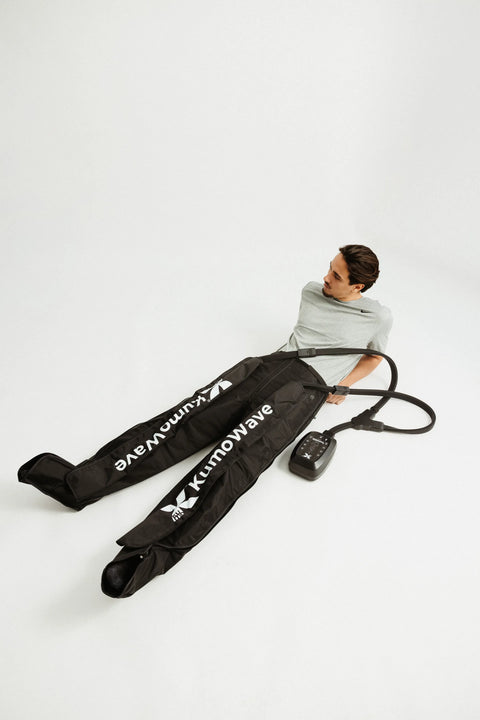
KumoWave Elite – Pressotherapy Pants
Full-coverage trousers. Ideal for lipedema, fluid retention and intensive use.
€799,00 €999,00

KumoWave 2.0 - Wireless Pressotherapy
Wireless, lightweight boots. Perfect for daily use and recovery.
€499,00 €599,00