
Yes, fibrous cellulite can improve. It is often perceived as a more pronounced form of cellulite, with dimples and irregular areas related to fibrous septa pulling on the skin; that's why it often looks more compact and persistent. (pubmed.ncbi.nlm.nih.gov)
In practice, many people use this name to describe more severe cellulite, and its presence does not depend solely on weight, as genetics, hormones, age, and fat distribution also play a role. (mayoclinic.org)
Pressotherapy at home
End the day with light legs
★★★★★ 4,8/5 · rated by verified customers
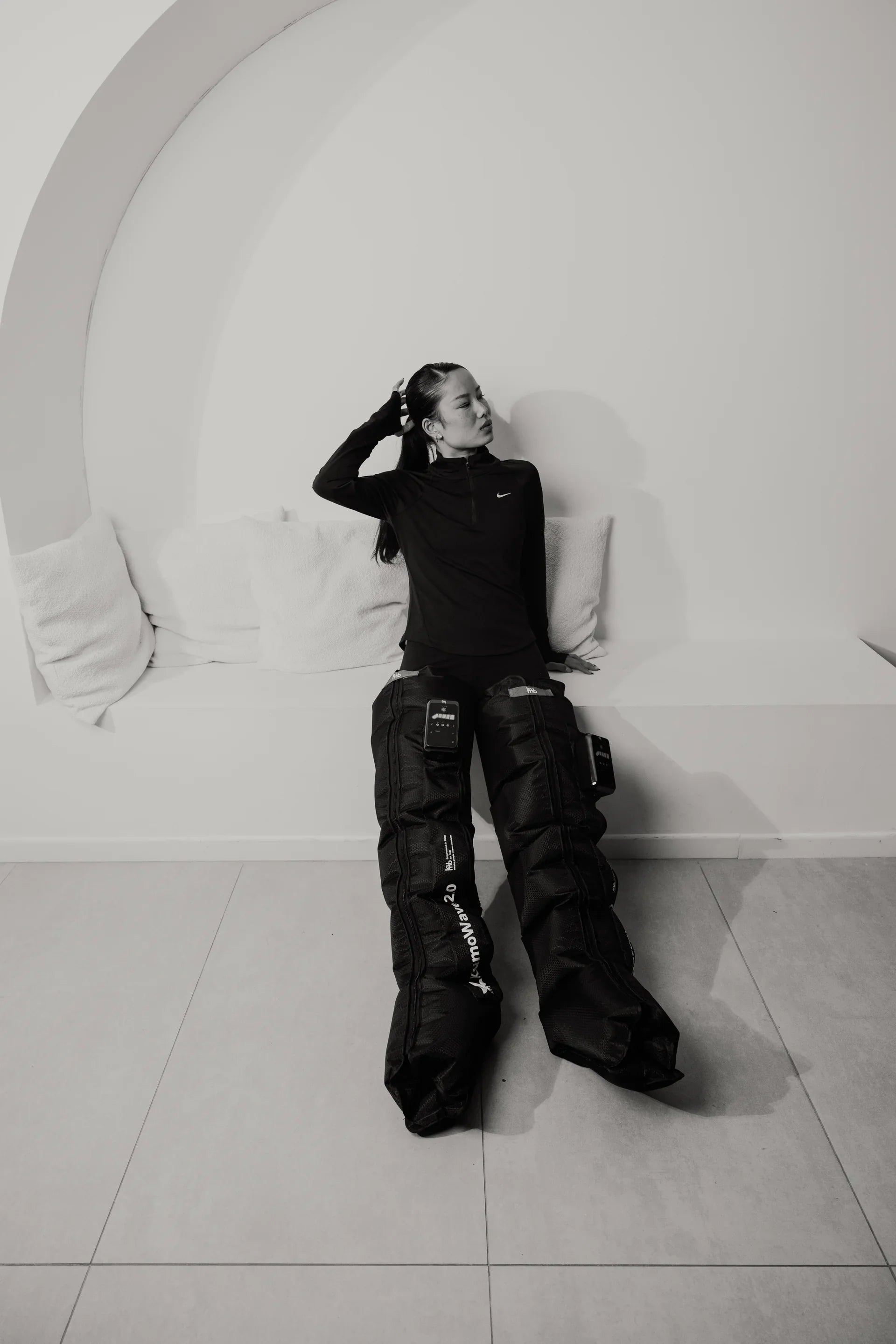
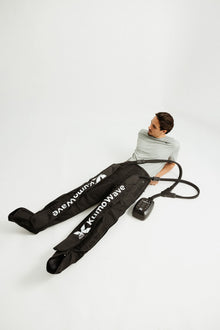
KumoWave pressotherapy boosts circulation and helps drain fluid with sequential compression, in 20-minute sessions at home.
- Boosts circulation and helps drain fluid
- Chamber-based compression, adjustable to you
- Sequential compression that mimics manual drainage
€799,00€999,00
−10% on your 1st order when you subscribe to the newsletter

The important thing is to combine habits, treatment, and patience: improvement is usually gradual, not magical.
What is fibrous cellulite?
When fibrous septa pull on the dermis while fat pushes from below, the relief becomes irregular. That's why many people describe this variant as "hard" or "fibrous." From a medical point of view, what is best studied is cellulite and its degree of severity, rather than an isolated label. (pubmed.ncbi.nlm.nih.gov)
To place it within the general landscape, you may find helpful the article "Cellulite: causes, types, and effective solutions" and the guide to understand what degree of cellulite you have.
Personalized protocol · included with your purchase
Want us to tell you how to use it in your case?
With your purchase, our experts prepare a personalized usage protocol for your case: sport, circulation, fluid retention, pregnancy or lipedema.
Message us on WhatsAppOur experts reply · no obligation
Why it appears and who can have it
Cellulite is very common: Mayo Clinic describes it as a very common and benign condition, and Cleveland Clinic notes that between 80% and 90% of post-pubertal women have it; in men, it is much less frequent. It can also appear in thin or active people.
Most influential factors
- Genetics play a large role in who develops it and how fat is distributed.
- Hormones play an important role, which is why it usually becomes more visible after puberty.
- Age and loss of skin elasticity make dimples more noticeable.
- Weight can make it more visible, but it is not the only cause, and thin people can also have it.
- Muscle mass and general tissue tone influence its appearance, although they do not eliminate it on their own.
If you also notice pain, symmetrical swelling in the legs, or easy bruising, don't attribute it all to aesthetic cellulite: Cleveland Clinic reminds us that lipedema is another distinct condition, with a different fat distribution. (my.clevelandclinic.org)
To compare them better, review "Cellulite and lipedema are not the same."
on your first order when you join the newsletter
We send you the code instantly. No spam.
How to identify it and assess its severity
Cellulite often looks like skin with dimples, irregular relief, or sunken and raised areas. In clinical scales, severity usually ranges from 0 to 3, from no cellulite to a surface with more pronounced peaks and valleys. (my.clevelandclinic.org)
Quick severity table
| Grade | How it looks | What it usually means |
|---|---|---|
| 0 | No cellulite visible even when pinching or at rest. | The skin surface looks uniform. |
| 1 | Dimples appear mainly when pinching the skin or changing posture. | Usually corresponds to a mild form. |
| 2 | Dimples are more easily observed when standing or sitting. | It is already more visible and usually requires consistent treatment. |
| 3 | There are deep depressions and reliefs with very clear peaks and valleys. | It is the most pronounced form and usually requires a more comprehensive plan. |
If you want to refine your visual reading, you may find helpful the guide to treating fibrous cellulite at home and the comparison between anti-cellulite massage and pressotherapy.
How to treat fibrous cellulite without surgery
Current evidence does not offer a definitive cure, but it does offer a stepped approach. A 2023 clinical review proposes a healthy diet, hydration, and exercise for mild cellulite; non-invasive technologies such as radiofrequency, laser, and ultrasound for moderate cellulite; and subcision or injectables for severe cellulite.
What makes sense to start doing
- Prioritize strength exercise and regular movement: Mayo Clinic and Cleveland Clinic indicate that they can improve appearance by increasing muscle mass and blood flow, although changes take time.
- Take care of nutrition and hydration, because in mild cellulite they form part of the basic recommendations from the 2023 review.
- Use topical products with realistic expectations: the AAD explains that a cream with 0.3% retinol can help thicken the skin, but it usually needs at least six months. (aad.org)
- Don't expect miracles from quick fixes: dry brushing and rollers or massage devices have not been shown to improve the appearance of cellulite long-term.
If you want to turn this into a more organized home routine, you can follow this guide to treating fibrous cellulite at home.
Massage can provide a temporary feeling of drainage or well-being, but the Cleveland Clinic warns that manual massage devices, foam rollers, and anti-cellulite rollers have not shown a lasting benefit for cellulite.
If you are interested in comparing this approach with other home options, the difference is well explained in anti-cellulite massage versus pressotherapy.
Medical treatments and procedures
When cellulite is moderate or severe, approaches with the best support include radiofrequency, laser, ultrasound, and, in more pronounced cases, subcision or techniques that release fibrous septa. The 2023 review positions radiofrequency as the non-invasive technology with the best efficacy within the reviewed literature, and the 2020 review highlights the central role of fibrous septa in skin texture.
This has biological logic: if the main problem lies in the septa that pull on the skin, treatments that release or remodel these septa usually make more sense than those that only act on the surface. In a 2022 trial, enzymatic septa release significantly improved the appearance of moderate or severe gluteal cellulite compared to placebo, although bruising and local pain were frequent adverse effects. (pubmed.ncbi.nlm.nih.gov)
Therefore, the most realistic results are usually partial and progressive, not instantaneous or identical for everyone. If you want to compare what is usually done in consultation with what can be done at home, the guide to in-office vs. at-home cellulite treatments will help you.
When to seek assessment
If the area hurts, swells symmetrically, or bruises easily, don't attribute it all to aesthetic cellulite: Cleveland Clinic reminds us that lipedema is another distinct condition, with a different fat distribution.
It is also advisable to talk to a dermatologist if you want to evaluate procedures or if a cream irritates you; Cleveland Clinic recommends consulting when you are interested in exploring treatment options.
Frequently asked questions
What is fibrous cellulite and what are its causes?
Fibrous cellulite is a more pronounced form of cellulite, where fibrous septa pull on the skin, making the surface appear with deeper dimples. Its causes are not unique: genetics, hormones, age, skin elasticity, and fat distribution are involved. It is also more common after puberty and can appear even in thin people.
How to treat fibrous cellulite without surgery?
The most sensible approach is to combine habits and consistency. For mild cellulite, a 2023 review recommends a healthy diet, hydration, and exercise; additionally, the AAD indicates that retinol can help thicken the skin over time. Massage can be used as a wellness supplement, but rollers and dry brushing have not shown lasting improvement. If the relief is more pronounced, medical options usually need to be considered.
What are the best treatments for hard fibrous cellulite?
It depends on the degree. For moderate cases, the 2023 clinical review highlights radiofrequency, laser, and ultrasound; for severe cases, it proposes subcision or minimally invasive treatments. When the fibrous component is very clear, techniques that release the septa usually make more sense than those that only act on the surface. Even so, the results are usually partial and require several sessions or follow-up.
Does fibrous cellulite only appear in overweight people?
No. Mayo Clinic and Cleveland Clinic indicate that many thin or fit people also have it. Weight can make it more visible, but it does not solely explain why it appears. Genetics, hormones, age, and tissue structure are very important factors. Therefore, seeing cellulite does not automatically mean there is excess weight, nor vice versa.
How to differentiate fibrous cellulite from other types of cellulite?
Fibrous cellulite usually looks more compact and with deeper dimples, while milder forms appear mainly when pinching the skin or sitting down. The best practical reference is the degree of severity: the deeper and more constant the reliefs, the more pronounced the texture usually is. If there is also pain, symmetrical swelling, or a tendency to bruise, it is advisable to think about lipedema and not assume that everything is aesthetic cellulite.
What now?
If you want to move from theory to a clear routine, start with the guide to treating fibrous cellulite at home, compare approaches in in-office vs. at-home treatments, and come back to Kumo Balance when you want to continue exploring solutions designed for recovery and well-being.
KumoWave pressotherapy
Choose your at-home pressotherapy
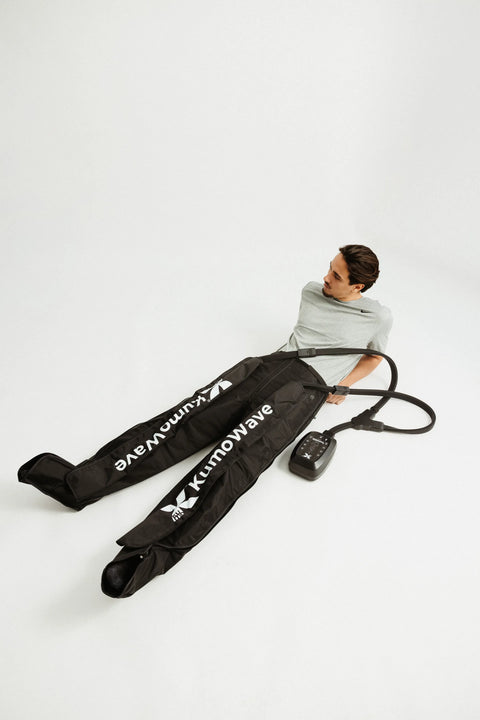
KumoWave Elite – Pressotherapy Pants
Full-coverage trousers. Ideal for lipedema, fluid retention and intensive use.
€799,00 €999,00
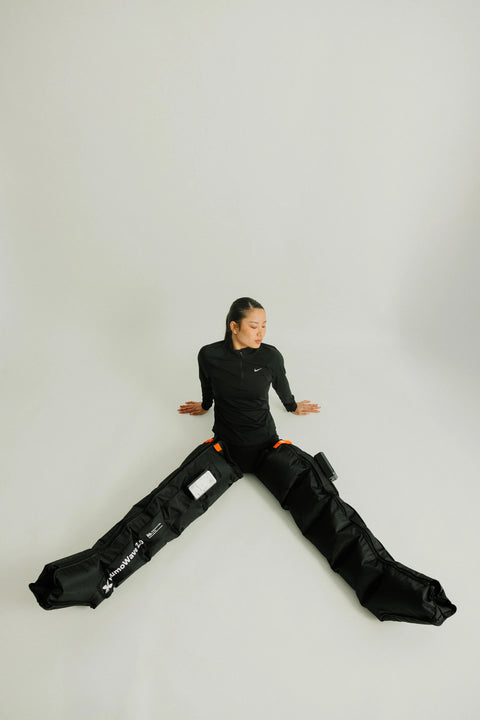
KumoWave 2.0 - Wireless Pressotherapy
Wireless, lightweight boots. Perfect for daily use and recovery.
€499,00 €599,00