
Cellulite on the thighs can be attenuated. We are not talking about a serious problem, but a very common aesthetic alteration that makes the skin appear dimpled or orange-peel-like, even in very fit individuals. Mayo Clinic's explanation of causes and common areas reminds us that it mainly appears on the thighs, hips, and buttocks, and can also be noticeable on slender bodies.
There is no miracle solution, but there is a useful strategy: gaining muscle tone, reducing fluid retention, and choosing treatments with realistic expectations. Scientific reviews agree that cellulite is common, benign, and difficult to treat permanently, so the most sensible goal is to gradually improve its appearance. (pubmed.ncbi.nlm.nih.gov)
Pressotherapy at home
End the day with light legs
★★★★★ 4,8/5 · rated by verified customers
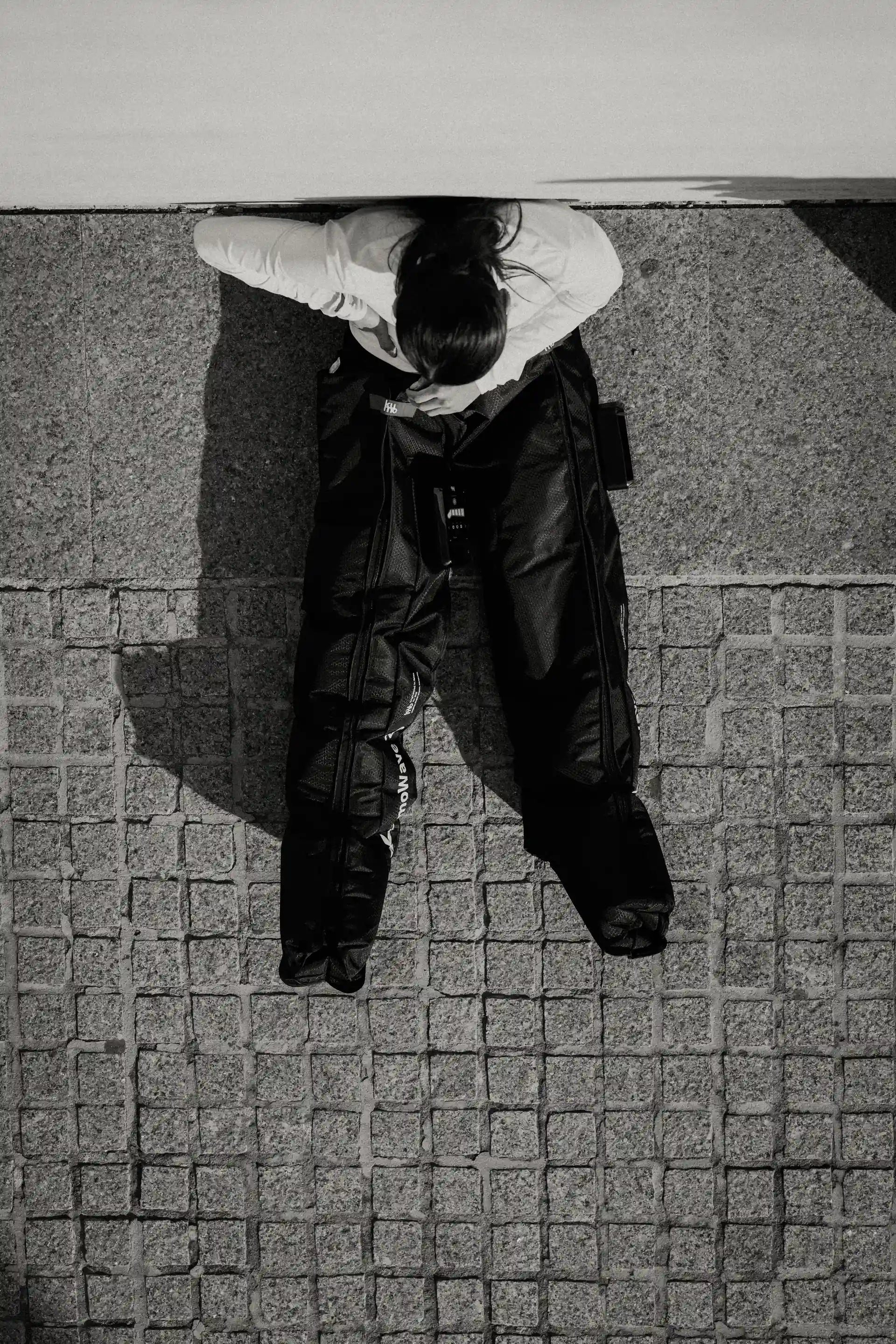
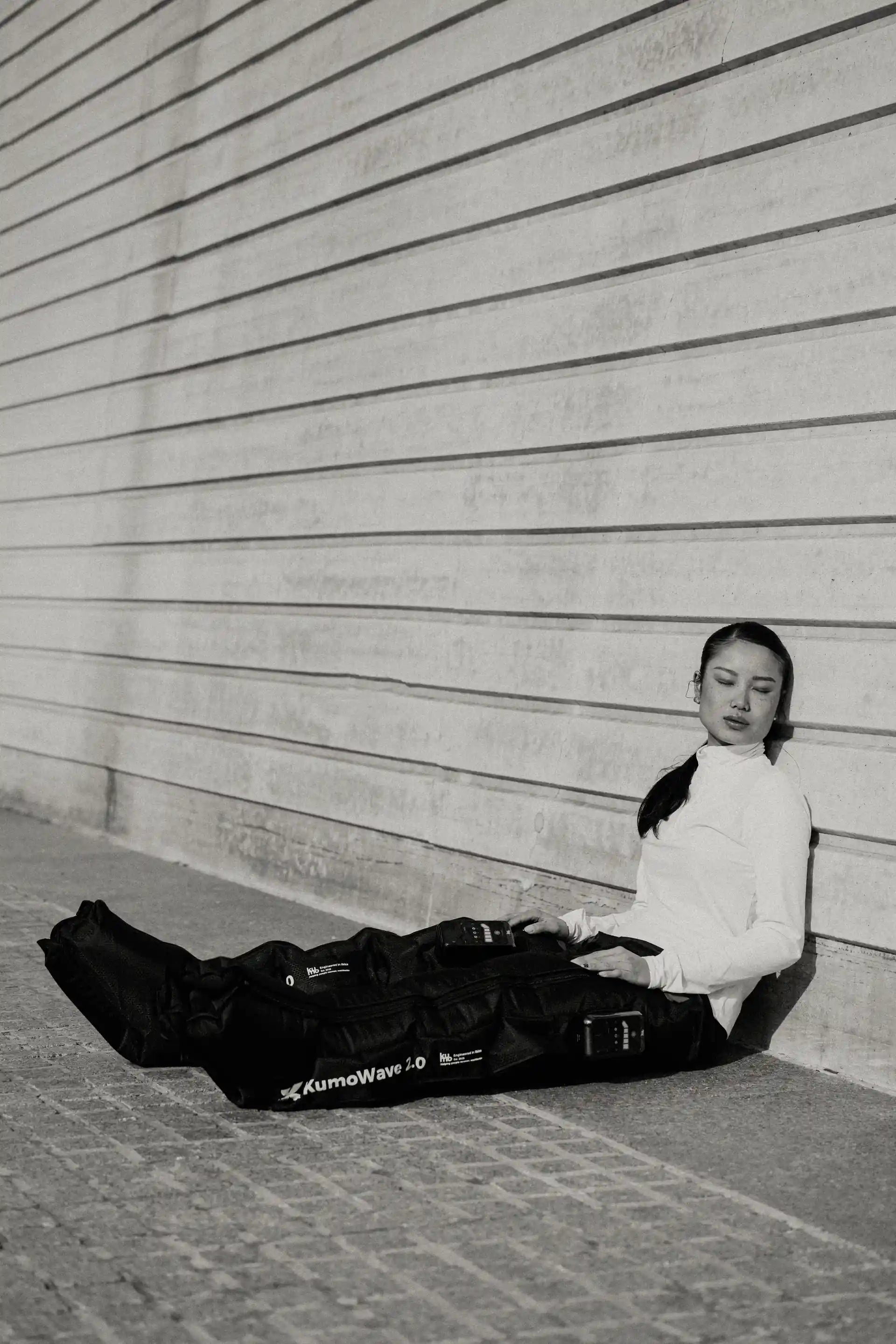
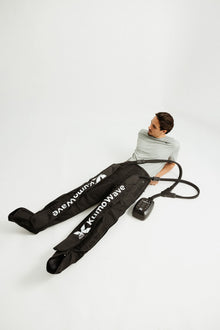
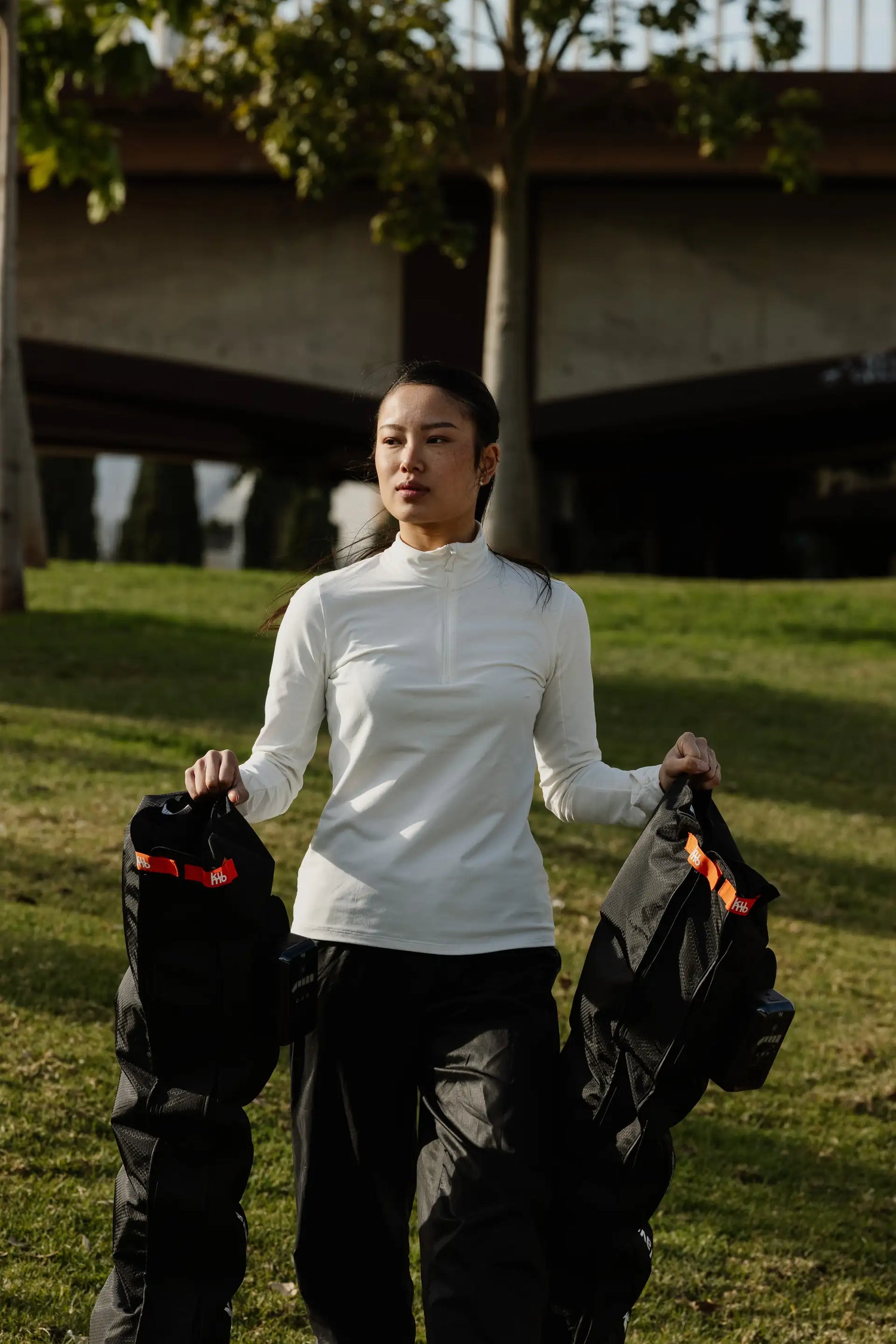
KumoWave pressotherapy boosts circulation and helps drain fluid with sequential compression, in 20-minute sessions at home.
- Boosts circulation and helps drain fluid
- Chamber-based compression, adjustable to you
- Sequential compression that mimics manual drainage
€799,00€999,00
−10% on your 1st order when you subscribe to the newsletter

What is cellulite and why is it so noticeable on the thighs?
Physiologically, cellulite is not simply "fat" or a hygiene problem. It is usually related to fibrous septa that pull on the skin, subcutaneous fat, hormonal factors, genetics, and changes in skin elasticity. That's why it can be more noticeable when the skin loses firmness or when there are changes in leg volume.
It is often seen on the thighs because it is an area where cellulite tends to concentrate in regions rich in adipose tissue, such as thighs, buttocks, and abdomen. If your case focuses on the inner thigh, you can find more details in cellulite on inner thighs: why it's the most resistant and how to improve its appearance. (pubmed.ncbi.nlm.nih.gov)
Personalized protocol · included with your purchase
Want us to tell you how to use it in your case?
With your purchase, our experts prepare a personalized usage protocol for your case: sport, circulation, fluid retention, pregnancy or lipedema.
Message us on WhatsAppOur experts reply · no obligation
Routine to attenuate it: the 4 most helpful pillars
The best routine combines training, anti-retention diet, and realistic cosmetic care. A 2023 clinical review on cellulite points out that mild cellulite mainly benefits from a healthy diet, hydration, and exercise, and that topical treatments work more as a complement.
1. Strength training and movement
The goal is not to "burn" a specific area, because localized reduction does not exist, but to build muscle and improve body composition. The AAD explains that more muscle makes the skin look smoother and firmer, and that replacing fat with muscle can make cellulite less visible. (aad.org)
- Do squats, lunges, and step-ups to activate quadriceps and glutes with a clear strength stimulus.
- Include Romanian deadlifts and glute bridges to work the posterior chain and provide more visual support to the thighs.
- Add brisk walking, cycling, or elliptical training to move your body more without overstressing your joints.
If you want a more guided approach, this guide on cellulite and exercise explains which exercises truly reduce it, and this complete at-home anti-cellulite routine with pressotherapy and key habits helps you integrate the plan into your daily life.
on your first order when you join the newsletter
We send you the code instantly. No spam.
2. Diet and fluid retention
There is no diet that erases cellulite, but there are patterns that promote less swollen skin. Mayo Clinic recommends eating healthy, reducing salt, and exercising to manage fluid retention; in addition, sodium promotes water accumulation in the body. (mayoclinic.org)
- Prioritize protein at each meal to help maintain muscle mass while improving body composition.
- Fill half your plate with vegetables and add fruit to increase fiber, micronutrients, and satiety with fewer calories. (heart.org)
- Drink water regularly, because good hydration helps maintain a more balanced body environment.
- Reduce processed meats, salty snacks, instant soups, and ultra-processed foods, which often contain a lot of sodium. (heart.org)
If you want to see concrete ideas for eating better, you can refer to natural diuretic foods, always keeping in mind fluid retention and not a miracle cure.
3. Cosmetic care with realistic expectations
Creams can help a little, but they don't work miracles. The AAD indicates that some lotions with caffeine or 0.3% retinol can make cellulite less noticeable, although the effect is modest, requires daily application, and may take 6 months or more; it also advises testing the product on a small area before using it.
Therefore, a cream should be the last step of the routine, not the center of the plan. And it's advisable to avoid exaggerated promises: the AAD also points out that there is no evidence that anti-cellulite supplements actually work. The AAD's guide to treatments with the best support summarizes which options have a more solid basis.
4. Massage, pressotherapy, and compression: support, not miracle
If you also notice heavy legs or swelling, compression and massage techniques can fit very well as a complement. Mayo Clinic explains that compression, movement, elevating the leg, and massage help move fluid in edema, and the AAD reminds us that deep massage treatments for cellulite usually provide temporary results. (mayoclinic.org)
That's where many people fit in a home routine of pressotherapy and self-massage. To compare approaches, you have anti-cellulite massage vs. pressotherapy and, if you want to review the scientific basis, the benefits of pressotherapy: what science says.
Weekly routine in a table
This outline is a realistic basis to start without obsessing over perfection. The idea is to accumulate small actions that, together, reduce the appearance of orange-peel skin and the feeling of heavy legs.
| Time | What to do | What it's for |
|---|---|---|
| Monday, Wednesday, and Friday | Leg and glute strength training with squats, lunges, and glute bridges. | More muscle and visually firmer skin. |
| Tuesday and Thursday | Brisk walking, cycling, or elliptical for 20 to 40 minutes. | Better body composition and more overall movement. |
| Every day | Protein, vegetables, fruit, water, and less salt in ultra-processed foods. | Less retention and less visible swelling. |
| End of the day | Gentle massage or pressotherapy if you feel heaviness in your legs. | Temporary support for drainage and relief of the feeling of swelling. |
What results can you expect?
Cellulite is difficult to treat and no option eliminates it completely and permanently. Scientific reviews indicate that improvements are usually partial, and a 2025 systematic review identified 24 randomized trials with 2,084 patients and a short average follow-up of about 3.3 weeks, which helps to understand why the evidence remains limited. The 2025 systematic review reinforces the idea that it is not advisable to expect quick or definitive changes. (pubmed.ncbi.nlm.nih.gov)
In practice, it is most reasonable to think of a maintenance routine: less swelling, slightly firmer skin, and a more uniform texture over time, as long as you combine consistency and realistic expectations. If you are looking for a "faster" horizon, visible improvement usually depends on the sum of small changes, not a single technique.
Frequently asked questions about cellulite on the thighs
How to eliminate cellulite from the thighs with exercise and diet?
It usually doesn't disappear 100%, but it can be significantly attenuated. The most useful approach is to combine strength training for the legs and glutes with moderate cardio, sufficient protein, fruits and vegetables, less salt, and fewer ultra-processed foods. Cellulite improves mainly when muscle tone increases and swelling decreases, not when you follow extreme diets. A 2023 clinical review indicates that mild cellulite is best addressed with a healthy diet, hydration, and exercise.
What exercise routine works for cellulite on the thighs?
The most logical combination is strength + movement. Squats, lunges, Romanian deadlifts, glute bridges, brisk walking, cycling, and elliptical training help improve tone and body composition. The AAD explains that more muscle makes the skin look smoother and that replacing fat with muscle can make cellulite less visible. If you can maintain a regular frequency for several weeks, the routine will be more helpful than doing isolated, intense sessions occasionally.
Does anti-cellulite cream really work for orange peel skin on the thighs?
It can help a little, but the effect is usually modest. The AAD indicates that some creams with caffeine or 0.3% retinol can make cellulite less evident, although the result is temporary and requires daily use for months. In addition, it recommends testing the product on a small area before applying it to the entire leg. Think of cream as a complement, not the main part of the routine.
What foods can worsen cellulite on the thighs and which ones are beneficial?
Very salty foods and ultra-processed foods can promote fluid retention and make the skin look more swollen, although they don't "create" cellulite on their own. It is advisable to prioritize protein, fruits, vegetables, water, and home-cooked meals with less sodium. Mayo Clinic reminds us that reducing salt helps manage fluid retention, and the American Heart Association emphasizes that sodium affects the body's fluid balance.
How long does it take for cellulite on the thighs to diminish with home treatments and lifestyle changes?
There is no fixed timeframe. With consistency, some people notice less heaviness or swelling sooner than a drastic change in texture. Visible changes are usually gradual and depend on the starting point, how long you have been training, and your diet. In the case of creams, the AAD indicates that retinol may take 6 months or more. Furthermore, reviews of treatments remind us that many studies have short follow-ups and temporary results.
What now?
If you want to move from theory to practice, start with this complete at-home anti-cellulite routine with pressotherapy and key habits, and if you're looking for the brand's starting point, explore the Kumo Balance homepage to integrate a more complete recovery routine into your daily life.
KumoWave pressotherapy
Choose your at-home pressotherapy
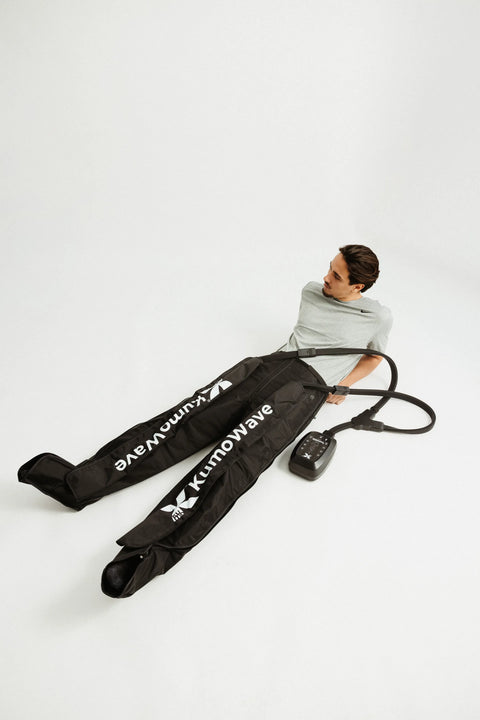
KumoWave Elite – Pressotherapy Pants
Full-coverage trousers. Ideal for lipedema, fluid retention and intensive use.
€799,00 €999,00
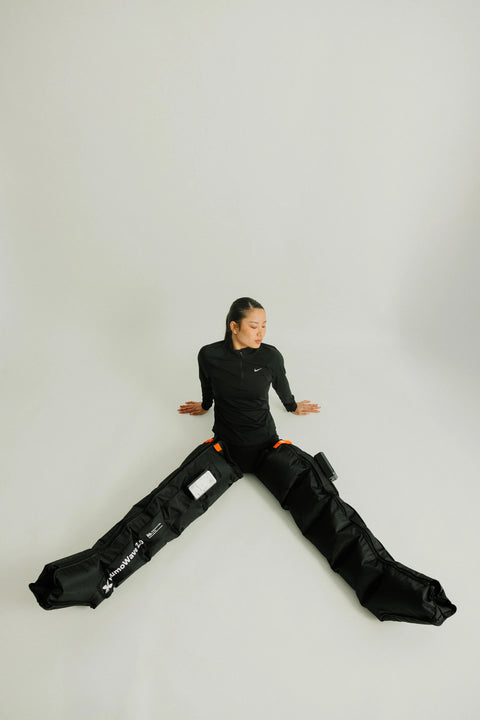
KumoWave 2.0 - Wireless Pressotherapy
Wireless, lightweight boots. Perfect for daily use and recovery.
€499,00 €599,00