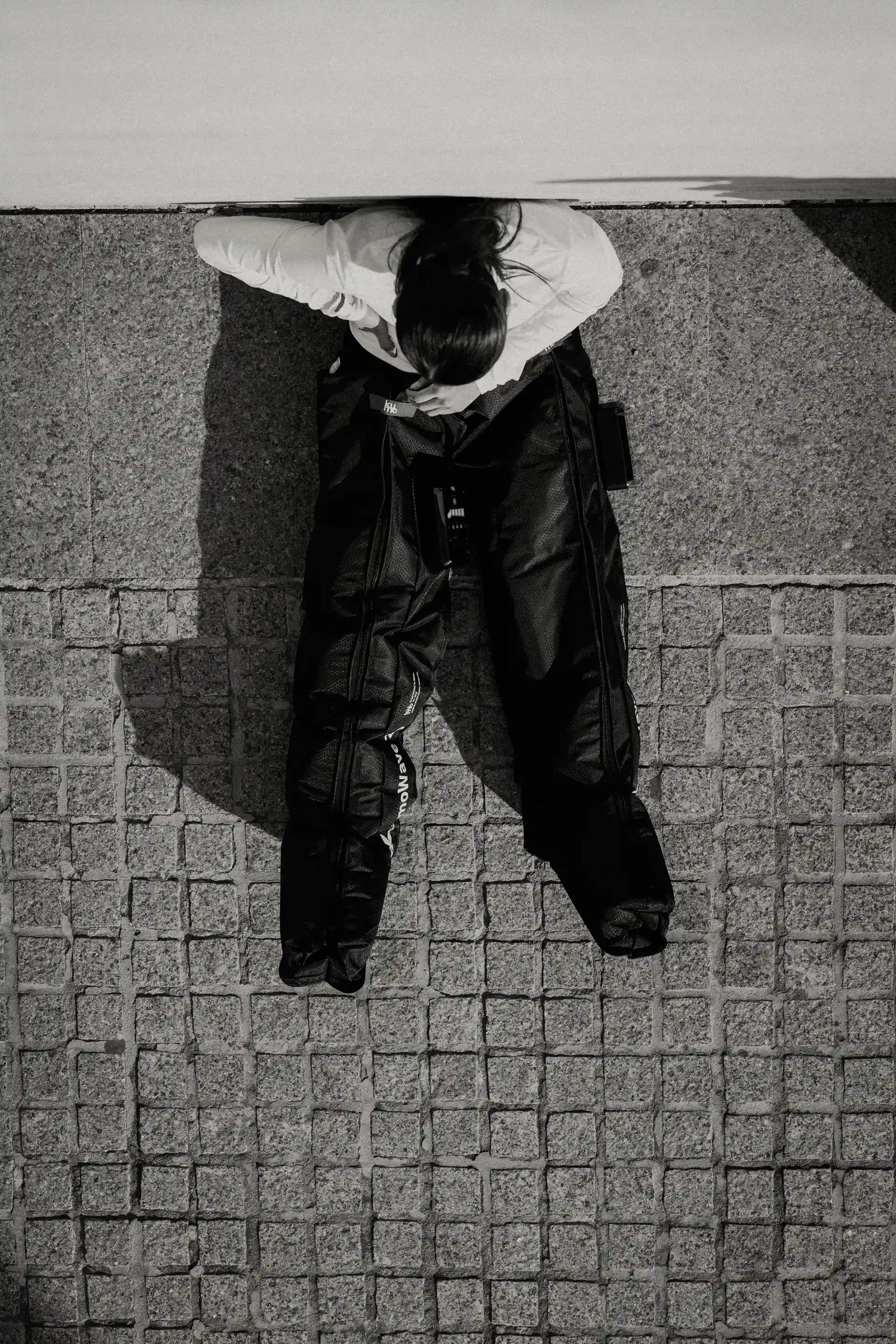
Postpartum cellulite is very common. It doesn't mean you've done anything wrong or that your recovery is going poorly; Mayo Clinic describes it as a frequent and harmless alteration, and Cleveland Clinic reminds us that it mainly affects women due to the structure of the tissue under the skin.
After pregnancy, fluid retention, weight changes, and hormonal recovery can make the orange peel texture more noticeable for a while. MedlinePlus and Cleveland Clinic point out that swelling in the legs and feet is common postpartum, and JAMA estimated in 2016 that postpartum weight retention affects about 25% of women who give birth in the U.S. (my.clevelandclinic.org)
Pressotherapy at home
End the day with light legs
★★★★★ 4,8/5 · rated by verified customers
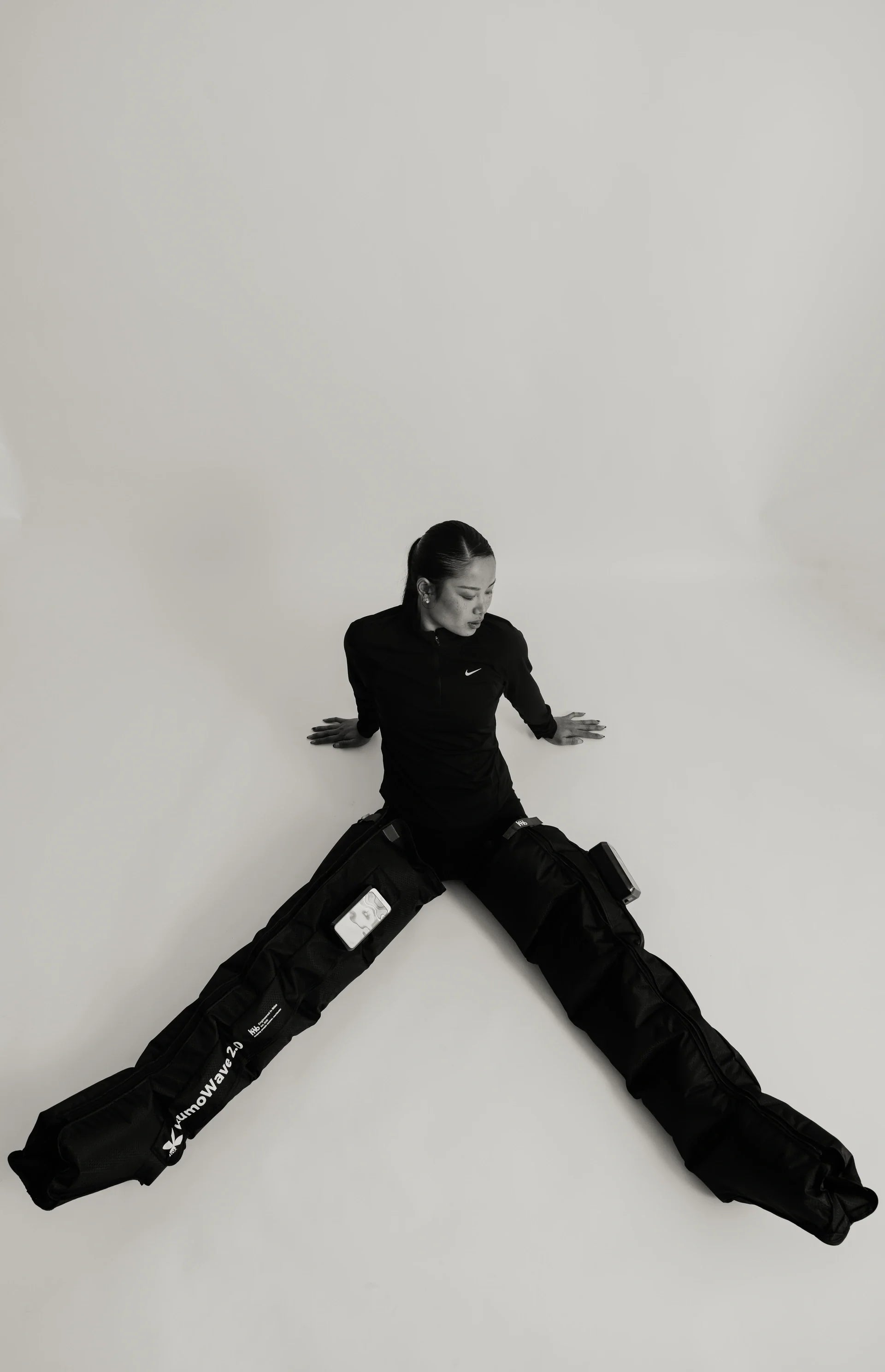
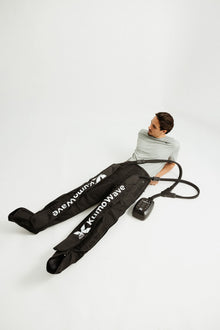
KumoWave pressotherapy boosts circulation and helps drain fluid with sequential compression, in 20-minute sessions at home.
- Boosts circulation and helps drain fluid
- Chamber-based compression, adjustable to you
- Sequential compression that mimics manual drainage
€799,00€999,00
−10% on your 1st order when you subscribe to the newsletter

Why it's more noticeable after pregnancy
Cellulite appears when fat pushes up and fibrous cords pull down, creating an uneven surface. If you want to understand the anatomical basis, cellulite: causes, types, and solutions that work explains it in more detail. Mayo Clinic describes it as a common and harmless condition, and Cleveland Clinic adds that estrogens and the structure of connective tissue influence its appearance.
During pregnancy and postpartum, body volume changes rapidly. Weight gain can make cellulite more visible, although it also appears in thin people. After childbirth, the body eliminates excess fluid in the following days, so some of the swelling is temporary.
Personalized protocol · included with your purchase
Want us to tell you how to use it in your case?
With your purchase, our experts prepare a personalized usage protocol for your case: sport, circulation, fluid retention, pregnancy or lipedema.
Message us on WhatsAppOur experts reply · no obligation
When combined with postpartum weight retention, the appearance may take longer to improve. In the JAMA study on postpartum weight retention, an estimated 25% of American women retained 10 pounds (4.5 kg) or more between 6 and 12 months after delivery. That is not synonymous with cellulite, but it can make it more visible. (jamanetwork.com)
What can actually help improve its appearance
There is no universal solution, but there are strategies that reduce its appearance. Mayo Clinic, in its treatment guide, explains that exercise, weight loss if there is excess fat, and some medical treatments can help, although the change is usually partial and not immediate. (mayoclinic.org)
Habits that make the biggest difference
- Regular movement, walking, and strength training can help increase muscle mass and circulation, which improves the appearance of cellulite over time. If you want adapted training ideas, cellulite and exercise: which exercises really reduce it will help you choose routines better.
- Maintaining a stable weight usually makes orange peel skin less visible, although it doesn't eliminate it completely. Mayo Clinic points out that losing weight if there is excess weight and toning muscles can improve its appearance.
- Giving your body time also matters: inflammation and excess fluid can take time to subside, and some visible treatments need weeks or months to show changes.
Treatments and products: what needs to be clarified
The AAD guide to cellulite treatments notes that creams with caffeine can make it less visible temporarily and that 0.3% retinol can thicken the skin with continuous use; Mayo Clinic News Network, on the other hand, reminds us that no over-the-counter product has been shown to resolve cellulite and that dry brushing, massage, and body wraps do not work as a treatment. (aad.org)
on your first order when you join the newsletter
We send you the code instantly. No spam.
In a clinical setting, radiofrequency, acoustic waves, subcision, and some laser combinations can reduce dimpling in certain cases, but they usually require several sessions, and the results do not always last long. If you want to compare home and professional approaches, cellulite treatment: in-office or at home can help you manage expectations.
What usually helps, what lasts less, and what not to expect
| Option | What it can provide | What to expect in practice |
|---|---|---|
| Exercise and strength training | Improve circulation, muscle tone, and overall skin appearance. | Changes usually take weeks or months and do not completely erase cellulite. |
| Creams with caffeine or retinol | May make it modestly and temporarily less visible. | Consistency matters, and retinol can take months to show results. |
| Dry brushing and massages | Can leave skin feeling smoother or "plumper" for a while. | There is no evidence that they reduce cellulite long-term. |
| Radiofrequency, acoustic waves, and subcision | Can improve contour in selected individuals. | Require professional evaluation and often multiple sessions. |
| Liposuction alone | Used to remove localized fat, not to treat cellulite. | Can even make dimpling more evident. |
A realistic postpartum routine to smooth orange peel skin
- Prioritize general recovery during the first few weeks. Mayo Clinic explains that postpartum doesn't end when you leave the hospital and that full recovery usually takes between 6 and 12 weeks; MedlinePlus reminds us that swelling in the legs and feet and the loss of excess fluids are common at first. (mayoclinic.org)
- Return to movement gradually, with walks, gentle strength training, and exercises that are sustainable for you. Mayo Clinic recommends activities that tone muscles and promote circulation and lymphatic drainage, such as walking, yoga, pilates, swimming, cycling, or dancing.
- If you try a cream, do a patch test on a small area first. The AAD warns that some lotions can cause a skin reaction, and that consistency is key if you choose caffeine or retinol.
- Don't expect express results. Mayo Clinic and Cleveland Clinic agree that visible improvement usually takes weeks or months, not just a few days.
If you find a practical guide for maintaining habits useful, how to prevent cellulite with effective daily habits fits well as a complement to this stage.
When to consult a doctor
Seek medical evaluation if the skin is warm, red, painful, swelling is in only one leg, or you notice difficulty breathing. Cleveland Clinic and Mayo Clinic point out that these signs may indicate something other than cellulite, such as significant edema or a postpartum complication that warrants review.
It also warrants review if you suspect that it is not cellulite but another contour alteration, or if you want to explore a medical procedure with realistic expectations. If you want to better understand the intensity you see, degrees of cellulite: how to identify yours can help you name it.
Frequently Asked Questions
Is dry brushing effective for getting rid of cellulite?
Dry brushing can make skin feel smoother to the touch for a moment because it increases circulation and exfoliates the surface, but Mayo Clinic and Cleveland Clinic state that there is no evidence that it truly reduces cellulite. If you do it, be gentle and avoid irritation. On sensitive skin, with redness or cracks, it's best to avoid it. At most, it can be a cosmetic gesture; it does not replace a well-chosen treatment plan.
What do you think about caffeine creams, and is there anything else that works?
Caffeine lotions can make cellulite less visible temporarily, and 0.3% retinol can help thicken the skin with prolonged use. Still, Mayo Clinic News Network reminds us that no over-the-counter product has been shown to cure it. It is sensible to test on a small area, use it consistently, and think of it as support, not a miracle solution. If you are looking for something more powerful, medical procedures offer more possibilities, but also more limitations and the need for professional evaluation.
Is there any way to completely eliminate cellulite?
Not in a guaranteed way. Mayo Clinic and Cleveland Clinic agree that you can reduce its appearance, but there is no technique that guarantees to eliminate it 100% forever. Some procedures, such as subcision or laser and radiofrequency treatments, can improve contour in selected individuals, but results vary and may be temporary. The realistic expectation is to smooth, not completely erase.
Can liposuction eliminate cellulite?
It is usually not the best tool. Mayo Clinic and the AAD point out that liposuction alone does not eliminate cellulite and can make dimpling more evident. In some cases, combining it with laser or ultrasound might help, but the evidence is still limited. If you are considering a procedure, it is worth talking to a dermatologist or surgeon with specific experience in cellulite, because the real goal is not just to remove fat, but to modify the skin's contour.
What steps can one take to make cellulite less noticeable?
What helps most is combining regular movement, strength training, stable weight, and, if you wish, well-chosen treatments. Mayo Clinic indicates that physical activity improves circulation and lymphatic drainage; the AAD adds that retinol and some caffeine creams can modestly smooth the appearance. If you are also postpartum, let your body finish deflating before judging the final result. Think of gradual improvements, not instant changes.
What's next?
If you want to move from theory to a sustainable routine, start with the Kumo Balance homepage and continue with the habits that best fit your postpartum. The key is not to pursue perfect skin, but to progress with consistency, realistic expectations, and well-chosen support.
KumoWave pressotherapy
Choose your at-home pressotherapy
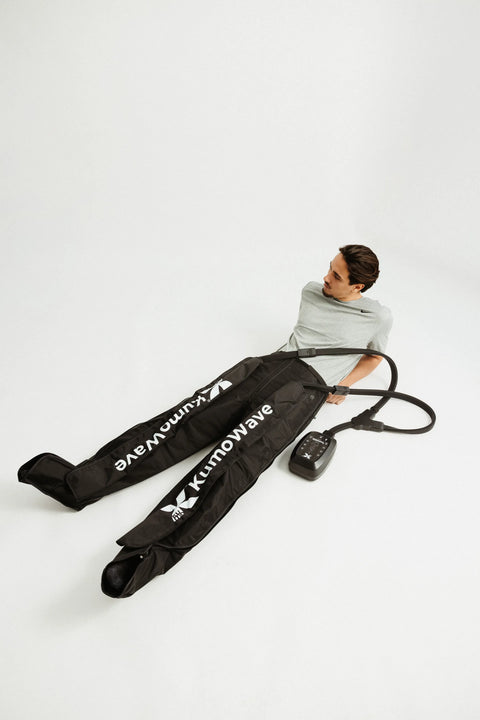
KumoWave Elite – Pressotherapy Pants
Full-coverage trousers. Ideal for lipedema, fluid retention and intensive use.
€799,00 €999,00
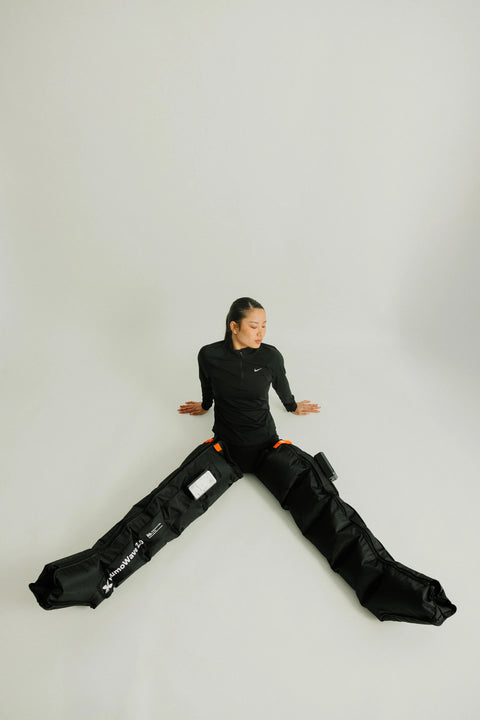
KumoWave 2.0 - Wireless Pressotherapy
Wireless, lightweight boots. Perfect for daily use and recovery.
€499,00 €599,00