Cellulite is very common. It is usually more concerning for its appearance than for health, but understanding what causes it and what can improve it completely changes the decisions you make. (mayoclinic.org)
In this article, we discuss aesthetic cellulite, also known as orange peel skin. Do not confuse it with infectious cellulitis: if the skin is red, hot, painful, or if fever appears, you should consult a doctor. (my.clevelandclinic.org)
Pressotherapy at home
End the day with light legs
★★★★★ 4,8/5 · rated by verified customers
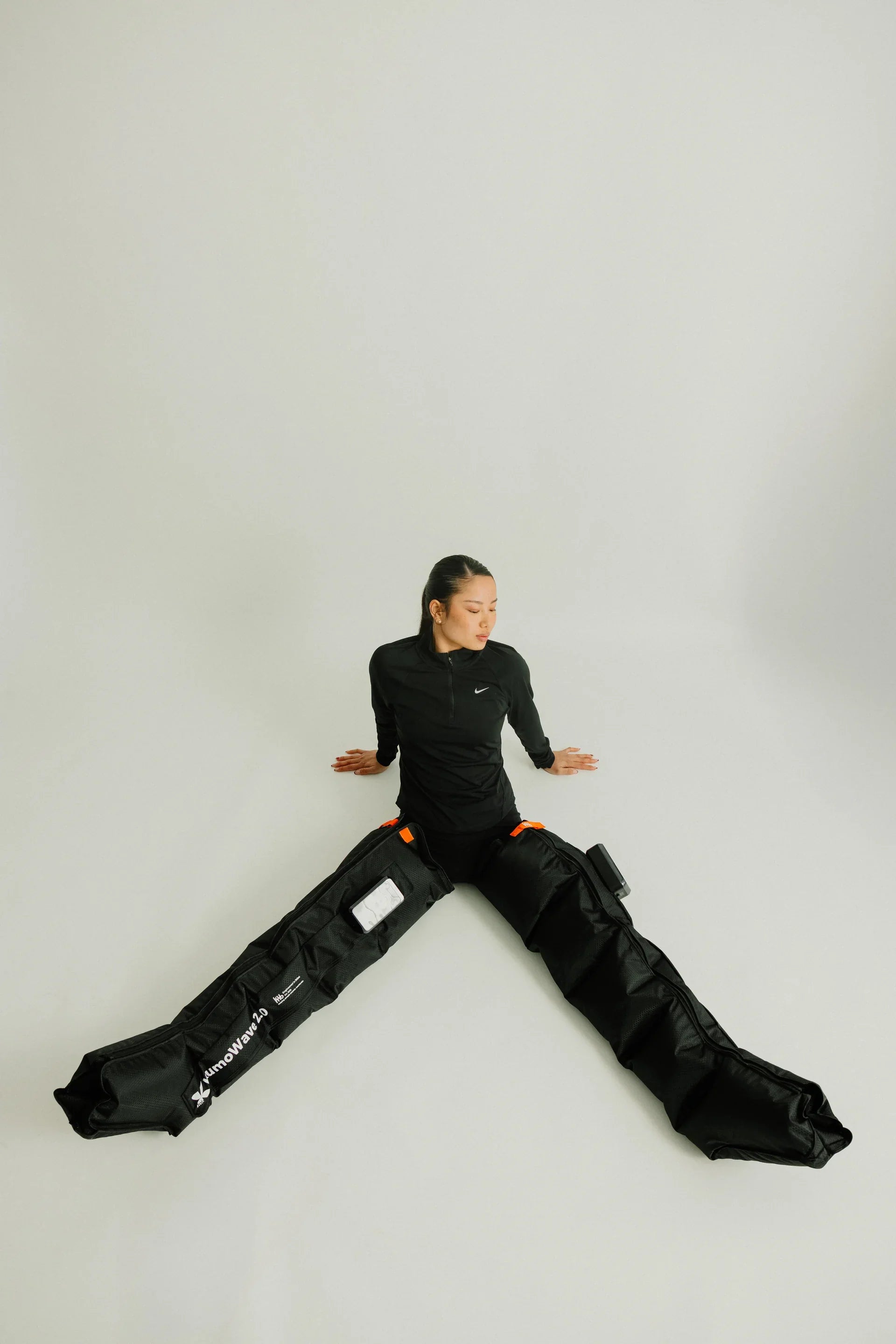
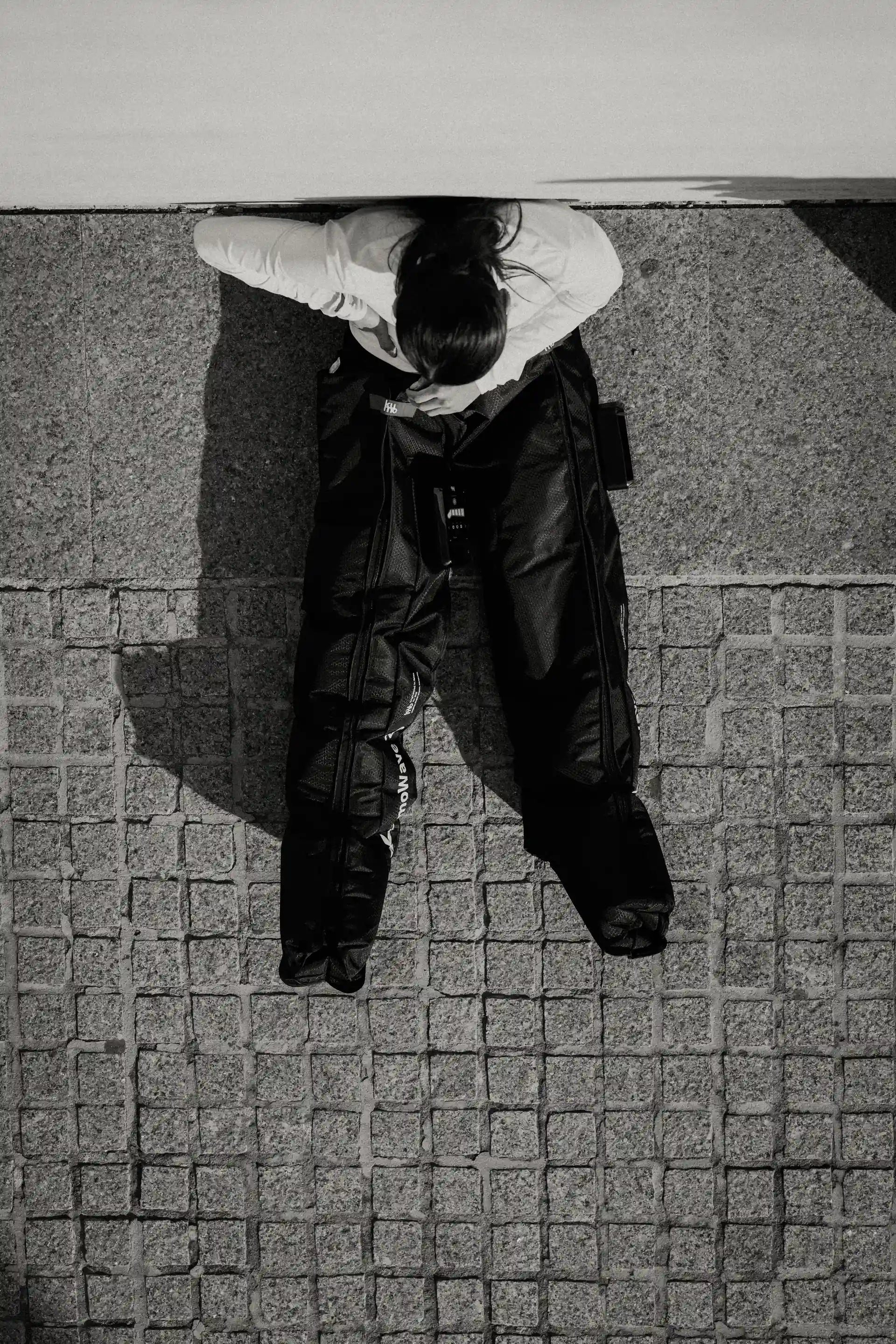
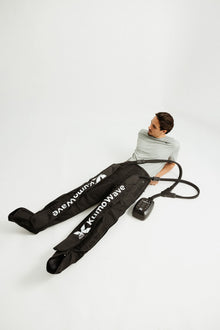
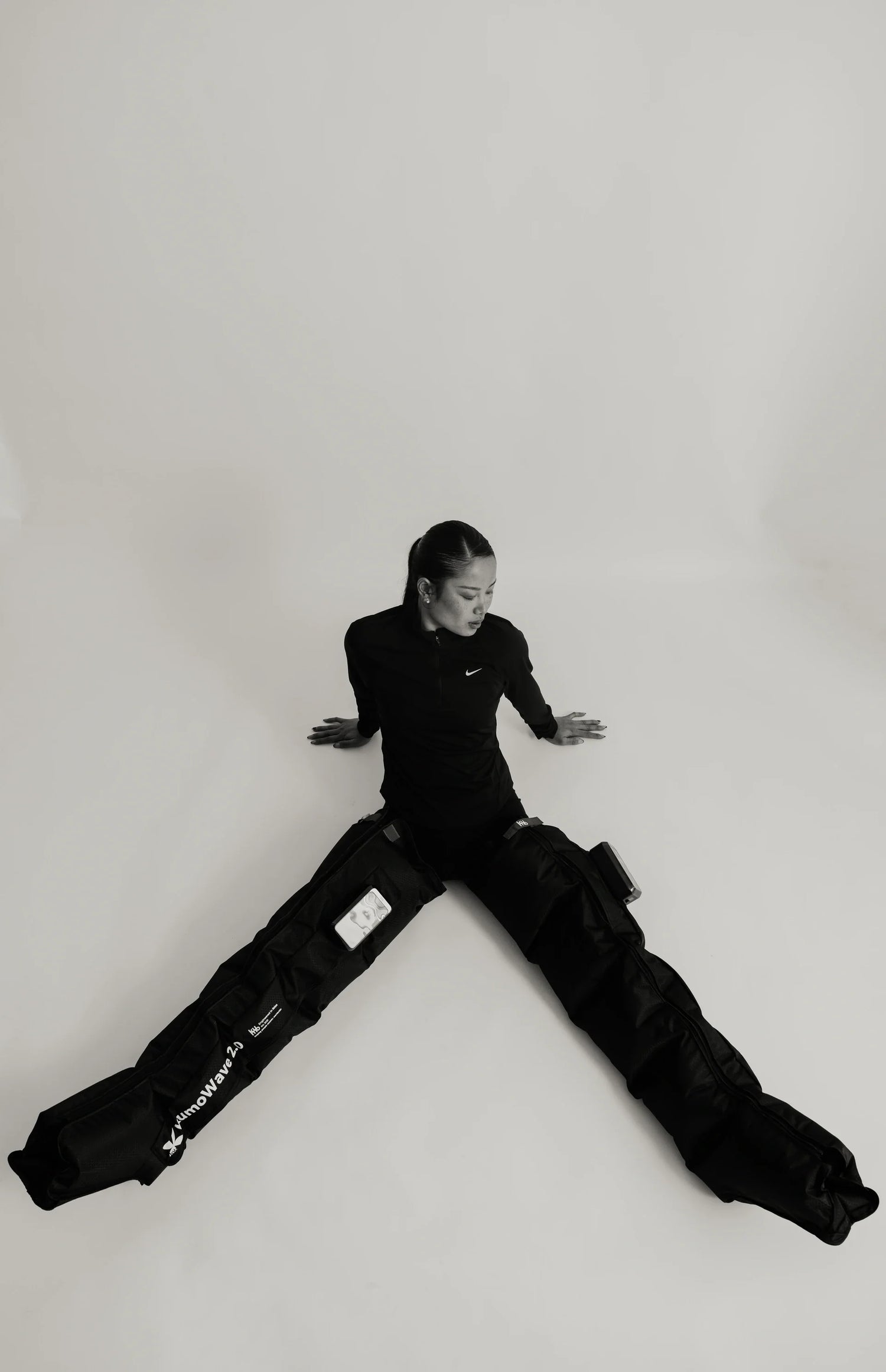
KumoWave pressotherapy boosts circulation and helps drain fluid with sequential compression, in 20-minute sessions at home.
- Boosts circulation and helps drain fluid
- Chamber-based compression, adjustable to you
- Sequential compression that mimics manual drainage
€799,00€999,00
−10% on your 1st order when you subscribe to the newsletter

What is cellulite and why does it appear?
Aesthetic cellulite is a very common alteration of the skin's relief. It usually appears as dimples, undulations, or an "orange peel" texture, especially on the thighs, buttocks, hips, abdomen, and sometimes arms. It does not usually affect general health but can impact confidence in dressing or moving freely. Between 80% and 90% of women develop it after puberty.
Its origin does not depend on a single cause. The most accepted explanation combines fibrous septa pulling downwards, subcutaneous fat pushing upwards, hormonal changes, and genetic predisposition. Weight, age, and muscle tone influence how noticeable it is, but even thin or very active people can have it.
Personalized protocol · included with your purchase
Want us to tell you how to use it in your case?
With your purchase, our experts prepare a personalized usage protocol for your case: sport, circulation, fluid retention, pregnancy or lipedema.
Message us on WhatsAppOur experts reply · no obligation
- Genetics and the structure of connective tissue influence how dimples form.
- Hormonal changes can make it more visible, especially during puberty and pregnancy.
- Age reduces skin elasticity and accentuates the relief.
- Sedentary lifestyles and weight gain can make the appearance more pronounced, though they are not the only explanation.
Types and grades of cellulite: how to recognize yours
To guide you, two classification methods are commonly used: the Nürnberger-Müller scale, which ranges from 0 to III depending on the visibility of the relief, and a consistency classification that distinguishes between soft, fibrous or hard, edematous, and mixed cellulite. If you want to refine your visual diagnosis, this guide can help you recognize the types of cellulite. (pmc.ncbi.nlm.nih.gov)
Practical comparison of cellulite types
| Practical Type | How it usually appears | Frequent clues | Indicative approach |
|---|---|---|---|
| Soft | The relief changes more with posture or when pinching the skin. | It tends to be more noticeable when the skin is relaxed. | Consistency in strength training, movement, and stable weight helps reduce its appearance. (link.springer.com) |
| Fibrous or Hard | Feels firmer and dimples are more defined. | The skin appears more adhered, and the contrast of light and shadow is greater. | Procedures that act on fibrous septa have more clinical logic. (pmc.ncbi.nlm.nih.gov) |
| Edematous | Volume and a feeling of heaviness predominate. | May coexist with fluid retention and discomfort at the end of the day. | It is advisable to check for edema or lipedema. |
| Mixed | Combines features of several forms. | Not all areas of the thigh or buttock behave the same way. | Individual assessment guides the strategy. (pmc.ncbi.nlm.nih.gov) |
The Nürnberger-Müller scale is usually summarized as follows: grade 0 with no visible changes, grade I only when pinched, grade II visible when standing, and grade III visible even at rest, with more pronounced dimples and nodulations.
If your main concern is the buttocks, you might find a more specific reading on cellulite on the buttocks and how to address it in a complete routine helpful.
on your first order when you join the newsletter
We send you the code instantly. No spam.
Solutions that do make sense
There is no single treatment that eliminates it permanently. Current reviews agree that improvements are usually partial and, in many cases, temporary, so it is advisable to choose realistic options tailored to the type and grade of cellulite.
Habits that help make it less noticeable
- Maintain a routine of strength training and regular activity to improve tone and body composition.
- Aim for a stable weight, avoiding extreme diets that cause tissue fluctuations.
- Use creams and self-massage as aesthetic support, not as the main solution.
What usually has limited results
Massages, dry brushing, and many creams promise more than they can deliver. Mayo Clinic and Cleveland Clinic point out that results are often temporary or directly poorly demonstrable; furthermore, a 2024 systematic review of electrophysical agents concluded that the quality of evidence remained suboptimal.
Treatments with more clinical logic
When the problem is very pronounced, procedures that act on fibrous septa or on skin quality can offer more visible improvements in selected cases. This includes subcision, certain lasers, and other medical techniques, although the response varies, they usually require several sessions and do not guarantee a permanent result. (aad.org)
If you want to compare options to understand what best suits your case, you can review what options make more sense in-clinic or at home. And if your priority is the sensation of heavy legs or fluid retention, it's also worth reading about the realistic results that pressotherapy can offer.
When to consider lipedema
If there is also pain, tenderness to the touch, easy bruising, symmetrical volume increase in legs and sometimes arms, or if feet and hands are spared, it may be lipedema and not cellulite. In that case, it is advisable to consider a medical consultation and read the guide on what lipedema is and how to recognize it early.
Frequently asked questions about cellulite
Can cellulite be contagious: what risk does it pose to others?
No. Aesthetic cellulite is not transmitted through skin-to-skin contact or by sharing objects. In fact, Cleveland Clinic describes it as a very common and non-contagious cosmetic condition. If, however, redness, heat, pain, or fever appear, we would no longer be talking about aesthetic cellulite, but an infectious process that requires medical evaluation.
Do diet and exercise eliminate cellulite?
They help, but they don't completely erase it. Exercise, especially strength training, improves muscle tone and can make the relief less noticeable; moreover, maintaining a stable weight usually helps. Even so, Mayo Clinic and Cleveland Clinic agree that improvements are usually partial and that even thin or very active people can have cellulite.
What treatment usually gives the best results?
There is no "best" universal treatment. The options with more clinical logic are usually those that act on fibrous septa or improve skin quality, such as subcision or some lasers, but the response varies, and results can be temporary. Recent reviews emphasize individualizing the plan according to the type and intensity of the relief.
How do I differentiate cellulite from lipedema?
The most useful clue is the context. Aesthetic cellulite does not usually hurt; lipedema, on the other hand, is often associated with pain, sensitivity, a tendency to bruise, and a symmetrical increase in volume in the legs and sometimes arms, with relatively spared hands and feet. If you suspect this, it is worth consulting a doctor and reviewing a specific guide.
Is pressotherapy useful for cellulite?
It can serve as support, not as a cure. Techniques that favor drainage or compression can improve the sensation of heavy legs or comfort, but the evidence for physical treatments to reduce cellulite remains limited, and in general, the improvements described in the literature are short-lived or variable. Therefore, it should be seen as a complement to a broader strategy. (pubmed.ncbi.nlm.nih.gov)
What now?
If you want to delve deeper, start by recognizing the different types of cellulite, review the realistic results that pressotherapy can offer, and return to Kumo Balance to see how everything fits into a wellness and recovery strategy.
KumoWave pressotherapy
Choose your at-home pressotherapy
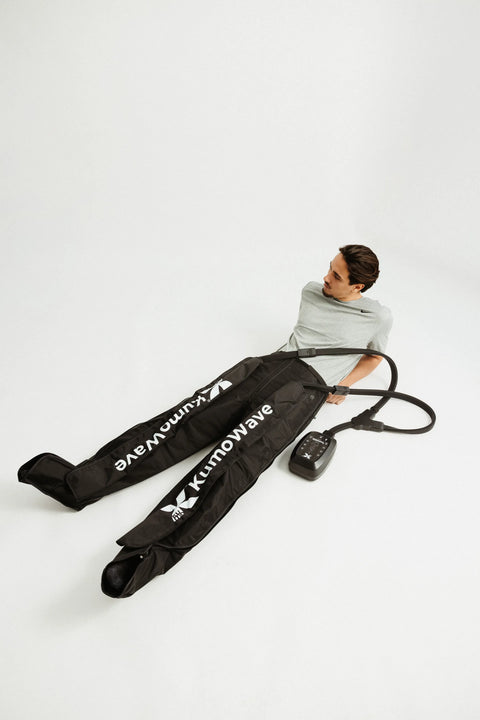
KumoWave Elite – Pressotherapy Pants
Full-coverage trousers. Ideal for lipedema, fluid retention and intensive use.
€799,00 €999,00
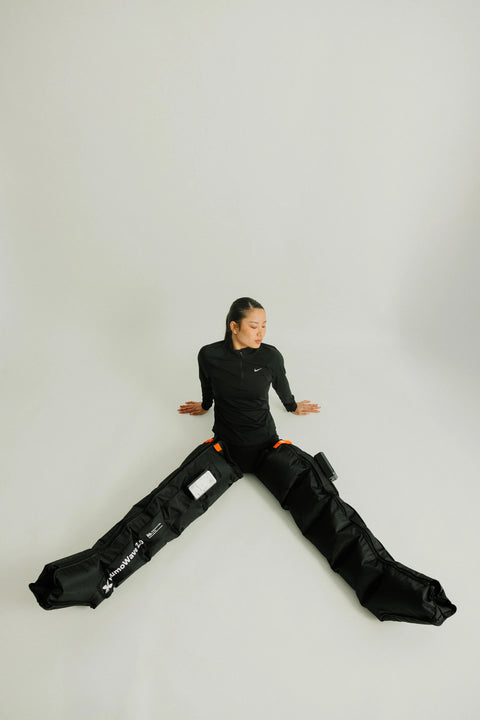
KumoWave 2.0 - Wireless Pressotherapy
Wireless, lightweight boots. Perfect for daily use and recovery.
€499,00 €599,00