

Alcohol slows muscle recovery more than it seems. In controlled studies it can lower myofibrillar protein synthesis after exercise and, if you drink it before bed, it also alters sleep architecture. (pmc.ncbi.nlm.nih.gov)
The key is that not every scenario responds the same way. Dose, timing of the drink and type of effort change the result a lot, so the most cautious reading is contextual: an occasional drink should not be treated as if it had the same effect as a high intake.
Pressotherapy at home
End the day with light legs
★★★★★ 4,8/5 · rated by verified customers
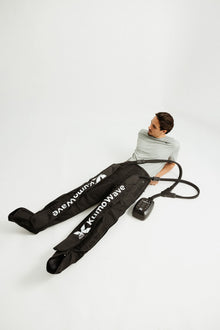
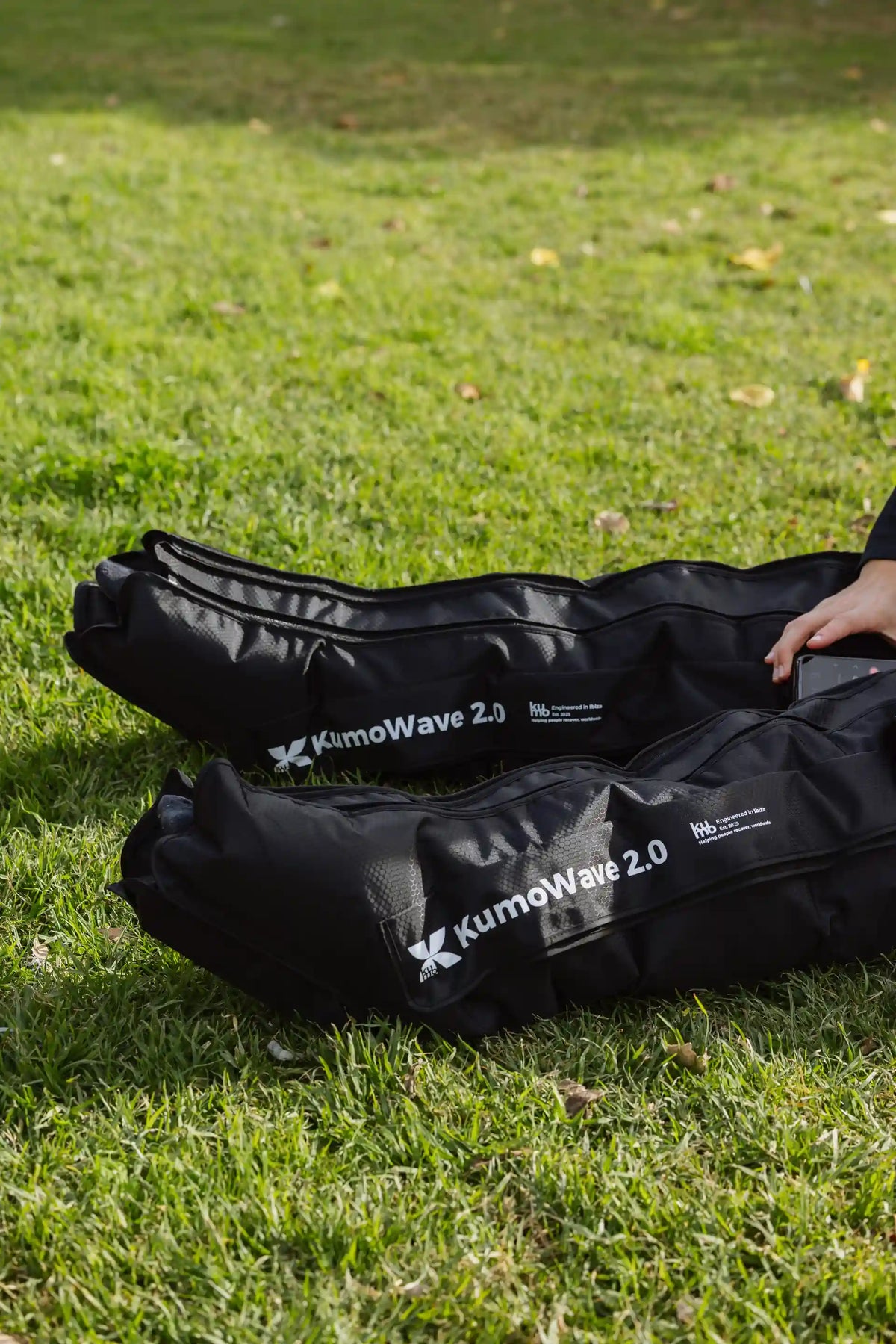
KumoWave pressotherapy boosts circulation and helps drain fluid with sequential compression, in 20-minute sessions at home.
- Boosts circulation and helps drain fluid
- Chamber-based compression, adjustable to you
- Sequential compression that mimics manual drainage
€799,00€999,00
−10% on your 1st order when you subscribe to the newsletter

What alcohol does to muscle recovery
The clearest point in the evidence is protein synthesis. In a crossover trial, 1.5 g of alcohol per kilo of body weight after a mixed strength and endurance block lowered myofibrillar protein synthesis by 24% even when it was paired with protein, and by 37% when no protein was added. The full study is in this randomized trial on muscle protein synthesis after concurrent exercise.
That does not mean any amount ruins recovery equally. A 2011 trial using 0.5 g per kilo did not change strength loss after eccentric exercise, which suggests low doses may be less disruptive, though not harmless. You can see that work in this low-dose trial on strength after eccentric exercise.
Personalized protocol · included with your purchase
Want us to tell you how to use it in your case?
With your purchase, our experts prepare a personalized usage protocol for your case: sport, circulation, fluid retention, pregnancy or lipedema.
Message us on WhatsAppOur experts reply · no obligation
In 2024, another trial found that 1 g per kilo after downhill running changed neither strength nor jump performance during recovery, but it did prolong perceived soreness. That nuance matters, because it explains why some people feel their legs are more beaten up even when objective performance does not collapse. The study is here: 2024 study on soreness and strength after downhill running.
Quick summary of the evidence
| Situation | What the studies observed | What it means in practice |
|---|---|---|
| 1.5 g per kilo after a mixed workout | Myofibrillar protein synthesis dropped 24% with protein and 37% without it. | Alcohol should not be part of your post-workout recovery. |
| 0.5 g per kilo after eccentric exercise | No change in strength loss versus placebo. | A low dose may be less damaging, but it does not guarantee zero impact. |
| 1 g per kilo after downhill running | Neither strength nor jump changed, but perceived soreness lasted longer. | Legs can still feel "beaten up" even when the strength test barely drops. |
| Alcohol before bed | Less REM sleep and altered sleep architecture. | Sleeping worse usually means worse recovery the next day. |
If you want to organize your recovery meals, it helps to review how protein after training fits into the first hours following the session.
How sleep is affected and why the legs feel it more
Alcohol may help you fall asleep faster, but that is not the same as resting better. In the laboratory study covering three consecutive nights, intake before sleep reduced REM accumulation and clearly altered sleep architecture. You can see it in this laboratory study on alcohol and sleep architecture.
on your first order when you join the newsletter
We send you the code instantly. No spam.
When sleep becomes fragmented, perceived recovery usually gets worse even if performance does not drop immediately. In practice, that shows up as heavy legs, more fatigue or a worse sense of freshness when you get up, especially after a demanding session.
If you also drink caffeine in the afternoon or evening, keep an eye on the sleep and stimulants pairing in this guide on caffeine and sleep.
Hydration, cramps and leg discomfort
Hydration is not black and white either. In a 2015 crossover, a moderate beer after exercise in the heat did not worsen hydration markers or urine output compared with water. The full study is in this crossover on moderate beer and hydration markers.
But another trial found that rehydrating with beer increased diuresis and worsened fluid retention, reaction time and balance compared with water or a low-alcohol beer. That difference helps explain why context matters so much. You can read it in this trial on beer, diuresis and balance after rehydration.
On cramps, the evidence does not allow us to blame dehydration or electrolytes alone. In a study of people with a history of cramping, cramps also appeared when hydration and electrolytes were covered. The link between alcohol and cramps therefore looks more indirect than direct.
If you want to fine-tune the fluid side, there is this guide on hydration and muscle recovery.
What to do if you want to limit the impact
There is no universally safe amount that guarantees zero effect on rest or on your legs. From the available studies, the most cautious inference is that the higher the dose and the closer it sits to sleep or to your next session, the worse the scenario for recovery.
- Put water, food and salts first, and leave alcohol for after you have covered the basics of recovery.
- If your session was hard, do not use alcohol as a substitute for your post-workout meal, especially if you are trying to repair muscle.
- Avoid drinking right before bed, because nighttime rest is part of training.
- If you train again the next day, cut the amount further or skip drinking altogether, since leg recovery and perceived soreness can drag on.
- If you want to organize the whole set of habits that support recovery, review this guide on rest and recovery with a scientific basis.
When to seek medical help
If you notice disproportionate muscle pain, marked weakness, significant swelling, dark urine or very little urine, get medical evaluation. MedlinePlus lists these signs as consistent with rhabdomyolysis and recommends contacting a health professional. (medlineplus.gov)
It is also worth individualizing the decision if you are pregnant, recovering from surgery, taking medication or living with a chronic condition. The CDC states that there is no safe amount of alcohol during pregnancy, and NIAAA warns about potentially dangerous interactions between alcohol and many medications. (cdc.gov)
FAQ
How does alcohol affect muscle recovery after training?
It works mainly through two routes: it lowers muscle protein synthesis at high doses and it worsens sleep quality if you drink close to bedtime. In one trial, 1.5 g of alcohol per kilo lowered myofibrillar protein synthesis even with protein, while tests at lower doses showed less impact on strength. The practical idea is simple: the more alcohol and the closer to rest, the worse for recovery.
Does alcohol hurt sleep and protein synthesis after a resistance training session?
Yes, it can hurt both. Alcohol before bed alters sleep architecture, reduces REM and fragments rest, which already complicates overnight recovery. On top of that, the 2014 study showed that a high intake after exercise lowered myofibrillar protein synthesis, even when it was paired with protein. That is why sleeping and eating well do not fully offset a high dose of alcohol.
How much alcohol can I drink after training without hurting my legs?
There is no universal figure that guarantees no impact. A trial at 0.5 g per kilo did not change strength loss after eccentric exercise, but 1 g per kilo prolonged perceived soreness in another study and 1.5 g per kilo clearly lowered protein synthesis. The useful conclusion is that dose matters a lot and that, if your priority is recovering your legs and sleeping well, the safest move is to drink as little as possible or postpone it.
Can alcohol cause cramps and delay leg recovery after squats?
It can contribute indirectly, but the evidence does not say it is the single cause of cramps. Exercise-associated cramps are multifactorial and do not depend only on hydration or electrolytes. After hard squats or eccentric work, alcohol can also worsen sleep or hydration, and that can indeed prolong the feeling of heavy legs. In other words, the problem is usually the sum of several factors.
What practical tips help limit its impact on muscle recovery and performance?
The most useful ones are fairly simple: rehydrate first, eat before drinking, avoid alcohol close to bedtime and cut the amount further if you train again the next day. If you take medication, are pregnant or have warning signs such as dark urine or marked weakness, talk to a health professional before improvising. The priority is always protecting rest, hydration and safety.
What now?
If you want to keep building a more solid recovery, start with the basics at Kumo Balance and round off your reading with how long the muscle really needs to recover. The idea is not to chase perfection, but to make rest, hydration and routine work in your favor.
KumoWave pressotherapy
Choose your at-home pressotherapy
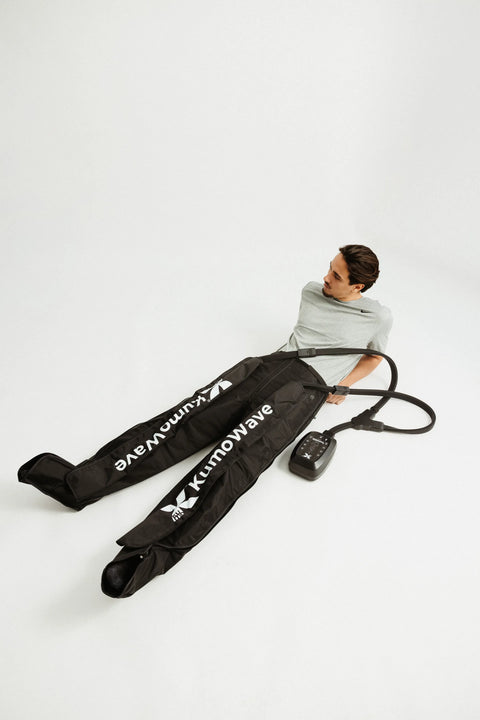
KumoWave Elite – Pressotherapy Pants
Full-coverage trousers. Ideal for lipedema, fluid retention and intensive use.
€799,00 €999,00
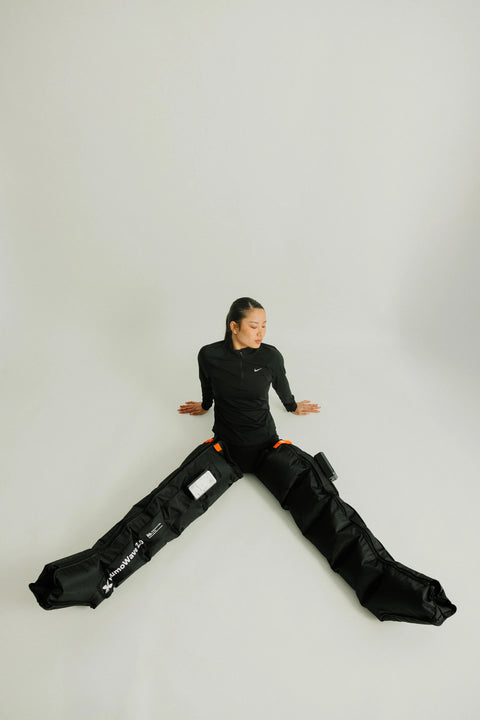
KumoWave 2.0 - Wireless Pressotherapy
Wireless, lightweight boots. Perfect for daily use and recovery.
€499,00 €599,00