
What are rest and recovery (and why do they make a difference)
Getting enough rest is the foundation of any good performance. When we talk about rest and recovery , we're not just referring to "sleeping many hours," but to the set of processes by which the body and brain repair tissues, balance hormones, consolidate learning, and return to an optimal state.
In practice, recovery integrates at least four dimensions:
Pressotherapy at home
End the day with light legs
★★★★★ 4,8/5 · rated by verified customers
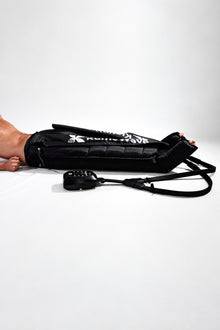
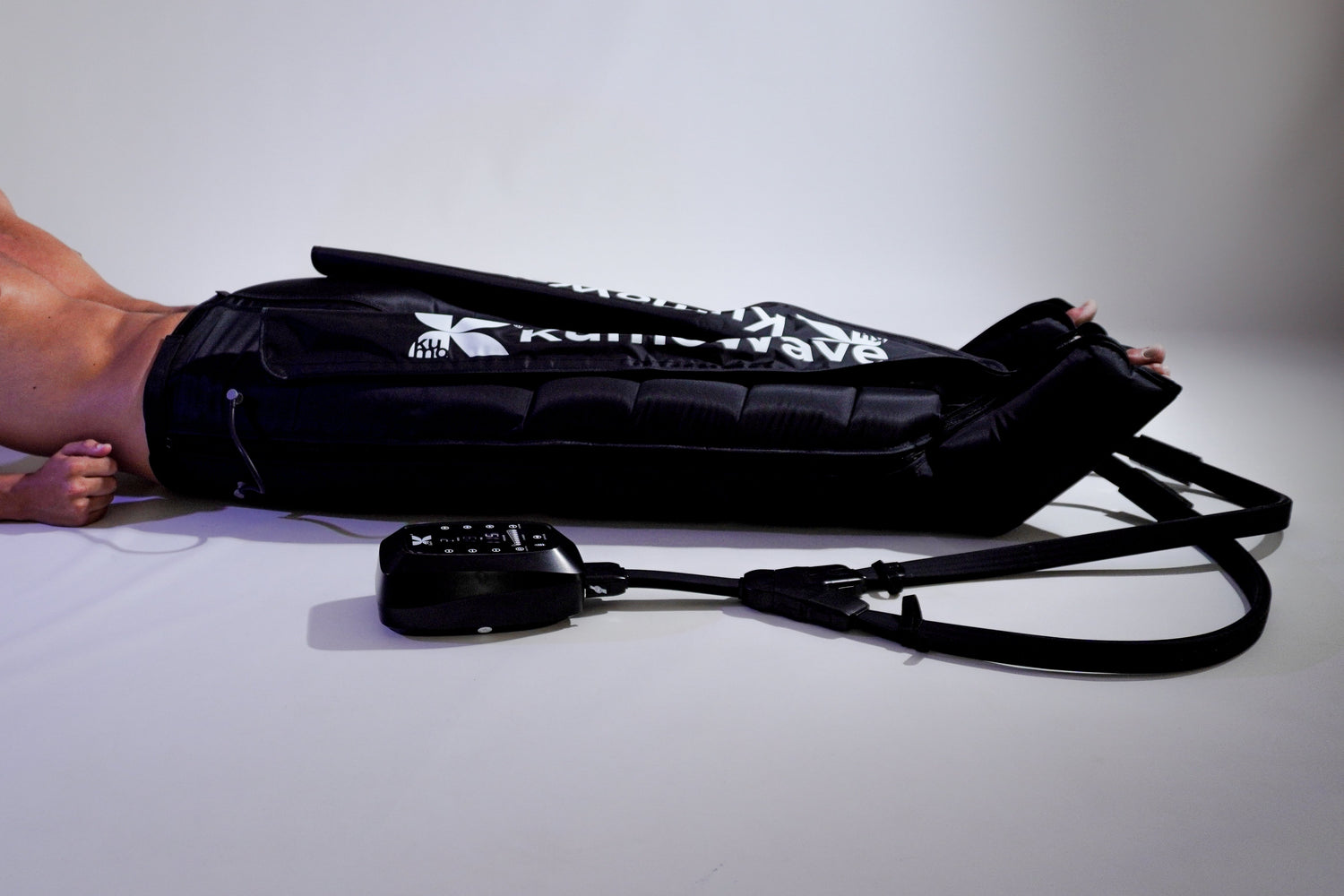
KumoWave pressotherapy boosts circulation and helps drain fluid with sequential compression, in 20-minute sessions at home.
- Boosts circulation and helps drain fluid
- Chamber-based compression, adjustable to you
- Sequential compression that mimics manual drainage
€799,00€999,00
−10% on your 1st order when you subscribe to the newsletter

- Deep and quality nighttime sleep .
- Physical recovery (muscular, joint, cardiovascular) after exertion.
- Mental recovery : reducing stress, clarity and focus.
- External support (routines, tools, technologies) that facilitate the process.
If you train, work long hours, or simply want to feel more energetic, understanding how to optimize your rest and recovery is one of the best investments you can make in your health and daily performance. You can also integrate this with technological recovery solutions like those from KUMO , designed to make recovery a pleasant and consistent habit.
The science behind rest and recovery
Sleep: the body's "invisible gym"
The leading scientific sleep societies agree: most adults need at least 7 hours of sleep per night to maintain good health, performance, and cognitive function. ( pmc.ncbi.nlm.nih.gov ) Chronically sleeping less than that threshold is associated with an increased risk of obesity, diabetes, high blood pressure, cardiovascular disease, and mood problems. ( cdc.gov )
Personalized protocol · included with your purchase
Want us to tell you how to use it in your case?
With your purchase, our experts prepare a personalized usage protocol for your case: sport, circulation, fluid retention, pregnancy or lipedema.
Message us on WhatsAppOur experts reply · no obligation
During deep sleep, “maintenance” processes are activated: tissue repair, immune system regulation, waste removal from the brain, and fine-tuning of key hormones. ( nichd.nih.gov ) That's why insufficient or poor-quality sleep not only makes you feel tired, but also reduces your ability to train, think clearly, and recover.
Muscle and hormonal recovery
Training, especially strength or high-intensity training, creates micro-tears in the muscle. Positive adaptation (gaining strength, power, or muscle mass) depends on allowing these fibers to repair and rebuild themselves stronger.
Several studies have shown that sleep debt alters the hormonal and molecular environment of recovery: it increases cortisol, lowers anabolic hormones such as testosterone and IGF-1, and favors a more “proteolytic” environment (of muscle protein breakdown). ( pubmed.ncbi.nlm.nih.gov ) In other words, if you don't get enough sleep, your body has a harder time repairing muscle damage and preserving lean mass.
on your first order when you join the newsletter
We send you the code instantly. No spam.
Brain, focus, and decision-making
Rest is also a "multiplier" of mental performance. Chronically sleeping one hour less than necessary worsens attention, slows reaction time, and increases errors and impulsivity. ( nichd.nih.gov ) In demanding contexts (sports, high-responsibility work, driving, competitive exams, etc.), this translates into more tactical errors, worse decisions, and a greater risk of injury or accident.
A follow-up study in athletes and professionals observed that losing about an hour of sleep daily for a week was associated with a drop in performance of almost 9–10%. ( arxiv.org ) This is no small detail: over the course of a season or a work year, the accumulation of insufficient sleep becomes a real “invisible burden”.
How many hours do you need to fully recover?
General recommendations
The American Academy of Sleep Medicine guidelines recommend that adults regularly sleep 7 hours or more per night to protect health and performance. ( pmc.ncbi.nlm.nih.gov ) In highly active people or athletes, various studies suggest that extending sleep into the high end of the range (8–9 hours) may improve endurance performance and recovery. ( bjsm.bmj.com )
Rather than obsessing over a perfect number, it's better to ask yourself: "Do I wake up rested, maintain stable energy and concentration, and not need stimulants to function?" If the answer is no, your sleep is probably insufficient, of poor quality, or both.
Table: Hours of sleep and approximate effects on recovery
| Profile | Recommended hours of sleep* | Typical impact on rest and recovery |
|---|---|---|
| Inactive adult | 7–8 h | Enough to maintain general health, good mood and recovery of daily activities. |
| Active adult (trains 3–5 days/week) | 7.5–9 h | It promotes muscle repair, reduces accumulated fatigue, and improves the response to training. |
| High-performance athlete or very high workloads | 8–10 h (often with a short nap) | It can improve stamina, reaction speed, and emotional stability throughout the season. ( bjsm.bmj.com ) |
*Guidelines based on recommendations from sleep societies for adults and studies on sleep duration in athletes. ( pmc.ncbi.nlm.nih.gov )
Signs that your rest is not enough
- You wake up tired even after sleeping "the theoretical hours".
- You depend on coffee or other stimulants to function normally.
- Sudden mood swings, irritability, or difficulty concentrating.
- Irregular performance in training or at work for no apparent reason.
- Increased minor injuries, muscle discomfort, or frequent colds.
Practical strategies to improve rest and recovery
Sleep hygiene step by step
Sleep hygiene is the set of habits that facilitate deep and uninterrupted sleep . Organizations such as the NIH recommend, among other measures: regular sleep schedules, limiting caffeine and alcohol in the afternoon, avoiding bright screens before bed, and creating a dark, cool, and quiet environment. ( dhs.gov )
Basic checklist for tonight:
- Choose a fixed time to go to bed and wake up (even on weekends).
- Leave at least 2-3 hours between your last large meal and bedtime.
- Reduce screen time 60–90 minutes before bedtime.
- Create a relaxing “ritual”: light reading, deep breathing, gentle stretching.
Active recovery and training planning
Rest isn't just about lounging on the couch. Gentle movement promotes circulation, accelerates the elimination of metabolic waste, and maintains mobility. The WHO recommends at least 150–300 minutes of moderate-intensity physical activity per week for adults, combined with strength training. ( who.int ) The key is to alternate periods of intense activity (such as high-intensity workouts or demanding workdays) with periods of active recovery (walking, mobility exercises, gentle yoga, very light cycling, etc.).
If you train intensely every day or push yourself to the limit without any filter, your nervous system and muscles will never "catch up." The result: stagnation, chronic fatigue, and a higher risk of injury.
Nutrition, hydration, and other small habits
Although this article focuses on rest, it is worth remembering that effective recovery also depends on:
- Consume enough protein spread throughout the day.
- Stay hydrated at all times, not just during training.
- Avoid large amounts of alcohol, which impair sleep and muscle repair.
- Manage stress with simple techniques (4-6 breathing, brief mindfulness, walks outdoors).
Technologies to support rest and recovery
In addition to the basic pillars (sleep, movement, nutrition and stress management), more and more people are integrating recovery technologies into their routine: light therapy, pressotherapy, percussion massage… KUMO 's philosophy is precisely to unite aesthetics, technology and performance so that recovery becomes a natural part of your lifestyle.
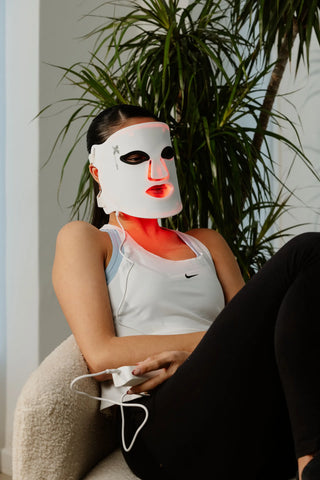
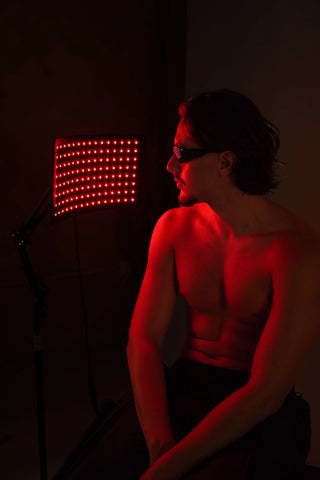
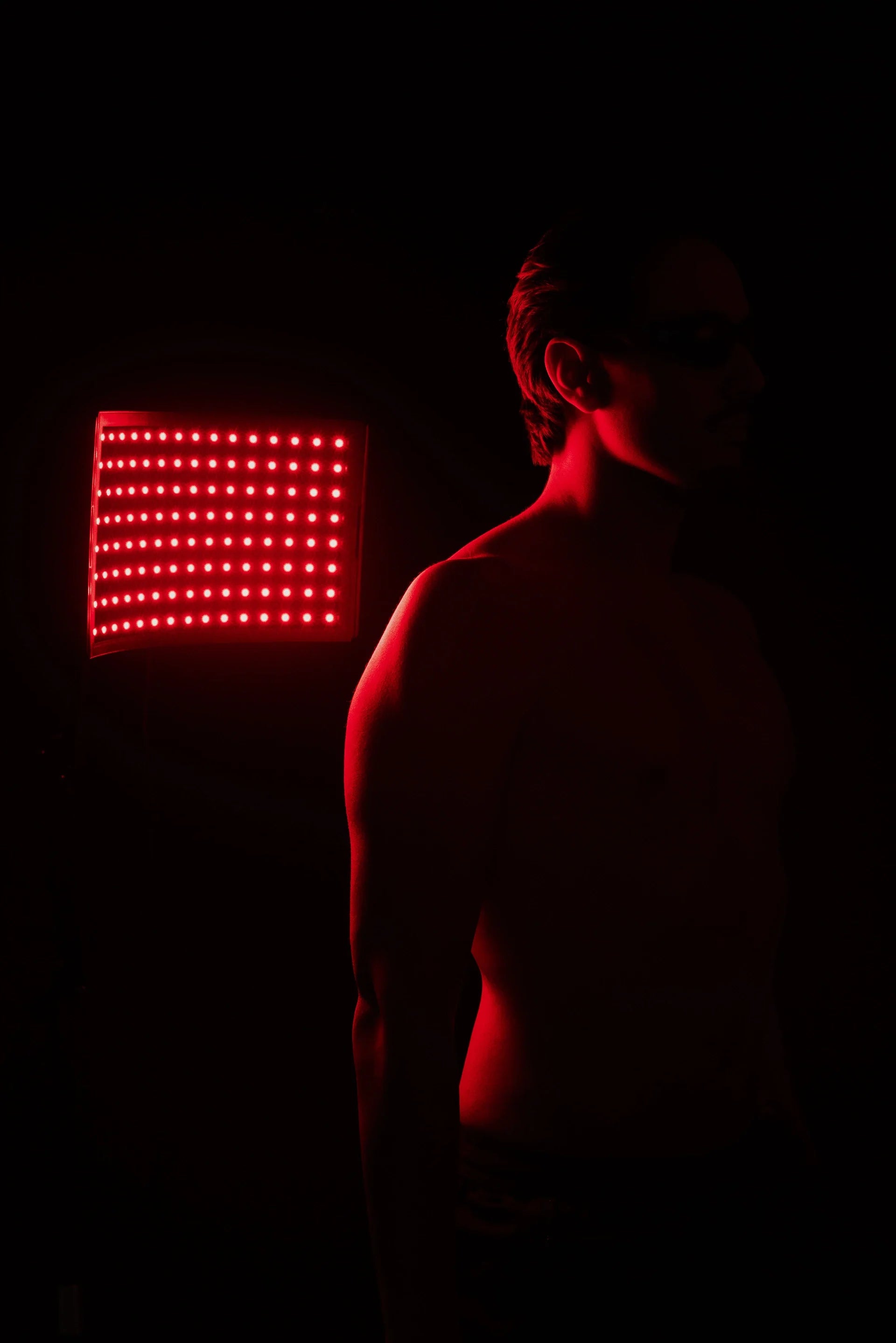
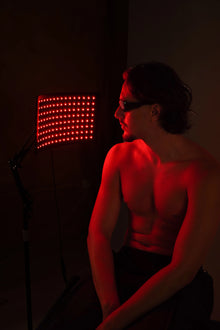
Red light therapy and LED therapy
Light therapy with red and infrared wavelengths (photobiomodulation) has been studied in two main ways:
- Sleep and circadian rhythms : A systematic review and meta-analysis found that light therapy can improve sleep problems, including insomnia and circadian rhythm disorders, with a moderate effect size. ( pubmed.ncbi.nlm.nih.gov )
- Muscle performance and pain : Several trials and meta-analyses indicate that laser or LED phototherapy, applied before exercise, can improve time to exhaustion and reduce certain markers of muscle damage, although the quality of the evidence is still limited and heterogeneous. ( pubmed.ncbi.nlm.nih.gov )
In everyday life, LED light therapy devices for home use can be used on a consistent schedule, in the evening in the case of soft red light aimed at relaxation, or following the guidelines of a professional when seeking a more specific performance goal.
Pneumatic compression for heavy legs
Compression therapy boots apply sequential compression to the legs to promote venous and lymphatic return. Scientifically, the results are mixed: some recent studies find that intermittent pneumatic compression can reduce the perception of delayed onset muscle soreness (DOMS) in certain conditions ( pubmed.ncbi.nlm.nih.gov ) or accelerate the recovery of some cardiovascular parameters after intense exercise ( pubmed.ncbi.nlm.nih.gov ), while other studies do not observe clear improvements in objective markers of muscle damage compared to placebo ( pmc.ncbi.nlm.nih.gov ).
In practice, many athletes use compression boots for legs and venous return as a tool for comfort and relief after long training sessions or days on their feet, always as a complement —not a substitute— to sleep, gentle movement and good load planning.
Percussion massage and traditional massage
Traditional massage has a reasonable basis of evidence for reducing muscle soreness after strenuous exercise. A systematic review and meta-analysis found significant reductions in delayed onset muscle soreness (DOMS) up to 72 hours after exertion compared to no intervention. ( pubmed.ncbi.nlm.nih.gov )
More recently, a 2025 randomized trial observed that percussion massage therapy (massage guns) was more effective than static stretching in improving pain, flexibility, and jumping performance 48 hours after inducing DOMS in physically active young adults. ( pmc.ncbi.nlm.nih.gov ) Devices such as the KUMOPULSE Air massage gun allow this type of stimulation to be applied comfortably at home, always respecting the instructions for use and avoiding injured areas without professional supervision.
LED masks and skin recovery
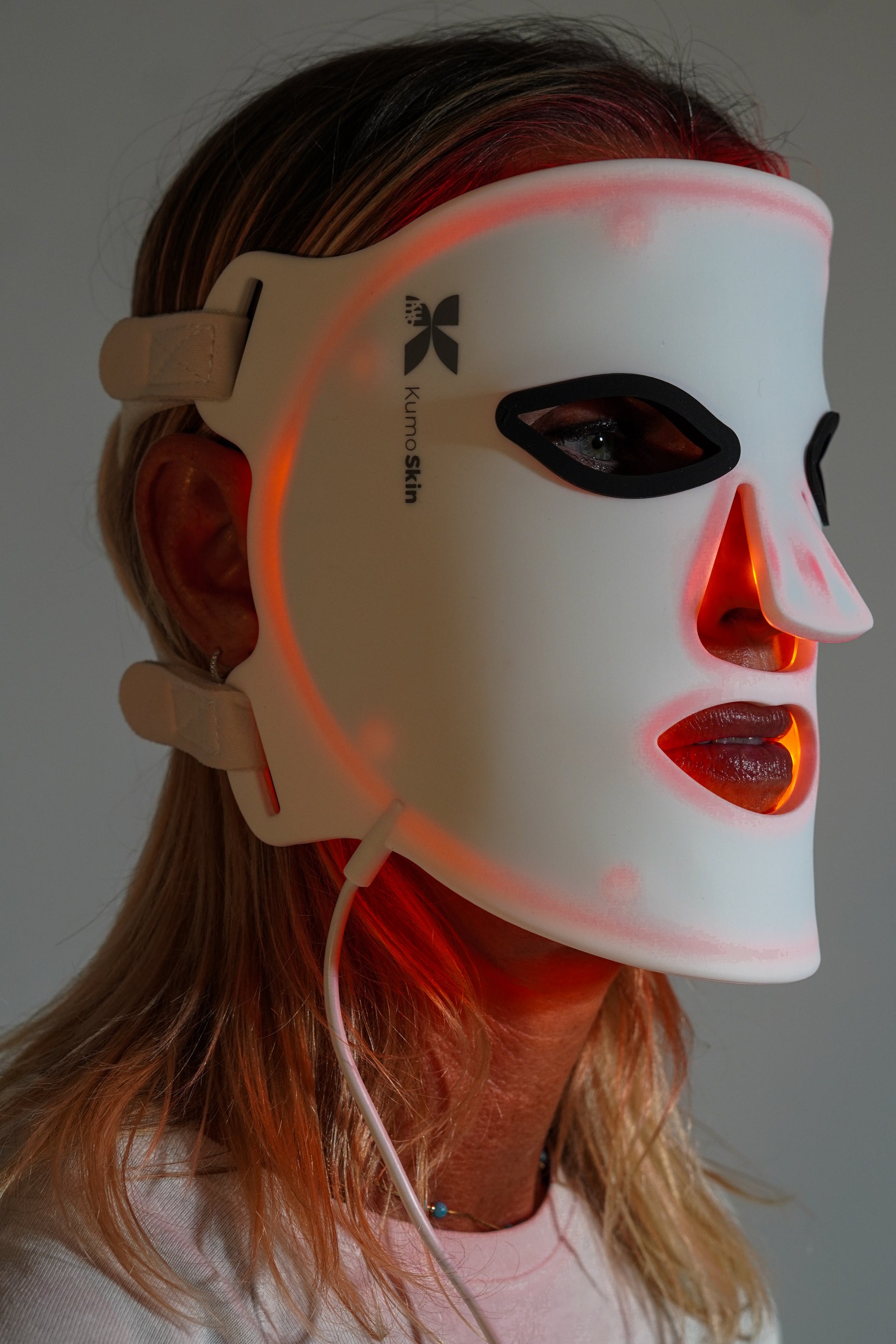
Skin is also part of the wellness equation. Photobiomodulation with red LEDs is increasingly used to support skin regeneration and improve skin appearance in facial care routines. While the main focus of this article is physical and mental performance, incorporating LED masks designed for the face can contribute to a subjective feeling of recovery and self-care , which is key to maintaining consistency in any healthy lifestyle.
How to design your own rest and recovery plan
Step 1: Audit your current situation
- Write down for 1–2 weeks: the time you go to bed, the time you get up, and how you feel when you wake up.
- Record training sessions (type, intensity, duration) and particularly stressful days.
- Rate your fatigue level from 1 to 10 each night.
Step 2: Set clear priorities
- First, sleep : block out 8 hours in your schedule (even if you only get 7-7.5 effective hours of sleep).
- Second, load structure : alternate hard days with unloading days or very light training.
- Third, technological support : decide which tools (light, massage, compression) best fit your routine and budget.
Step 3: Integrate your KUMO recovery tools
An example of a typical week for an active person might be:
- After strength training: 5–10 minutes of massage gun on key muscle groups.
- After long running sessions or days of standing for many hours: 20–30 minutes with compression boots.
- In the late afternoon/evening: a short session with a red LED therapy device to support relaxation and skin care.
The idea is not to "do everything every day", but to find a sustainable combination that you can maintain over time, along with a solid foundation of nighttime rest and good stress management.
Frequently asked questions about rest and recovery
How many hours of sleep should I get for good muscle recovery if I train hard?
Most guidelines recommend that adults get 7 hours or more of sleep per night. ( pmc.ncbi.nlm.nih.gov ) If you train with a high load (intense strength, high frequency, or high volume), it's often helpful to aim for 8–9 hours , especially during preparation periods, and consider whether a short nap (20–30 minutes) improves your condition. Beyond the exact number, pay attention to how you feel: if you accumulate fatigue, sleep poorly, or your performance drops without explanation, your body is probably asking for more sleep or more days of relative recovery.
Can I train every day if I take care of my rest and nutrition?
Training “every day” can be viable if you intelligently alternate intensities and types of effort. What the body doesn't tolerate well is training hard every day without adequate recovery time. A good strategy is to combine 2–3 days of high-intensity training (heavy strength, intervals, competition) with days of light or technical work (mobility, easy runs, yoga, brisk walking). Sleep quality, nutrition, and the conscious use of recovery tools will determine how sustainable that volume is for you.
Does the light from screens at night affect sleep and recovery so much?
Yes, the bright blue light from phones, tablets, and computers at night can delay melatonin release, make it harder to fall asleep, and worsen sleep quality. ( nichd.nih.gov ) This means going to bed later, sleeping less, and consequently, recovering less effectively, both physically and mentally. Ideally, you should limit bright screens 60–90 minutes before bed or activate nighttime modes, and at the same time take advantage of warmer or red light sources, which interfere less with your circadian rhythm.
What's better for recovery: passive or active rest?
Both have their place. Passive rest (sleeping, lying down, relaxing effortlessly) is irreplaceable for deep repair processes. Active rest (gentle walking, very light cycling, mobility exercises, comfortable stretching) improves circulation, reduces stiffness, and can accelerate the feeling of recovery after intense exertion. The combination is usually optimal: plenty of passive rest at night and short bursts of active rest during the day, especially after hard workouts or long periods of sitting.
Can recovery technologies replace sleep or rest days?
No. Tools like light therapy, compression therapy, or massage guns can enhance recovery, reduce discomfort, and make it more enjoyable, but they don't replace sufficient sleep or proper training planning. Current scientific evidence points to modest or protocol- and population-specific benefits ( pmc.ncbi.nlm.nih.gov ), while the impact of insufficient sleep on health and performance is widespread and well-documented ( cdc.gov ). Think of technology as a "plus," not the foundation of your strategy.
So what now?
If you want to take your rest and recovery to the next level, start by applying the basics this week: ensure at least 7 hours of sleep, alternate intense days with light days, and dedicate a few minutes each day to winding down. Then, you can explore the KUMO recovery ecosystem : from compression boots and LED light therapy to percussion massage solutions designed to seamlessly integrate into your routine. And if you need more personalized guidance or additional product information, don't hesitate to contact the KUMO team for advice tailored to your goals and activity level.
KumoWave pressotherapy
Choose your at-home pressotherapy
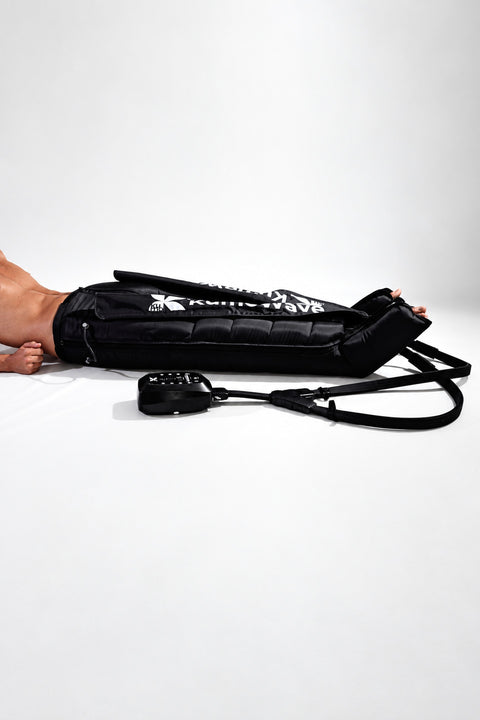
KumoWave Elite – Pressotherapy Pants
Full-coverage trousers. Ideal for lipedema, fluid retention and intensive use.
€799,00 €999,00
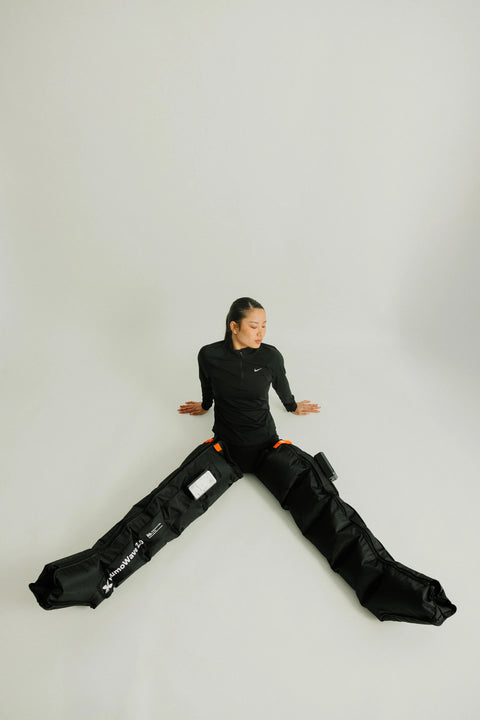
KumoWave 2.0 - Wireless Pressotherapy
Wireless, lightweight boots. Perfect for daily use and recovery.
€499,00 €599,00