
After 60, skin and legs change.
The good news is that you can act on two fronts at once: move your body to promote venous return and protect your skin to better retain its hydration and firm appearance. With age, skin loses collagen and elastin, becoming thinner and drier; additionally, spending too much time sitting or standing promotes ankle and leg swelling. (nia.nih.gov)
Facial red light
Bring your skin back to life
★★★★★ 4,8/5 · rated by verified customers
The KumoSkin LED mask helps repair and calm your skin in short sessions at home.
- 250 LEDs in flexible medical silicone
- Red light to boost collagen and glow
- 4 lights: red, infrared, blue and yellow
€329,00€429,00
−10% on your 1st order when you subscribe to the newsletter

What actually changes after 60
The most common changes are noticing less elasticity, more dryness, more pronounced lines, and slower skin recovery. Leg changes, such as heaviness or edema, can also appear, especially when daily activity decreases and hours of immobility accumulate. This is not a sentence: it's a signal to adjust habits. (nia.nih.gov)
- Skin loses thickness and elasticity, making it feel more fragile and less taut. (nia.nih.gov)
- Accumulated sun exposure accelerates wrinkles, spots, and dull texture. (nia.nih.gov)
- Sedentary lifestyle and hours of standing promote edema and heavy legs. (nhs.uk)
How to care for leg circulation
Move daily, even if just a little
NHS guidelines for over 65s recommend daily physical activity, strength and balance training at least two days a week, and breaking up long periods of inactivity. In practice, walking, moving around the house, or doing gentle ankle exercises helps blood circulate better. (nhs.uk)
Personalized protocol · included with your purchase
Want us to tell you how to use it in your case?
With your purchase, our experts prepare the ideal LED protocol for your skin type and goal (acne, wrinkles, dark spots…).
Message us on WhatsAppOur experts reply · no obligation
Elevate your legs and avoid prolonged immobility
If you notice swollen ankles, the NHS advises elevating your legs when you can, walking gently to improve blood flow, and avoiding sitting or standing for long periods without a break. It is also advisable to wear comfortable shoes and not constrict the area with overly tight clothing.
Compression as support
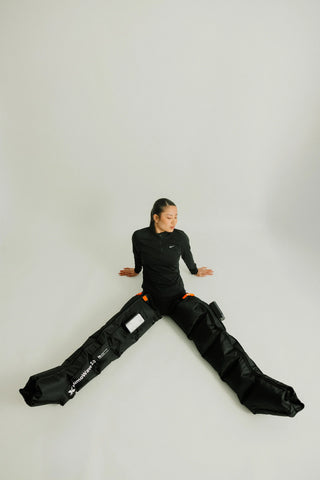
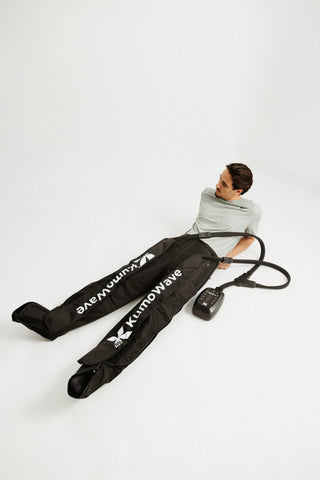
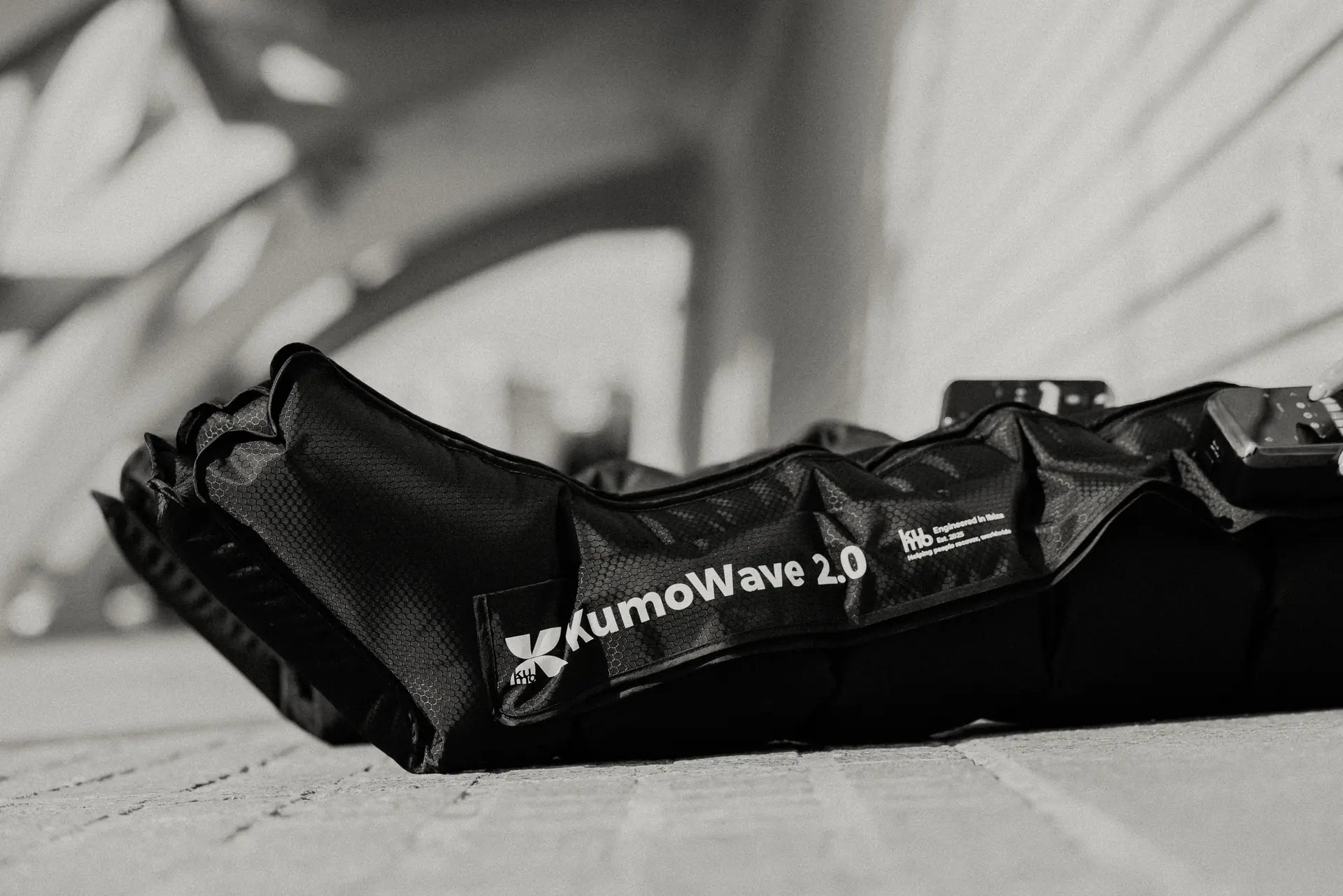
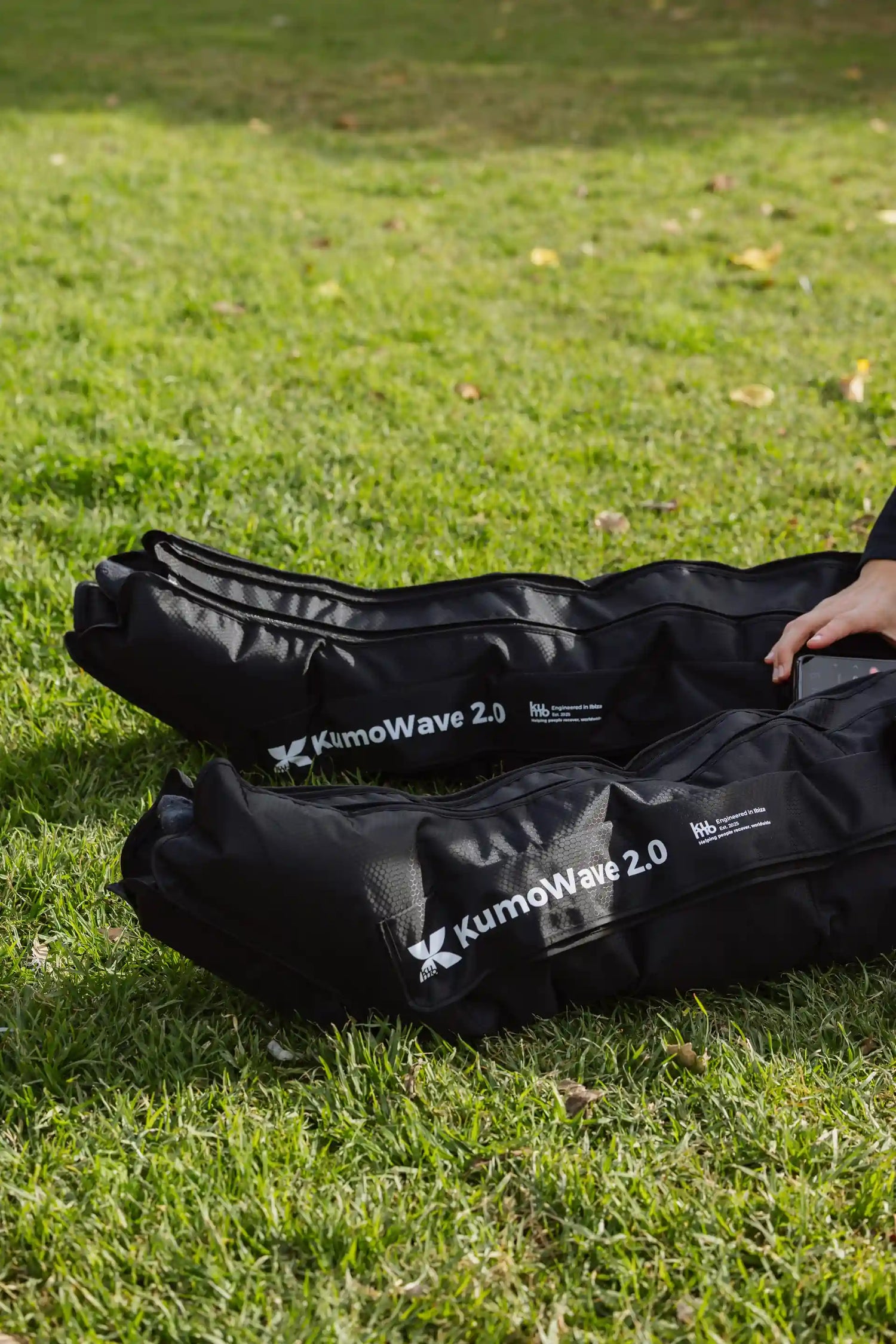
Compression therapy is used for venous and lymphatic edema; a PubMed review explains that it can decrease foot and leg volume and reduce venous reflux and venous hypertension. At home, an option like KumoWave 2.0 offers sequential compression with five independent chambers and adjustable pressure from 95 to 195 mmHg, as a complement to consistent habits. (pubmed.ncbi.nlm.nih.gov)
If you want to integrate this habit in an organized way, the home pressotherapy guide summarizes how to start and what to expect from pneumatic compression. (kumobalance.com)
on your first order when you join the newsletter
We send you the code instantly. No spam.
How to care for skin firmness without complicating things
The basics remain simple: sun protection, good hydration, and not overloading the skin with too many products. The AAD reminds us that sunscreen and moisturizer are two of the most useful anti-aging tools, and that hydration helps fine lines appear less prominent. (aad.org)
Photoprotection and hydration: the most effective duo
Use a broad-spectrum sunscreen with SPF 30 or higher every day and apply it to exposed skin; if you spend time outdoors, reapply. Afterward, a moisturizing cream or lotion helps trap water in the skin and temporarily improve the appearance of fine lines.
Short habits that care for the skin barrier
- Use lukewarm water and a gentle cleanser to avoid worsening dryness. (nia.nih.gov)
- Apply cream immediately after showering to better trap moisture.
- Reduce the number of products if your skin is easily irritated.
- Check if sun, tobacco, or stress are accelerating visible aging. (nia.nih.gov)
Not everything that promises to "firm" delivers
AAD dermatologists point out that a cream or lotion cannot lift sagging skin because it does not penetrate deep enough. It can provide a discreet visual improvement, especially if used consistently and if the formula suits your skin type. (aad.org)
Useful technology when you need an extra boost
LED Photobiomodulation: complementary skin support
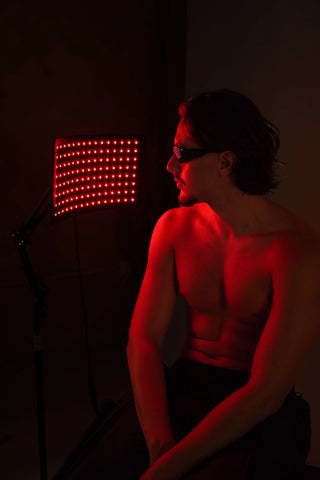
Photobiomodulation with red LED is a non-invasive technique that uses low-energy visible red light and near-infrared light. Kumo's guide presents it as skin support, and a 2023 clinical study on 20 healthy women evaluated wrinkles, firmness, elasticity, and texture after three months of sessions. (kumobalance.com)
In this context, KumoSkin Mask uses red light at 630–660 nm and near-infrared at 850 nm, two ranges that the product itself presents for firmness, wrinkles, and skin recovery. The red light therapy guide for skin explains the non-invasive approach and how it is used at home. (kumobalance.com)
Home pressotherapy: when it might fit
Therapeutic compression is used for venous and lymphatic edema, and is associated with reduced foot and leg volume and improved venous return. When well-planned, it can be a useful aid within a consistent routine, not a substitute for medical evaluation when there are significant symptoms.
A simple routine that fits into real life
Practical 7-day routine
| Time | What to do | Why it helps |
|---|---|---|
| Morning | Apply SPF 30+ and a facial or body moisturizer. | The AAD recommends broad-spectrum sunscreen and reminds that hydration helps trap water in the skin and soften fine lines. |
| During the day | Walk, move ankles, and break up periods of inactivity. | The NHS advises daily activity and reducing time spent sitting or lying down; additionally, walking helps improve blood flow. |
| Night | Elevate legs for 10–15 minutes if they feel heavy. | Elevating legs and gentle walking can improve flow and help with edema. |
| 2 days a week | Do strength, balance, and mobility exercises. | Guidelines for over 65s recommend strengthening muscles, balance, and flexibility at least two days a week. |
This routine is a general guideline, not a medical treatment. If you already have significant varicose veins, venous insufficiency, persistent edema, or very fragile skin, it is advisable to adapt it with a professional.
When to seek medical advice
Occasional swelling may improve with movement and elevation, but consult if the edema does not subside, worsens, or appears suddenly in only one leg, with pain, warmth, redness, or shortness of breath. The NHS also recommends evaluation if you have known heart, kidney, or venous disease.
- The swelling is unilateral and you don't know the cause.
- There is severe pain, warmth, or redness in the area.
- You notice shortness of breath, chest pain, or dizziness.
Frequently Asked Questions
What daily habits help leg circulation most after 60?
The most helpful are usually the most repeatable: walking every day, getting up frequently if you spend a lot of time sitting, moving your ankles and legs, and elevating them at the end of the day if you feel heaviness. NHS guidelines for over 65s also recommend strength, balance, and flexibility exercises at least two days a week. If swelling appears frequently, it is worth checking for varicose veins, edema, or another underlying cause.
Can cream restore firmness to sagging skin?
It can improve the appearance, but not "lift" sagging skin. The AAD explains that a cream or lotion does not penetrate deeply enough to truly tighten a flaccid area; however, a well-chosen moisturizer can make fine lines appear less prominent and make the skin feel more comfortable. If you also apply sunscreen daily, you reduce one of the factors that most accelerate the visible loss of firmness.
Is red LED light suitable for mature skin?
It can be a good complement, especially if you are looking for a non-invasive and consistent routine. Photobiomodulation has been studied in photoaging, and a 2023 clinical study evaluated wrinkles, firmness, and elasticity after repeated sessions for three months. However, it should be seen as support, not as a substitute for photoprotection, hydration, and stable habits. Consistency and the appropriate dose matter more than long and sporadic sessions. (pubmed.ncbi.nlm.nih.gov)
When should I consult a doctor for swollen ankles or heavy legs?
Consult if the swelling does not improve in a few days, worsens, appears suddenly in only one leg, or is accompanied by pain, warmth, redness, or shortness of breath. The NHS indicates that these signs may require urgent evaluation, especially if there is a history of heart, kidney, or venous disease. If edema is recurrent, it is also advisable to review habits, medication, and possible vascular causes.
Now what?
Start with a simple, maintainable gesture: walk a little more, hydrate your skin daily, and avoid spending too many hours immobile. If you then want to add home support, explore the pressotherapy collection and return to the Kumo Balance homepage to guide you through the available options. (kumobalance.com)

Facial red light
KumoSkin Mask – LED Facial Mask
★★★★★ 4,8/5 · rated by verified customers
- 250 LEDs in flexible medical silicone
- Red light to boost collagen and glow
- 4 lights: red, infrared, blue and yellow
€329,00€429,00· pay in installments with seQura or Klarna