Lipedema does have treatment in 2026. The most robust strategy remains stepped: first, conservative measures to control symptoms, and if that's not enough, surgery in selected cases.
The real priority is to alleviate pain, heaviness, and functional limitation, not to promise a “quick cure.” When the disease is accompanied by obesity or other edema, the plan changes even more and requires individualization.
Pressotherapy at home
End the day with light legs
★★★★★ 4,8/5 · rated by verified customers
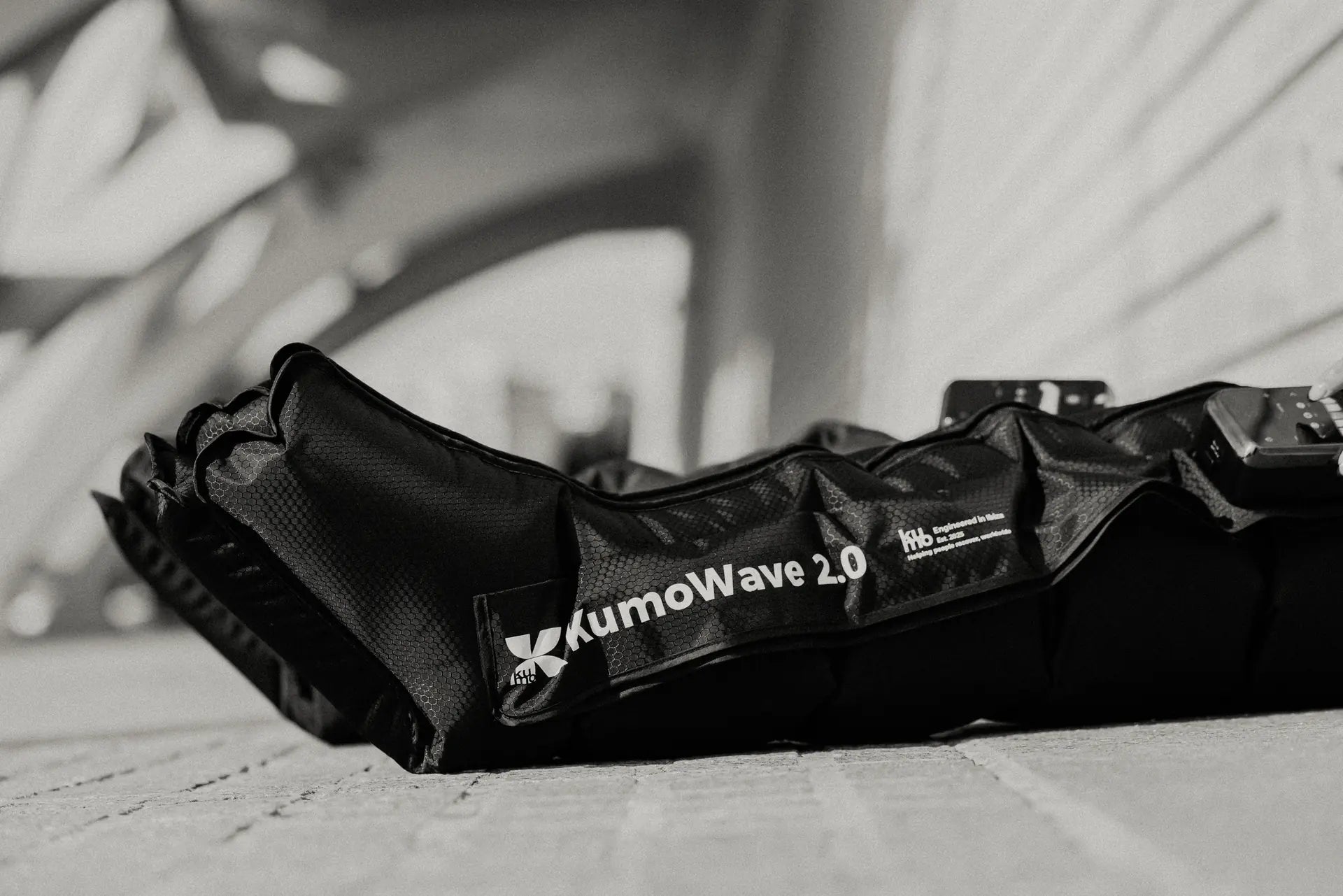
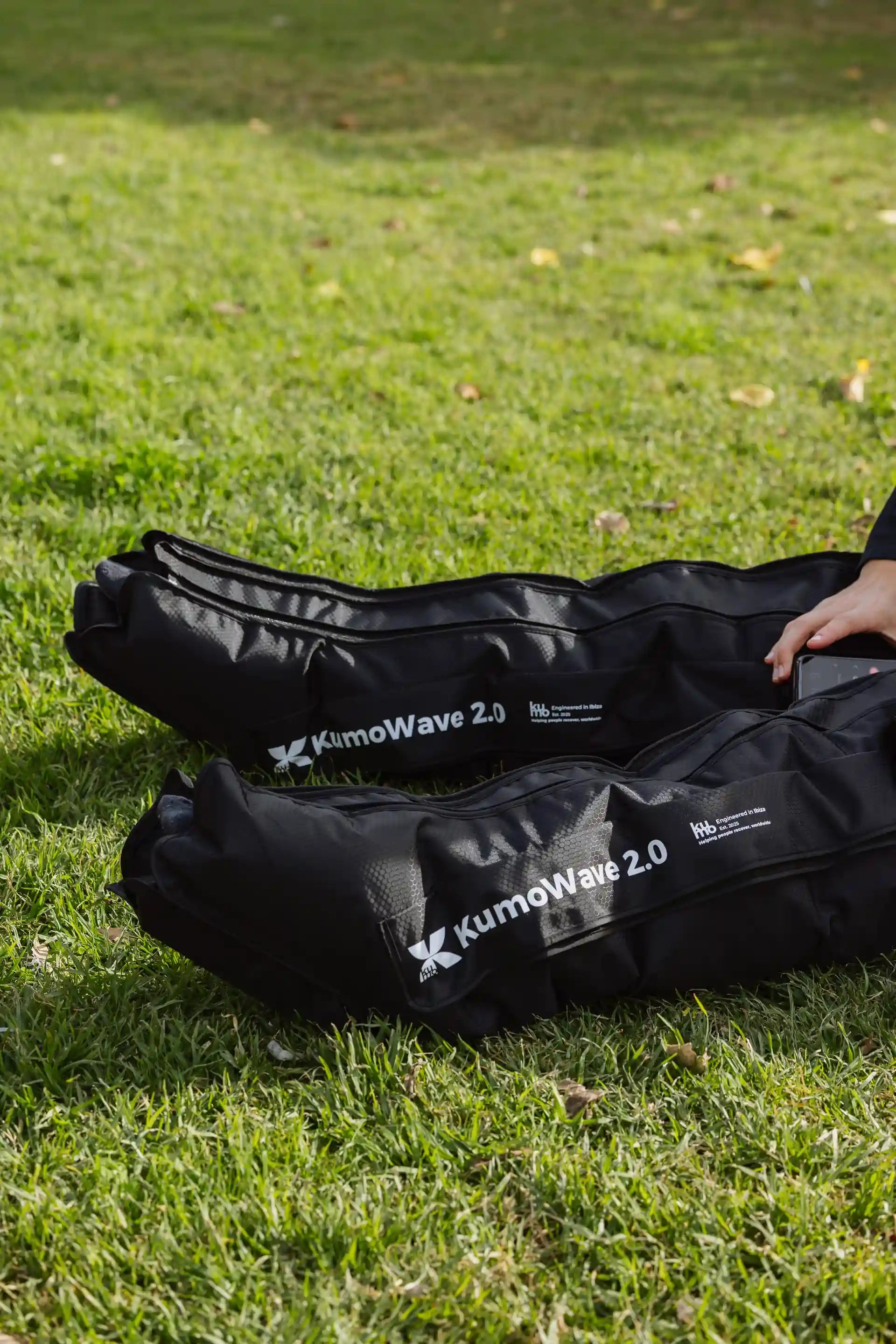
KumoWave pressotherapy boosts circulation and helps drain fluid with sequential compression, in 20-minute sessions at home.
- Boosts circulation and helps drain fluid
- Chamber-based compression, adjustable to you
- Sequential compression that mimics manual drainage
€799,00€999,00
−10% on your 1st order when you subscribe to the newsletter

The combination of compression, exercise, and, when appropriate, surgery remains the core of the clinical approach.
What you should know before choosing treatment
Lipedema is described as a painful, disproportionate disorder of fat distribution in the limbs, almost exclusively in women; it is usually symmetrical, spares the feet and hands, and causes pain upon palpation. Diagnosis remains clinical, and imaging tests are primarily reserved for differential diagnosis.
Personalized protocol · included with your purchase
Want us to tell you how to use it in your case?
With your purchase, our experts prepare a personalized usage protocol for your case: sport, circulation, fluid retention, pregnancy or lipedema.
Message us on WhatsAppOur experts reply · no obligation
If you want to review common signs and confusions before delving into treatments, you can start with how to recognize lipedema in time.
For a broader view of the clinical picture, lipedema: what it is, symptoms and treatments summarizes the diagnostic basis and general options.
- Volume usually increases symmetrically in the legs and, sometimes, arms, while the feet are usually relatively spared.
- Pain and pressure sensitivity are very characteristic and can worsen at the end of the day or with heat.
- Obesity can coexist, but it does not solely explain the lipedema pattern.
Real options in 2026
To organize the treatment, it is convenient to rely on the German S2k guideline on lipedema from 2024, the Spanish consensus on lipedema, and the evaluation of the Canary Islands Health Service on compression garments. Together, the three sources point to a conservative approach first, and surgical afterward, if necessary.
on your first order when you join the newsletter
We send you the code instantly. No spam.
Medical compression
Medical compression is one of the most useful tools for symptomatic control. The S2k guideline insists that its goal is to reduce pain and other subjective symptoms, not to slim adipose tissue; furthermore, a small pilot study observed less pain and less tendency to bruising when combined with exercise.
In Spain, the 2025 report from the Canary Islands Health Service indicated that the financing of compression garments for lipedema was not covered by the SNS at that time due to lack of sufficient evidence. This does not mean that they are not used, but rather that the indication and funding may change depending on the healthcare circuit and autonomous community.
Adapted exercise
Adapted exercise is part of the basic plan. The German guideline points out that training with compression garments or within a structured program is important to reduce pain, and adds that when associated obesity exists, weight loss should be addressed with nutrition, physical activity, and, if appropriate, behavioral support.
If you are interested in choosing specific activities, the practical guide on exercise for lipedema helps you understand what is usually best tolerated and what should be adapted.
Lymphatic drainage, physiotherapy and pressotherapy
Manual lymphatic drainage can be used as a complement when compression is not sufficient or cannot be applied, but there is no evidence to use it alone as a treatment for lipedema. The Spanish consensus also recalls that complex decongestive therapy and drainage are not indicated to reduce volume if there is no associated edema.
Pressotherapy or intermittent pneumatic compression can support pain and edema from another cause; it can even be used at home, but it does not replace medical compression or physiotherapy. If you want to see when it fits and when it doesn't, review pressotherapy and lipedema: usefulness and precautions.
Practical summary in a table
This summary helps you see what each tool does and what not to expect from it.
| Option | When it's used | What it provides | Main limitation |
|---|---|---|---|
| Medical compression | Pain, heaviness, and feeling of tension. | Can relieve symptoms; in a pilot, it improved pain and bruising along with exercise. | Does not reduce lipedema fat. |
| Manual lymphatic drainage | Complement when there is pain or associated edema. | Can modulate pain and help as part of a combined plan. | Not supported as a single therapy or as a way to reduce volume without edema. |
| Adapted exercise | For almost all patients, with progressive intensity. | Improves function and is part of pain control, especially if combined with compression. | Does not replace the rest of the approach. |
| Pressotherapy / IPC | Home support or in accompanied sessions. | Can help with pain and edema from another cause; the guide considers it safe as support. | Does not replace compression or manual physiotherapy. |
| Liposuction | Selected cases with persistent symptoms despite conservative treatment. | It is the surgical option with the best support for lasting tissue and symptom reduction. | Requires specialized unit and postoperative physiotherapy. |
The practical takeaway is simple: the main goal is to control symptoms and function; lasting volume reduction, when appropriate, usually depends on surgery.
When to consider liposuction
Liposuction is no longer considered merely a cosmetic procedure. The S2k guideline describes it as the surgical method of choice to achieve a lasting reduction of affected fatty tissue in the legs and arms, especially when there is pain resistant to conservative treatment, functional limitation, or orthopedic or dermatological sequelae.
The Spanish consensus emphasizes that the technique must be performed in specialized units, with specific postoperative physiotherapy, and that the indication should not be based solely on the clinical stage. If you want to understand how clinical severity is ordered, lipedema in legs: stages and approach can serve as a guide.
Recent evidence supports this view: a 2024 meta-analysis on liposuction in lipedema found significant improvements in quality of life, pain, pressure sensitivity, bruising, heaviness, and difficulty walking after surgery, although the evidence base remains heterogeneous.
What usually doesn't help or shouldn't be used as primary treatment
- Diuretics should not be used to treat lipedema, unless there is another independent medical indication.
- There is no approved medication specifically to eliminate lipedema or its characteristic fat.
- Analgesics can be considered at the beginning or during flare-ups, but clinical experience indicates that they rarely solve the problem on their own.
- Compression should not be presented as a way to reduce adipose tissue.
Does Social Security cover lipedema treatment in Spain in 2026?
The short answer is: there does not appear to be homogeneous state coverage for all lipedema treatment. The general regulation of the common portfolio of the SNS depends on Law 16/2003 and RD 1030/2006; in addition, the 2025 report of the Interterritorial Council includes work on the inclusion of compression garments for lipedema, while the report from the Canary Islands Health Service indicated that this funding was not covered by the SNS due to lack of sufficient evidence. Therefore, in practice, coverage still seems uneven and must be confirmed on a case-by-case basis.
Frequently asked questions
What treatments exist for lipedema in 2026?
Treatments fall into two broad groups. First, there are conservative measures: medical compression, adapted exercise, pain control, physiotherapy, and, as support, manual lymphatic drainage or pressotherapy. Then, in selected patients, liposuction is performed in specialized centers. The general idea is not to “cure” lipedema with a single technique, but to reduce symptoms, protect mobility, and choose the option that best fits the stage, pain, and whether there is associated edema.
Does Social Security cover lipedema treatment in Spain in 2026?
Not uniformly across the country. The common portfolio of the SNS is regulated at the state level, but the practical coverage of compression garments and other benefits depends on how each resource has been incorporated. The Ministry reflected in 2025 the debate on the inclusion of compression garments for lipedema, while the Canary Islands report still pointed to a lack of coverage due to insufficient evidence. In practice, the answer may vary depending on the autonomous community, indication, and care circuit.
What is complex decongestive therapy for lipedema and does it work?
Complex decongestive therapy combines several elements: manual lymphatic drainage, compression, exercise, and skin care. In lipedema, it can be particularly helpful for pain and, in some cases, associated edema, but the Spanish consensus warns that it is not indicated for volume reduction if there is no edema. The most prudent conclusion is that it can be useful as part of the plan, but not as a single or universal solution.
Is liposuction the most effective treatment for lipedema?
It is the option with the best support when a lasting reduction of affected tissue is sought and symptoms persist despite conservative treatment, but it is not for everyone. The S2k guideline places it as the surgical method of choice in selected cases, and recent studies show improvements in pain, mobility, and quality of life. Even so, it requires careful selection, a specialized team, and subsequent rehabilitation.
Are there approved medications or pharmacological treatments for lipedema?
There is no medication specifically approved to treat lipedema. The German 2024 guideline considers that drug treatment is not useful as a therapeutic axis and advises against diuretics unless there is another medical indication. If there is pain, obesity or another associated condition, these problems can be treated with their own protocols, but this is not equivalent to having a drug that cures lipedema.
What now?
If you want to delve deeper with a practical vision, start with Lipedema treatment: real options and what really works and continue from the Kumo Balance homepage.
KumoWave pressotherapy
Choose your at-home pressotherapy
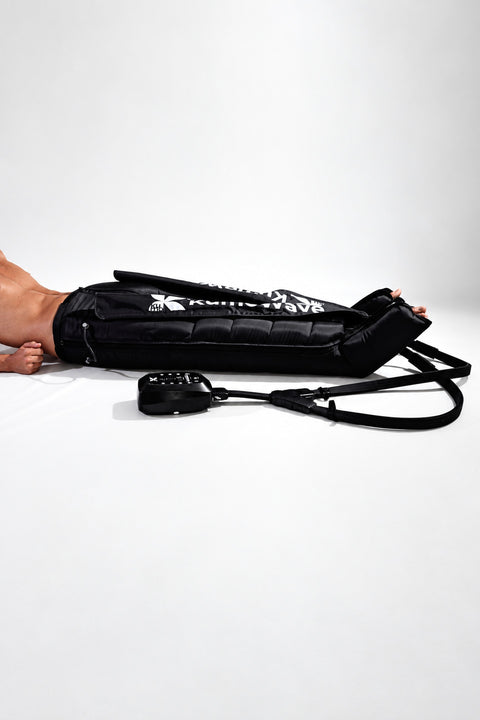
KumoWave Elite – Pressotherapy Pants
Full-coverage trousers. Ideal for lipedema, fluid retention and intensive use.
€799,00 €999,00
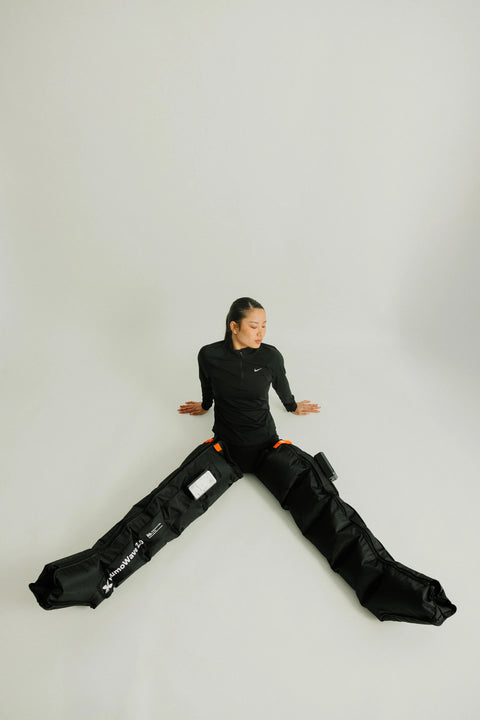
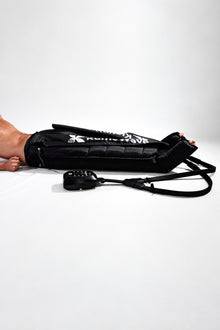
KumoWave 2.0 - Wireless Pressotherapy
Wireless, lightweight boots. Perfect for daily use and recovery.
€499,00 €599,00