Cellulite can indeed improve.
Whether you're looking to treat it in a salon or at home, the key is to adjust the plan to the type of cellulite, the time you have, and what you can consistently maintain. Current evidence shows that there is no single solution: the best strategies usually combine habits, topical treatments, and, in more pronounced cases, specific procedures. (pubmed.ncbi.nlm.nih.gov)
Pressotherapy at home
End the day with light legs
★★★★★ 4,8/5 · rated by verified customers
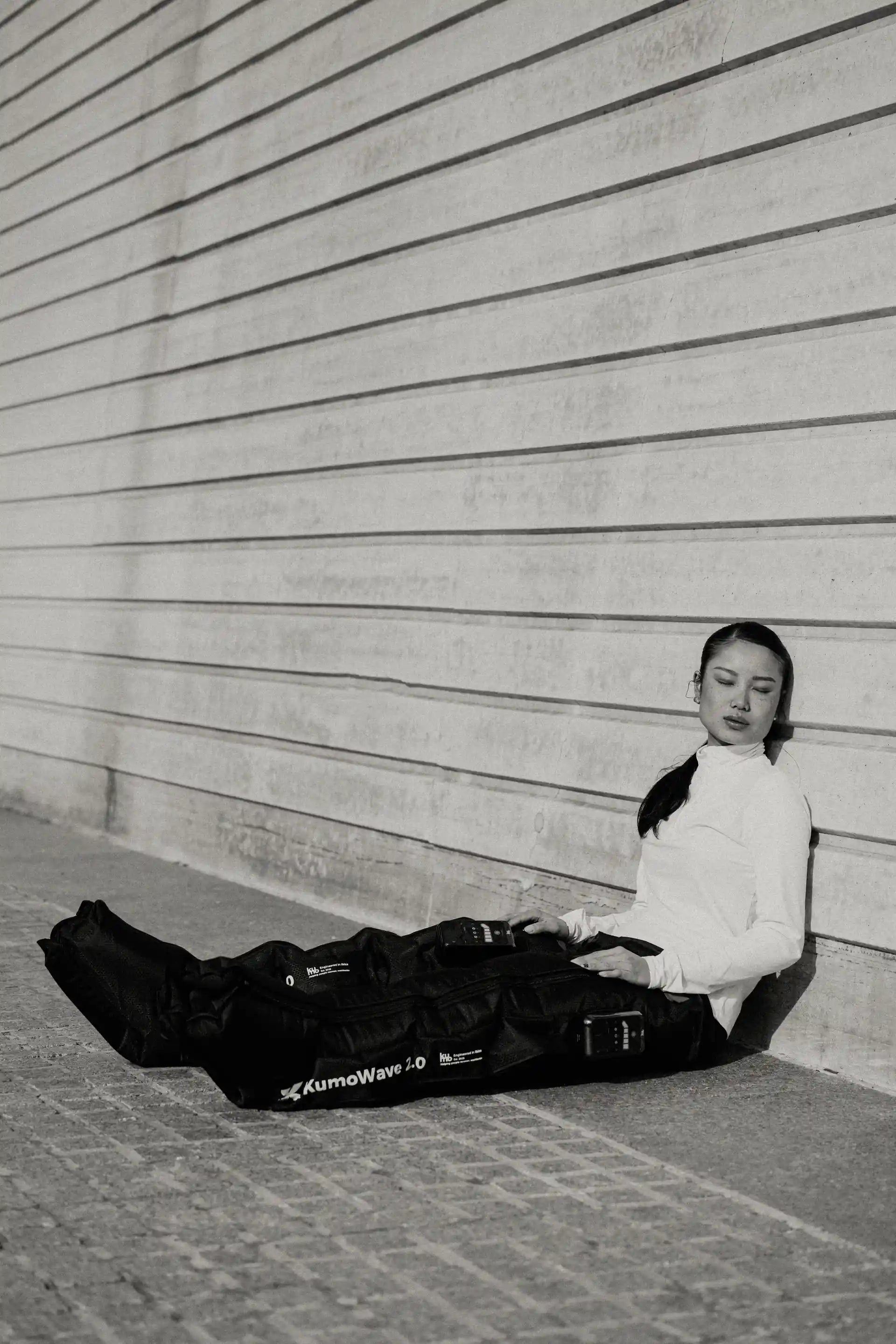
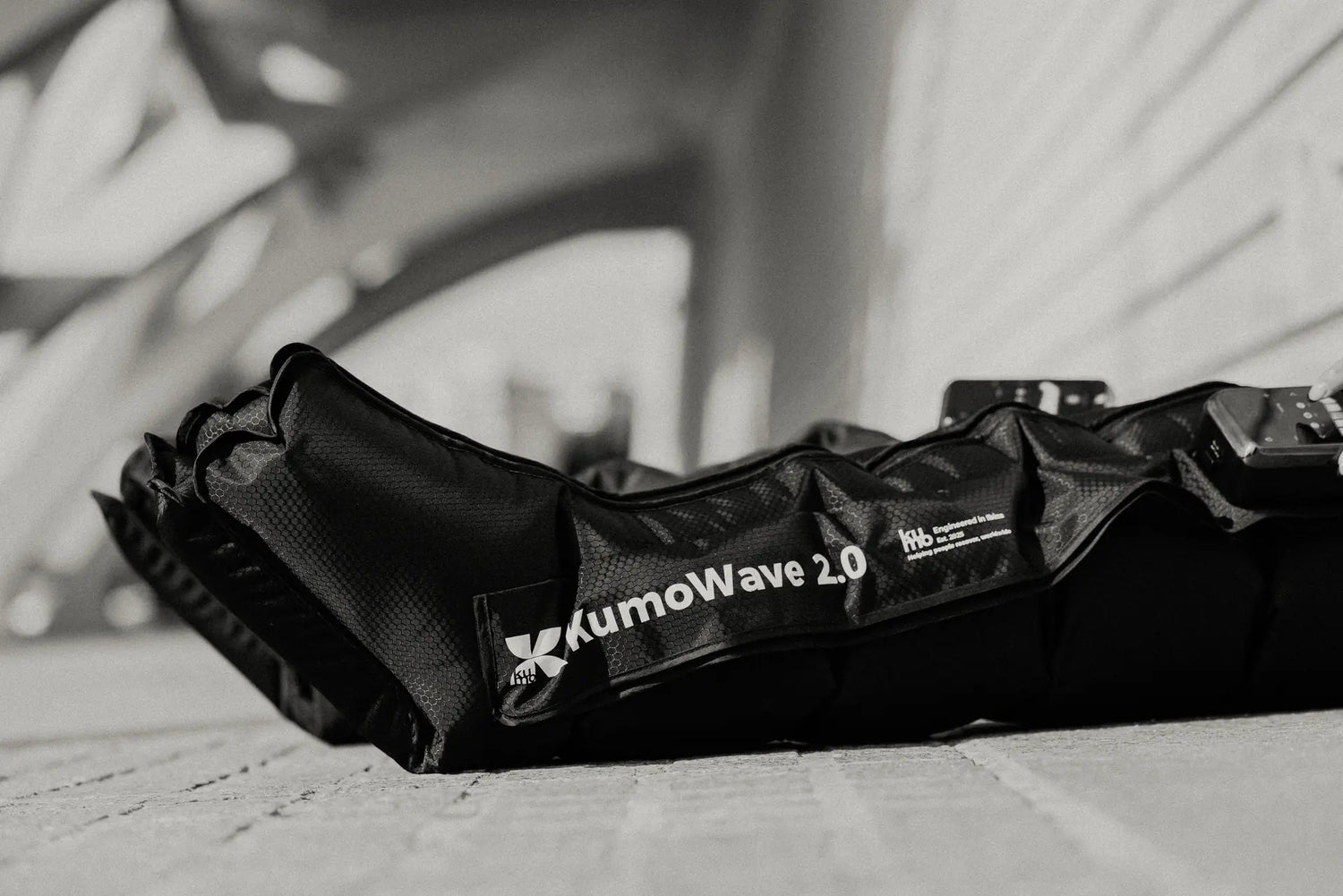
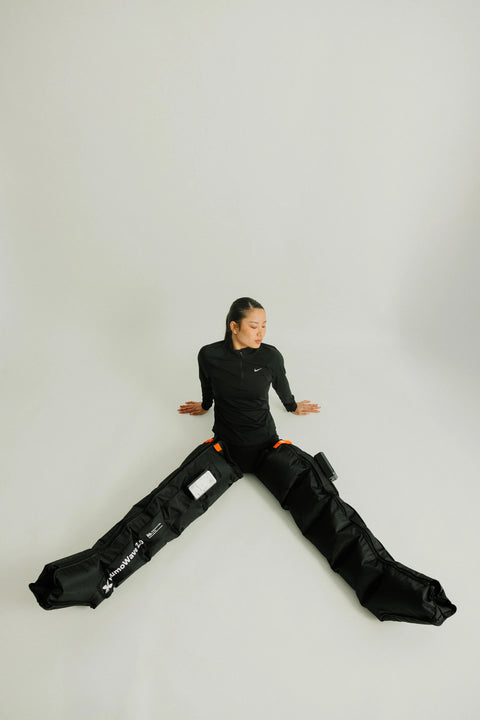
KumoWave pressotherapy boosts circulation and helps drain fluid with sequential compression, in 20-minute sessions at home.
- Boosts circulation and helps drain fluid
- Chamber-based compression, adjustable to you
- Sequential compression that mimics manual drainage
€829,00€999,00
−10% on your 1st order when you subscribe to the newsletter

What is cellulite and why does it appear?
We are talking about aesthetic cellulite: the dimpled skin appearance that mostly appears on the thighs, buttocks, and abdomen. It is not a serious health problem, but it is a very common alteration. Cleveland Clinic notes that it affects 80%-90% of women after puberty, and the main cause is related to fibrous bands, subcutaneous fat, genetics, and hormonal changes. (my.clevelandclinic.org)
This explains why it isn't corrected in the same way as a simple fat accumulation. In many cases, the realistic goal isn't to eliminate it 100%, but rather to soften the texture and make it less visible.
Personalized protocol · included with your purchase
Want us to tell you how to use it in your case?
With your purchase, our experts prepare a personalized usage protocol for your case: sport, circulation, fluid retention, pregnancy or lipedema.
Message us on WhatsAppOur experts reply · no obligation
If you also notice pain, tenderness, or significant swelling, it's worth differentiating between cellulite and lipedema, because they are not treated the same way. Cleveland Clinic clearly distinguishes both conditions; if you want a simpler read, you can find lipedema or cellulite: how to differentiate them without errors.
In-office treatment: what options have the best support?
The AAD guide to evidence-based treatments and the Mayo Clinic's view on duration and side effects agree that the best options depend on the depth of the dimple and how much change you expect to achieve. In practice, in-office techniques aim to break or release the bands that pull on the skin, or temporarily improve surface quality. (aad.org)
Options with more support in-office
- Acoustic wave: usually requires several sessions and can reduce the appearance, although it does not offer a definitive solution.
- Laser and radiofrequency: can improve texture; at Mayo Clinic, some laser results are maintained for 6 months to 1 year, and radiofrequency requires several sessions.
- Subcision and vacuum-assisted tissue release: act on the fibrous bands that pull on the skin; the AAD cites results of 2 years or more for Cellfina and up to 3 years in small studies with vacuum-assisted release.
- Mechanical massage or endermologie: can provide slight, but short-lived improvement; if stopped, cellulite usually reappears.
However, it is not advisable to idealize in-office treatments: improvement is usually partial, may require maintenance, and some techniques can leave temporary bruising, discomfort, or redness. Mayo adds that procedures using needles or incisions can cause pain and bleeding under the skin, so the practitioner's experience is very important.
on your first order when you join the newsletter
We send you the code instantly. No spam.
At-home treatment: habits and topical products that actually help
At home, the best foundation remains simple: physical activity, reasonable nutrition, hydration, and consistency. A clinical review published in 2024 summarizes that for mild cellulite, lifestyle changes and topical treatments as a complement are the most logical approach; for moderate to severe cases, the evidence favors more potent treatments. If you want to better understand why some routines help more than others, it's worth reviewing cellulite: causes, types, and solutions that work.
Exercise doesn't erase cellulite, but it can make it less visible by increasing muscle tone and circulation. Mayo Clinic estimates it usually takes 2 to 3 months to notice changes, and Cleveland Clinic mentions running, cycling, and strength training as useful options. If you want to turn it into a routine, these exercises to truly reduce it are a good starting point.
Among daily use products, 0.3% retinol cream is one of the few that the AAD and Mayo mention with some basis: it can help thicken the skin and reduce visible dimpling, but it requires patience. We're talking months, not days; the AAD notes that changes can take 6 months or more, and Mayo indicates it's usually applied once or twice a day.
Caffeine-based formulas can also make skin appear somewhat less marked, though the effect usually depends on daily use and is modest. Before applying them over the entire area, it's advisable to test them on a small patch as they can cause irritation or skin reaction.
Pressotherapy and drainage: when can it help?
If you already include at-home pressotherapy in your routine, use it as a comfort and consistency support. The evidence on massage and lymphatic drainage suggests an improvement that is more complementary and often temporary; that's why it's reasonable to see it as one more piece of the plan, not the complete plan. To adjust expectations, you might also find it helpful to read pressotherapy and cellulite: realistic results.
The idea is simple: if your main goal is skin texture, you need something that acts on the structure of the dimple; if your secondary goal is to feel lighter and maintain a pleasant routine, drainage tools can fit well as a complement. This reading is a practical inference from the available evidence on massage, lymphatic flow, and temporary results.
In-office or at home: how to choose based on your goal
The best choice depends on what you want to improve: if you're looking for faster change or your cellulite is more pronounced, in-office treatments usually offer more powerful tools; if the priority is maintenance or mild cellulite, at-home care may suffice as a foundation. The 2024 clinical review precisely proposes a stepped approach: habits for mild cases, non-invasive procedures for moderate cases, and minimally invasive techniques for the most intense ones. If you want to see it with a more organized logic, the guide on cellulite treatments in-office vs. at home summarizes this map very well.
What to expect based on the objective
| Scenario | What usually works best | Estimated time | What you should know |
|---|---|---|---|
| Mild cellulite | Daily habits + retinol or caffeine cream | Exercise: 2-3 months; retinol: 6 months or more | This is the most reasonable foundation when the texture is smooth and you want progressive change. |
| Moderate cellulite | Radiofrequency, laser, or acoustic wave therapy | Several sessions; improvement is usually temporary | Radiofrequency stands out in current literature; laser can maintain results between 6 and 12 months. |
| Very pronounced cellulite | Subcision or vacuum-assisted tissue release | From 1 month to notice changes to 2-3 years in some cases | They act on the fibrous bands that pull on the skin, which is why they usually offer more visible changes. |
| What should not be the foundation | Liposuction, supplements, or rollers as a sole solution | — | Fat is not the same as dimpling, and several of these methods do not have solid evidence for cellulite. |
Key idea: the more visible and structural the cellulite, the more sense an in-office technique makes; the milder or for maintenance, the more weight habits and topical treatments have.
Frequently asked questions
Which in-office anti-cellulite treatments typically yield the best results and how long do they last?
For visible results, subcision and vacuum-assisted tissue release are often among the most solid options when cellulite is very pronounced; the AAD reports high satisfaction and a duration of 2 to 3 years in some cases. Laser can maintain improvement for 6 months to 1 year, while radiofrequency and acoustic wave therapy usually require several sessions and their effects are more temporary. In summary, the more structural the dimpling, the more sense techniques that release fibrous bands make.
Is it possible to reduce the appearance of cellulite with at-home treatments, and how long does it take?
Yes, but the change is usually gradual and moderate. The AAD highlights 0.3% retinol and Mayo agrees that the cream needs at least 6 months to show something. Additionally, exercise and lifestyle changes can make the skin less visible in 2 to 3 months, especially if you gain muscle tone and improve circulation. The trick isn't to do a lot for one week, but to sustain the routine.
What are the differences between in-office and at-home treatments for cellulite?
In-office means more powerful tools, aimed at moderate to severe cases, with more noticeable but often temporary results. At-home means a maintenance base for mild cases, with exercise, hydration, diet, and topical treatments; its improvements are slower and more discreet, but sustainable. The 2024 clinical review precisely proposes a stepped approach according to severity.
What are the risks or side effects of in-office anti-cellulite treatments?
The most common side effects are bruises, tenderness, redness, or temporary swelling. Mayo also mentions pain and bleeding under the skin in procedures involving needles or incisions, and the AAD reminds that results can be temporary and not all methods work equally well. Therefore, it is advisable to consult experienced professionals and request a clear explanation of the risks before starting.
What at-home products complement professional anti-cellulite treatments?
Creams with 0.3% retinol and caffeine-based formulas are the most cited complements by the AAD; they should be used consistently and tested first on a small area. A gentle massage or drainage routine can also fit as support, although the improvement is usually limited if used alone. For a practical view of the at-home approach, the most sensible focus is to combine topicals, movement, and realistic expectations.
What now?
If you want to take the next step, remember one simple idea: the best treatment is the one you can maintain. Start with the most realistic option for your case, and if you want to continue exploring the wellness and recovery approach, visit the Kumo Balance home page.
KumoWave pressotherapy
Choose your at-home pressotherapy
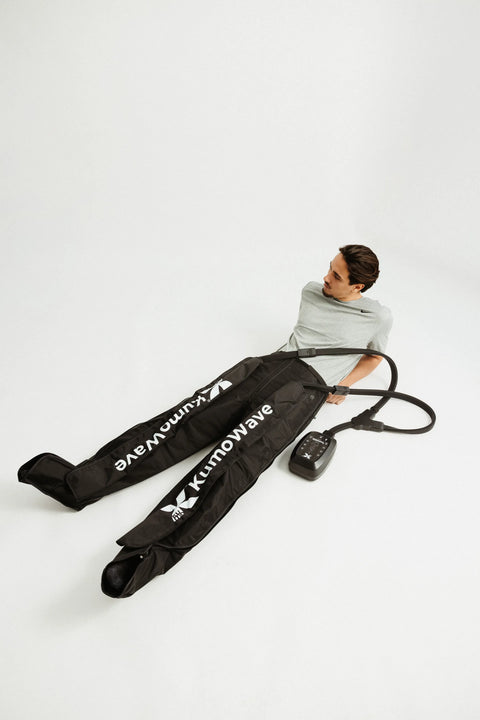
KumoWave Elite – Pressotherapy Pants
Full-coverage trousers. Ideal for lipedema, fluid retention and intensive use.
€829,00 €999,00
KumoWave 2.0 - Wireless Pressotherapy
Wireless, lightweight boots. Perfect for daily use and recovery.
€499,00 €599,00