
Taking care of your skin and muscles doesn't have to involve needles or surgery.
In recent years, non-invasive treatments have become a favorite way to improve skin quality, accelerate muscle recovery, and relieve heavy legs—all without surgery. This guide will explore how the main technologies work (LED light therapy, red light therapy for muscles, compression therapy, and percussive massage), what science says about them, and how to integrate them into your wellness routine.
Red & infrared light
Recover faster, at home
★★★★★ 4,8/5 · rated by verified customers
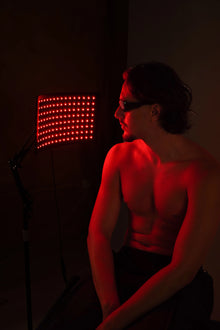
The KumoLux panel supports muscle recovery with full-body red and infrared light.
- 660 nm red + 850 nm infrared light
- Full-body muscle recovery
- Clinically validated biohacking protocols
€399,00€499,00
−10% on your 1st order when you subscribe to the newsletter

The goal is not to replace your dermatologist or physiotherapist, but to help you understand what these tools can contribute to complementing an active and healthy lifestyle.
What are non-invasive treatments and why are they booming?
When we talk about non-invasive treatments, we are referring to techniques that act on the surface of the body or the most superficial tissues without cutting, puncturing, or inserting instruments into the body. They often rely on technologies such as light, air pressure, or mechanical vibration.
Personalized protocol · included with your purchase
Want us to tell you how to use it in your case?
With your purchase, our experts set up your red and infrared light sessions for your sport and goal.
Message us on WhatsAppOur experts reply · no obligation
Compared to invasive procedures (cosmetic surgery, injections, ablative lasers), these options aim to:
- Minimize risk and recovery time : they usually do not require anesthesia or subsequent rest.
- Offer gradual results : subtle but cumulative improvements with consistent use.
- Being easy to integrate into the home : many devices are designed for domestic use, always following safety instructions.
Photobiomodulation with red light, external compression, and percussive massage are good examples: they have moved from the clinical and sports fields to being available to the end user, although the scientific evidence continues to grow and is not definitive in all cases. ( pubmed.ncbi.nlm.nih.gov )
Non-invasive skin treatments: light and regeneration
Red light and LED therapy: how it works on the skin
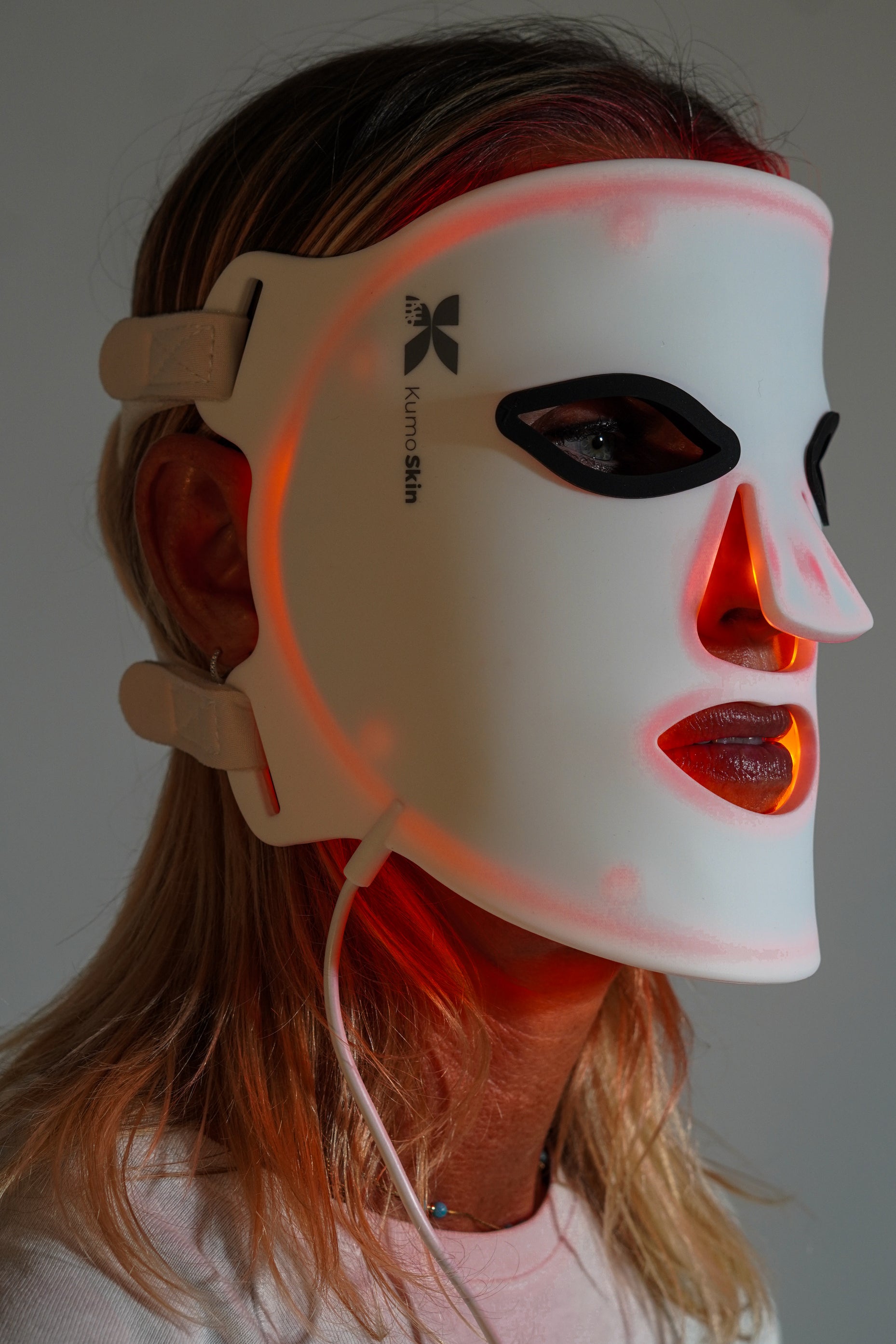
Red and LED light therapy uses visible (red) and near-infrared (approx. 600–850 nm) wavelengths to stimulate skin cell activity in a process called photobiomodulation. ( espanol.hartfordhealthcare.org ) This light energy is absorbed by the mitochondria, increasing energy (ATP) production and modulating processes such as inflammation or collagen synthesis.
on your first order when you join the newsletter
We send you the code instantly. No spam.
Health organizations and clinical reviews indicate that, when used correctly, low-intensity red light is a generally safe and non-thermal method (it does not burn the skin), although its effects depend on the quality of the device, the light dose, and consistency of use. ( en.wikipedia.org )
Common benefits observed in the skin
The most frequently cited potential benefits of red and LED light therapy at the skin level include: ( espanol.hartfordhealthcare.org )
- Reduction of fine lines and mild wrinkles , associated with an increase in collagen production.
- Improves tone and luminosity by promoting microcirculation and calming inflammation.
- Support in the control of inflammatory acne , especially when red and blue light are combined in specific protocols.
- Improved healing of minor irritations or redness, by optimizing cellular repair processes.
Improvements are usually subtle and gradual : dermatologists report visible changes, especially in mild to moderate wrinkles, after several weeks of consistent treatment. This is far from the immediate results of an ablative laser, but with fewer side effects and no downtime. ( aarp.org )
How to integrate an LED mask into your skincare routine
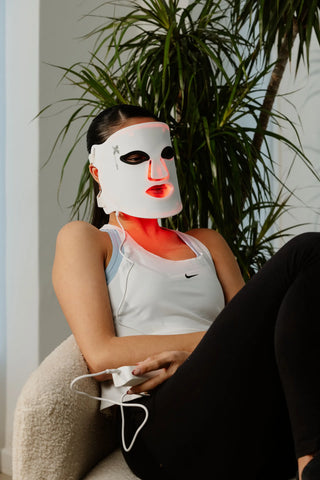
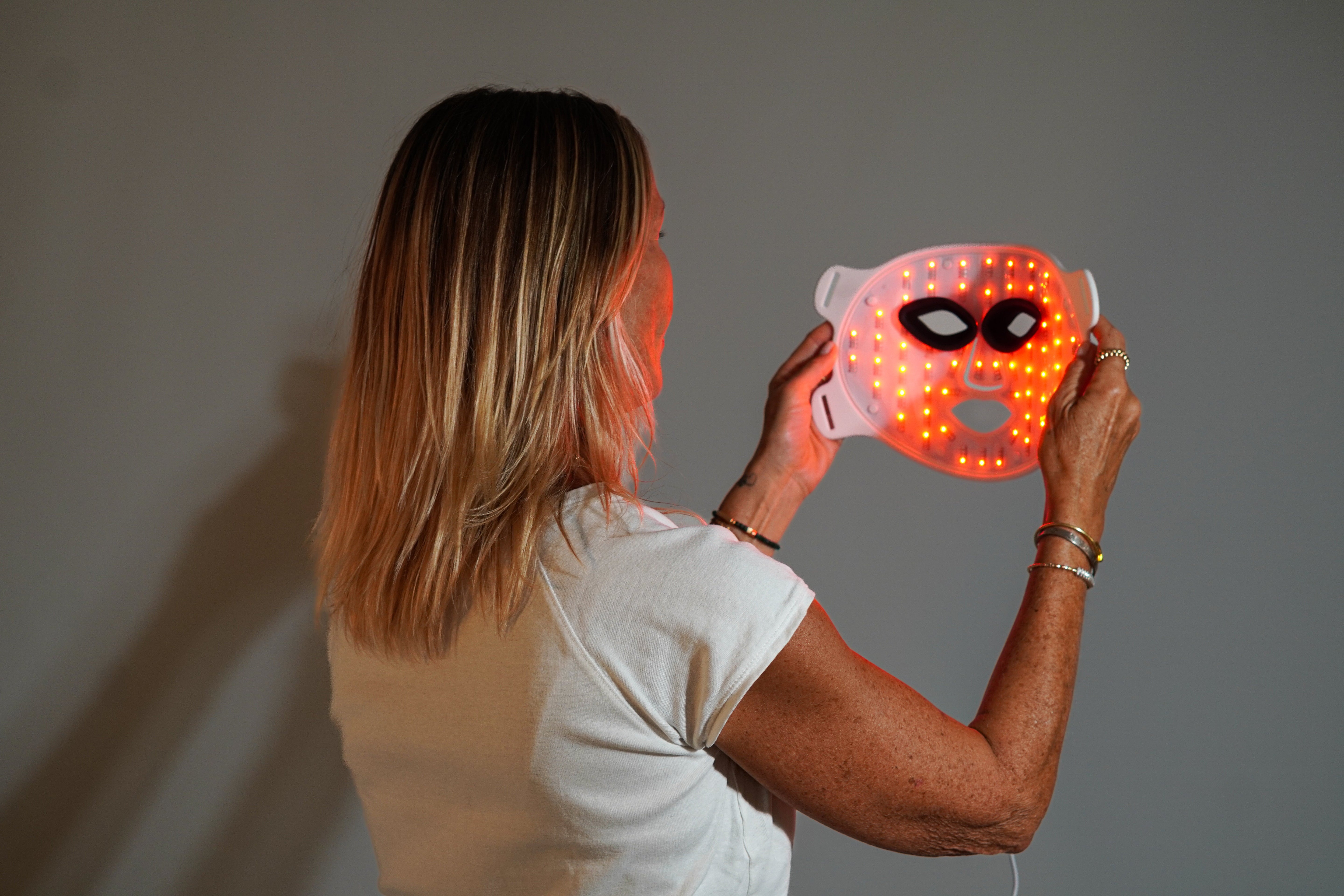
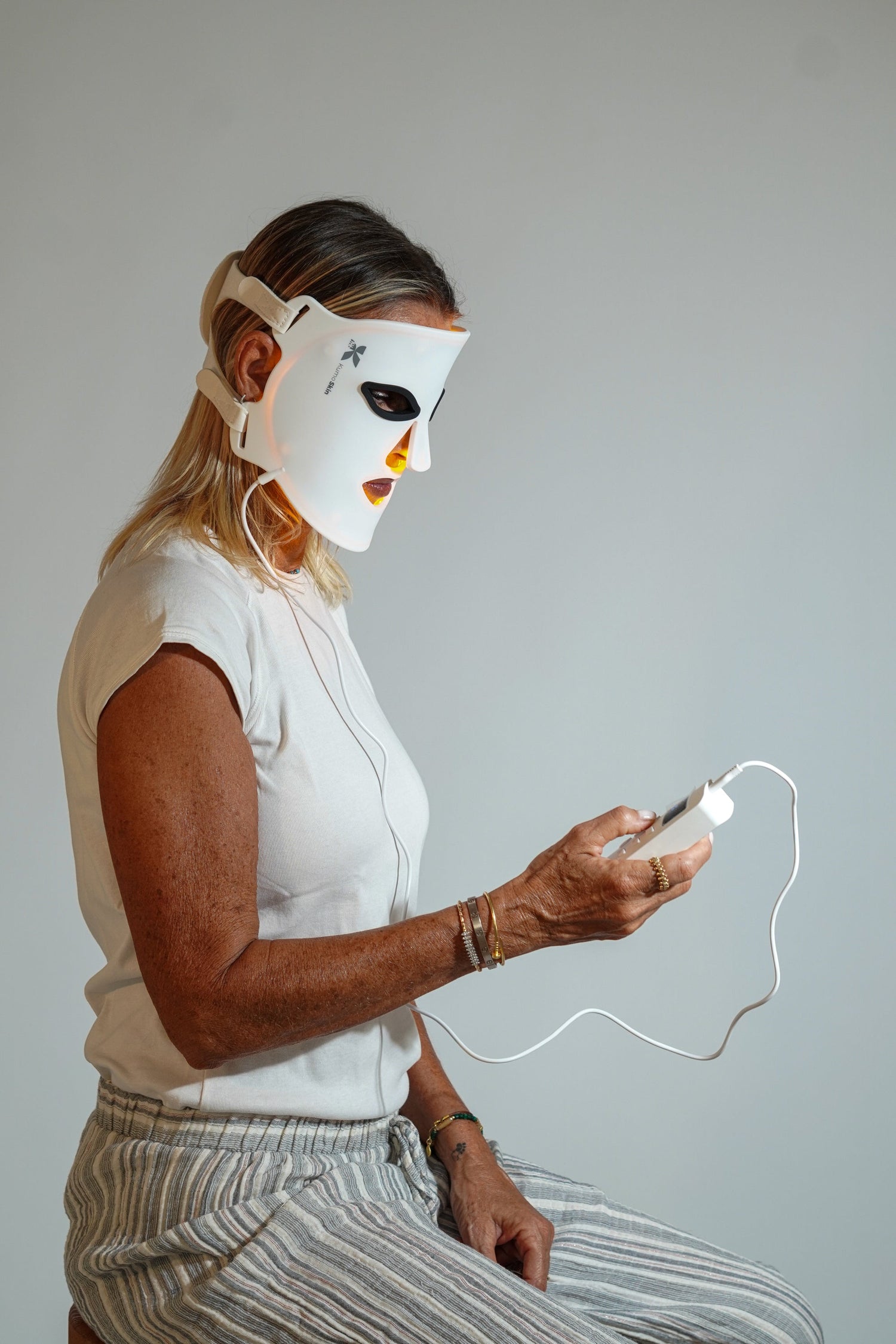
One of the most convenient ways to take advantage of these effects is with at-home LED facial masks . Many protocols use sessions of about 10–20 minutes, between 2 and 5 times per week, depending on the goal and skin sensitivity. ( health.com )
General recommendations for responsible use:
- Start with a moderate frequency (for example, 2–3 times per week) and see how your skin responds.
- Use the mask on clean skin, and apply your moisturizing routine afterwards if the manufacturer allows it.
- Always protect your eyes with the included accessories or with the integrated opaque systems.
- If you have very sensitive skin, severe rosacea, melasma, or are taking photosensitizing drugs , consult your dermatologist first.
If you're interested in incorporating this technology at home, you can explore KUMO's LED light therapy devices , designed to combine effectiveness, safety, and a pleasant user experience.
Non-invasive muscle treatments: needle-free recovery
Red light for muscle recovery and rest
The same photobiomodulation used on the skin is also being applied to muscles and joints . Studies on red light and near-infrared light suggest that certain doses can reduce inflammatory markers, modulate pain, and support functional recovery after exercise, although optimal timing and frequency protocols are still being standardized. ( pubmed.ncbi.nlm.nih.gov )
On a practical level, many users employ red light panels or devices on stressed muscle groups for 10–20 minutes after physical activity, as part of a routine that also includes hydration, adequate sleep, and recovery-oriented nutrition. ( health.com )
In addition, exposing the eyes (always safely and without glare) to warmer, dimmer light at night, in contrast to blue screens, can promote sleep hygiene, although this depends more on brightness control and timing than on the specific device.
Pressotherapy and pneumatic compression: relief for tired legs
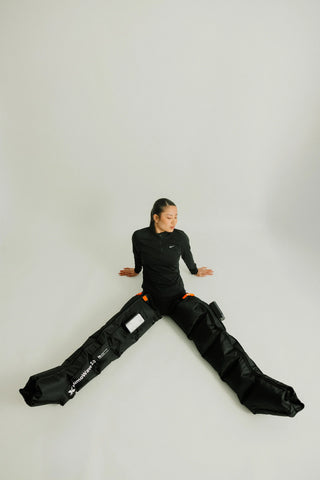
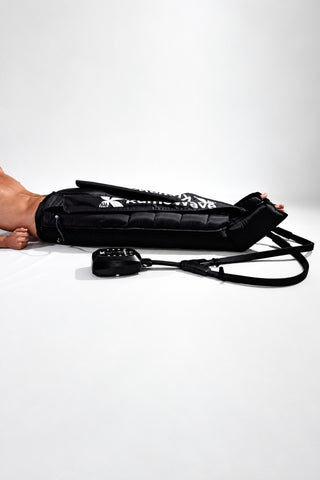
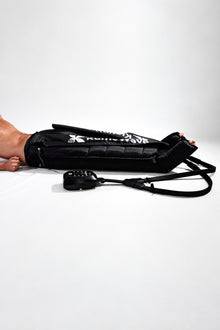
Pressotherapy uses boots or sleeves that inflate sequentially, applying pressure from the bottom up to promote venous and lymphatic return. It is an evolution of graduated compression (sporting stockings and tights) that has been used for years in the sports and medical fields.
Systematic reviews on compression garments show that, although the direct impact on performance during exercise is limited, improvements are observed in indicators of muscle function and in the perception of pain and fatigue during the recovery period. ( pubmed.ncbi.nlm.nih.gov ) This supports its use as a comfort and recovery tool, especially after intense training or many hours of standing.
Pressotherapy boot sessions typically last between 20 and 45 minutes, following the pressure and program recommended by the manufacturer. They are perceived as a deep yet even massage, ideal for:
- Athletes seeking to accelerate the feeling of recovery after demanding sessions.
- People with heavy legs due to standing work or long journeys.
- Users who prefer a passive and very relaxing option.
As with any intense compression, people with vascular disease, venous thrombosis, heart failure, or high-risk pregnancy should consult their doctor beforehand.
If this form of recovery appeals to you, you can discover KUMO's compression boots and solutions , designed for regular use at home or between sports sessions.
Percussive massage guns: when they can help
Massage guns apply rapid, low-amplitude shocks to muscles, generating localized vibration. A 2023 systematic review indicates that they can improve short-term flexibility, range of motion, and some recovery-related parameters, while their effect on maximum strength or explosive performance is limited or even negative if used just before exertion. ( mdpi.com )
Therefore, they are usually recommended more as a recovery and mobility tool than as an immediate performance enhancer. Used judiciously, they can:
- Reduce the feeling of stiffness in heavily loaded areas.
- Help prepare the tissue before gentle stretching.
- Offer a practical self-massage at home or after the gym.
It is important to avoid bony areas, joints, acute injuries or undiagnosed inflammatory processes, and always start with moderate intensities.
If you're looking for this type of tool, the KumoPulse Air massage gun is designed to provide a deep but controllable massage, with different heads and intensity levels to suit each muscle group.
Comparative table of non-invasive treatments for skin and muscles
| Treatment | Main objective | Sensation during use | Approximate session duration* | Ideal for |
|---|---|---|---|---|
| LED face mask (red/multicolor light) | Improve texture, luminosity and fine wrinkles | Soft light, without pain or intense heat | 10–20 min, 2–4 times/week | Anti-aging care for dull skin or mild redness |
| Red light for muscles | Support recovery and modulate inflammation | Light heat or neutral sensation, very localized | 10–20 min per zone | Athletes and people with habitual muscle overload |
| Pressotherapy boots | Promotes circulation and relieves heavy legs | Rhythmic compression, similar to a “kneading” | 20–45 min per session | Leg recovery after sports or long days on your feet |
| Percussive massage gun | Reduce stiffness and improve range of motion | Intense vibration but adjustable in depth | 1–2 min per small muscle group, up to 5 min for large ones | Active users seeking focused self-massage |
*These are guidelines based on standard wellness study and practice protocols; always follow the specific instructions for each device and consult a professional if you have any questions. ( health.com )
How to choose the right non-invasive treatment for you
1. Define your main objective
Before investing in any technology, ask yourself what you want to improve as a priority:
- Skin : fine wrinkles, uneven texture, redness, lack of luminosity.
- Muscles : stiffness after training, feeling of persistent “loads”.
- Legs : swelling and heaviness at the end of the day or after long journeys.
- General well-being and rest : relaxation rituals that facilitate disconnecting.
Depending on your answer, it might make more sense to start with an LED mask, compression boots, or a massage gun, and then add more later.
2. Combine technologies intelligently
Many people experience better results by combining several non-invasive treatments throughout the week, without overloading their bodies on the same day. For example:
- Days of intense leg training: pressotherapy session + gentle stretching.
- Weeknights: LED face mask while taking deep breaths and disconnecting from screens.
- Weekends: massage gun on particularly stiff areas (buttocks, upper back) followed by a warm shower.
The key is to listen to your body: if an area feels more sensitive than normal, reduce intensity or frequency, and if there is acute pain or significant inflammation, prioritize professional assessment.
3. Basic safety and when to consult a professional
Although we're talking about non-invasive therapies, they're not without precautions. Keep these general guidelines in mind:
- Check that the device has recognized safety certifications and clear specifications for power and wavelength in the case of light. ( ft.com )
- Do not use red light or LED directly on unprotected eyes or suspected skin lesions.
- Avoid intense pressotherapy if you have a history of thrombosis, severe venous insufficiency, or cardiovascular disease , unless otherwise indicated by a doctor.
- When using massage guns, do not focus on recent fractures, prostheses, highly inflamed areas , or areas without a diagnosis.
In case of dermatological disease, chronic pain, recent surgery or pregnancy, it is best to discuss any new device with your dermatologist, physiotherapist or family doctor before incorporating it into your routine.
If you want a global overview of the recovery solutions available, you can learn more about KUMO's philosophy and technologies on the KUMO homepage .
Frequently asked questions about non-invasive skin and muscle treatments
What results can I expect from red light therapy on the skin and how long will it take?
Red light and LED therapy typically offers gradual improvements , not dramatic overnight changes. Several studies and clinical experts describe a subtle but noticeable reduction in fine lines, improved skin tone, and some decrease in redness after several weeks of consistent use, for example, 2–3 times per week for 8–12 weeks. ( espanol.hartfordhealthcare.org ) Results depend on age, previous sun damage, skin type, and the actual power of the device. It does not replace basic skincare (cleansing, daily sun protection), but it can be a good complement.
How often can I safely use compression therapy boots?
In healthy individuals, compression therapy is often used 2 to 5 times per week, in 20–45 minute sessions, especially after strenuous workouts or prolonged periods of standing. These ranges are based on clinical experience with compression garments and studies showing benefits for muscle recovery and reduced fatigue, with no significant adverse effects when the recommended pressures are followed. ( pubmed.ncbi.nlm.nih.gov ) If you have vascular disease, a history of thrombosis, have recently undergone surgery, or are pregnant, always consult your doctor before using it regularly.
Do massage guns really help with muscle recovery?
Current evidence suggests that massage guns can improve short-term flexibility and range of motion , and reduce certain indicators of stiffness after exercise, but their effect on maximum strength or explosive performance is limited. ( mdpi.com ) They are especially useful as a complement to gentle stretching, good hydration, and restful sleep. Use them with caution: short sessions per muscle group, moderate intensity, and avoiding injured or highly inflamed areas. They are not a substitute for a physiotherapy assessment if persistent pain is present.
Can non-invasive treatments replace physiotherapy or dermatologists?
No. Non-invasive light, compression, or massage treatments are supportive tools for daily care and recovery, but they do not replace professional diagnosis or treatment. If you have recurring sports injuries, severe pain, sudden skin changes, suspicious moles, or chronic illnesses, the priority is always to consult a doctor or physical therapist. These technologies can be integrated later as a complement, once you have a clear understanding of what is happening and what is indicated in your specific case.
Is it safe to combine several non-invasive treatments on the same day?
In general, combining different gentle therapies (for example, an LED facial mask and a leg compression therapy session) is usually well-tolerated by healthy individuals, provided the times and pressures recommended by each manufacturer are respected. ( pubmed.ncbi.nlm.nih.gov ) However, it is best to avoid treatment marathons, especially if you experience fatigue or hypersensitivity in your skin or muscles. Start slowly, introducing one change at a time and observing how your body responds. If you experience any unusual symptoms (pain, dizziness, intense redness), stop the session and consult a professional.
So what now?
If you want skin recovery and care to become a natural part of your daily routine, non-invasive treatments can be a great ally. You can explore LED therapy solutions, pressotherapy options , or the KumoPulse Air massage gun to create a personalized routine. And if you need further guidance, the brand's team is available through the contact form to help you choose the technology that best suits your goals.

Red & infrared light
KumoLux Panel – Red and Infrared LED Panel
★★★★★ 4,8/5 · rated by verified customers
- 660 nm red + 850 nm infrared light
- Full-body muscle recovery
- Clinically validated biohacking protocols
€399,00€499,00· pay in installments with seQura or Klarna