
Having firmer skin is indeed possible at home.
A good body firming treatment combines movement, skincare, healthy habits, and, when possible, non-invasive technologies such as pressotherapy, red light therapy, or deep tissue massage. It's not magic, nor does it offer immediate results, but with consistency, you can visibly improve sagging, texture, and tone of your skin, while also taking care of your overall well-being.
Pressotherapy at home
End the day with light legs
★★★★★ 4,8/5 · rated by verified customers
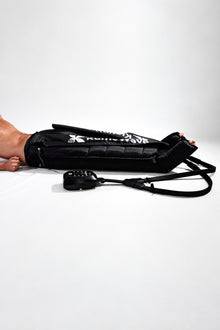
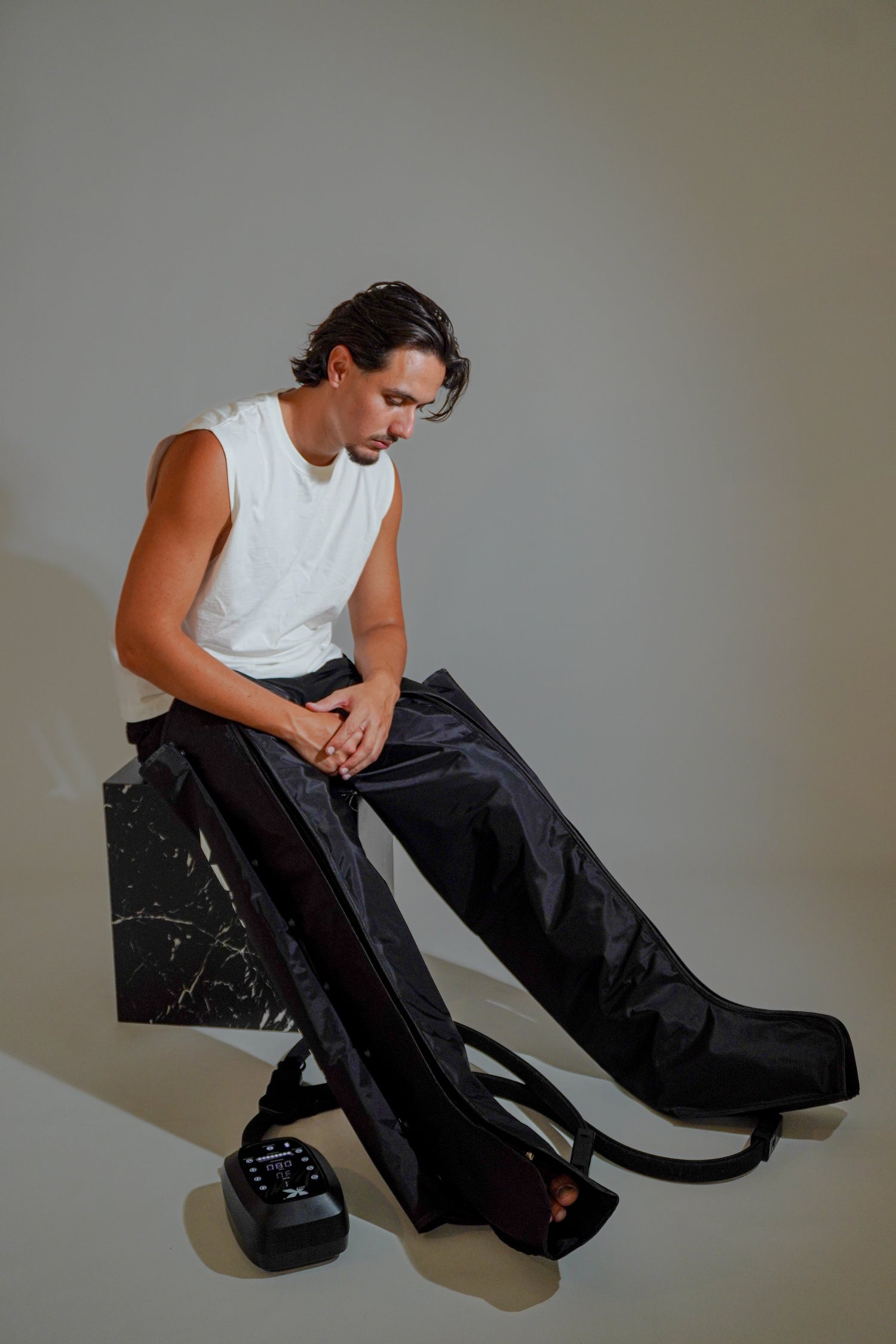
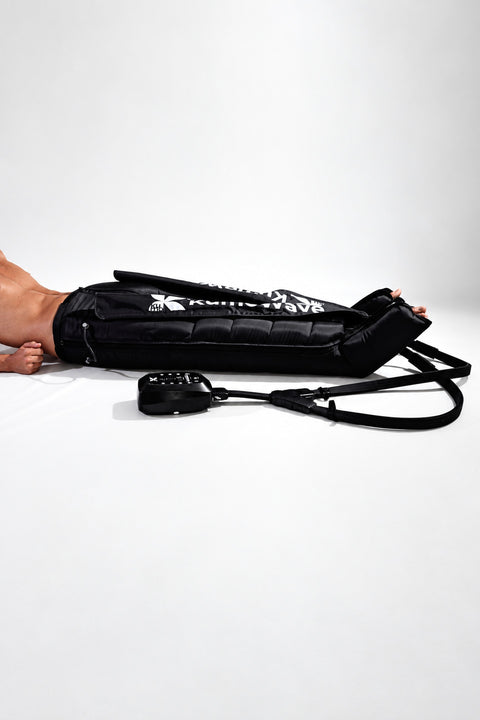
KumoWave pressotherapy boosts circulation and helps drain fluid with sequential compression, in 20-minute sessions at home.
- Boosts circulation and helps drain fluid
- Chamber-based compression, adjustable to you
- Sequential compression that mimics manual drainage
€799,00€999,00
−10% on your 1st order when you subscribe to the newsletter

What exactly is a body firming treatment?
When we talk about firming treatments, we're referring to a set of strategies designed to improve the firmness, elasticity, and tone of the skin on the body (arms, abdomen, buttocks, thighs, etc.). The goal isn't to "change" your body, but to optimize how it looks and feels.
- Stimulate the production of collagen and elastin in the skin.
- Improve blood and lymphatic circulation .
- Reduce mild to moderate sagging and the appearance of cellulite.
- Increase the feeling of lightness and muscular well-being.
An effective body firming treatment doesn't depend on a single cream or device: it works when it's integrated into an active lifestyle and a routine you can maintain long-term.
Personalized protocol · included with your purchase
Want us to tell you how to use it in your case?
With your purchase, our experts prepare a personalized usage protocol for your case: sport, circulation, fluid retention, pregnancy or lipedema.
Message us on WhatsAppOur experts reply · no obligation
Why does sagging skin appear on the body?
Sagging skin is the result of several factors that accumulate over time:
- Natural aging : from the age of 25-30, the synthesis of collagen and elastin, the proteins that support the skin, gradually decreases.
- Rapid weight loss : fat volume decreases faster than the skin's ability to retract.
- Pregnancy and hormonal changes , especially in the abdomen, breasts, and hips.
- Excessive sun exposure , smoking, and pollution accelerate collagen degradation. ( aad.org )
- Sedentary lifestyle and lack of muscle mass, which leave the tissue less "filled".
- Genetics and skin structure (thickness, fat distribution, etc.).
It is important to differentiate:
- Sagging : skin that hangs or looks "soft".
- Cellulite : dimpling and an "orange peel" appearance due to the way fat is organized under the skin; it is very common and completely normal. ( mayoclinic.org )
Pillars of a firming body treatment at home
Movement and exercise to tone from within
The foundation of any firming plan is exercise. Firm muscle plumps the skin from within and improves circulation, resulting in a more defined body and skin with better tone.
on your first order when you join the newsletter
We send you the code instantly. No spam.
- Strength training (squats, lunges, deadlifts, arm and core exercises) 2–3 times per week.
- Moderate cardio (brisk walking, cycling, swimming) to support circulation and lymphatic drainage.
- Specific exercises for the areas that concern you most: triceps, glutes, inner thigh, abdomen.
Various health guides indicate that exercise combining strength and cardiovascular work helps improve the appearance of cellulite and skin elasticity by reducing localized fat, improving muscle tone, and promoting venous and lymphatic return. ( verywellhealth.com )
Nutrition, hydration and lifestyle
What you do every day carries as much weight as any device:
- Sufficient protein (fish, eggs, legumes, tofu, nuts) to provide amino acids that participate in collagen synthesis.
- Fruits and vegetables rich in antioxidants (vitamin C, E, polyphenols) help protect collagen fibers from oxidative damage. ( yahoo.com )
- Proper hydration : Drinking water promotes skin elasticity and connective tissue function. ( verywellhealth.com )
- Avoid tobacco and moderate alcohol consumption, as these worsen microcirculation and skin quality. ( aad.org )
- Daily sun protection on exposed areas to prevent future sagging caused by UV rays. ( aad.org )
Topical cosmetic care: what you can and can't expect
Firming creams play a supporting role. The American Academy of Dermatology indicates that creams and lotions offer, at best, subtle skin-tightening results because they do not penetrate deeply enough to produce a true "lifting" effect. ( aad.org )
They can be useful if:
- They include retinoids (retinol) , which help stimulate collagen production with continued use.
- They provide intense hydration (hyaluronic acid, glycerin, ceramides), which temporarily improves the appearance of the skin.
- They contain ingredients such as caffeine or plant extracts, which may slightly improve texture and smoothness. ( prevention.com )
Available evidence suggests that, for example, a body retinol treatment may take at least 6 months to show a visible improvement in the appearance of skin with cellulite or mild sagging. ( mayoclinic.org )
Home technologies that can enhance firmness
In recent years, at-home recovery and care technologies have emerged, aiming to bring some of the benefits of professional consultations into your home. Used judiciously, they can complement your at-home body firming treatment, always keeping in mind that the results are gradual and more subtle than medical procedures.
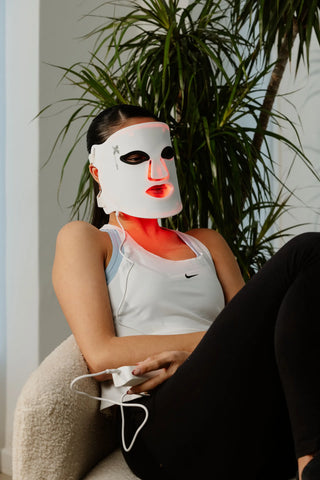
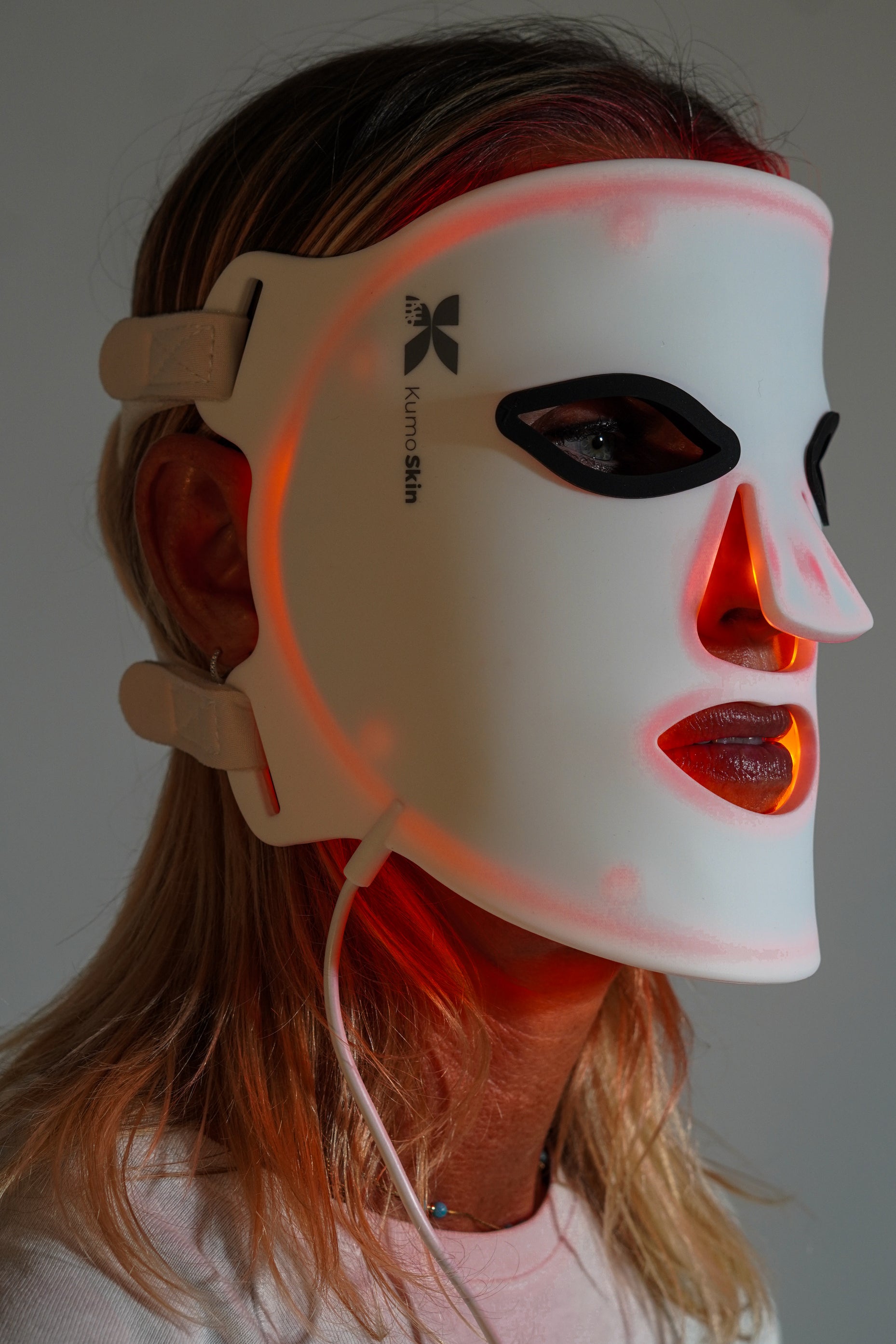
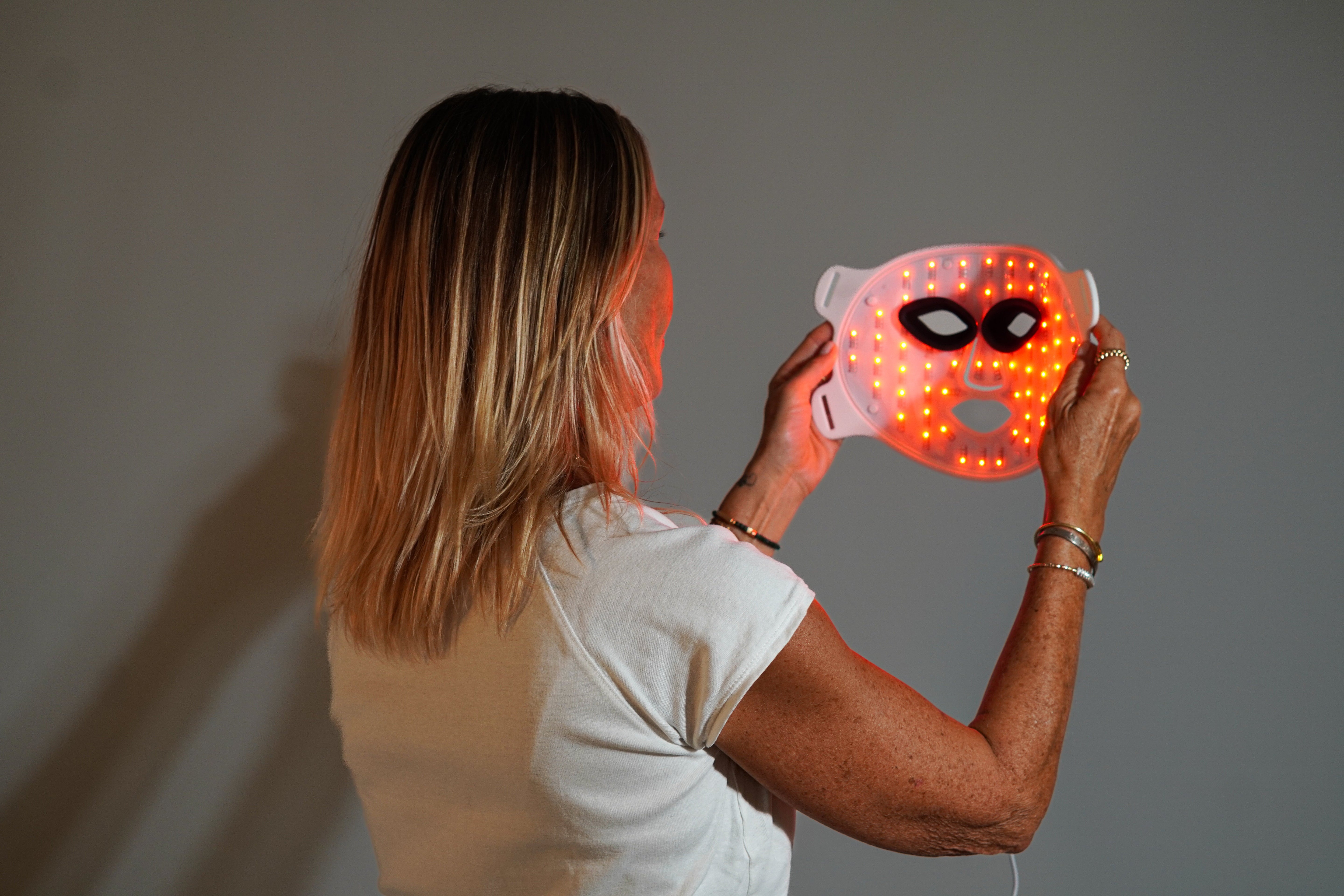
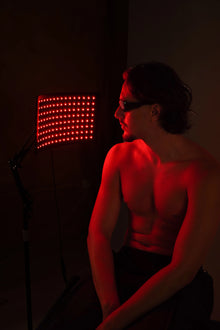
Red light and LED therapy to stimulate collagen
Red and LED light therapy involves exposing the skin to specific wavelengths (generally around 630–850 nm) with low energy, without heat or visible damage. Several studies suggest that this type of photobiomodulation can:
- Increase intradermal collagen density and improve skin roughness after several sessions. ( pubmed.ncbi.nlm.nih.gov )
- To stimulate, in the laboratory, the expression of collagen I and III and elastin genes and proteins in human fibroblasts exposed to red + near-infrared light. ( pubmed.ncbi.nlm.nih.gov )
- Promoting remodeling of the dermis-epidermis junction and thickening the dermis in animal models of aging, by increasing type I collagen. ( pmc.ncbi.nlm.nih.gov )
In a 2013 controlled trial with 136 volunteers, body exposure to polychromatic red light twice a week for 30 sessions significantly improved collagen density, smoothness, and subjective perception of the skin compared to the control group. ( pubmed.ncbi.nlm.nih.gov )
This type of approach has been incorporated into LED masks and red light panels for home use. In KUMO 's recovery range, you'll find LED light therapy devices designed to support skin regeneration and muscle recovery as part of a comprehensive skincare routine. It's always advisable to follow the manufacturer's instructions and consult a dermatologist if you have skin conditions or are taking photosensitizing medication.
Pressotherapy and lymphatic drainage for lighter legs
Pressotherapy uses pneumatic boots or sleeves that inflate and deflate sequentially, exerting controlled compression from the feet up the leg or abdomen. This “mechanical massage” helps to:
- Improve venous and lymphatic circulation .
- Reduce edema, fluid retention, and swelling in extremities. (celluliteinstitute.com)
- Promotes the elimination of toxins and the feeling of heaviness in the legs.
- Contributing to better tissue oxygenation , which can help the skin regain some elasticity and tone. (celluliteinstitute.com)
In aesthetics, pressotherapy is used to support the treatment of cellulite and to non-invasively reshape legs and buttocks. (celluliteinstitute.com) If you are looking to integrate this type of technology into your home routine, you can explore KUMO's pressotherapy boots , designed to activate circulation and relieve the feeling of tired legs within a comprehensive recovery program.
Deep tissue massage and massage guns
Classic body massage (manual or with tools) improves microcirculation, can promote lymphatic drainage, and helps relax muscles and fascial tissue. Deep kneading massage, always directed towards the heart, is a traditional tool in firming protocols.
Massage guns have become increasingly popular in recent years. A systematic review published in 2023 concluded that these devices are useful for reducing muscle stiffness and improving range of motion and some recovery parameters, especially when used at appropriate frequencies and durations. ( pubmed.ncbi.nlm.nih.gov ) These effects are associated with increased local blood flow and improved elimination of metabolic waste.
Used on legs and buttocks, massage guns, such as the Kumopulse Air massage gun , can complement a firming treatment by improving the feeling of muscle lightness and the supply of oxygen to the tissues, always as part of a comprehensive approach that includes exercise, nutrition and topical care.
Quick comparison of at-home firming methods
| Method | Main objective | Available evidence | Indicative frequency | Ideal for… |
|---|---|---|---|---|
| Strength training + cardio | Increase muscle mass and improve circulation | Recommended in guides for reducing cellulite and improving skin tone. ( verywellhealth.com ) | 2–3 days/week strength + 2–4 days/week cardio | Mild-moderate sagging, general contour |
| Firming creams | Hydrate and support collagen synthesis | Subtle results; retinol and antioxidants may help in the long term. ( aad.org ) | Daily use for at least 6 months | Maintenance, for dry or dull skin |
| Red light / LED | Stimulate collagen and improve texture | Controlled trials show increased collagen density and improved skin roughness after several sessions. ( pubmed.ncbi.nlm.nih.gov ) | 2–5 times/week depending on device and protocol | Photoaging, uneven texture, prevention |
| Pressotherapy | Improve lymphatic drainage and venous return | Used clinically for edema, fluid retention, and cellulite support. (celluliteinstitute.com) | 1–3 sessions/week, depending on tolerance | Heavy legs, fluid retention, soft cellulite |
| Massage and massage gun | Relax muscles and increase local blood flow | 2023 revision: improved stiffness and range of motion, with increased local perfusion. ( pubmed.ncbi.nlm.nih.gov ) | 2–5 sessions/week per muscle group | Muscle recovery, feeling of tone and lightness |
How to organize your body firming routine at home (step by step)
Daily routine (5–15 minutes)
- When showering : alternate 30–60 seconds of lukewarm water with 10–20 seconds of slightly cooler water on your legs and buttocks to stimulate microcirculation (if you tolerate it and there are no medical contraindications).
- After showering : apply your body cream or oil using upward movements (from ankles to thighs, from wrists to shoulders, from abdomen to ribs), with a slightly deeper massage in the more flabby areas.
- Mini strength routine : 1–2 sets of squats, glute bridges and abdominal planks; in total, 5–10 minutes.
- Daily sun protection on exposed areas (arms, décolletage, legs in summer) to prevent sun-induced sagging. ( aad.org )
Routine 2-3 times per week with technology
Adapt this scheme according to the equipment you have at home and always following its instructions:
- Strength day + pressotherapy : After training your lower body, spend 20–30 minutes wearing pressotherapy boots at a comfortable pressure to promote venous return and muscle recovery.
- Red light/LED day : After your evening shower, apply phototherapy to the target areas (e.g., thighs or abdomen) for the time indicated by the device, without exceeding the recommended sessions.
- Deep massage day : Use your hands or a massage gun on your buttocks, thighs, and lower back for 1–2 minutes per area, without putting pressure on joints or bone, to relieve tension and improve the feeling of tone.
If your schedule is very tight, you can concentrate these techniques into one or two "intense" self-care days per week, maintaining a minimal daily routine on the other days.
Monitoring and realistic expectations
Most non-invasive treatments offer gradual and moderate changes . The AAD notes that even medical technologies such as ultrasound, radiofrequency, or laser achieve only modest improvements in mild skin laxity, and that results take 2 to 6 months to become visible. ( aad.org )
To assess your progress:
- Take comparative photos every 4–6 weeks, with the same light and posture.
- Record how your body feels (lightness, muscle tone, energy).
- Adjust the intensity of exercise, massage, or pressotherapy according to how your body responds.
If you have a lot of excess skin after significant weight loss or pregnancy, only a surgical procedure (dermolipectomy, facelift) may achieve significant correction. In these cases, evaluation by a specialist is essential.
When is it best to see a professional?
A home body firming treatment is ideal for mild to moderate sagging and for prevention. However, there are situations in which it is advisable to consult a dermatologist or a specialist physician:
- Marked sagging that hangs in folds or causes physical discomfort.
- Presence of significant varicose veins, pain, changes in color or temperature in the legs.
- History of lymphatic problems, thrombosis or cardiovascular disease, before using pressotherapy.
- Severely photo-aged skin, new or changing pigmented lesions, or doubts about the safety of red light or other devices on your skin.
- Any skin condition (psoriasis, dermatitis, etc.) that worsens with heat or friction.
The AAD points out that a dermatologist can assess which combination of habits, products, and procedures (if needed) is best suited to your skin type and level of sagging. ( aad.org ) Regarding cellulite, institutions like the Mayo Clinic remind us that specific medical treatments are available if the aesthetic impact is a major concern. ( mayoclinic.org )
Frequently asked questions about body firming treatment
How long does it take to see results from a firming body treatment done at home?
It depends on your starting point and how consistent you are. The fastest changes usually come with exercise: in 4–8 weeks you can notice increased muscle tone and improved posture. Firming creams with retinol or other active ingredients typically require at least 3–6 months of daily use to provide subtle improvements in texture and firmness. ( mayoclinic.org ) Technologies like red light or at-home radiofrequency treatments usually show gradual benefits after several weeks of continuous use. It's more realistic to expect progressive results over the medium term, not dramatic changes in just a few days.
Does a firming treatment at home eliminate cellulite?
No home treatment completely eliminates cellulite because it's a structural feature of the skin and fatty tissue, not a "disease." Medical guidelines indicate that exercise, weight loss if overweight, hydration, massage, and some topical treatments can partially reduce its appearance , but results vary greatly from person to person. ( mayoclinic.org ) Technologies such as pressotherapy, red light therapy, or deep tissue massage can help improve circulation, muscle tone, and skin texture, but you should see them as supportive, not a definitive solution.
What is more effective for firming: exercise or body creams?
If you had to choose just one pillar, strength training would clearly win: it increases muscle mass, improves posture, activates circulation, and has overall health benefits. ( verywellhealth.com ) Creams can complement this by providing hydration and, in some cases, supporting collagen synthesis thanks to retinoids or antioxidants, but dermatologists agree that their "tightening" effects are at most subtle. ( aad.org ) Ideally, you should combine them: regular training, cream or oil applied with massage, and, if you wish, technologies such as red light therapy or pressotherapy.
Is it safe to use pressotherapy and red light at home for firming?
In healthy individuals, certified pressotherapy and red/LED light devices used according to instructions are generally considered safe. Pressotherapy is contraindicated if you have deep vein thrombosis, decompensated heart failure, acute leg infections, or certain lymphatic problems, so if in doubt, it is essential to speak with your doctor. (celluliteinstitute.com) Red light is generally well-tolerated, but if you are taking photosensitizing medication or have skin conditions, consult a dermatologist beforehand. Always start with short sessions and observe how your body responds.
At what age is it advisable to start with firming body treatments?
More important than a specific age is early prevention . From ages 20–30, it's advisable to protect your skin from the sun, maintain a stable weight, do strength training, and stay hydrated—habits that delay the appearance of sagging skin. ( aad.org ) From ages 35–40, many people notice more visible changes in firmness; at this point, it can be helpful to introduce products with active ingredients like retinol or vitamin C and, if desired, gentle technologies like red light therapy. But it's never "too late": even starting later, improving your lifestyle and routine offers benefits.
So what now?
If you want to start your own at-home body firming treatment , begin with what requires no equipment: regular exercise, good hydration, massage with your usual cream, and sun protection. Then, you can enhance your routine with high-end recovery technologies such as LED light therapy , compression boots , or a massage gun integrated into your daily life. If you have any questions about what to combine or how to adapt these tools to your situation, you can contact us through the contact form and we'll design a realistic and sustainable routine for you.
KumoWave pressotherapy
Choose your at-home pressotherapy
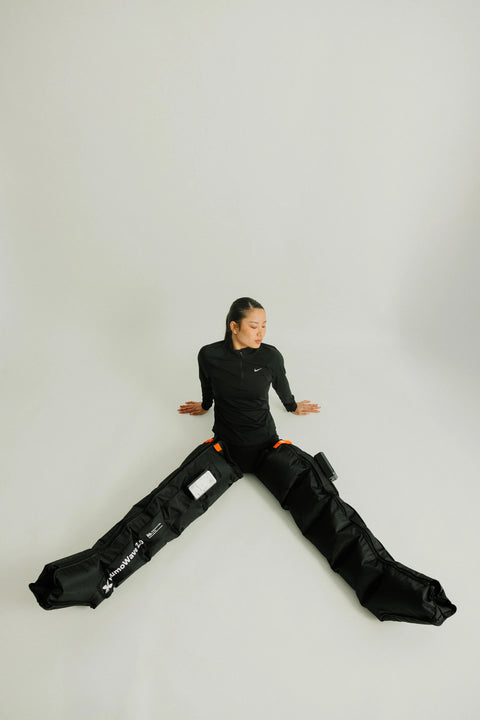
KumoWave Elite – Pressotherapy Pants
Full-coverage trousers. Ideal for lipedema, fluid retention and intensive use.
€799,00 €999,00
KumoWave 2.0 - Wireless Pressotherapy
Wireless, lightweight boots. Perfect for daily use and recovery.
€499,00 €599,00