Swollen ankles should not be ignored.
If you're asking "swollen ankles due to fluid retention, what to do?", the short answer is to reduce fluid load, promote circulation, and watch for warning signs. Edema often appears in the feet and ankles and can be related to sitting or standing for long periods, high salt intake, certain medications, pregnancy, or venous, cardiac, kidney, or liver problems, as summarized by the Mayo Clinic guide on edema. (mayoclinic.org)
Pressotherapy at home
End the day with light legs
★★★★★ 4,8/5 · rated by verified customers
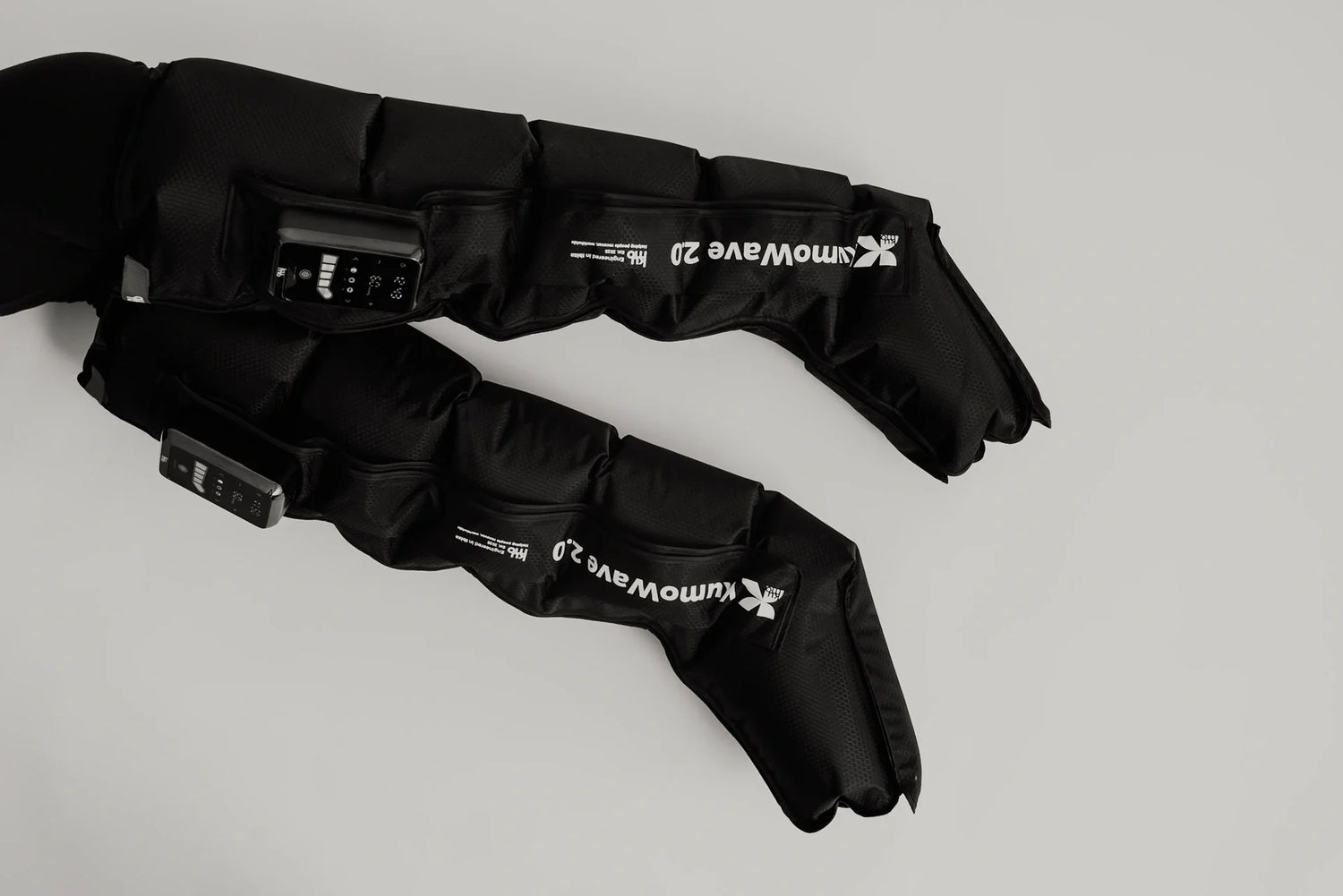
KumoWave pressotherapy boosts circulation and helps drain fluid with sequential compression, in 20-minute sessions at home.
- Boosts circulation and helps drain fluid
- Chamber-based compression, adjustable to you
- Sequential compression that mimics manual drainage
€799,00€999,00
−10% on your 1st order when you subscribe to the newsletter

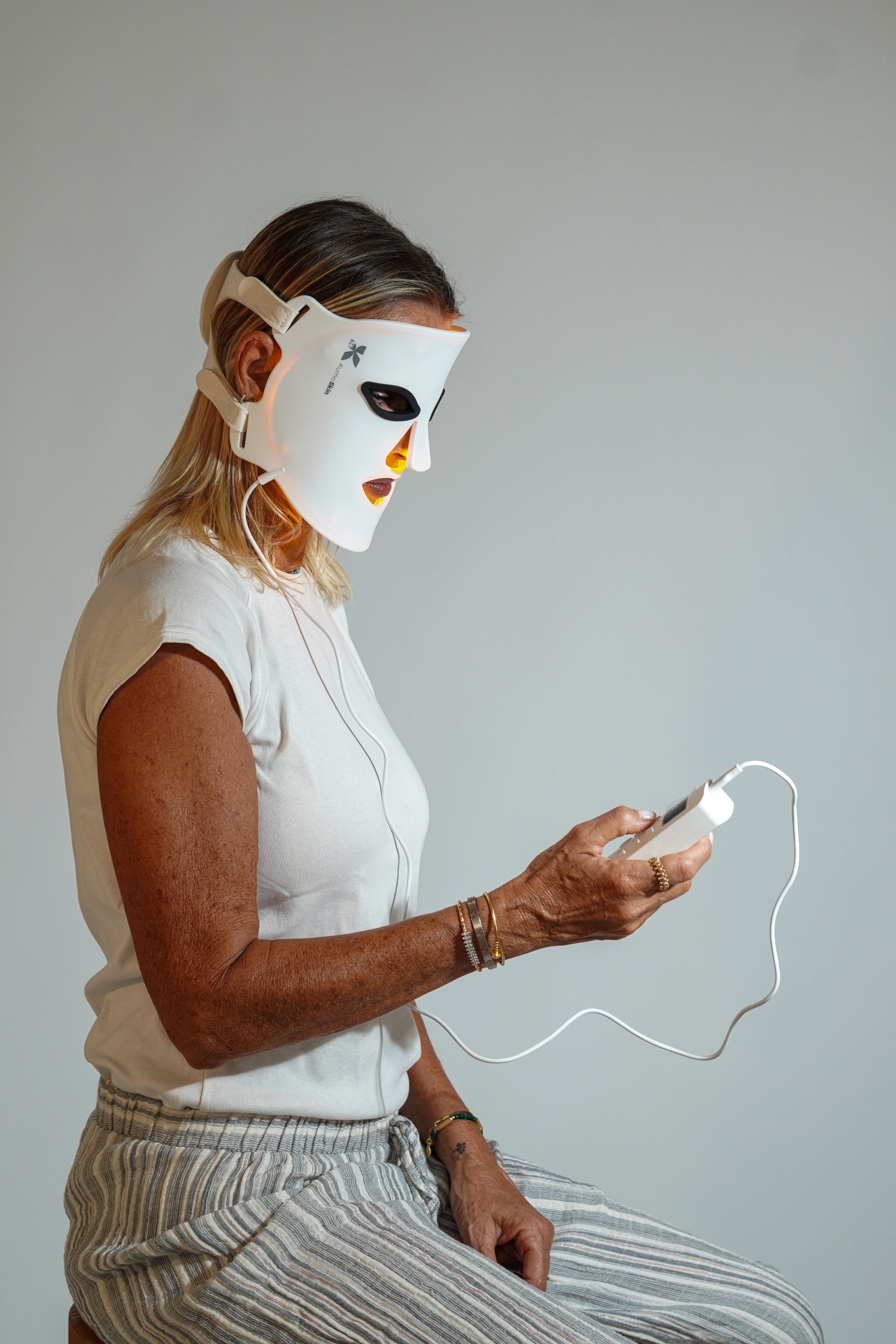
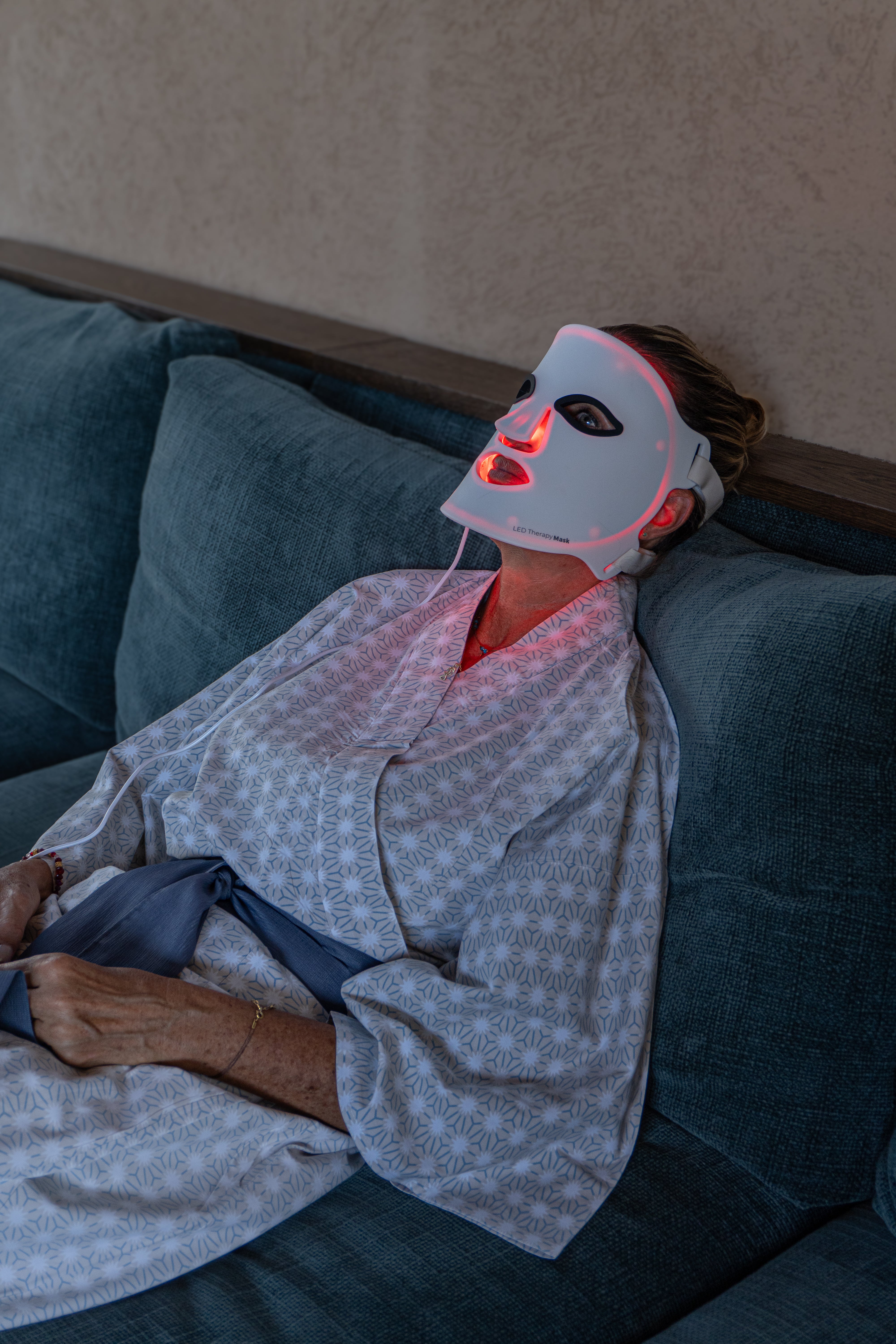
If you also want to integrate an at-home recovery routine, Kumo's at-home recovery and wellness proposal combines pressotherapy, LED therapy, and massage in a non-invasive wellness approach. (kumobalance.com)
Why Ankles Swell
Swelling can be mild and temporary, or it can be part of peripheral edema that requires attention. It usually provides useful clues: it appears at the end of the day, leaves a mark when pressed, improves when legs are elevated, or is accompanied by a feeling of heaviness. When the change is sudden, affects only one leg, or is associated with pain, warmth, or shortness of breath, it is no longer advisable to think only of fluid retention. (mayoclinic.org)
Personalized protocol · included with your purchase
Want us to tell you how to use it in your case?
With your purchase, our experts prepare a personalized usage protocol for your case: sport, circulation, fluid retention, pregnancy or lipedema.
Message us on WhatsAppOur experts reply · no obligation
- Spending many hours sitting or standing, or taking a long trip, promotes fluid accumulation in the ankles. (medlineplus.gov)
- Excess salt, pregnancy, and certain medications, such as anti-inflammatories, corticosteroids, or certain antihypertensives, can also worsen swelling. (mayoclinic.org)
- Venous insufficiency, kidney disease, liver disease, or heart disease can be behind persistent edema. (mayoclinic.org)
- If swelling appears in only one leg and is accompanied by pain, warmth, or redness, deep vein thrombosis should be ruled out. (mayoclinic.org)
If you want to broaden your approach with practical content, the guide on leg edema, published in January 2026, well summarizes common causes and the most useful home care. (kumobalance.com)
What to do when ankles are swollen due to fluid retention
When edema is mild and there are no warning signs, the most effective measures are usually simple: elevate, move, reduce salt, and review possible triggers. The key is to aid venous return and prevent fluid from accumulating in the lower legs. (medlineplus.gov)
- Elevate your legs above your heart for 15 to 20 minutes, several times a day. (medlineplus.gov)
- Walk frequently and perform ankle flexion-extension exercises, especially if you've been sitting or standing for a long time. (medlineplus.gov)
- Reduce salt and ultra-processed foods for a few days to promote the release of retained fluid. (medlineplus.gov)
- Wear compression stockings only if a professional deems them appropriate for your case. (medlineplus.gov)
- Do not stop or change medications on your own; some drugs can cause edema. (medlineplus.gov)
- If the swelling appeared after a long flight or car ride, take breaks to move and do not remain immobile for too long. (medlineplus.gov)
MedlinePlus's recommendation for swelling in the feet, legs, and ankles agrees on three very specific basics: elevate, move, and lower sodium. (medlineplus.gov)
on your first order when you join the newsletter
We send you the code instantly. No spam.
How to tell if it's fluid retention or something more
The best clue is not just the swelling, but the pattern. If it worsens at the end of the day and improves when the legs are elevated, it usually indicates functional or venous edema; if it appears suddenly, only in one leg, or with pain and shortness of breath, another cause should be considered. (mayoclinic.org)
Signs that indicate the origin of the swelling
| Sign | What it usually suggests | What to do |
|---|---|---|
| Both ankles swollen at the end of the day | Usually more consistent with gravitational edema, sedentary lifestyle, salt, or mild venous insufficiency. | Elevate your legs and walk; if it doesn't improve in a few days, consult a doctor. (medlineplus.gov) |
| Pitting upon pressure or socks leaving marks | Consistent with pitting edema. | Monitor it and seek evaluation if it's new or without a clear cause. (my.clevelandclinic.org) |
| One leg red, warm, or painful | May suggest deep vein thrombosis or infection. | Seek immediate medical attention. (mayoclinic.org) |
| Shortness of breath or chest pain | May indicate a cardiopulmonary problem. | Go to the emergency room. (medlineplus.gov) |
| Pregnancy with sudden increase in swelling in the face, hands, or feet | May be preeclampsia. | Contact a healthcare professional immediately. (nhs.uk) |
For further context, Cleveland Clinic's explanation of pitting edema, MedlinePlus's information on deep vein thrombosis, and the NHS advice during pregnancy agree that sudden, unilateral swelling or swelling accompanied by shortness of breath warrants medical review. (my.clevelandclinic.org)
Sudden, unilateral swelling or swelling accompanied by shortness of breath should not be treated as a minor discomfort: it requires medical evaluation. (my.clevelandclinic.org)
Pressotherapy and other wellness aids
When swelling is mild, recurrent, and related to fatigue or immobility, pressotherapy can be a useful complement within a recovery routine. In the guide published in September 2025 on pressotherapy boots for fluid retention, Kumo describes sequential pneumatic compression as a support for venous return and lymphatic drainage, with short sessions of 15 to 30 minutes and comfortable pressure. (kumobalance.com)
If you want to understand the mechanism, the guide on what pressotherapy boots are and how they work explains how air chambers boost circulation, and the home pressotherapy collection gathers the available options. (kumobalance.com)
However, it does not replace a medical diagnosis nor does it alone correct an underlying cause. If the swelling is new, unilateral, painful, or accompanied by shortness of breath, fever, or chest pain, it is correct to stop and consult a doctor before continuing with any recovery tool. (kumobalance.com)
Frequently asked questions about swollen ankles due to fluid retention
What to do for fluid retention in the ankles and feet?
Start with the basics: elevate your legs, walk frequently, move your ankles, and reduce salt for a few days. MedlinePlus and Mayo Clinic also recommend wearing compression stockings if a professional deems it appropriate and not changing medication without consulting. If the swelling improves with rest and elevating the legs, it is usually more consistent with functional edema; if it does not change, increases, or appears suddenly, a medical review is needed. (medlineplus.gov)
How to tell if swollen ankles are due to fluid retention?
Fluid retention usually causes soft swelling, sometimes with pitting, which leaves a mark when pressed. It also tends to worsen at the end of the day, after sitting or standing for a long time, and improves when the legs are elevated. If only one leg swells, there is pain, warmth, redness, or shortness of breath, it no longer fits a simple picture and medical attention should be sought. (mayoclinic.org)
When is fluid retention in the ankles a sign of a serious problem?
It is more concerning when swelling appears suddenly, affects only one leg, is accompanied by chest pain, shortness of breath, fever, or palpitations, or when it occurs during pregnancy along with a sudden increase in swelling in the face, hands, or feet. It also warrants investigation if you have heart, kidney, or liver disease and notice that the edema is worsening. In these cases, do not wait for it to "go away on its own." (medlineplus.gov)
Can pressotherapy help if swelling is mild and recurrent?
Yes, it can be a wellness complement when swelling is mild and related to immobility, heavy legs, or recovery after exertion. Kumo describes it as sequential pneumatic compression that promotes venous return and lymphatic drainage, with short sessions and comfortable pressure. However, it should not be used to mask swelling of unknown cause or to delay a medical evaluation if warning signs appear. (kumobalance.com)
What now?
If you want to refine placement and adjustment, review the guide to pressotherapy for swollen ankles: placement and adjustment. If the swelling pattern changes, prioritize medical evaluation. (kumobalance.com) For more information, consult Kumo.
KumoWave pressotherapy
Choose your at-home pressotherapy
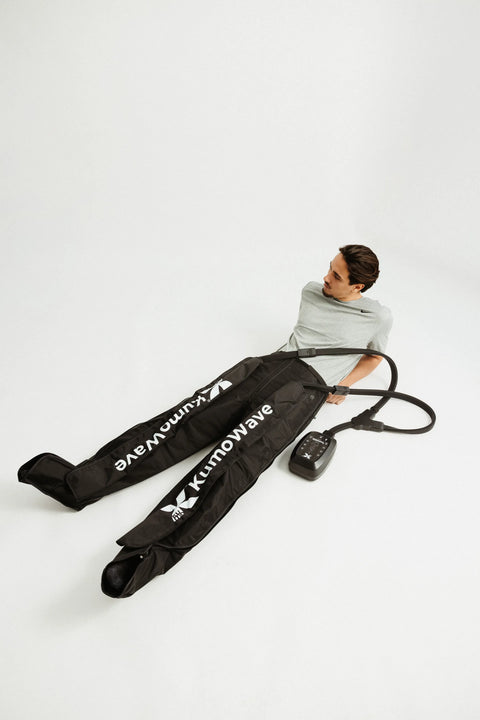
KumoWave Elite – Pressotherapy Pants
Full-coverage trousers. Ideal for lipedema, fluid retention and intensive use.
€799,00 €999,00
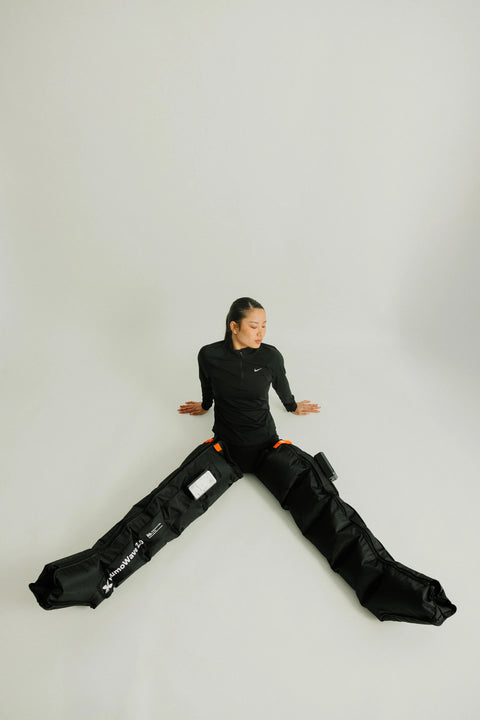
KumoWave 2.0 - Wireless Pressotherapy
Wireless, lightweight boots. Perfect for daily use and recovery.
€499,00 €599,00