Theraguns have brought professional muscle massage into the living room.
By 2026, percussive massage guns (popularly known as theraguns ) have become a common tool for those who work out, work remotely, or simply want to take better care of their bodies at home. In this guide, you'll learn what science says about percussive massage, how to use it safely, how to integrate it into your recovery routine, and how to combine it with other high-end wellness technologies like those offered by KUMO .
Pressotherapy at home
End the day with light legs
★★★★★ 4,8/5 · rated by verified customers
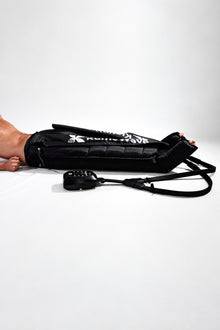
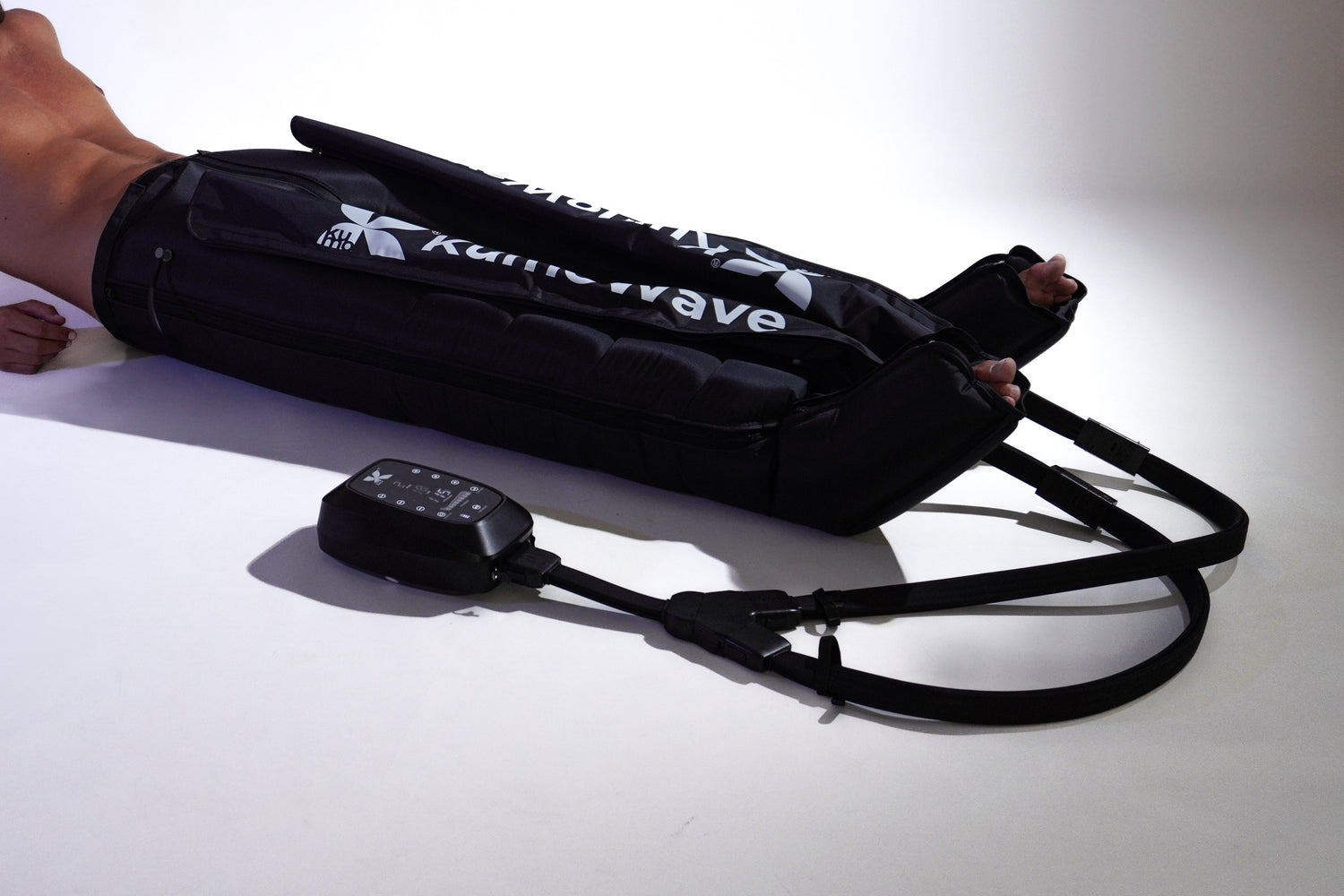
KumoWave pressotherapy boosts circulation and helps drain fluid with sequential compression, in 20-minute sessions at home.
- Boosts circulation and helps drain fluid
- Chamber-based compression, adjustable to you
- Sequential compression that mimics manual drainage
€799,00€999,00
−10% on your 1st order when you subscribe to the newsletter

What is a theragun and how does percussive massage work?
When we talk about "theraguns," we're actually referring to percussive massage guns : handheld devices that apply quick, short bursts of pressure to muscle tissue. They don't replace a physiotherapist, but they can be a useful tool for self-care and muscle recovery at home .
These devices combine three key elements:
Personalized protocol · included with your purchase
Want us to tell you how to use it in your case?
With your purchase, our experts prepare a personalized usage protocol for your case: sport, circulation, fluid retention, pregnancy or lipedema.
Message us on WhatsAppOur experts reply · no obligation
- Vibration and percussion : rhythmic impacts that stimulate nerve receptors and soft tissue.
- Range of motion : the depth of the stroke (in millimeters) that determines how "deep" the massage feels.
- Frequency : revolutions or strokes per minute, which usually vary between soft and powerful intensities.
Its main objective is to reduce stiffness and temporarily improve mobility , as well as provide a local relaxation experience. According to recent studies, between 15% and 25% of competitive triathletes use massage guns in their weekly routine, primarily to manage post-exercise fatigue and stiffness.
Potential benefits of percussive massage according to science (updated to 2026)
The use of theraguns has become very popular, while scientific evidence has progressed more slowly. Even so, in recent years systematic reviews and clinical trials have emerged that allow for a more realistic understanding of what these devices can (and cannot) do.
Mobility and flexibility: the best-proven strength
A systematic review on percussive therapy with massage guns published in 2023 concluded that a single application of percussive massage can produce:
on your first order when you join the newsletter
We send you the code instantly. No spam.
- Acute improvements in muscle strength and explosive power in some exercises.
- Short increases in flexibility and range of motion (ROM) in muscle groups such as hamstrings, calves, or posterior chain.
- Reduction of the perception of musculoskeletal pain in certain clinical contexts.
Another 2023 review of massage guns noted that these devices are especially useful for increasing ROM and flexibility in the short term , as well as improving certain markers of recovery following a fatigue protocol, although their direct impact on explosive performance is limited when used just before maximal efforts.
In short: if you need to "loosen up" a stiff area (for example, hips or calves) before training or after many hours of sitting, a theragun can help you feel looser and more mobile for a few minutes or hours .
Delayed onset muscle soreness (DOMS): mixed results
Muscle soreness ( DOMS ) is one of the most common reasons people use a massage gun. However, studies aren't as conclusive as the advertising.
- A 2025 randomized clinical trial compared static stretching with short- and long-duration percussive massage following a squat protocol. Both approaches helped manage DOMS, but percussive massage was not clearly superior across all parameters.
- Another controlled study from 2023 that compared percussive massage, foam rolling, and rest showed that neither foam rolling nor massage guns were clearly better than passive rest at reducing perceived pain, although they did help speed up recovery from stiffness and muscle tone.
Therefore, theraguns can be a useful component of an overall recovery strategy , but they are not a "magic button" that will eliminate muscle soreness on its own. Sleep, nutrition, and training planning will still be essential.
Athletic performance and impact on warm-up
The relationship between massage guns and performance is probably the area where there is the most confusion. Many users employ them right before training thinking they will immediately improve their speed or power, but the data is nuanced:
- The 2023 review found that, in general, the use of massage guns does not improve or may even slightly worsen performance in activities of maximum strength, balance, agility, or acceleration if applied intensely just before exertion.
- A 2025 study of trained athletes compared dynamic warm-up, foam rolling, and percussive massage. Percussive massage helped improve the feeling of mobility, but did not produce clear advantages in sprinting, jumping, or other performance indicators compared to a good traditional warm-up.
The most prudent thing to do at home is to use the massage gun for:
- Gently mobilize stiff areas before training, after a brief general warm-up.
- Promotes relaxation and recovery after exercise, improving the feeling of light legs and a loose back.
Safety first: contraindications and risks to consider
Although theraguns are safe for most healthy people when used responsibly, they are not without risk. Medical literature already documents some cases of serious complications associated with improper use:
- A clinical case from 2020 described an episode of severe rhabdomyolysis following an intense massage gun session in a person with untreated anemia.
- Other reports of internal trauma (such as hemothorax) associated with excessive application to the rib cage have been published.
Therefore, before using a theragun at home, keep the following in mind:
- Do not use on: recent fractures, open wounds, thrombosis, prominent varicose veins, areas with acute inflammation or extensive bruising.
- Avoid the abdomen and lower back during pregnancy, unless professionally advised.
- If you have clotting problems, a pacemaker, neuropathy, cancer under treatment, or systemic diseases , consult your doctor or physiotherapist before using any massage gun.
Golden rule of safety: If you experience sharp pain, dizziness, unusual tingling, or if the area feels noticeably worse the next day, stop use and consult a healthcare professional.
The following is a general guide to wellness; it does not replace individualized medical advice.
How to use a Theragun-type massage gun at home: a step-by-step guide
1. Preparation: environment, posture and intensity
Before turning on your massage gun:
- Check the physical condition of the area: no wounds, obvious swelling, or acute pain.
- Choose a quiet environment , with space to move around and good support for the area to be treated (sofa, mat, bench).
- Always start with a low intensity and increase only if the sensation remains pleasant.
- Use soft heads for sensitive areas (neck, trapezius muscles) and firmer heads for large muscle groups (glutes, quadriceps).
2. Basic technique by body areas
As a general rule, apply the Theragun slowly, steadily, and without applying excessive pressure . Think more of a gentle vibration than a heavy thrust.
- Legs (quadriceps, hamstrings, calves, glutes) : move the head along the muscle, longitudinally, 30–60 seconds per muscle group.
- Upper back (trapezius, rhomboids) : avoid the spine directly, work on both sides, without aggressively moving up towards the neck.
- Lower back and hips : gentle movements around the lumbar area and buttocks, without resting the headrest on the bony prominences.
- Arms (biceps, triceps, forearms) : smooth up and down movement, 20–40 seconds per area.
- Feet and soles : low intensity and small head, barely touching the tissue, ideal after many hours on your feet.
For most healthy users, a reasonable home session lasts between 10 and 15 minutes in total , spread across several key areas.
3. Quick reference table for home use
Indicative duration and intensity according to objective
| Aim | Time of use | Approximate duration | Weekly frequency | Recommended intensity |
|---|---|---|---|---|
| Light warm-up | After 5–10 min of general warm-up | 15–30 s per key muscle (max. 5–8 min) | 2–4 times/week | Low-medium, without pain or unpleasant tingling |
| Post-workout recovery | Between 1 and 3 hours after exercise | 30–60 s per loaded muscle (max. 10–15 min) | 2–5 times/week, depending on workload | Media, always comfortable, focused on relaxation |
| Relaxation at the end of the day | Nighttime, well away from bedtime if it "energizes" you | 20–40 seconds per area (neck, back, feet) | Even daily if there are no discomforts | Lower yourself, taking special care not to irritate sensitive areas. |
| Helps with localized stiffness | When you notice localized tension (e.g., hip or calf) | 2–3 “passes” of 20–30 s with pauses | As needed, allowing the area to rest for several days. | Progressive: start very gently and stop if the pain increases |
Remember that these are guidelines : if you have a pre-existing condition or any doubts, you should always consult your physiotherapist or doctor.
Percussive massage and 360° recovery: how to integrate it with other tools
A Theragun can be very useful, but its true potential emerges when integrated into a comprehensive recovery routine . This is where KUMO 's high-performance wellness approach makes sense: combining different technologies to coherently care for muscles, skin, and the nervous system.
1. Combine massage guns and pressotherapy for light legs
Massage guns are excellent for releasing specific points of tension in the quadriceps, glutes, or calves. Pressotherapy , on the other hand, focuses more on circulation and venous return , making it ideal after long hours on your feet or intense leg workouts.
An effective sequence could be:
- 5–10 minutes of gentle percussive massage on legs.
- Pressotherapy boot session to promote drainage and a feeling of lightness.
This approach combines local mechanical stimulation with a more global work on circulation, which is very interesting for athletes and people who spend long days standing (always respecting possible medical contraindications).
2. Red light and LED: support for muscle, skin and sleep
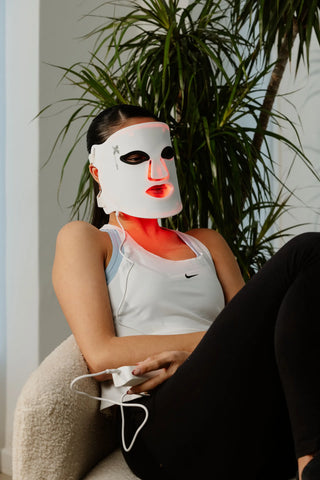
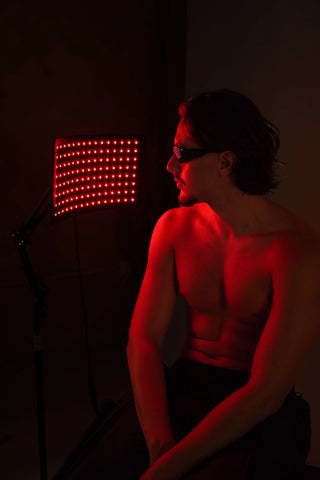
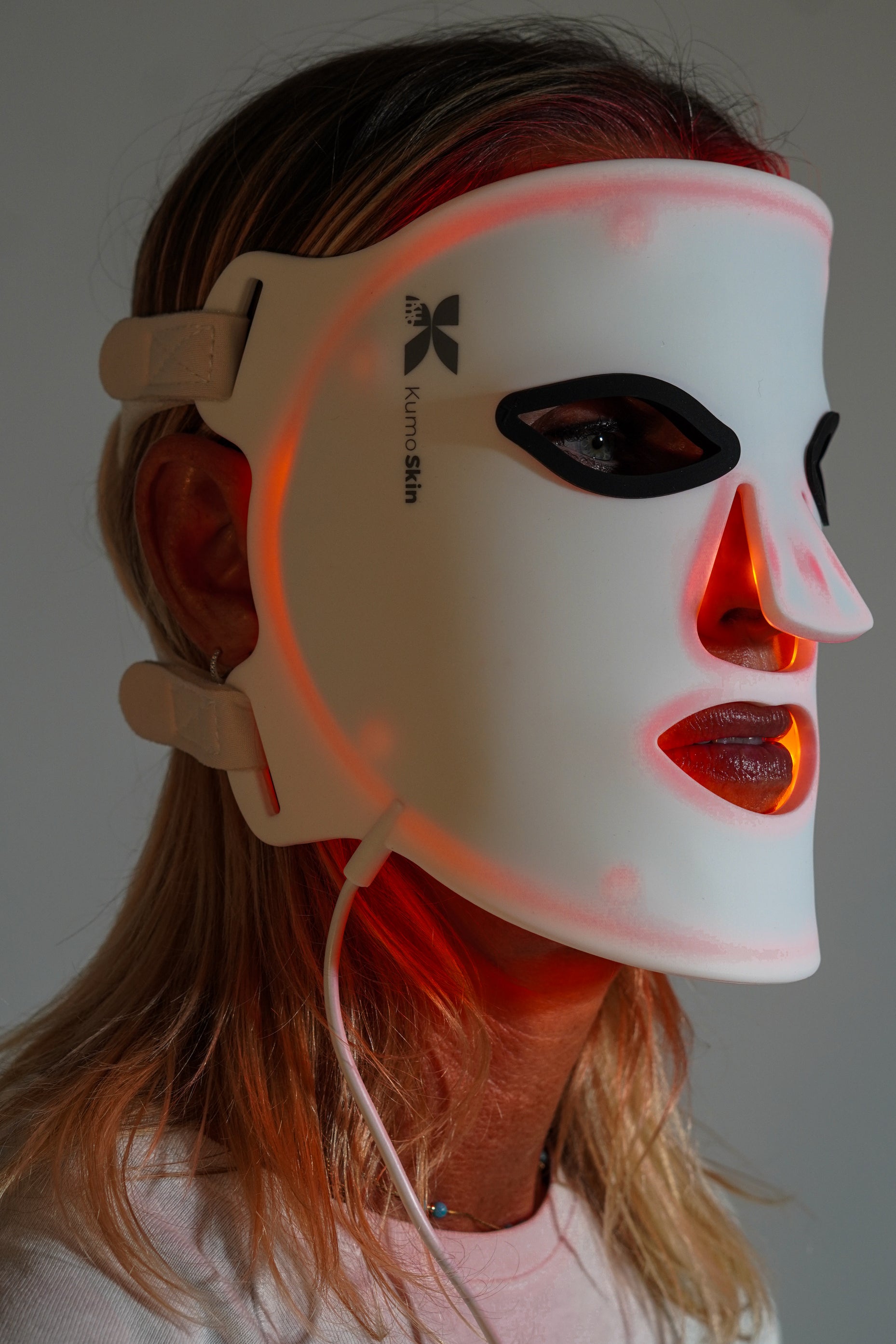
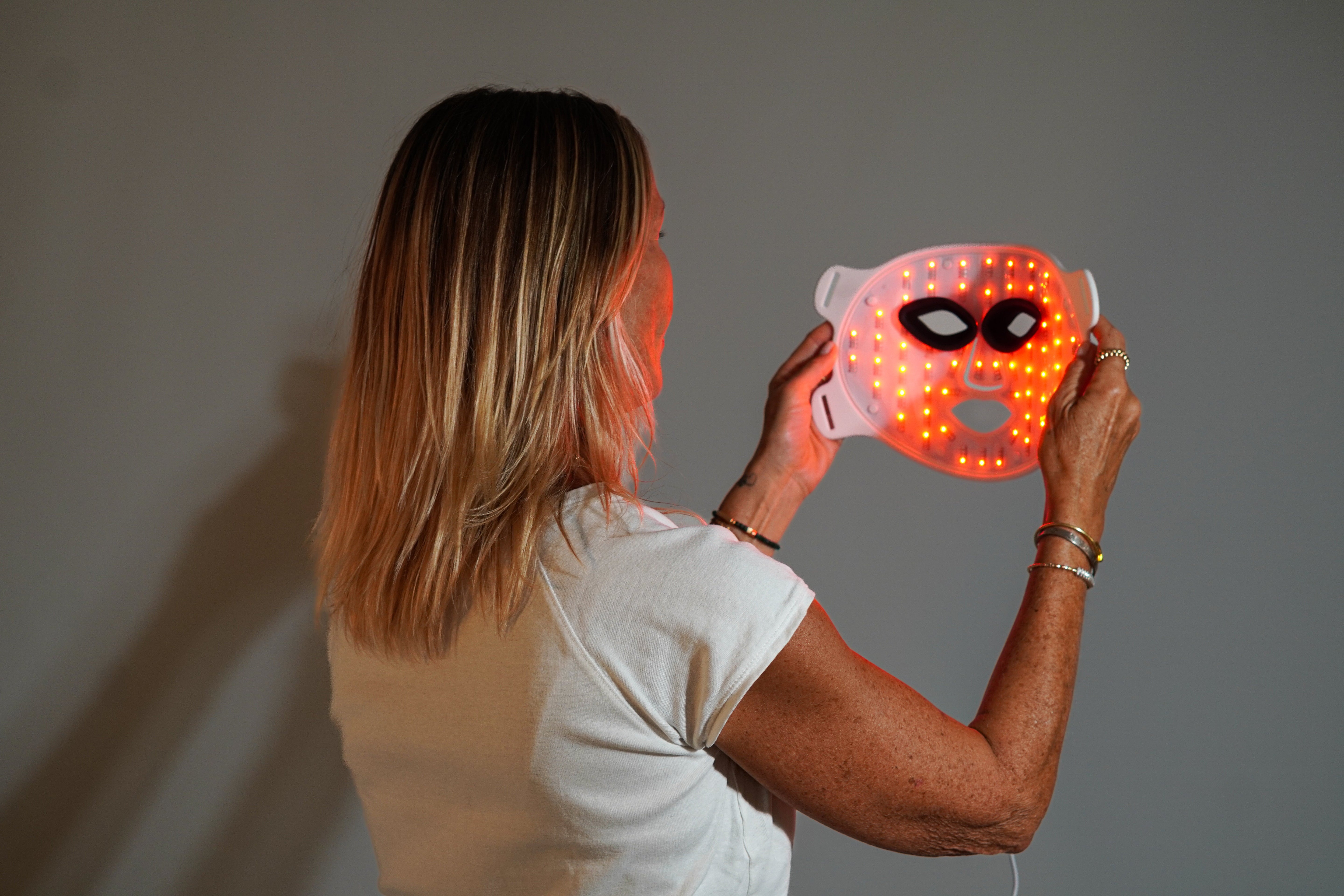
Red light therapy and photobiomodulation are increasingly being used for muscle recovery , skin care, and circadian rhythm regulation . Some LED therapy devices can help with:
- Stimulate local tissue regeneration processes.
- Improve skin quality and reduce signs of fatigue.
- Promote relaxation before sleep when used at appropriate times.
If you want to create a complete nighttime recovery ritual, you can combine a short session with your massage gun and then enjoy LED light therapy to completely unwind.
3. The specific role of KUMO massage guns
Within the brand's recovery ecosystem, a device like the KUMOPULSE Air massage gun is designed to offer an effective percussive massage in a lightweight and manageable format, intended for daily use at home.
By combining a theragun of this type with pressotherapy and red light, you can create a scalable wellness routine : from short sessions for busy people to more complete recovery protocols for those who train with high loads.
Good habits that enhance (or ruin) the benefits of the theragun
However advanced your massage gun is, it will still only be one piece of the puzzle. To see real and lasting benefits in your muscle recovery, pay attention to these key elements:
- Sleep : Most muscle repair processes occur at night. A theragun will not compensate for poor or insufficient sleep.
- Key nutrients : sufficient protein intake, hydration and micronutrients promote tissue repair.
- Training planning : alternate intense sessions with active recovery days and lower the load when the body asks for it.
- Gentle movement : walking, light stretching and joint mobility enhance the effects of percussive massage.
Think of your theragun as a sensation accelerator (less stiffness, more comfort), not as a replacement for the basics.
Frequently asked questions about theraguns and muscle massage at home
How long should I use a Theragun-type massage gun on each muscle?
In most studies and practice protocols, the recommended duration for each muscle group in home workouts is between 15 and 60 seconds . For a light warm-up, 15–30 seconds per key area is sufficient; for post-workout recovery, this can be increased to 30–60 seconds, provided the sensation is comfortable and there is no acute pain. Holding the same stretch for several consecutive minutes does not usually provide additional benefit and increases the risk of tissue irritation. As a practical guideline, a complete partial-body workout typically lasts 10–15 minutes in total .
Is it safe to use a theragun every day?
In healthy individuals without significant medical conditions, and using moderate intensity, almost daily use in short sessions may be reasonable , especially on areas prone to strain, such as the upper back or legs. The important thing is to listen to your body: if you notice increased pain, frequent bruising, or unusual fatigue in the area, reduce the frequency, duration, or intensity. If you are taking anticoagulant medication, have vascular problems, or systemic diseases, consult your doctor or physiotherapist before considering daily use of massage guns.
Does a theragun replace sports massage or physiotherapy?
No. A Theragun is a self-care tool , useful for relieving localized stiffness, improving range of motion, and complementing other recovery strategies. Sports massage and physiotherapy include clinical assessment, advanced manual techniques, therapeutic exercise, and movement education—something a device cannot offer. If you have persistent pain, recurring injuries, or significant functional limitations, it is advisable to consult a healthcare professional who can make a diagnosis and prescribe the appropriate treatment, using the massage gun, if necessary, as a complementary approach.
Can I use a massage gun if I have an injury or illness?
It depends on the type of injury or condition. Percussion massage is usually contraindicated for acute injuries (recent sprains, tears, severe inflammation) or fractures. It should also be avoided in areas with thrombosis, infections, open wounds, or tumors. In chronic problems (lower back pain, tendinopathies, overuse injuries), the Theragun can be useful at certain times, but it should always be integrated into a supervised treatment plan . If you have any doubts, the safest course of action is to ask your doctor or physical therapist before applying it to an injured area.
What is the best time to use the Theragun: before or after training?
Both times can be useful, but with different objectives. Before training , brief and gentle use is recommended after a general warm-up, focusing on stiff areas (for example, hips or shoulders) to improve mobility without fatiguing the muscle. After training , it can help reduce stiffness and improve muscle comfort, especially when combined with light movement, hydration, and, when appropriate, tools like compression therapy. What is not recommended is very intense application right before maximum exertion or on very sore areas.
So what now?
If you want to transform at-home muscle massage from an occasional practice into a smart recovery ritual , the next step is to design your own protocol: which areas to treat, how much time to dedicate, and which technologies to combine. At KUMO, you'll find everything from massage guns like the KUMOPULSE Air to compression boots and LED therapy devices to create a customized recovery experience. If you need more personalized guidance, you can contact the team through the contact page and start building your wellness routine for 2026 and beyond.
KumoWave pressotherapy
Choose your at-home pressotherapy
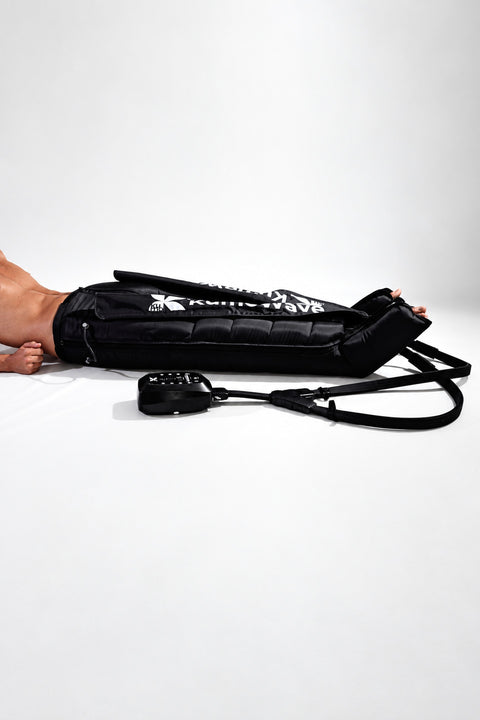
KumoWave Elite – Pressotherapy Pants
Full-coverage trousers. Ideal for lipedema, fluid retention and intensive use.
€799,00 €999,00
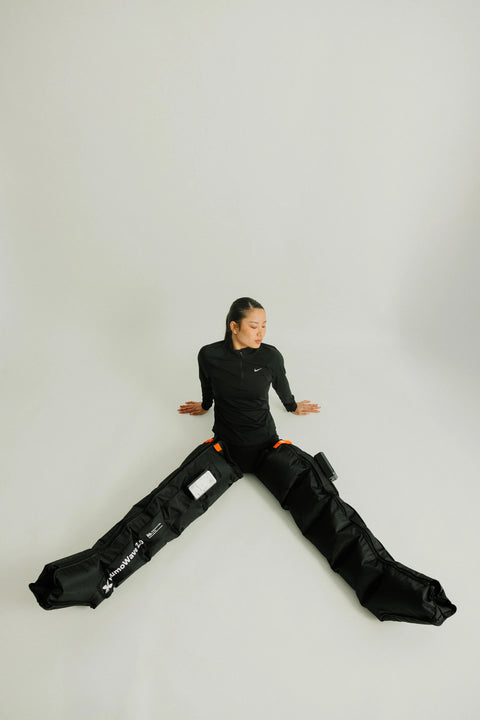
KumoWave 2.0 - Wireless Pressotherapy
Wireless, lightweight boots. Perfect for daily use and recovery.
€499,00 €599,00