
Introduction: Fast recovery after training is possible
Fast recovery after training is possible. The key is understanding what's really happening to your muscles and how to use the right muscle therapy at the right time. In this article, you'll see, clearly and practically, which techniques work, what recent science says, and how to integrate technologies like percussion massage, compression therapy, and red light therapy into your daily recovery routine.
What is muscle therapy and why is it so important after training?
By “muscle therapy” we mean the set of techniques and technologies designed to accelerate muscle recovery after exercise: sports massage, massage guns, compression boots, red light therapy (photobiomodulation), active recovery, etc.
Pressotherapy at home
End the day with light legs
★★★★★ 4,8/5 · rated by verified customers
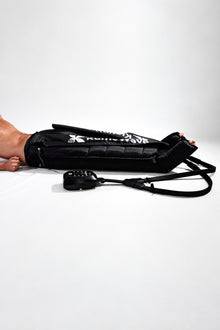
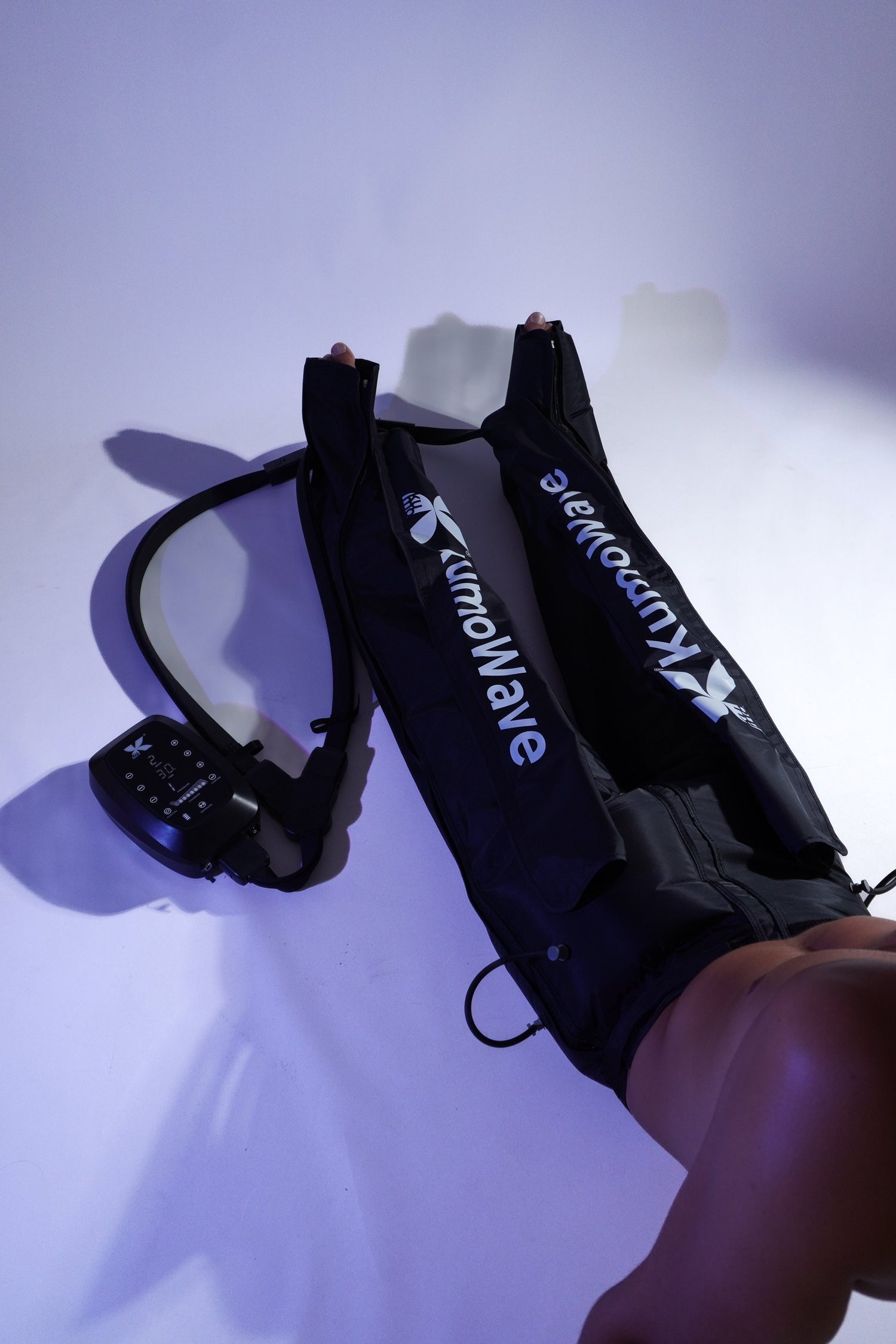
KumoWave pressotherapy boosts circulation and helps drain fluid with sequential compression, in 20-minute sessions at home.
- Boosts circulation and helps drain fluid
- Chamber-based compression, adjustable to you
- Sequential compression that mimics manual drainage
€799,00€999,00
−10% on your 1st order when you subscribe to the newsletter

Its main objective is:
- Reduce delayed onset muscle soreness ( DOMS ).
- Promote the supply of blood and nutrients to the muscle.
- Reduce inflammation and stiffness.
- Allowing you to train more frequently without accumulating as much fatigue.
A 2018 meta-analysis of various recovery techniques concluded that massage, compression garments, active recovery, cryotherapy, and immersion offer small to moderate reductions in muscle soreness and fatigue after exercise. ( pubmed.ncbi.nlm.nih.gov ) This is no substitute for rest or nutrition, but it can make the difference between simply "surviving" a tough week of training and feeling fresh for the next one.
Personalized protocol · included with your purchase
Want us to tell you how to use it in your case?
With your purchase, our experts prepare a personalized usage protocol for your case: sport, circulation, fluid retention, pregnancy or lipedema.
Message us on WhatsAppOur experts reply · no obligation
What happens to your muscles after training
During intense training , micro-tears occur in muscle fibers , along with changes in intracellular calcium and a local inflammatory response. All of this is part of the adaptation process that makes you stronger, but it also generates:
- Pain and stiffness that usually itch between 24 and 72 hours after intense exercise.
- Temporary decrease in strength and power.
- A feeling of general fatigue, especially if several hard workouts are done in a row.
A 2017 meta-analysis focusing on sports massage showed, across 11 studies and 504 participants, a significant reduction in muscle soreness intensity up to 72 hours after exercise when massage was applied compared to no treatment. ( pubmed.ncbi.nlm.nih.gov ) This is just one example of how a good muscle therapy strategy can modulate that response without interfering with training adaptations.
Main types of muscle therapy for a fast recovery
Below you will see the most commonly used recovery tools, what recent scientific literature says, and how to realistically apply them in your daily life.
on your first order when you join the newsletter
We send you the code instantly. No spam.
1. Sports massage and massage guns: fast relief from stiffness
Massage is probably the best-known muscle therapy technique. Evidence supports its use: the meta-analysis cited above found improvements in pain, strength, and creatine kinase (a marker of muscle damage) when massage was applied after intense exertion. ( pubmed.ncbi.nlm.nih.gov )
Furthermore, a randomized trial comparing massage versus gentle exercise on a muscle sore from DOMS found that both interventions reduced pain acutely , with the greatest benefit in the first 20 minutes. ( journals.lww.com )
How to use a massage gun safely?
- Apply at low or medium intensity, 1–2 minutes per muscle group (quadriceps, hamstrings, glutes, back…).
- Keep the head moving, without putting excessive pressure on bony areas or very sensitive points.
- Ideal time: right after training or in the afternoon/evening to relieve accumulated stiffness.
- Avoid using it on acute injuries (sprains, tears) without professional assessment.
If you're looking to incorporate this type of therapy at home, you can use specific devices such as percussion massage guns , for example the KUMOPULSE Air available from KUMO, designed to work the muscles deeply in a controlled manner. See KUMOPULSE Air massage gun .
2. Compression and pressotherapy: circulation and “light legs”
External compression—using stockings, tights, or compression boots —is used to promote venous return, reduce edema, and improve the feeling of recovery.
Recent studies using compression garments after strength training have observed increased blood flow and improved perceived recovery , even though the statistical differences are subtle. ( pmc.ncbi.nlm.nih.gov ) Another study showed that intermittent leg compression significantly increases flow in the femoral artery during exercise and immediate recovery. ( pubmed.ncbi.nlm.nih.gov )
In the specific case of compression boots (intermittent pneumatic compression) , a 2025 review compiled the available studies and concluded that there is still insufficient evidence to declare this technique "superior" to other forms of recovery, although interesting physiological responses and good acceptance by athletes have been observed. ( sciencedirect.com )
How to integrate pressotherapy into your routine:
- 20–30 minute sessions after demanding workouts (especially leg workouts).
- Moderate, pleasant pressure: it should not produce pain or a feeling of numbness.
- Ideal after running, cycling, lower body strength sessions or long days on your feet.
If you want to specifically work on circulation and the feeling of tired legs, you can usepressotherapy boots from the KUMO store , designed for home use and regular recovery routines.
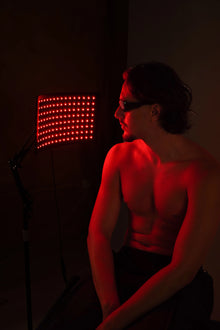
3. Red light therapy and photobiomodulation for muscle recovery
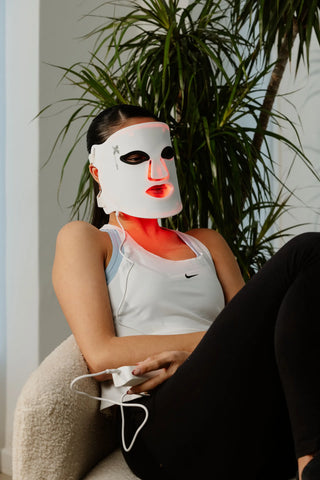
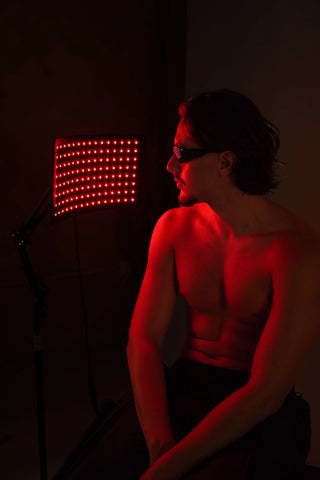
Photobiomodulation is the use of red and/or near-infrared light (using lasers or LEDs) to modulate cellular processes, especially in the mitochondria. In the context of muscle therapy, the goals are to improve energy production, reduce inflammation, and accelerate recovery.
Several meta-analyses have found that low-power phototherapy, applied mainly before exercise , can:
- Increase the number of repetitions to failure and the time to exhaustion. ( pubmed.ncbi.nlm.nih.gov )
- Promote strength recovery and reduce blood markers of muscle damage (such as creatine kinase) in the hours and days that follow. ( pubmed.ncbi.nlm.nih.gov )
However, the evidence is heterogeneous : wavelengths, doses, exposure times, and device types (laser vs. LED) vary. A recent systematic review on whole-body photobiomodulation found clear benefits on sleep quality , but no consistent effects on performance or recovery, suggesting that localized application remains the most promising. ( pubmed.ncbi.nlm.nih.gov )
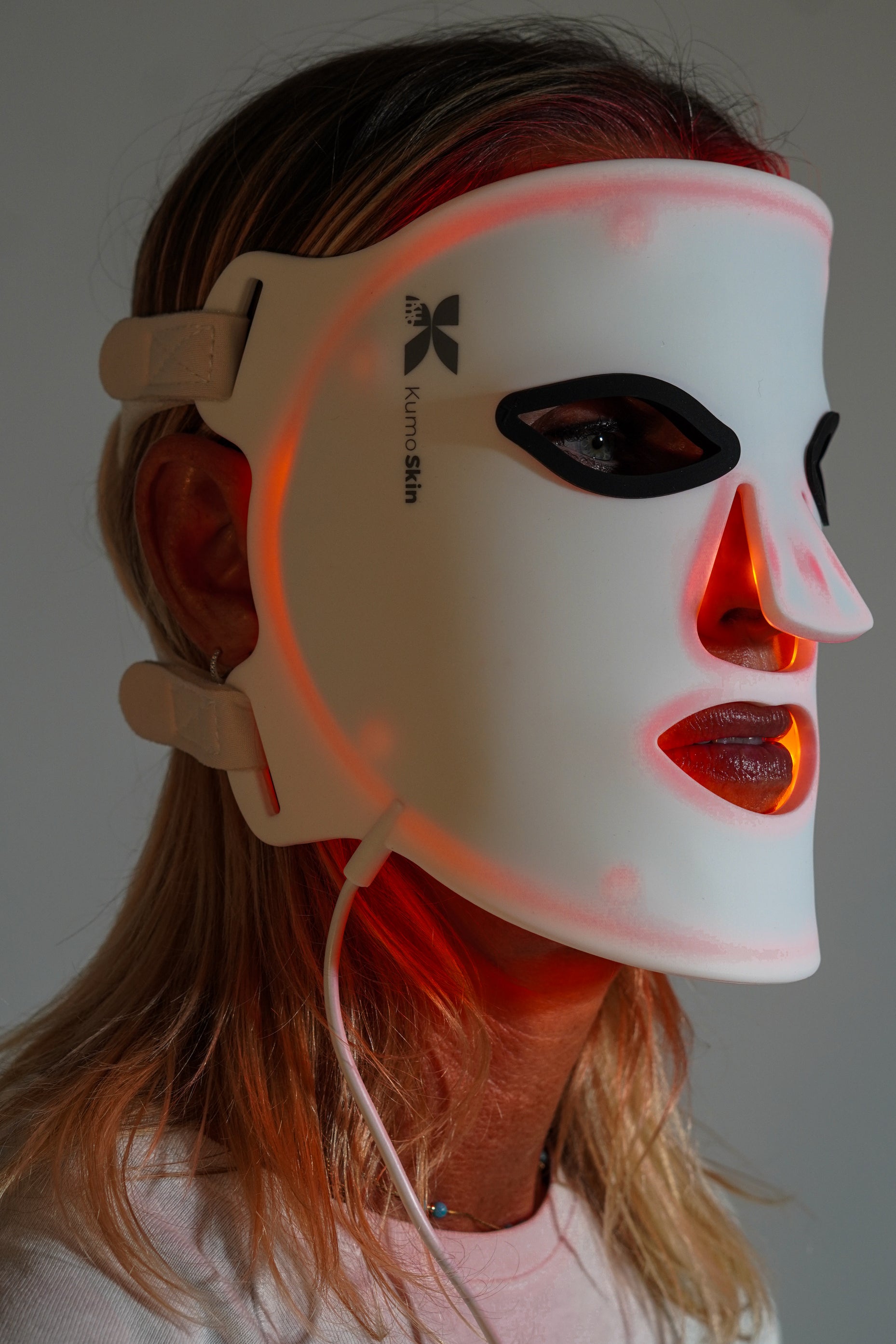
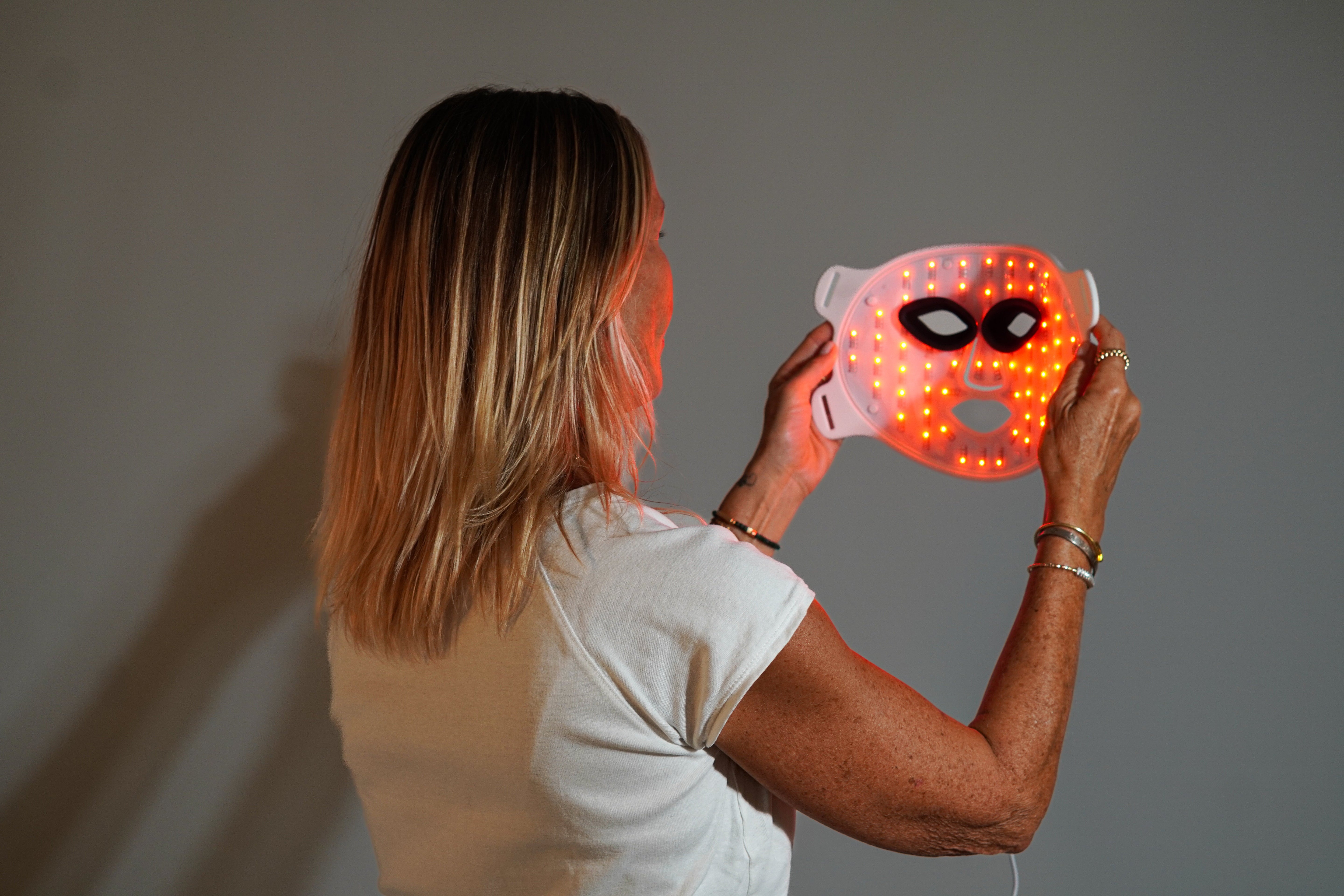
In practice, red and LED light devices like those offered by KUMO make it easy to integrate this technology into your home, both for skin care and for nighttime recovery and rest. You can explore the options in their LED light therapy section on the KUMO website.
4. Active recovery, sleep and other basic pillars
Before thinking about technology, it's important to ensure the fundamentals of muscle recovery :
- Active recovery: 5–10 minutes of light jogging, very light cycling or walking at the end of the session help clear metabolites and lower heart rate.
- Mobility and gentle stretching: useful for reducing perceived stiffness, always without pain.
- Nutrition: an adequate protein intake (approx. 1.6–2.2 g/kg/day in people who strength train) and sufficient energy promote muscle repair.
- Sleep: Getting 7–9 hours of quality sleep is probably the most powerful and cheapest “recovery tool” there is.
The 2018 review of post-workout strategies confirms that gentle movement and systematic hydration reduce perceived fatigue and muscle soreness, and that advanced techniques (compression, massage, cryotherapy) build upon this foundation but do not replace it. ( pubmed.ncbi.nlm.nih.gov )
Practical summary of muscle therapy techniques
| Technique | Main objective | Recommended moment | Approximate duration |
|---|---|---|---|
| Massage / massage gun | Reduce stiffness and localized pain, improve the feeling of relief. | Right after training or at the end of the day | 1–2 min per muscle group (10–15 min total) |
| Pressotherapy (boots) | Promotes venous return, relieves tired legs | After demanding leg sessions or long days on your feet | 20–30 min per session |
| Compression garments | Light support, reduction of swelling and perceived pain | During the hours after training or the following day | Up to several hours, depending on tolerance |
| Red light / photobiomodulation | Supporting mitochondrial function and modulating inflammation | Before training or in the afternoon/evening to promote recovery | From 5 to 20 minutes depending on the device and the area |
| Active recovery | Help eliminate metabolites and lower heart rate | Immediately after each session | 5–10 min |
How to design your post-workout muscle therapy routine
You don't need to do everything at once. An effective muscle recovery routine can be simple, consistent, and tailored to your needs.
- Active cool-down (5–10 min): Gradually decrease the intensity (walking, gentle cycling) and add some basic joint mobility.
- Choose 1–2 muscle therapy tools: for example, massage gun after upper body strength; pressotherapy after a long run; red light at night on days with higher workload.
- Set a "sustainable minimum": better 10-15 minutes of routine that you can maintain every day than 45 minutes that you only do once a week.
- Listen to your body: if a method increases pain or causes numbness, reduce the intensity or stop the session. For acute or persistent pain, consult a healthcare professional.
KUMO's proposal focuses precisely on this: turning recovery into a lifestyle habit , with devices designed to integrate into your daily routine in an aesthetic, comfortable and effective way, without always needing to depend on a clinic or spa.
Common mistakes when using muscle therapy for recovery
- Confusing “more pain” with “better training”: the goal is not to accumulate muscle soreness, but to improve performance and long-term health.
- Using too much pressure with the massage gun: it can irritate tissues instead of helping them; always start gently.
- Replacing sleep and nutrition with gadgets: technology helps, but it doesn't correct a chronic lack of rest or protein.
- Applying excessive compression or for too long: tingling or numbness are signs that you should loosen or stop.
- Using these techniques on acute injuries without assessment: in sprains, tears or very localized and sharp pain, first professional diagnosis.
Frequently asked questions about muscle therapy
How much muscle therapy do I need after training?
For most active people, 10 to 30 minutes of muscle therapy per session is sufficient. A reasonable schedule might be: 5–10 minutes of active recovery, 5–10 minutes of massage or massage gun, and, on more strenuous days, 15–20 minutes of compression therapy or red light therapy. Studies on massage and compression show benefits with relatively short protocols (10–20 minutes), provided they are repeated consistently in the hours and days following intense exertion. ( pubmed.ncbi.nlm.nih.gov ) More isn't always better; find the minimum dose that makes you feel noticeably more recovered.
Is it better to use the massage gun before or after training?
It depends on your goal. Before training, a brief application (30–60 seconds per area) can help activate the muscles and improve the feeling of mobility, similar to a targeted warm-up. After training, slightly longer sessions (1–2 minutes per muscle group) are aimed at reducing stiffness and soreness in the following hours. The literature on massage suggests that pain reduction is more pronounced when applied after exertion, but using it beforehand can improve the perception of readiness without any known negative effects. ( journals.lww.com )
Does red light therapy really help with muscle recovery?
The short answer is: it can help, but it's not magic . Meta-analyses on photobiomodulation have observed that, when applied with appropriate parameters and generally before exercise, it can improve endurance, strength recovery, and reduce markers of muscle damage in athletes and sedentary individuals. ( pubmed.ncbi.nlm.nih.gov ) However, studies vary widely in dosage and device type, and not all find benefits. Furthermore, a 2025 review of whole-body photobiomodulation saw improvements in sleep but no clear effects on performance. ( pubmed.ncbi.nlm.nih.gov ) Therefore, it should be viewed as a complement, not the foundation of recovery.
How often can I use compression therapy boots?
In healthy individuals, most study protocols employ compression therapy several times a week or occasionally after very intense sessions, with no reported problems. ( pubmed.ncbi.nlm.nih.gov ) If you train frequently, you can use compression garments 2 to 5 days a week, depending on your workload and how they make you feel. Be sure to choose a comfortable pressure, stop if you experience tingling or pain, and consult a doctor before using them if you have a history of vascular problems, thrombosis, recent surgery, or are pregnant.
What is more important: muscle therapy or rest and nutrition?
The foundation of rapid and sustainable recovery remains adequate sleep, nutrition, and training load management . Without these, no muscle therapy tool can compensate for the imbalance. Reviews of recovery techniques show that interventions such as massage, compression, or cryotherapy provide additional benefits—particularly in terms of pain and subjective sensations—but they build upon solid rest habits and sufficient protein and energy intake. ( pubmed.ncbi.nlm.nih.gov ) Ideally, muscle therapy should be viewed as an “accelerator” that optimizes what you’re already doing well, not as a replacement.
So what now?
If you want your progress to depend on more than just your gym workouts, start treating muscle recovery as an essential part of your training. Establish a short daily routine and consider which technologies work best for you: massage guns, compression therapy, or red light therapy. At KUMO, you'll find solutions designed to integrate muscle therapy into your daily life—fromcompression boots to LED therapy devices—and if you need advice, you can contact the team through their contact page .
KumoWave pressotherapy
Choose your at-home pressotherapy
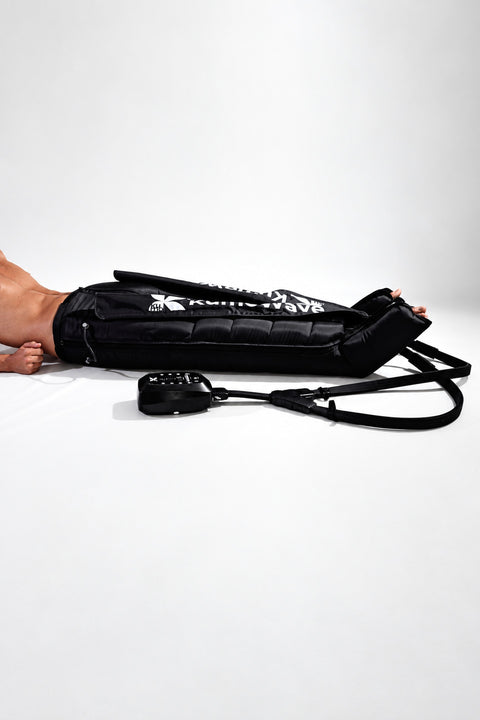
KumoWave Elite – Pressotherapy Pants
Full-coverage trousers. Ideal for lipedema, fluid retention and intensive use.
€799,00 €999,00
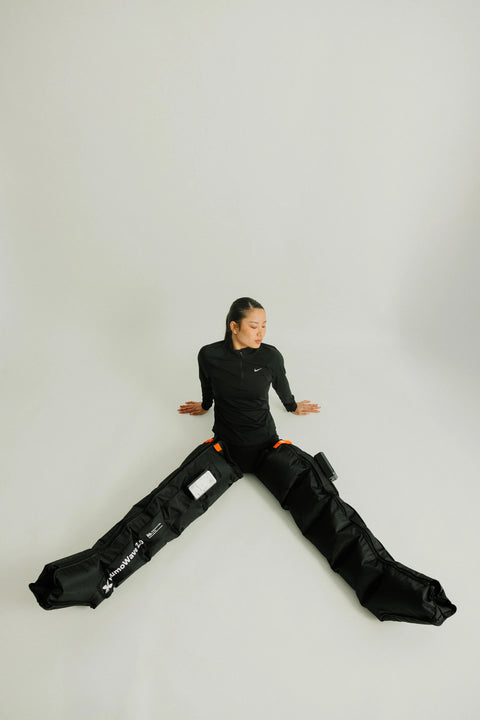
KumoWave 2.0 - Wireless Pressotherapy
Wireless, lightweight boots. Perfect for daily use and recovery.
€499,00 €599,00