
Introduction: Why red light can help you live with less stress
Daily stress is not inevitable.
Red light therapy has become established in recent years as a simple, non-invasive, and scientifically backed tool for improving well-being, promoting relaxation, and supporting restful sleep. By exposing the body to specific wavelengths of red and near-infrared light, it stimulates cellular function, circulation, and certain neurochemical processes related to calmness and recovery, making it an interesting complement to traditional stress management routines.
Red & infrared light
Recover faster, at home
★★★★★ 4,8/5 · rated by verified customers
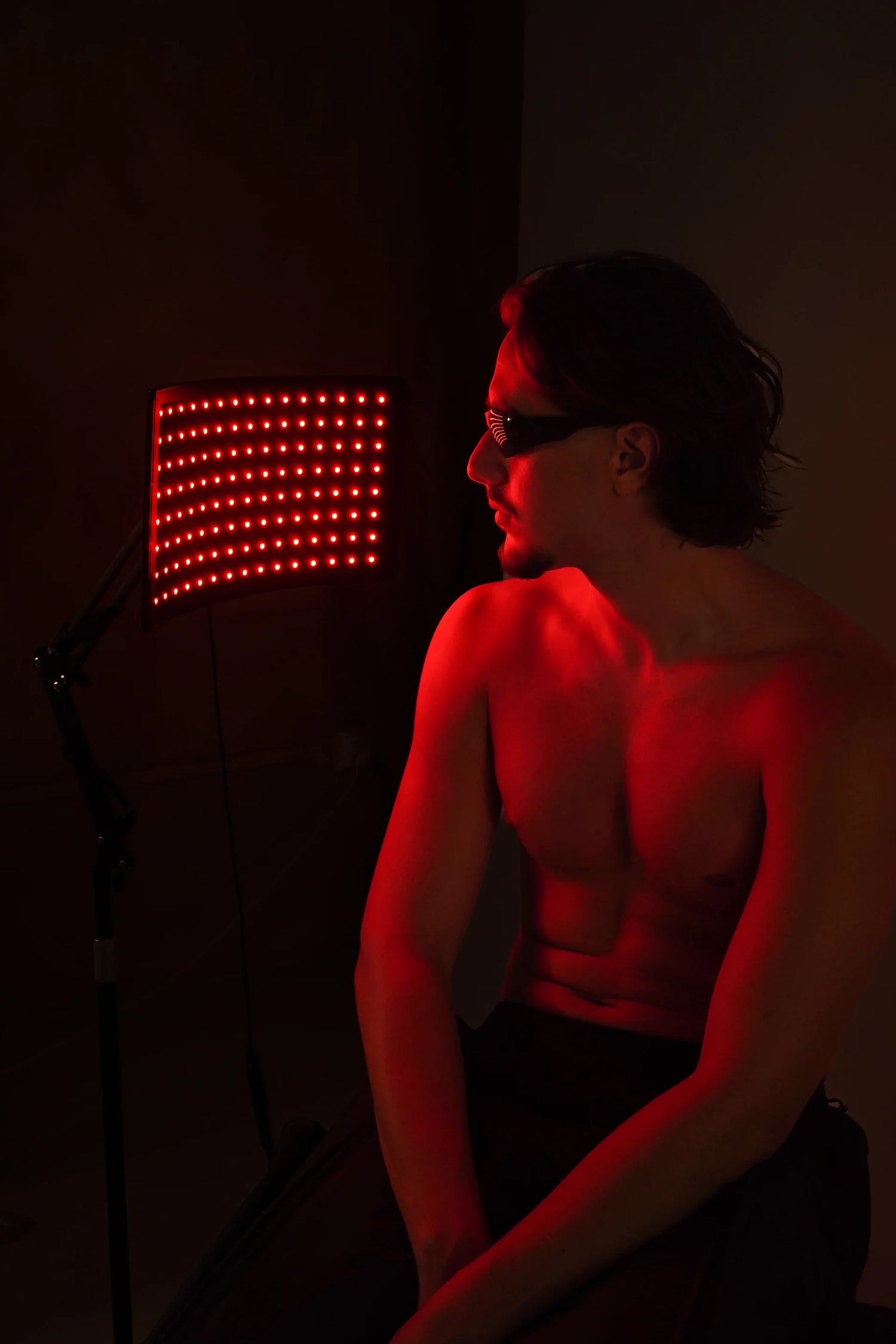
The KumoLux panel supports muscle recovery with full-body red and infrared light.
- 660 nm red + 850 nm infrared light
- Full-body muscle recovery
- Clinically validated biohacking protocols
€399,00€499,00
−10% on your 1st order when you subscribe to the newsletter

In this article you will discover exactly what photobiomodulation is, how it can help you reduce the burden of daily life, how to use it safely at home, and how to integrate it with other recovery and wellness habits.
What is red light therapy and how does it work in your body?
Simple definition of red light therapy
Red light therapy, also called photobiomodulation or low-level light therapy (LLLT) , involves exposing the skin to LED light sources in specific ranges (approximately 600–700 nm for red light and 800–900 nm for near-infrared). Unlike UV rays, it does not tan or burn, and its aim is not to intensely heat the tissue, but rather to activate biological processes at the cellular level.
Personalized protocol · included with your purchase
Want us to tell you how to use it in your case?
With your purchase, our experts set up your red and infrared light sessions for your sport and goal.
Message us on WhatsAppOur experts reply · no obligation
Mechanism of action: from the mitochondria to the feeling of calm
The effects of red light are mainly explained by its interaction with mitochondria, the "powerhouses" of cells. The light is absorbed by chromophores such as cytochrome c oxidase, which facilitates the production of ATP (cellular energy). This energy boost results in:
- Improved tissue repair and regeneration.
- Reduction of local inflammation markers.
- Modulation of neurotransmitters and hormones involved in stress and sleep.
By optimizing these processes, many users perceive a greater sense of muscle relaxation, less pain, and a calmer state of mind, all of which indirectly contribute to reducing accumulated stress.
Relationship between red light, nervous system and stress
Several studies have observed that photobiomodulation can influence the autonomic nervous system , favoring a parasympathetic predominance (the “rest and digest” mode) over the sympathetic predominance (the “fight or flight” mode). This change is reflected in parameters such as heart rate variability (HRV) , which is related to greater resilience to stress, and in subjective improvements in mood and sleep quality reported by participants.
on your first order when you join the newsletter
We send you the code instantly. No spam.
Benefits of red light therapy for daily stress
Relaxing effect and mood improvement
When used regularly, red light therapy can promote a sense of mental and emotional calm. Part of this effect is due to the reduction of physical discomfort (neck pain, shoulder tension, eye strain) that often accompanies long workdays, and part to neuromodulatory mechanisms. For many people, making the light session a small nightly ritual—with deep breathing and disconnecting from screens—amplifies this anti-stress effect.
Sleep support, the great regulator of stress
Sleep is one of the most powerful regulators of stress. Exposure to intense blue artificial light at night disrupts the circadian rhythm and melatonin production. Red light , on the other hand, has a much smaller impact on the biological clock and, under certain conditions, can even support the transition to sleep, preparing the body for better rest. By improving sleep quality, the perception of stress the following day typically decreases.
Reduction of muscle tension and discomfort associated with stress
Chronic stress often manifests as muscle stiffness (especially in the neck, jaw, and back). Photobiomodulation, by stimulating local circulation and metabolism, can help with:
- Reduce the feeling of heaviness and stiffness after many hours of sitting.
- Accelerate muscle recovery after exercise.
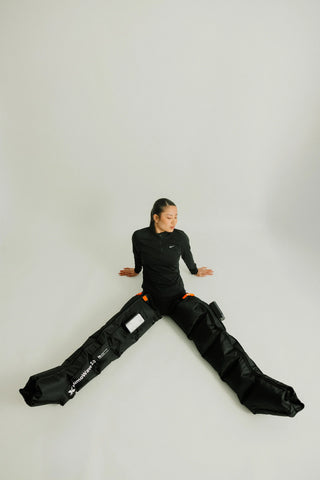
- Complement other physical relaxation techniques such as massage or pressotherapy.
Less pain and less physical tension translate into a less reactive nervous system, and therefore, better stress management on a daily basis.
Skin and self-esteem support
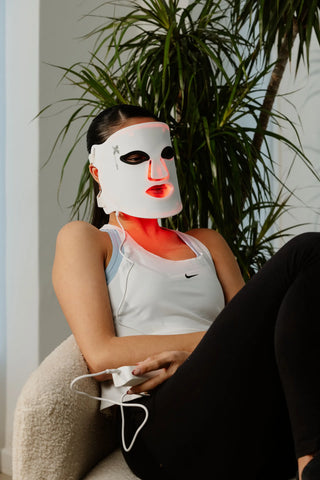
Stress also manifests in the skin: breakouts, loss of radiance, and premature aging. Red light masks and LED facial devices are used precisely to stimulate collagen production, improve texture, and support skin repair processes. Feeling better about one's appearance, even if indirectly, can help reduce emotional stress and the perception of fatigue.
Practical uses of red light in your anti-stress routine
Nighttime ritual to unwind after work
A very common practice is to have a short session (for example, 10–20 minutes) of red light therapy at the end of the day. This can be done on the face with an LED mask , on the neck and shoulders, or on areas that are tense from work (back, legs). Combining the session with deep breathing, soft music, or guided meditation can transform the moment into a true "switch" between the workday and rest.
Support for muscle recovery in active people
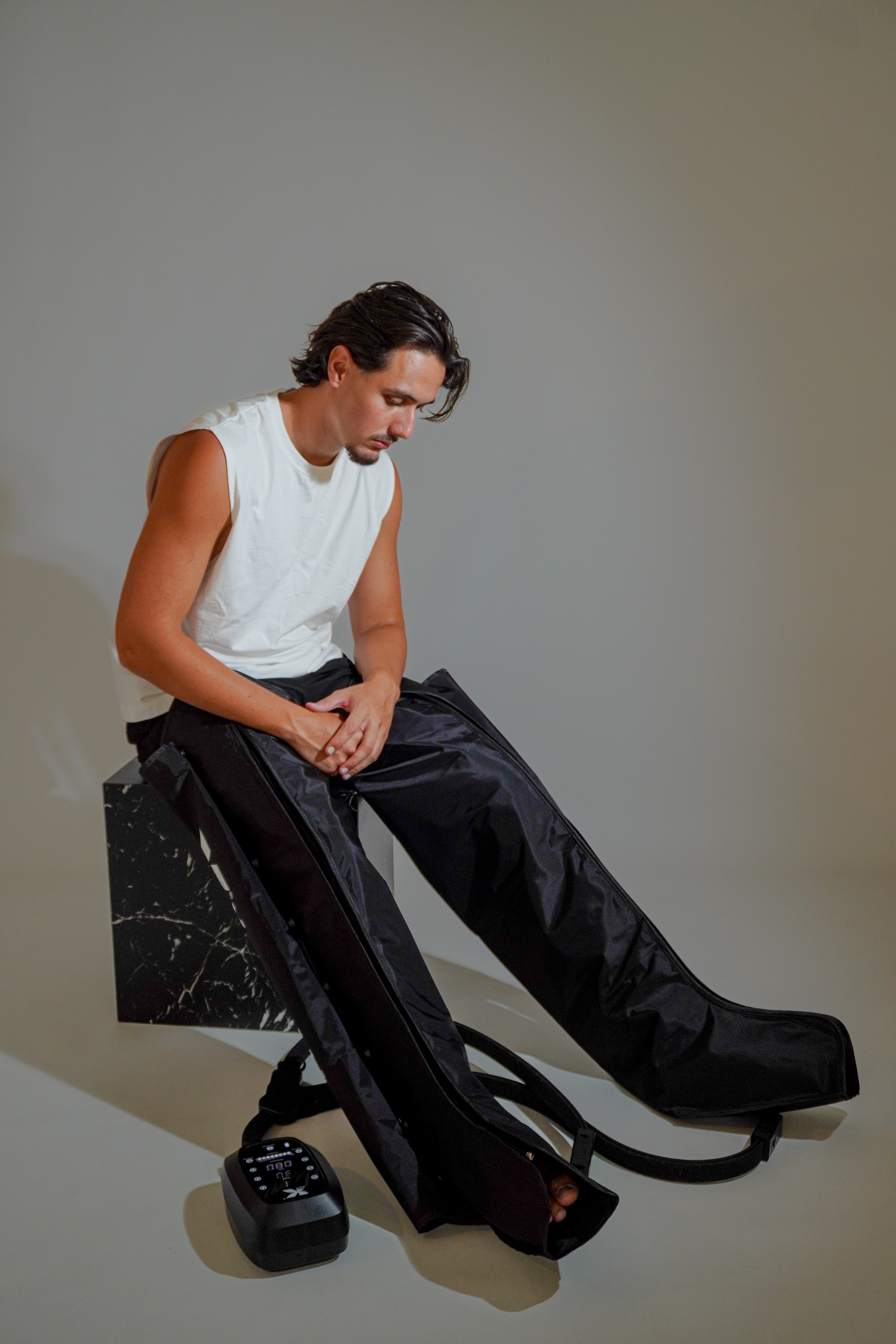
Those who train frequently often accumulate physical fatigue, which adds to mental stress. Using red light devices on the worked muscle groups helps reduce stiffness and prepares you for the next workout. Integrating light therapy with other recovery technologies—such as pressotherapy or massage guns —allows you to address stress from several angles: circulation, muscle relaxation, and nervous system regulation.
Micro-breaks during the workday
Another option is to use compact red light devices during short breaks: for example, 5–10 minutes on the neck area at midday or before a demanding meeting. These micro-sessions can help reduce physical discomfort and remind the body that it's not all about speed and constant performance.
Combination with other recovery habits
Red light therapy is not a magic bullet and does not replace exercise, sleep hygiene, or psychological stress management. It works best as part of a comprehensive strategy that includes:
- Daily movement and gentle stretching.
- Breathing routines, mindfulness, or journaling.
- Exposure to natural light in the morning.
- Gradual digital disconnection at the end of the day.
In this context, photobiomodulation acts as an accelerator of recovery processes and a daily anchor to return to the body and the present moment.
How to safely use red light therapy at home
Basic parameters: intensity, distance, and duration
Although each device has its own specifications, sessions of between 5 and 20 minutes per area are generally recommended, maintaining a distance of several centimeters up to about 30–40 cm depending on the device's power. More is not always better: using the device for extremely long periods does not linearly increase the benefits and may, in some cases, reduce them due to the dose-response effect.
Frequency of use to notice changes
Consistency is more important than intensity. Many people notice improvements in relaxation or sleep quality after just a few sessions, but the most lasting benefits are usually seen with regular use several times a week for several consecutive weeks. Ideally, it should be integrated into existing routines (for example, after your evening shower or before reading in bed).
General precautions and contraindications
Red light therapy is generally well-tolerated when used correctly. However, the following should be considered:
- Do not look directly at powerful LED sources without proper protection, especially during prolonged sessions.
- Always consult a healthcare professional in case of pregnancy, oculomotor diseases, photosensitivity or photosensitizing medication.
- Carefully follow the manufacturer's instructions and avoid use on open wounds without medical supervision.
Photobiomodulation does not replace medical treatment for anxiety disorders, depression, or severe insomnia, but it can be a useful complement within a supervised therapeutic plan.
Red light therapy and other recovery technologies
Synergies with pressotherapy for tired legs
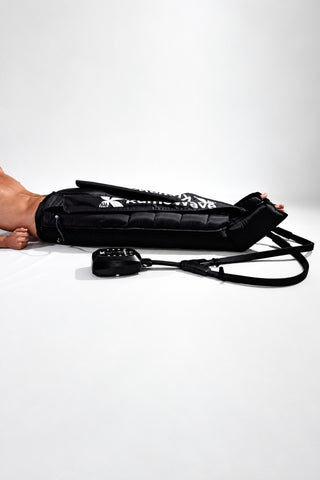
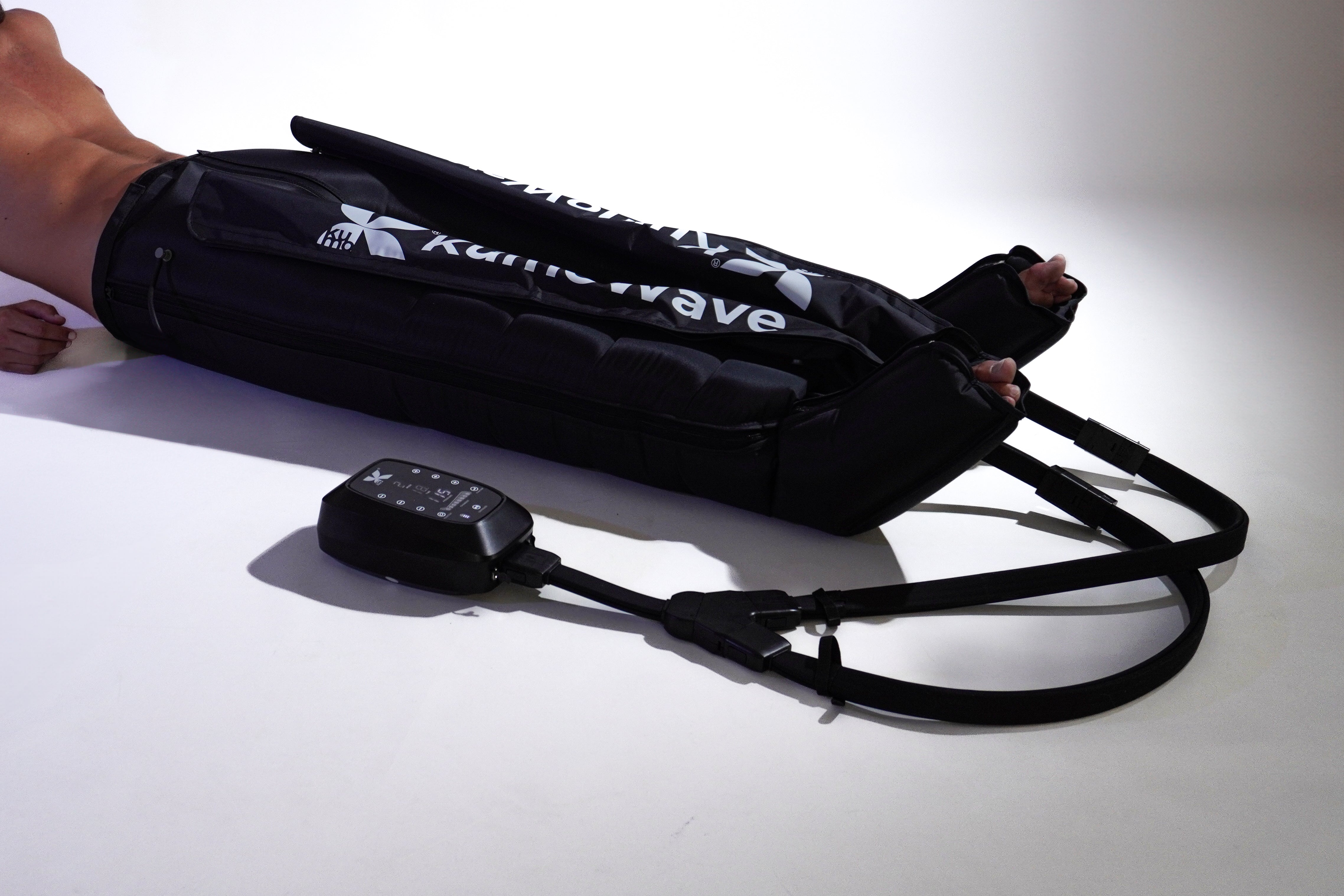
Stress isn't just felt in the head; it also affects heavy legs after many hours of standing or sitting. Pressotherapy helps activate circulation and relieve swelling and fatigue. Combining it with red light therapy sessions—before or after—enhances the overall feeling of lightness and well-being, creating a comprehensive recovery protocol after intense days.
Integration with massage guns and myofascial release
Percussive massage guns work deep within the muscles, releasing knots and trigger points. Applying red light to the same areas can promote tissue recovery, reduce local inflammation, and prolong the feeling of relaxation. This "dual-layer" approach—mechanical and light-based—is especially beneficial for people who accumulate stress in their neck, trapezius muscles, and lower back.
Skin care and emotional well-being with LED masks
LED facial masks allow you to concentrate photobiomodulation on your face, supporting skin regeneration and evening out skin tone. Beyond the aesthetic aspect, setting aside a moment each day for this type of treatment can serve as a mindful self-care ritual, invaluable for reducing stress and reconnecting with yourself.
Comparison of common applications of red light
Comparative table of uses of red light therapy for stress
| Main application | Anti-stress goal | Usual area | Indicative frequency |
|---|---|---|---|
| LED face mask | Relaxation, skin improvement, self-care ritual | Face and neck | 3–7 times per week, 10–20 min |
| Panel or body devices | Reduction of muscle tension and fatigue | Back, shoulders, legs | 3–5 times per week, 10–15 min per zone |
| Combined use with pressotherapy | Relief from tired legs, a feeling of lightness | Lower limbs | 2–4 times per week |
| Combined use with massage gun | Deep relaxation, release of tension points | Neck, trapezius muscles, lower back | Depending on muscle load, avoiding excesses |
What science says about red light and stress
Evidence on mood and anxiety
Most scientific studies on photobiomodulation have focused on pain, wound healing, and physical performance. However, in the last decade, research has emerged exploring its impact on symptoms of anxiety, mild depression, and subjective well-being . Although the results are promising, especially when combined with other therapies, more controlled trials with larger numbers of participants are still needed to establish specific stress-reduction protocols.
Red light, sleep and circadian regulation
Sleep research suggests that prolonged exposure to bright blue light at night significantly disrupts the circadian rhythm and melatonin production, while red light, applied in appropriate doses, may interfere much less with these processes. Some pilot studies have observed improvements in perceived sleep quality and daytime sleepiness when photobiomodulation is introduced as part of a sleep hygiene program.
Why talk about a complement and not a single solution?
From a responsible perspective, it's important to emphasize that red light therapy should be seen as a complement to, and not a substitute for, psychological or medical care in cases of severe chronic stress, anxiety disorders, or depression. Its greatest value lies in promoting daily well-being , physical recovery, and prevention, especially for healthy individuals seeking additional tools to balance a demanding life.
Tips for integrating red light therapy into your daily life
Start slowly and listen to your body
If you've never used photobiomodulation before, it's best to start with short, moderate sessions, gradually increasing the time and frequency based on how you feel. Pay attention to your energy levels, sleep, mood, and muscle discomfort to assess its actual impact on your daily life.
Create routines associated with already established habits
For a stress-reduction tool to work, it must be sustainable. Choose times of day when you already have a stable routine: before bed, after exercise, at the end of your workday. Associating the red light therapy session with these times reduces friction and increases the likelihood of maintaining the routine long-term.
Combine it with movement, breathing, and rest.
A combination of small strategies is often more effective than a single intervention. Integrate the red light strategy along with:
- Short walks outdoors, especially in the morning.
- Gentle mobility exercises or restorative yoga.
- Slow and deep breathing exercises at the beginning or end of the session.
- A relaxing environment: dim lighting, pleasant sound and no screens.
Frequently asked questions about red light therapy and stress
How long does it take to notice the effect of red light therapy on stress?
The time it takes to notice changes varies depending on the individual and their baseline stress level. Some people experience a greater sense of relaxation or improved sleep after the first few sessions, while others need several weeks of consistent use. As a general guideline, many photobiomodulation routines are designed for a minimum of 4–6 weeks, with several sessions per week. The most important thing is consistency and monitoring indicators such as sleep quality, muscle tension, and mood.
Can red light therapy replace psychological therapy or medication?
No. Red light therapy is a tool to support well-being, but it does not replace professional psychological or medical care. In cases of intense stress, persistent anxiety, depression, or severe insomnia, it is essential to consult a doctor or psychologist. Photobiomodulation can be used as a complement within a broader plan: emotional management techniques, regular exercise, good sleep hygiene, and, when indicated, supervised medication. If you have any questions, discuss them with your healthcare professional.
Is it better to use red light therapy in the morning or at night to reduce stress?
It depends on your main goal. If you're looking to gently energize your body and ease stiffness upon waking, a short morning session can be helpful. If your priority is to relax and prepare your body for sleep, many people prefer to use red light at the end of the day as part of their nighttime routine. The important thing is to avoid, as much as possible, other sources of very intense, blue light at night, and to maintain relatively regular schedules so as not to interfere with your biological clock.
Can red light therapy be combined with exercise and other recovery technologies?
Yes, in fact, the combination is often especially effective at reducing the impact of physical and mental stress. You can use red light therapy after exercise to support muscle recovery, along with tools like compression therapy or massage guns . You can also have a more relaxing session before bed, focusing on your neck and shoulders, while practicing deep breathing. Adjust the duration and frequency according to your activity level and how your body responds.
Is red light therapy safe for everyday use?
Under normal conditions and following the manufacturer's instructions, photobiomodulation is considered a technique with a good safety profile. Many routines recommend almost daily use or use several days a week. However, it is essential to respect the recommended exposure times, avoid looking directly at powerful LED sources, and consult a healthcare professional if you are pregnant, taking photosensitizing medication, or have any eye or skin condition. If you experience any unusual discomfort, it is advisable to discontinue use and seek medical advice.
So what now?
If you want to incorporate red light therapy into your life to reduce stress and improve your recovery, the first step is choosing reliable tools tailored to your needs: from LED devices for face and body to complementary solutions like leg compression therapy or high-end massage guns . Explore all the options on Kumo 's homepage, and if you need personalized guidance, you can contact them through the contact section so a specialist can help you design your ideal recovery routine.

Red & infrared light
KumoLux Panel – Red and Infrared LED Panel
★★★★★ 4,8/5 · rated by verified customers
- 660 nm red + 850 nm infrared light
- Full-body muscle recovery
- Clinically validated biohacking protocols
€399,00€499,00· pay in installments with seQura or Klarna